
Electricity Bills Jumping 15% in January 2026: 5 Ways Maine Electricians Can Cut Your Energy Costs (Before the CMP Grid Upgrade Hits Your Wallet)
- Jan 6
- 5 min read
If you've been dreading your January electricity bill, you're not alone. Maine residents are facing a significant 15% jump in electricity costs that took effect on January 1st, 2026. The Maine Public Utilities Commission approved a new Standard Offer supply rate that increased from 10.61 cents per kilowatt-hour to 12.72 cents for residential CMP customers.
For the average Maine household, this translates to an additional $13 to $17 per month, or roughly $132 to $200 annually. While this might not sound catastrophic, it adds up quickly: especially when combined with other rising costs of living.
The good news? There are proven ways to fight back against these rising energy costs, and they don't involve living in the dark or freezing through Maine winters. As experienced Maine electricians, we've helped hundreds of homeowners slash their energy bills with smart upgrades and strategic improvements.
Why Are Your Bills Jumping So High?
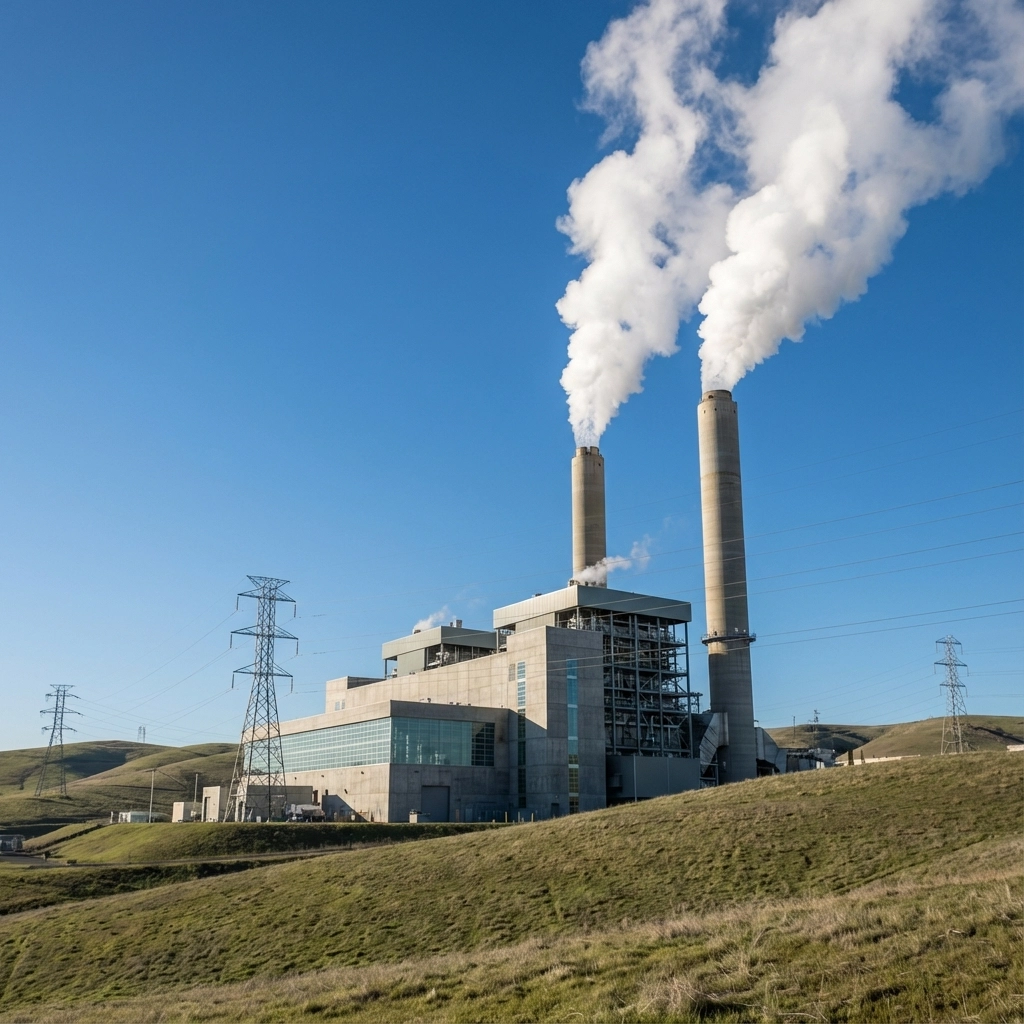
The rate hike is primarily driven by rising natural gas prices. About half of New England's power comes from natural gas plants, and wholesale gas prices have increased partly due to expanded U.S. liquefied natural gas exports. When gas gets more expensive, your electricity bill follows.
This increase applies only to the supply portion of your bill: the actual cost of generating electricity: and doesn't affect the delivery charges that go to CMP or Versant Power. It's also completely separate from CMP's controversial grid infrastructure upgrade proposal, which the PUC has rejected.
Understanding this distinction is important because while you can't control supply rates, you absolutely can control how much electricity you actually use.
5 Ways Maine Electricians Can Cut Your Energy Costs
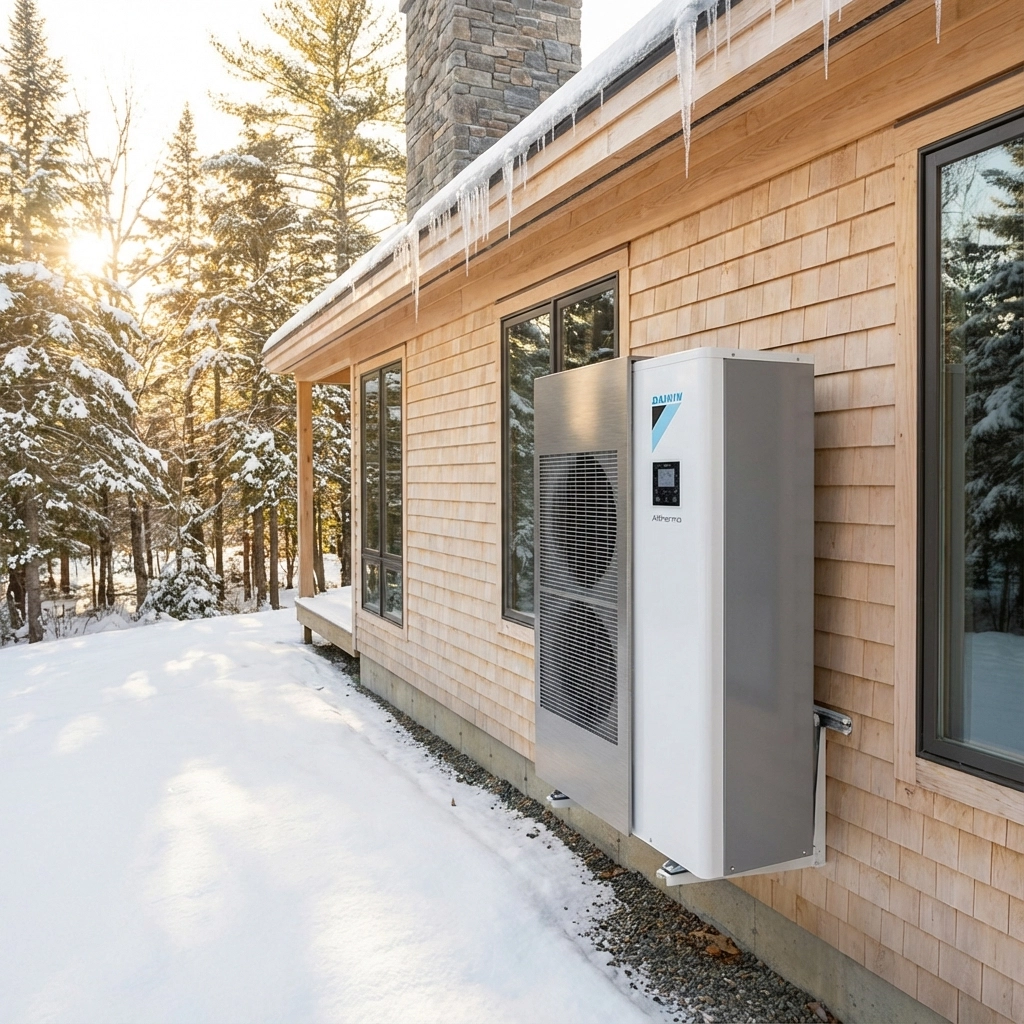
1. Heat Pump Installation: Your Biggest Win Against Rising Bills
Heat pumps are game-changers for Maine homes, and the timing couldn't be better. With federal tax credits still available through December 31st, you can save up to $7,500 on installation costs.
Modern heat pumps are incredibly efficient, providing 3-4 units of heat for every unit of electricity consumed. Compare that to traditional electric baseboard heating, which provides exactly 1 unit of heat for every unit of electricity: it's a no-brainer.
We've seen homeowners reduce their heating costs by 50% or more after switching to heat pumps. Even in Maine's coldest weather, today's cold-climate heat pumps continue working efficiently down to -15°F and below.
2. Mini-Split Systems: Targeted Efficiency Where You Need It
Mini-split systems offer incredible flexibility and efficiency for both heating and cooling. Unlike central systems that heat or cool your entire home whether you're using those rooms or not, mini-splits let you control individual zones.
Here's how they help slash your bills:
Zone control: Only heat or cool the rooms you're actually using
High efficiency ratings: Many models achieve SEER ratings of 20+ and HSPF ratings of 10+
No ductwork losses: Traditional ducted systems can lose 20-30% of their energy through leaky ducts
Smart features: Many units can be controlled remotely and programmed for optimal efficiency
The initial investment in mini-splits typically pays for itself within 3-5 years through energy savings, and with the current federal tax credits, that payback period shrinks even further.
3. Strategic EV Charger Installation with Time-of-Use Optimization
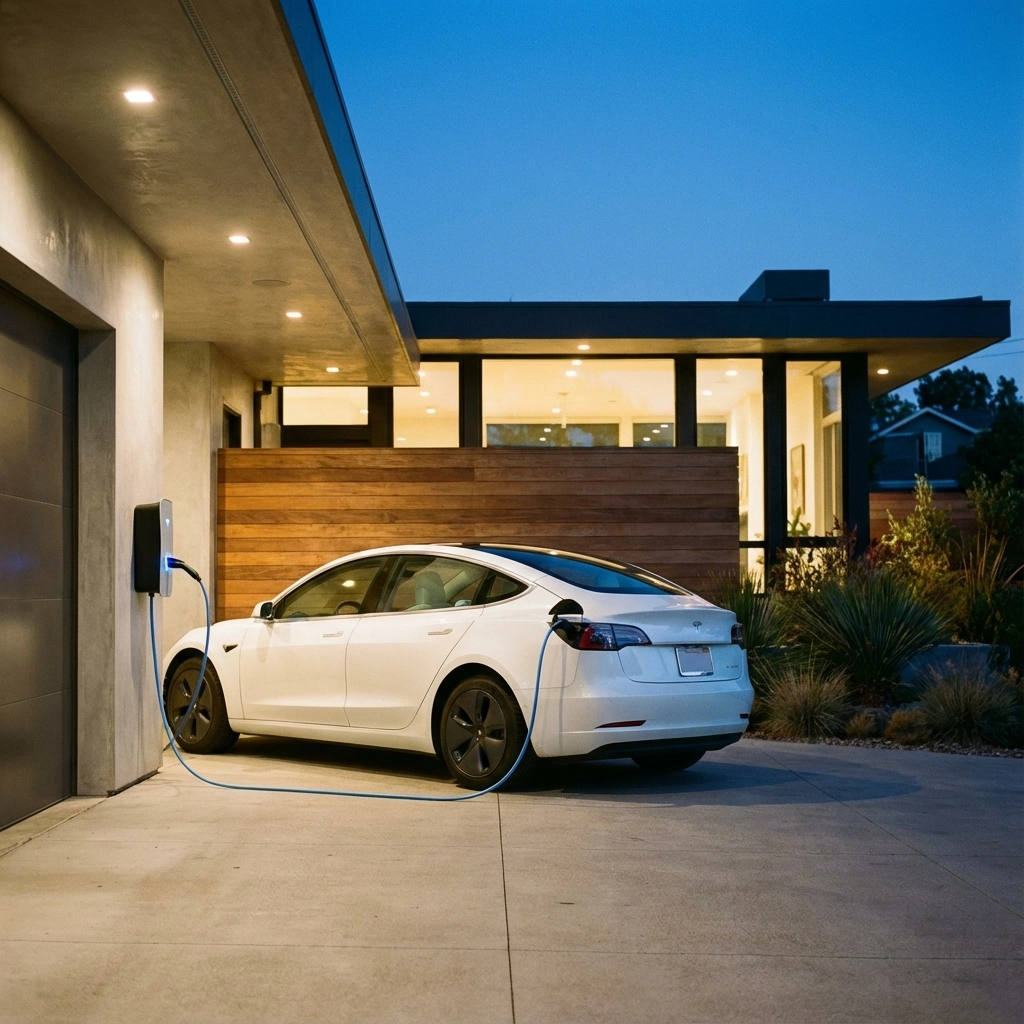
If you're driving electric or planning to make the switch, installing an EV charger isn't just about convenience: it's about smart energy management. Many Maine utility customers can take advantage of time-of-use rates that offer significantly lower electricity prices during off-peak hours.
Here's how we help you maximize savings:
Level 2 home chargers: Charge your vehicle 6-8 times faster than standard outlets
Smart scheduling: Program charging during off-peak rate periods (typically overnight)
Load management: Prevent costly demand charges by managing when your charger operates
With proper installation and programming, many EV owners actually see their total transportation costs drop significantly, even with the recent rate increases.

4. LED Lighting Upgrades: Small Changes, Big Impact
While LED upgrades might seem basic, the cumulative savings are substantial. Traditional incandescent bulbs waste 90% of their energy as heat, while LEDs convert nearly all their energy into light.
Consider these numbers:
A 60-watt incandescent bulb costs about $84 in electricity over its lifetime
An equivalent 9-watt LED costs only $13 in electricity over its much longer lifetime
LEDs last 25-50 times longer than incandescent bulbs
Multiply this across every bulb in your home, and you're looking at hundreds of dollars in annual savings. We often recommend starting with the lights you use most frequently: living rooms, kitchens, and bedrooms.
5. Electrical Panel Upgrades for Maximum Efficiency
An outdated electrical panel doesn't just pose safety risks: it can also cost you money. Older panels often can't support modern energy-efficient appliances and systems that could dramatically reduce your bills.
Here's what a panel upgrade enables:
Higher-efficiency appliances: New induction cooktops, heat pump water heaters, and ENERGY STAR appliances
Smart home integration: Whole-house energy monitoring and automated load management
Electric vehicle support: Proper 240V circuits for fast EV charging
Better power factor: Reduced energy waste and potentially lower demand charges
Many homeowners are surprised to learn that their 20-30 year old electrical panels are actually preventing them from accessing the most effective energy-saving technologies available today.
Timing Is Everything: Act Before Rates Rise Further
Energy costs rarely go down, and Maine's situation is unlikely to improve quickly. Natural gas prices remain volatile, and infrastructure costs continue climbing. The homeowners who fare best in this environment are those who take proactive steps to reduce their consumption now.
The federal tax credits we mentioned won't last forever, and they currently provide some of the most generous incentives we've ever seen for energy-efficient upgrades. Between the immediate tax savings and the long-term bill reductions, there's never been a better time to invest in your home's electrical efficiency.
Getting Started: What's Your Best First Step?
Every home is different, but we typically recommend starting with a professional energy audit. This helps identify where you're losing the most money and which upgrades will provide the biggest bang for your buck.
For most Maine homes, heat pumps or mini-splits offer the fastest payback, especially for homes currently using oil heat, propane, or electric baseboard systems. EV chargers make sense if you're already considering an electric vehicle, and LED lighting upgrades provide immediate savings with minimal upfront investment.
The key is working with electricians who understand Maine's unique climate challenges and energy landscape. We've helped homeowners throughout southern and central Maine navigate these decisions, and we're here to help you find the right solution for your specific situation.
Don't let rising electricity rates drain your wallet. With the right electrical upgrades and energy-efficient systems, you can actually reduce your monthly bills even as rates increase. Contact Downeast Electrical Services today to discuss which energy-saving solutions make the most sense for your home and budget.
Your future self will thank you when you're enjoying lower bills while your neighbors are still struggling with the rate increases.
Comments