
Federal Tax Credits End December 31st: 5 Steps How to Save $7,500 on Heat Pumps and EV Chargers (Easy Guide for Southern Maine Homeowners: including Saco, Biddeford & Kennebunk!)
Time's running out, and we need to have an honest conversation about federal tax credits. If you're a homeowner in Saco, Biddeford, Kennebunk, or anywhere in Southern Maine, you've probably heard about massive savings on heat pumps and EV chargers. But here's the reality check: the $7,500 federal tax credit for new electric vehicles already expired on September 30, 2025.
Don't panic though! There are still significant savings available, and you have exactly 13 days left to claim them as of today's date (December 18, 2025). While you can't hit that full $7,500 number anymore, you can still save thousands on energy-efficient upgrades that'll slash your utility bills for years to come.
What's Actually Available Right Now
Let's cut through the confusion and focus on what you can actually claim before December 31st:
Heat Pump Systems: Up to $2,000 in federal tax credits Heat Pump Water Heaters: Up to $2,000 in federal tax credits EV Chargers: Up to $1,000 in federal tax credits (deadline extends to June 30, 2026) Weatherization & Insulation: Up to $1,200 in federal tax credits
That's a maximum of about $6,200 in available credits if you qualify for everything. Not quite $7,500, but still a substantial chunk of change that can make these upgrades much more affordable.
Step 1: Assess Your Current System and Timeline
Before you rush into anything, take a realistic look at what you can actually accomplish by December 31st. Installation timelines are crucial here, especially in Maine where winter weather can complicate electrical work.
For Saco, Biddeford, and Kennebunk homeowners, the reality is that most electrical contractors are already booked solid through the holidays. If you haven't started the process yet, your best bet might be focusing on the EV charger credit since it has a June 2026 deadline.
Here's what you need to evaluate:
Current heating system age and efficiency
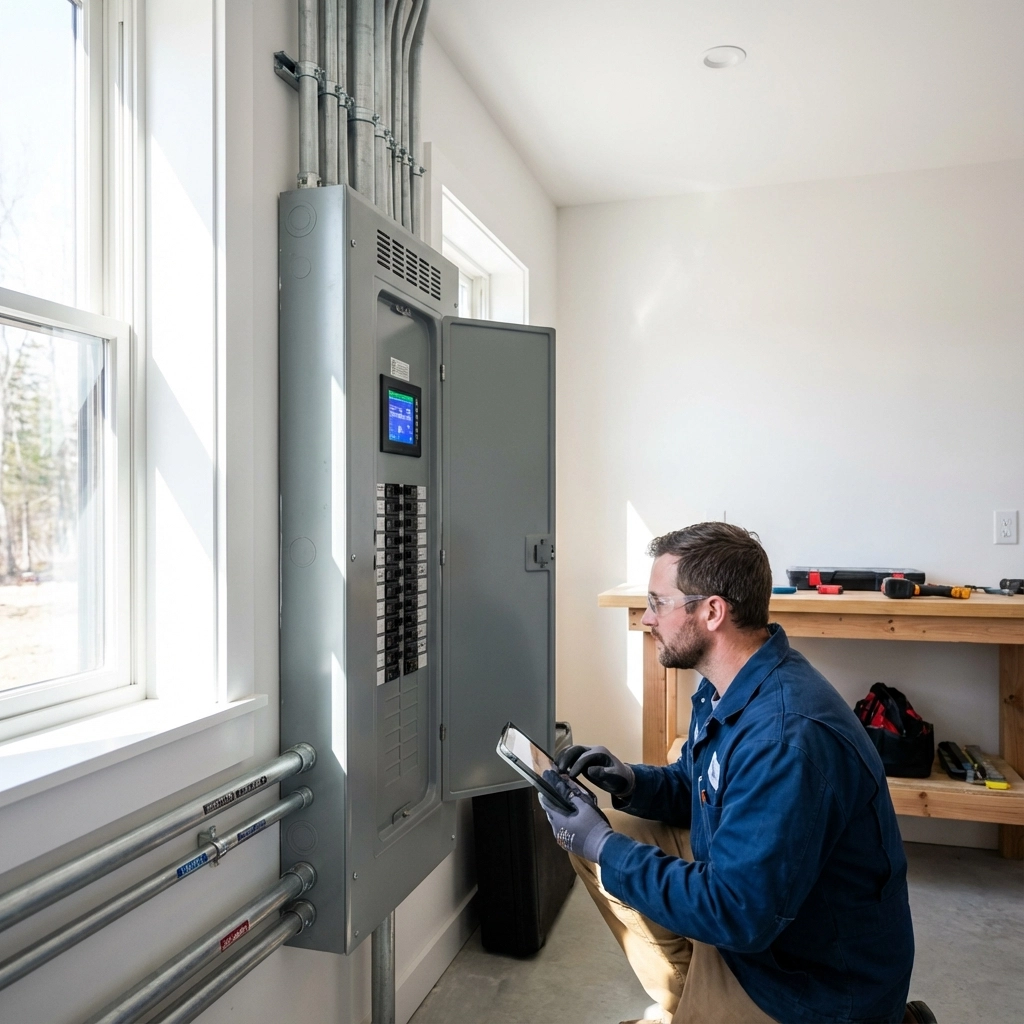
Electrical panel capacity (many older homes need upgrades first)
Available installation dates with licensed electricians
Your 2025 tax liability (you need to owe taxes to claim credits)
Pro tip: If your electrical panel needs upgrading before installing heat pumps or EV chargers, that work also qualifies for up to $600 in federal tax credits through December 31st.
Step 2: Prioritize Heat Pump Installation (If Possible)
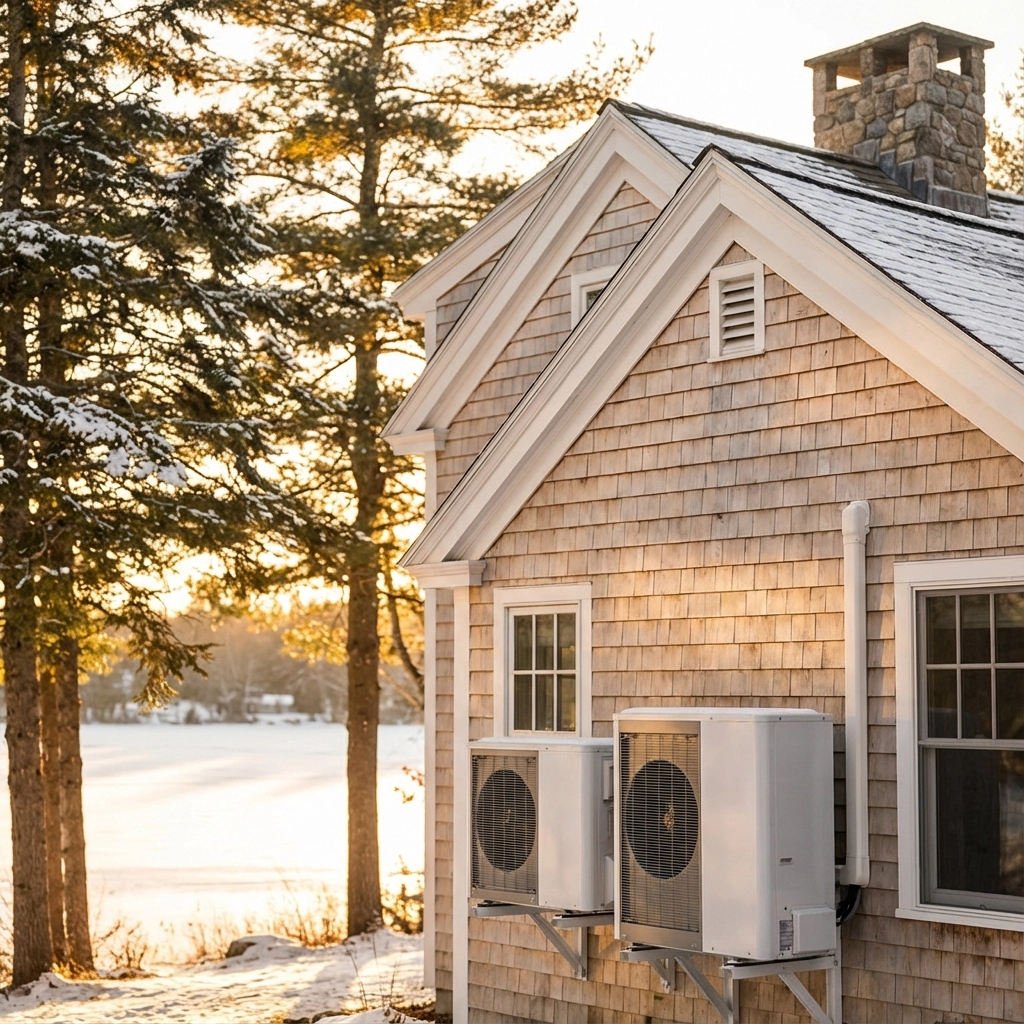
Heat pumps are the biggest bang for your buck right now. With up to $2,000 in federal credits plus Maine's efficiency programs, you're looking at serious savings on both installation and monthly heating bills.
For Southern Maine specifically, heat pumps work exceptionally well due to our relatively moderate coastal climate. Even during those brutal January cold snaps in Saco or Biddeford, modern cold-climate heat pumps can handle temperatures well below zero.
The math is compelling:
Average heat pump installation: $8,000-$15,000
Federal tax credit: Up to $2,000
Efficiency Maine rebates: Additional $500-$2,000
Annual heating savings: $800-$1,500
But here's the catch: You need the system installed and operational before December 31st. Most reputable electrical contractors in Kennebunk, Saco, and Biddeford are scheduling into January or February for new installations.
Your move? Call around immediately. Some contractors might have cancellations, or you might find someone willing to work between Christmas and New Year's. It's a long shot, but worth the effort for $2,000 in savings.
Step 3: Secure Your Heat Pump Water Heater Credit
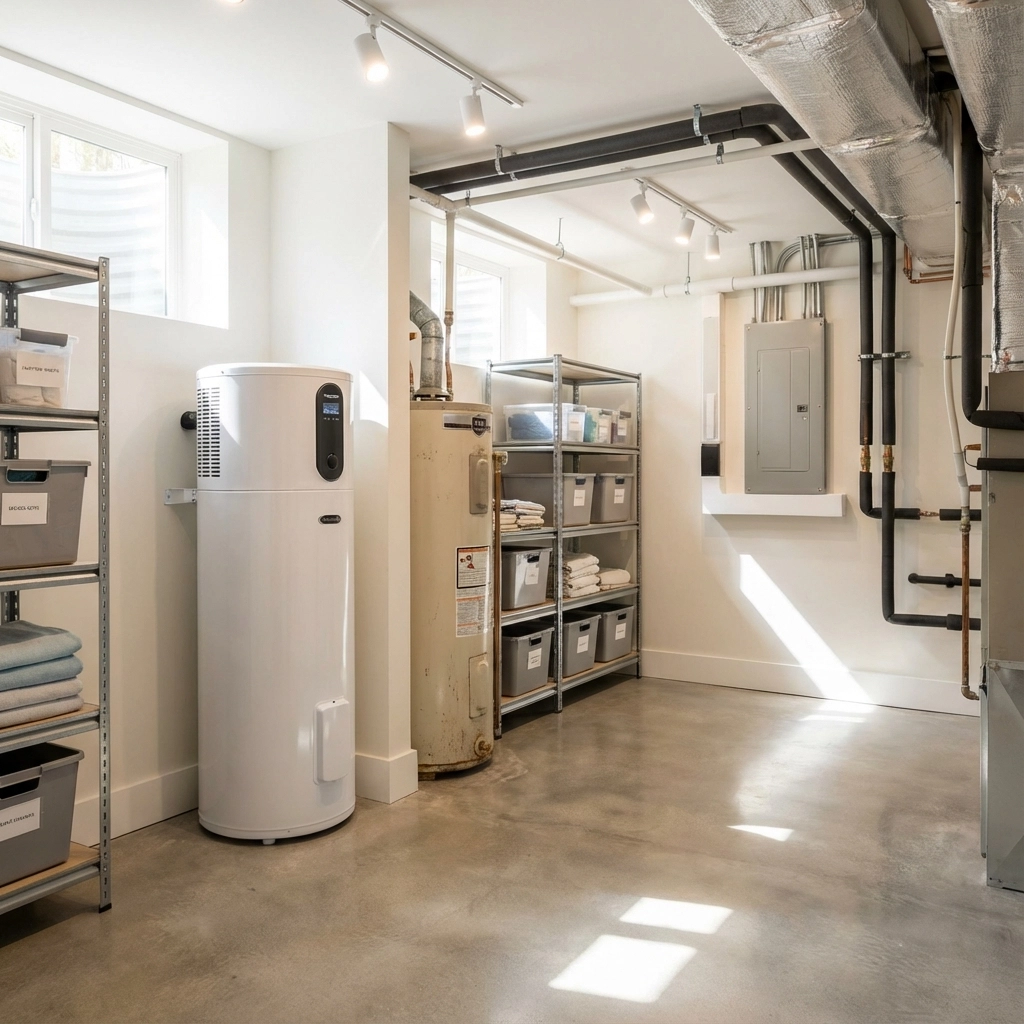
This is actually your most realistic option for meeting the December 31st deadline. Heat pump water heaters are easier to install than whole-house heating systems, and many electrical contractors can squeeze these installations into their December schedules.
Why Southern Maine homeowners love heat pump water heaters:
They work great in basements (common in older Saco and Biddeford homes)
Reduce humidity naturally
Cut water heating costs by 60-70%
Qualify for that $2,000 federal tax credit
The installation typically takes 4-6 hours, and unlike whole-house heat pumps, you don't need extensive electrical work in most cases. For a homeowner in Kennebunk with a standard electrical setup, this could be scheduled and completed within a week.
Step 4: Plan Your EV Charger Installation Strategically
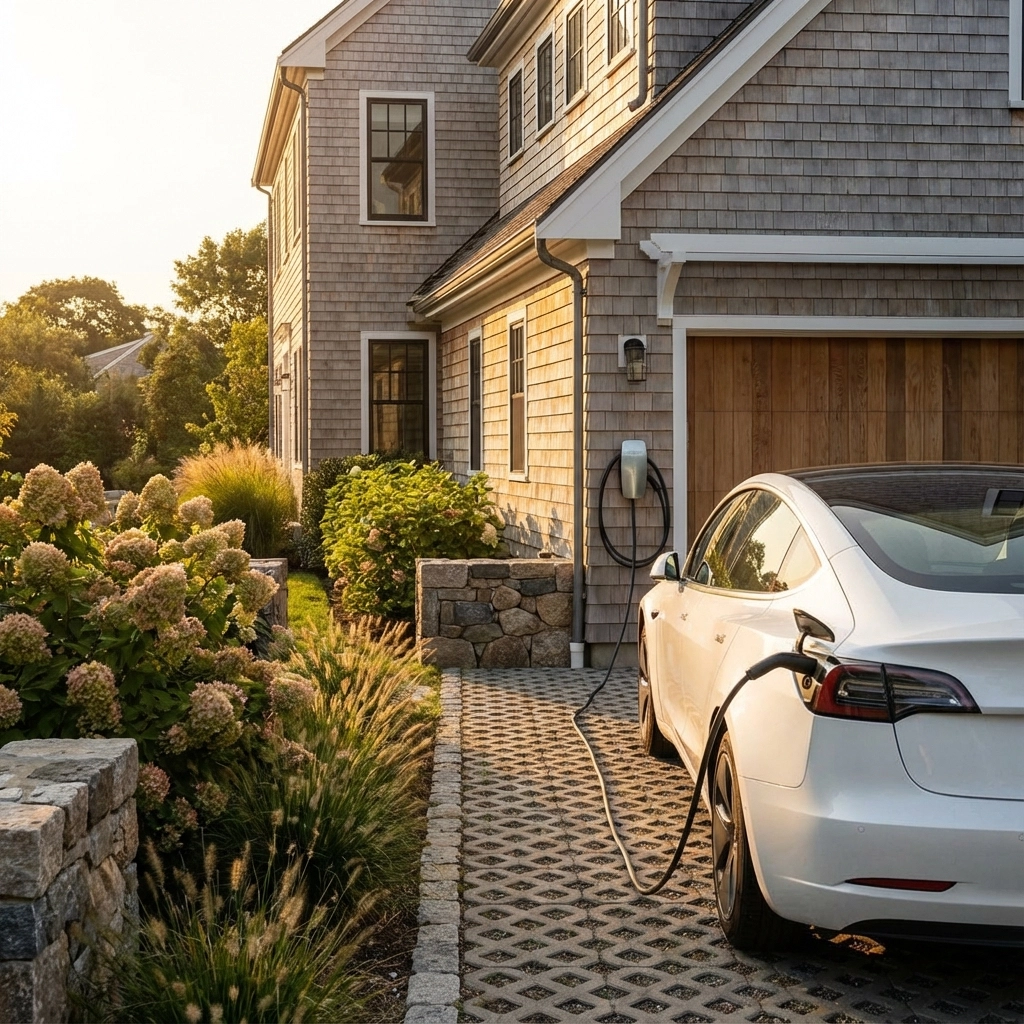
Here's some good news: EV charger tax credits don't expire until June 30, 2026. This gives you breathing room to plan properly and potentially bundle the work with other electrical upgrades.
For Southern Maine homeowners, EV charger installation makes perfect sense. You're probably driving to Portland for work, taking weekend trips to the coast, or making regular runs to bigger shopping areas. Having a Level 2 charger at home means you're always starting with a full "tank."
The federal tax credit covers 30% of installation costs up to $1,000. But here's where it gets interesting for Saco, Biddeford, and Kennebunk residents: many installations require electrical panel upgrades, which also qualify for federal credits.
Smart bundling strategy:
Schedule EV charger installation for January-March 2026
Bundle with electrical panel upgrade if needed
Claim both credits on your 2026 tax return
Avoid the December rush and get better contractor availability
Step 5: Maximize Weatherization Credits Before Year-End
This is your most achievable option for the December 31st deadline. Weatherization work: insulation, air sealing, and weatherstripping: qualifies for up to $1,200 in federal tax credits and can often be completed quickly.
Perfect for Southern Maine winters: Proper weatherization makes a huge difference in our climate. Those cold winds coming off the ocean in Saco, or the drafty older homes common in Biddeford and Kennebunk, benefit enormously from professional air sealing.
Many weatherization contractors can schedule and complete this work within days, not weeks. Plus, you'll immediately notice the difference in comfort and heating bills this winter.
What qualifies:
Blown-in insulation
Attic insulation upgrades
Air sealing and weatherstripping
Storm doors and windows (if they meet efficiency standards)
Southern Maine Specific Considerations
Living in Saco, Biddeford, or Kennebunk comes with unique advantages for these upgrades. You're close enough to Portland to access a larger contractor network, but you also benefit from slightly lower installation costs than urban areas.
Local factors to consider:
Older housing stock often needs electrical panel upgrades first
Coastal humidity makes heat pump water heaters especially beneficial
Tourist season creates scheduling challenges (but that's not an issue in December)
Many homes have basements perfect for heat pump water heater installation
The Reality Check: What You Can Actually Accomplish
Let's be honest about what's realistic with 13 days left in 2025. Unless you've already started the process, your best bets are:
Heat pump water heater installation - Most achievable for December 31st deadline
Weatherization work - Can often be scheduled and completed within days
EV charger planning - Use the extended June 2026 deadline to your advantage
If you try to rush a whole-house heat pump installation, you might end up with subpar work or miss the deadline entirely. Sometimes the smart money is on taking the sure thing rather than swinging for the fences.
Taking Action Before It's Too Late
The clock is ticking, but you're not out of options. Start making calls today to electrical contractors and weatherization specialists in your area. Many are willing to work odd hours or squeeze in smaller jobs during the holiday season.
Your action plan for the next 48 hours:
Call at least three local electrical contractors about heat pump water heaters
Get quotes for weatherization work from insulation specialists
Start planning your EV charger installation for early 2026
Gather your 2025 tax information to ensure you can claim available credits
For Southern Maine homeowners in Saco, Biddeford, Kennebunk, and surrounding areas, these federal tax credits represent thousands of dollars in savings on upgrades that'll pay you back for years through lower utility bills and increased home comfort.
Don't let December 31st pass without claiming what you can. Even if you can't hit that original $7,500 target, securing $3,000-$4,000 in federal tax credits is still a significant win for your wallet and your home's efficiency.
The opportunity is there: you just need to act fast and make the calls today.
Comments