
Why Are Mini Splits So Expensive in 2025? The Real Cost Breakdown Southern Maine Electric Experts Don't Want You to Know
- Dec 15, 2025
- 5 min read
If you've been shopping around for mini split systems in Southern Maine, you've probably experienced some serious sticker shock. The prices seem to keep climbing, and you're left wondering if you're being taken for a ride. The short answer is no – you're not being scammed. But there are some real factors driving these costs that many contractors don't take the time to explain properly.
Let's break down exactly what you're paying for when you invest in a mini split system, and more importantly, why it might actually save you money in the long run.
The Real Numbers: What Mini Splits Actually Cost in Southern Maine
Here's the truth about mini split pricing in our area. Installation costs typically range from $3,000 to $10,000 in the South Portland region, with the broader Southern Maine market seeing prices between $2,000 and $10,500. That's a pretty wide range, and there are good reasons for it.
A basic single-zone system (one indoor unit connected to one outdoor unit) will land on the lower end of this spectrum. But if you're looking at a multi-zone setup – which is what most Maine homes actually need – you're looking at the higher end. A typical two-indoor-unit system alone runs around $10,000 before any rebates or incentives.
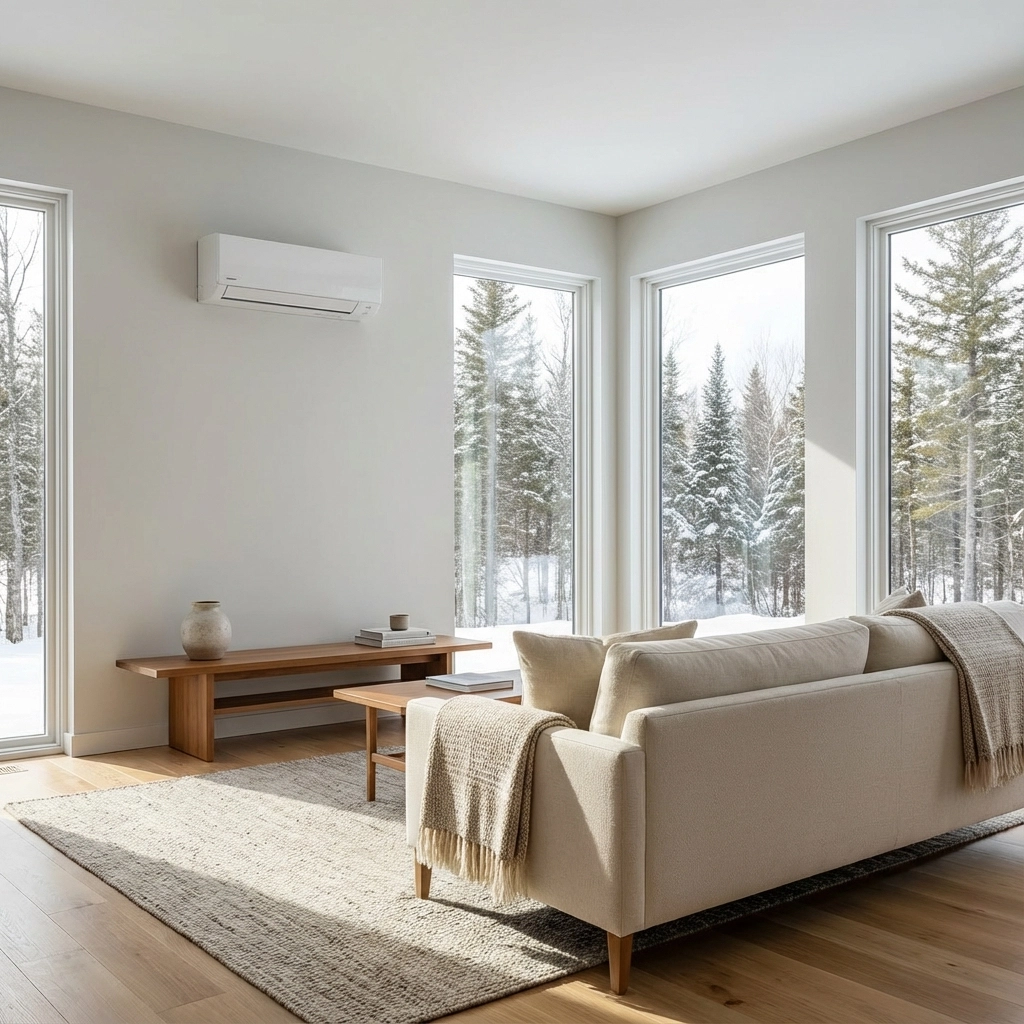
The reason for this pricing isn't arbitrary markup. These systems are sophisticated pieces of equipment that require skilled installation, quality components, and ongoing support.
Breaking Down Where Your Money Actually Goes
Equipment Costs: You Get What You Pay For
The mini split units themselves aren't cheap to manufacture. Unlike basic window air conditioners, these systems use advanced inverter technology that allows them to adjust their output based on your heating and cooling needs. The outdoor units are built to withstand Maine's harsh winters, and the indoor units include sophisticated air filtration and distribution systems.
Quality brands like Mitsubishi, Daikin, and Fujitsu invest heavily in research and development to create systems that can handle our temperature extremes – from blazing summer days to sub-zero winter nights.
Labor and Installation Complexity
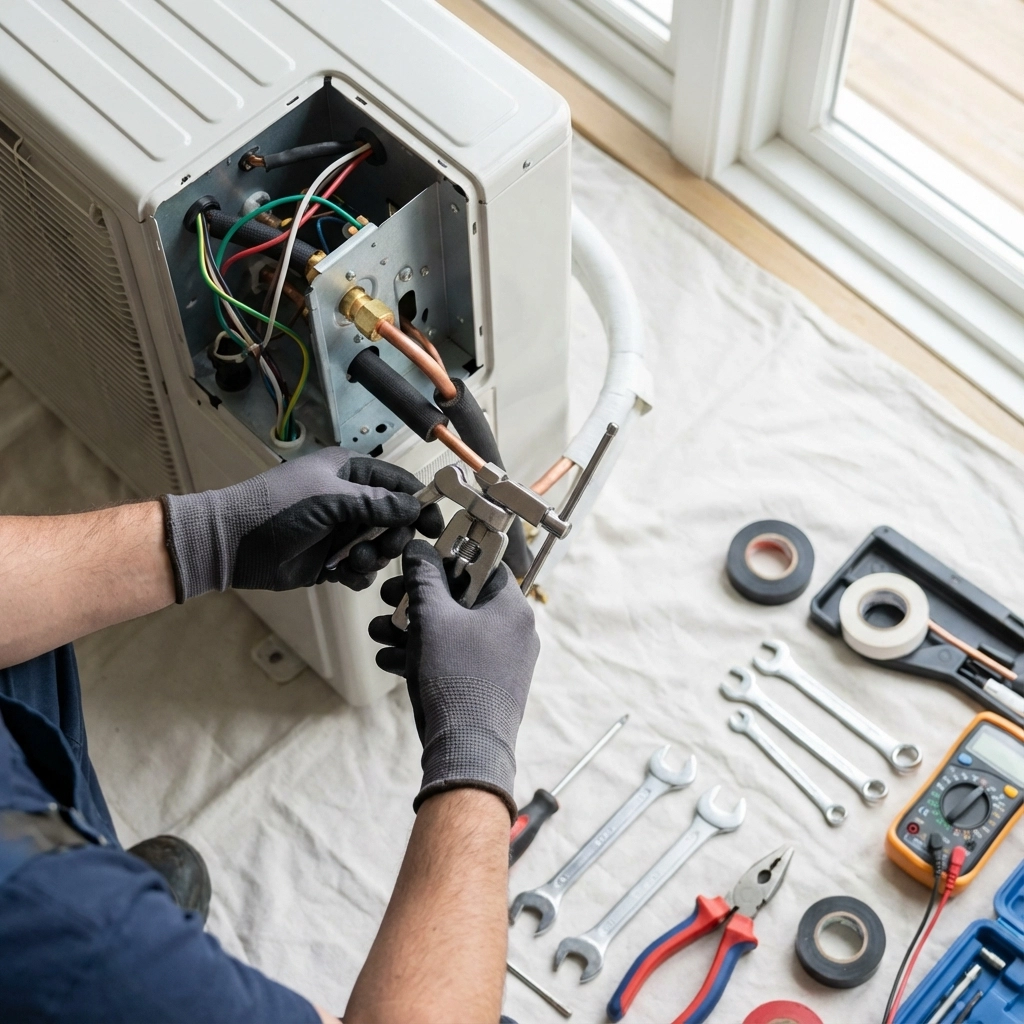
This is where a lot of the cost comes from, and it's probably the most misunderstood part of the pricing. Installing a mini split isn't like hanging a picture on the wall. Here's what's actually involved:
Electrical work: Each system needs dedicated electrical service, which often means upgrading your electrical panel or running new circuits. This work requires a licensed electrician and permits.
Refrigerant line installation: The copper lines connecting your indoor and outdoor units need to be precisely sized and properly insulated. These lines carry pressurized refrigerant and must be installed to exact specifications.
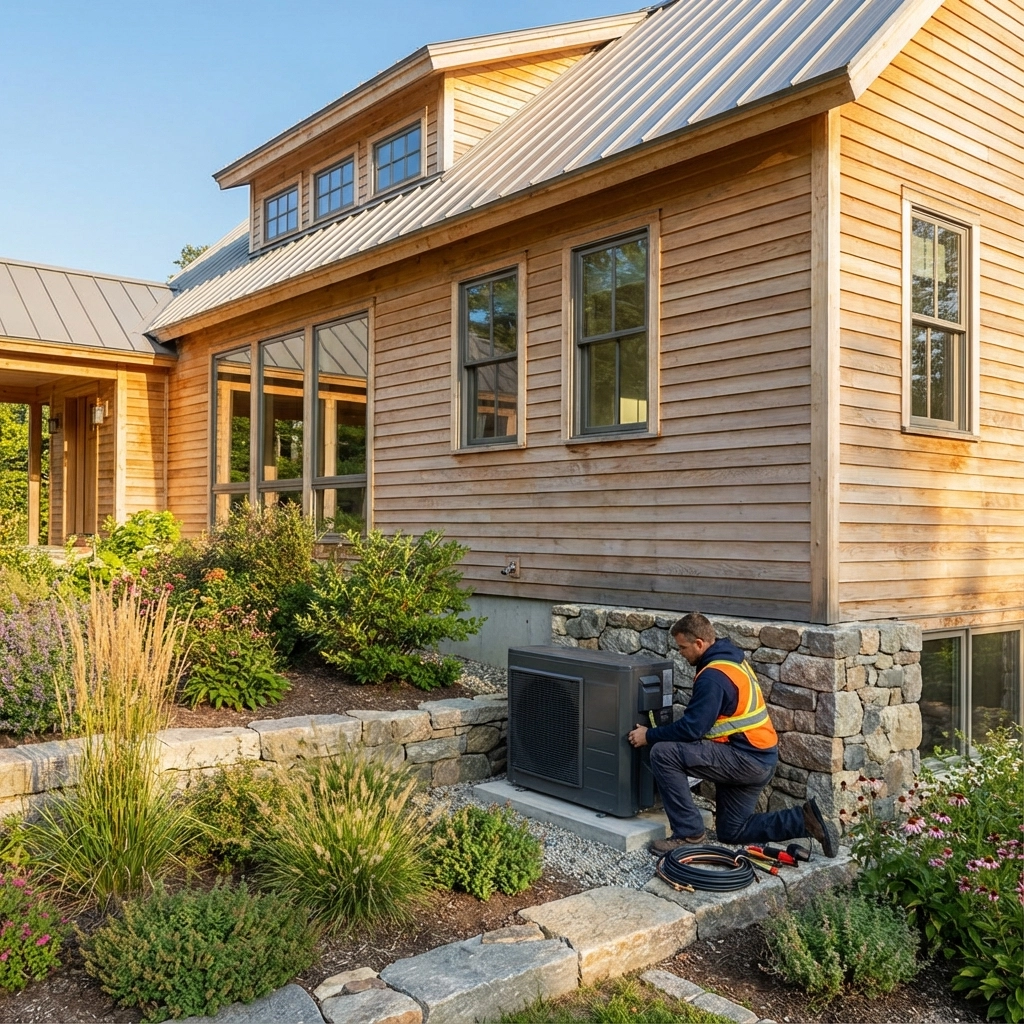
Mounting and placement: Indoor units need to be positioned for optimal air distribution, while outdoor units require proper clearances and stable mounting surfaces.
System commissioning: After installation, the entire system needs to be tested, calibrated, and fine-tuned to ensure peak performance.
Home-Specific Factors That Drive Up Costs
Every home is different, and that affects pricing significantly. Here are the main variables:
Your home's condition: Older homes often need electrical upgrades or structural modifications to accommodate mini split systems. If your electrical panel is outdated or your walls require extensive modification, costs increase.
Number of zones needed: Maine homes typically need multiple zones to handle different areas effectively. Each additional zone adds equipment and installation complexity.
Accessibility challenges: If your outdoor unit location is difficult to access or your indoor units need to go in challenging spots, labor costs increase.
Local market rates: Labor costs vary across Southern Maine. Coastal areas typically see higher installation rates than inland communities.
The Hidden Value: Why Mini Splits Actually Save Money
Here's where the conversation gets interesting. Yes, mini splits are expensive upfront, but they're designed to save you money over time – and in Maine, those savings can be substantial.
Energy Efficiency That Actually Shows Up on Your Bills
Mini splits can reduce your utility bills by up to 30% compared to traditional heating and cooling systems. Some homeowners report cooling cost savings of 50-60% during summer months. In Maine specifically, if you're currently heating with propane, you could save $416 to $582 per year by switching to mini splits.
These aren't theoretical savings – they're real reductions that show up on your monthly electric bill. Over a 10-year period, these energy savings often exceed the initial installation cost.
Durability and Longevity
Quality mini split systems are built to last 15-20 years with proper maintenance. That's significantly longer than many traditional HVAC systems, which means your cost per year of service is actually quite reasonable when you look at the big picture.
Financial Relief: Rebates and Financing Options
This is the part that many contractors don't emphasize enough, but it can dramatically reduce your out-of-pocket costs.
Efficiency Maine Rebates
Maine residents can receive rebates up to $10,000 for qualifying mini split installations. The amount depends on your income level:
Low-income households: Up to $6,000 in rebates
Moderate-income households: Up to $4,000 in rebates
Any income level: At least $2,000 in rebates
These rebates can reduce your total project cost by 20-60%, making the investment much more accessible.
Financing Makes It Manageable
Most reputable installation companies offer financing options that spread the cost over several years. Instead of paying $8,000 upfront, you might pay $200-300 per month, which is often less than the monthly savings on your energy bills.

Why Some Contractors Don't Explain These Costs Clearly
Here's the uncomfortable truth: not all electrical contractors take the time to properly educate their customers about mini split pricing. Some reasons include:
Time constraints: Properly explaining all the cost factors and long-term benefits takes time that busy contractors don't always have.
Focus on immediate sale: Some contractors focus on closing the deal rather than ensuring customer understanding.
Lack of comprehensive knowledge: Not all electricians fully understand the long-term economics of mini split systems.
Competitive pressure: In a competitive market, some contractors avoid detailed cost discussions that might give customers pause.
Making the Right Decision for Your Southern Maine Home
The key is getting all the information upfront so you can make an informed decision. Here's what we recommend:
Get detailed quotes that break down equipment, labor, and any additional work needed. Ask specifically about electrical upgrades, permits, and warranty coverage.
Factor in rebates and financing from the beginning. Don't just look at the gross price – look at your actual out-of-pocket cost and monthly payments.
Calculate long-term savings based on your current heating and cooling costs. Many homeowners find that monthly energy savings exceed their financing payments.
Choose experienced installers who can properly size and install your system for maximum efficiency and longevity.
The Bottom Line on Mini Split Costs
Mini splits are expensive because they're sophisticated, durable systems that require skilled installation. But when you factor in available rebates, long-term energy savings, and financing options, they often represent excellent value for Southern Maine homeowners.
The "secret" that some contractors don't share isn't that mini splits are overpriced – it's that the total cost of ownership is often lower than traditional heating and cooling systems when you look at the complete picture.
If you're considering a mini split installation, take the time to understand all the costs and benefits. The upfront investment is significant, but for most Maine homeowners, it's an investment that pays dividends for years to come.
Ready to get a transparent, detailed quote for your home? Contact us for a comprehensive assessment that includes all costs, available rebates, and projected savings specific to your situation.
Comments