
Maine's New Smart Grid Update: 7 Things Every Homeowner Should Know Before Hiring Electrical Companies in Maine
Maine's electrical grid is getting a major makeover, and as a homeowner, this affects how you should approach electrical projects and contractor selection. With Central Maine Power (CMP) installing hundreds of smart devices across the state and planning to double their installations by 2026, there's never been a more important time to work with electrical companies who understand these changes.
Here are seven essential things you need to know before hiring any electrical contractor in Maine's evolving smart grid landscape.
1. Understand What Maine's Smart Grid Modernization Actually Means for Your Home
Maine's electrical infrastructure is rapidly evolving. CMP has installed approximately 470 smart devices since 2023, with 250 more added in 2025 alone. These aren't just fancy gadgets, they're game-changing pieces of technology that can restore your power in as little as five minutes instead of hours.
The short answer is yes: this directly impacts your electrical projects. When these smart devices are installed in your area, they provide real-time readings to energy control centers, allowing operators to pinpoint problems and reroute electricity remotely. For homeowners, this means dramatically faster outage recovery, especially in rural areas where crews previously had to patrol large territories manually.
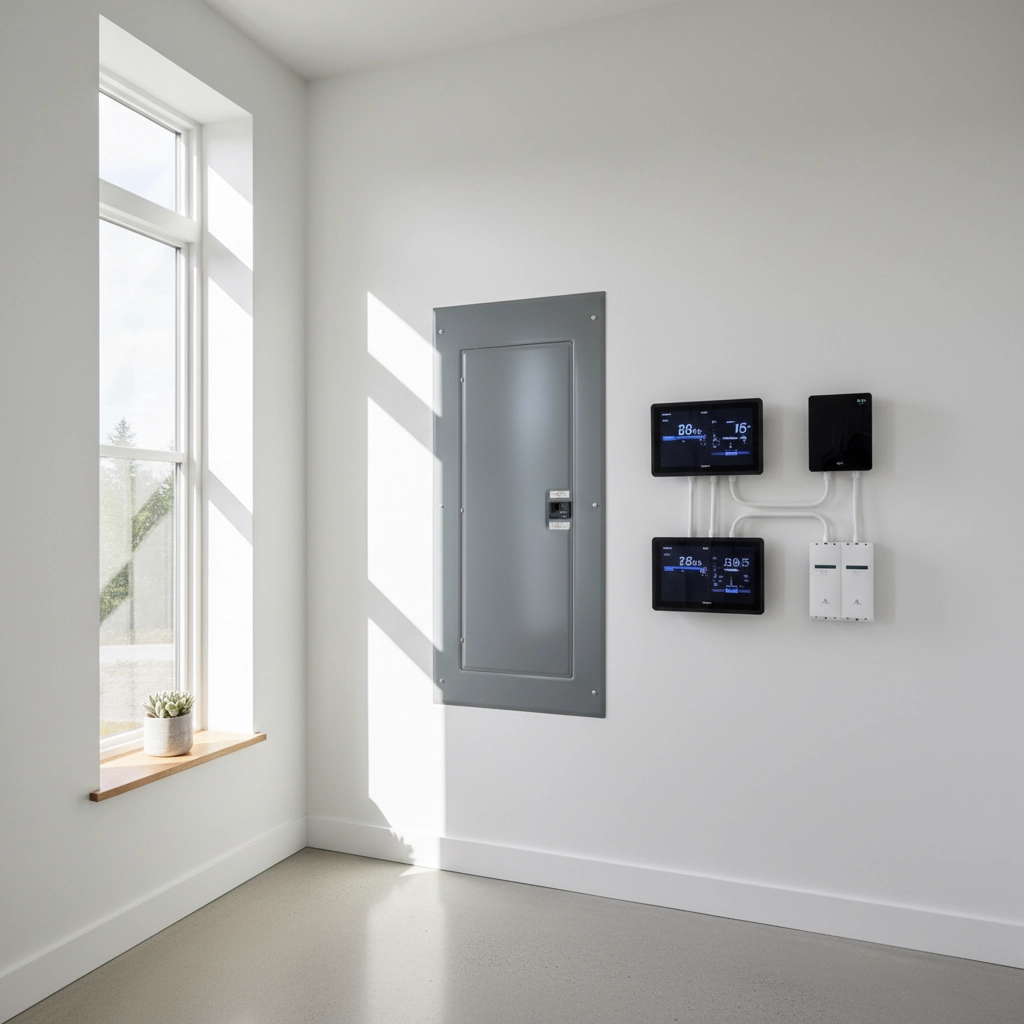
Before hiring any electrical company, ask if they understand how smart grid technology affects residential electrical systems. About one-fifth of CMP customers currently benefit from these installations, and that number is growing rapidly.
2. Choose Electrical Companies That Stay Current with Grid Technology
Not all electrical contractors keep up with utility infrastructure changes. With Avangrid (CMP's parent company) investing heavily in smart grid technology across Maine and New York, you need electricians who understand these systems.
Our team of experienced technicians at Downeast Electrical Services stays informed about these technological advances because they directly impact how we plan and execute electrical projects. When your electrical company understands smart grid integration, they can better advise you on timing, compatibility, and future-proofing your electrical systems.
Look for contractors who can explain how smart devices work and what they mean for your specific electrical needs. If they seem unfamiliar with Maine's grid modernization efforts, that's a red flag.
3. Plan Major Electrical Upgrades Around Grid Infrastructure Projects
Maine's smart grid expansion follows a strategic timeline. CMP plans to reach 500 smart devices by the end of 2026, with an additional 500 planned beyond that. This aggressive modernization schedule means electrical work should be coordinated with utility infrastructure improvements.
Here's what this means practically: If your area is scheduled for smart device installation, major electrical upgrades like service panel updates or whole-house electrical rough-in work should be timed appropriately. Working with utilities during infrastructure upgrades can be seamless and hassle-free when properly coordinated.
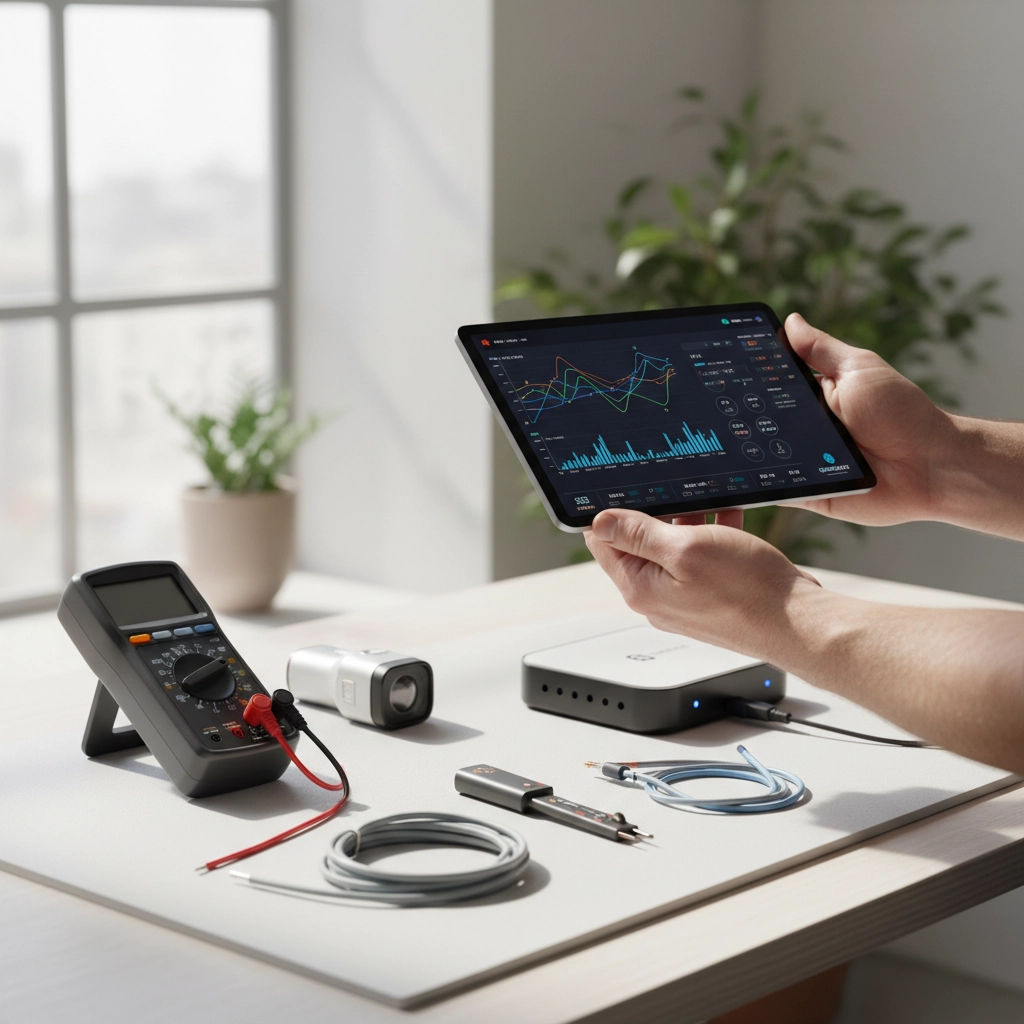
Smart electrical companies will check with CMP about planned installations in your area before scheduling major projects. This coordination prevents complications and ensures your electrical work integrates smoothly with grid improvements.
4. Ask About Smart Home and Grid Compatibility
Modern electrical systems should work harmoniously with smart grid technology. When hiring electrical contractors, specifically ask about compatibility between smart home devices, EV charger installations, and the evolving grid infrastructure.
The reality is simple: Smart grids are designed to communicate with smart home technology. Your electrical company should understand how devices like smart thermostats, energy management systems, and electric vehicle charging stations interact with CMP's new smart devices.
This isn't just about current compatibility: it's about future-proofing your investment. With ISO New England projecting an 11% increase in regional electricity use by 2034, largely driven by electrification policies, your electrical systems need to be ready for increased demand and smarter grid management.
5. Understand How Faster Outage Restoration Changes Electrical Planning
Traditional electrical planning assumed extended outages during storms and equipment failures. With smart devices reducing restoration times from hours to minutes in many cases, this changes how you should think about backup power and electrical redundancy.
Since fallen trees are CMP's number one cause of outages, customers may get their power back in minutes rather than hours. This means your electrical company should factor faster restoration into their recommendations for backup systems, mini-split installations, and critical circuit planning.
For example, if you're considering a whole-house generator, the cost-benefit analysis changes when outages are measured in minutes rather than hours. Similarly, the urgency around backup heating solutions shifts when power restoration is dramatically faster.
6. Consider Project Timing in Relation to Grid Modernization
Maine's smart grid installations are strategically placed where customer benefit is highest, but they're also coordinated around weather patterns, maintenance schedules, and infrastructure accessibility. This creates optimal windows for electrical work.
We recommend coordinating major electrical projects with CMP's modernization timeline. This isn't just about avoiding conflicts: it's about taking advantage of utility crews already working in your area and ensuring your electrical upgrades complement grid improvements.
Smart electrical companies will proactively communicate with utilities about project timing. They'll also understand that grid modernization affects everything from permitting processes to inspection schedules.
7. Future-Proof Your Electrical Systems for Continued Grid Evolution
Maine's smart grid modernization isn't a one-time upgrade: it's an ongoing evolution. With CMP planning hundreds of additional smart device installations and broader New England grid improvements on the horizon, your electrical systems should be designed for continued technological advancement.
Here's where expert guidance really matters. Forward-thinking electrical companies will design systems that can adapt to future smart grid capabilities, whether that's enhanced two-way communication, dynamic load management, or integration with renewable energy sources.

This means choosing electrical panels with expansion capacity, installing conduit systems that can accommodate future wiring needs, and selecting devices that will integrate with evolving grid technology. When you're investing in electrical upgrades, you want systems that won't become obsolete as Maine's grid continues modernizing.
Making Smart Electrical Decisions in Maine's Evolving Grid
Maine's electrical grid transformation represents a fundamental shift toward greater reliability, faster restoration, and smarter energy management. For homeowners, this creates both opportunities and considerations when planning electrical projects.
The key is working with electrical contractors who understand these changes and can help you navigate them effectively. Whether you're planning a general electrical service call or major infrastructure upgrades, the smart grid evolution should inform your decisions.
At Downeast Electrical Services, we stay current with Maine's grid modernization because it directly impacts how we serve our customers. From consultation services that factor in smart grid compatibility to installations that future-proof your electrical systems, we're here to help you make informed decisions in Maine's evolving electrical landscape.
Contact us for expert guidance on electrical projects that work seamlessly with Maine's smart grid infrastructure. We're here to ensure your electrical investments are smart, reliable, and ready for the future.
Comments