
Maine's New 2025 Energy Codes: 7 Things Every Homeowner Should Know Before Hiring Electrical Companies in Maine
If you're planning any electrical work in Maine, you need to know about the game-changing energy codes that took effect on April 7, 2025. These aren't just minor tweaks – we're talking about a major update from the 2015 standards to the 2021 International Energy Conservation Code (IECC). Whether you're installing an EV charger, upgrading your electrical panel, or wiring a new addition, these codes will impact your project in ways you might not expect.
Don't worry – we're here to break it all down for you in plain English. Here are the seven essential things every Maine homeowner needs to understand before starting their next electrical project.
1. Your Electrical Panel Upgrade Just Got More Complicated (But More Valuable)
The new codes don't just focus on insulation – they have serious implications for your electrical system. When you upgrade your electrical panel to meet modern demands (hello, EV chargers and heat pumps!), you'll now need to ensure your entire home's energy efficiency meets 2021 standards.
This means if you're doing a service upgrade, your electrician will need to coordinate with other contractors to verify that your home's building envelope meets the new R-30 wall insulation requirements and enhanced ventilation standards. The good news? This coordination ensures your electrical upgrades work hand-in-hand with your home's overall energy efficiency.
2. Permitting Just Got Stricter – And That's Actually Great News
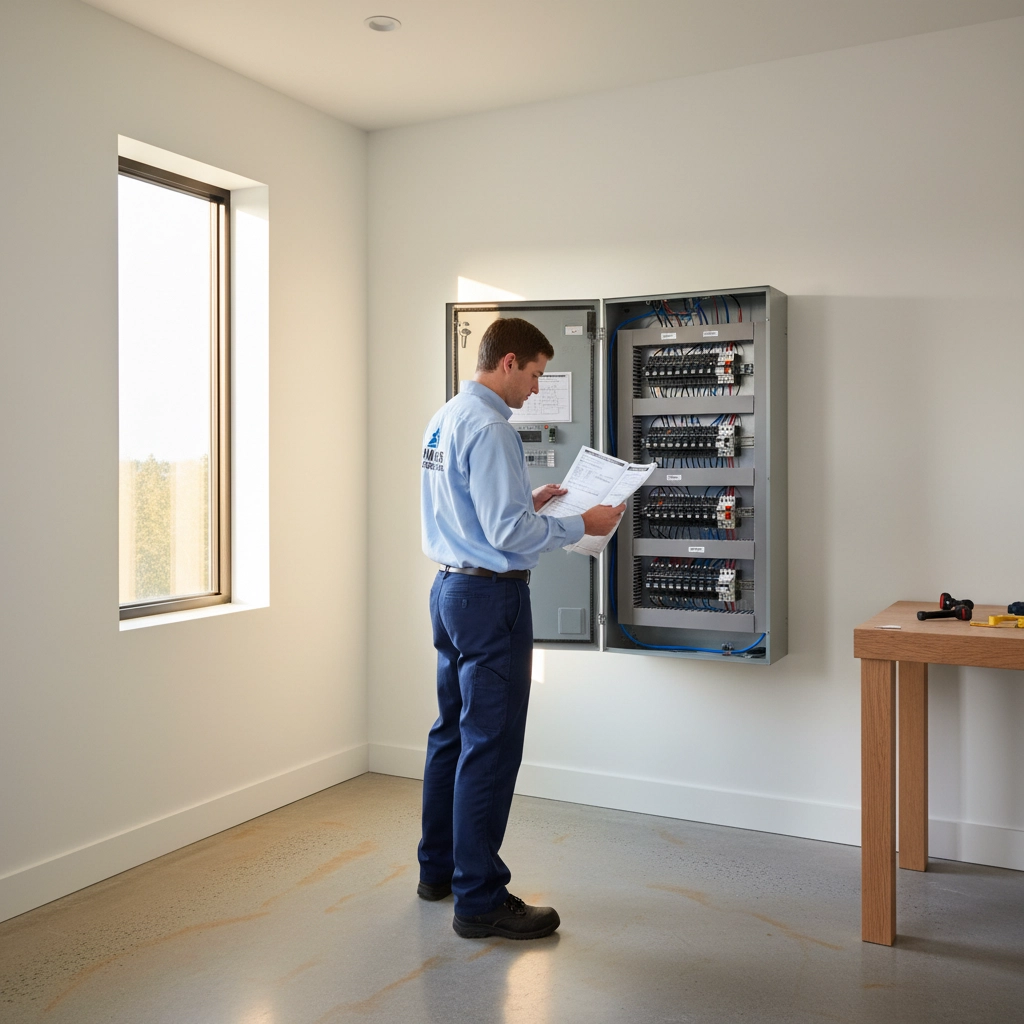
Under the new codes, permitting requirements are more detailed than ever. If you live in a municipality with over 4,000 residents, your local code enforcement is now required to verify compliance with these updated standards.
This might sound like red tape, but here's why it's fantastic for you: proper permitting ensures your electrical work is done right the first time, protects your investment, and can actually save you money on insurance. When you work with licensed electrical companies who understand these new requirements, you're getting peace of mind that your project won't face costly delays or compliance issues down the road.
3. EV Charger Installation Now Requires Whole-Home Energy Planning
Planning to install an EV charger? The new energy codes mean your EV charger installation isn't just about running a 240V line to your garage anymore. Electricians now need to consider how your charging habits fit into your home's overall energy profile.
The 2021 IECC emphasizes energy efficiency across all systems, which means smart EV charging solutions that integrate with your home's energy management are becoming the standard. This actually works in your favor – you'll see better energy savings and potentially qualify for more rebates when your EV charger is part of a comprehensively planned electrical system.
4. Heat Pump and Mini-Split Requirements Are Now Tied to Electrical Codes
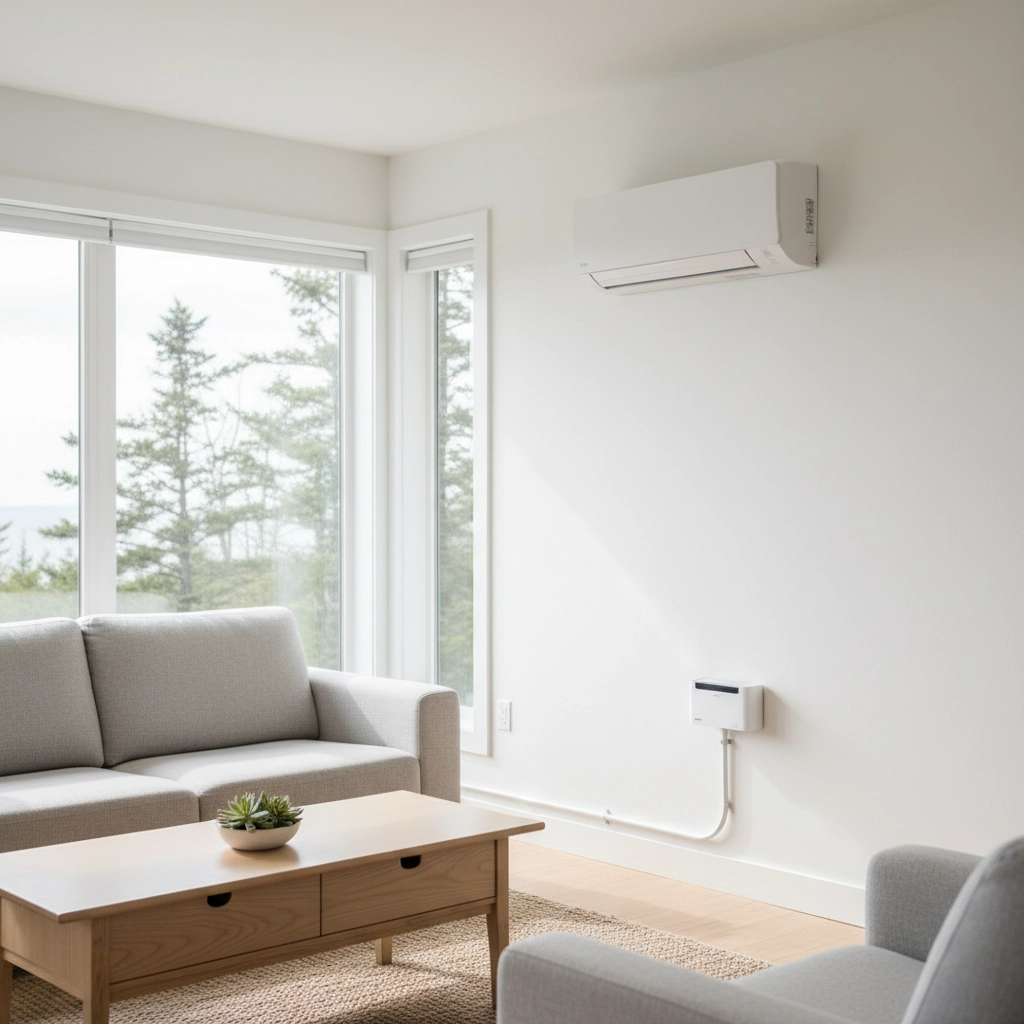
If you're considering ductless mini-split systems, the new codes create exciting opportunities. The enhanced ventilation requirements actually make heat pumps and mini-splits more attractive than ever, since they can help you meet both heating efficiency and air quality standards simultaneously.
Your electrician will need to work closely with HVAC contractors to ensure proper electrical supply for these systems while meeting the new building envelope requirements. This coordination might add some complexity to the project timeline, but the result is a more efficient, healthier home that can save you nearly $1,000 annually on utility bills.
5. Your Local Municipality Makes All the Difference
Here's something many homeowners don't realize: the enforcement of these new codes depends entirely on where you live. Municipalities with populations over 4,000 must enforce the updated standards, while smaller communities can choose whether to adopt them.
Before you hire any electrical company, find out your local enforcement requirements. Some areas may also adopt optional "stretch codes" that set even higher standards. A knowledgeable electrical contractor will already know your local requirements and can guide you through what compliance looks like in your specific area.
6. The Financial Payoff Is Real – But Timing Matters
According to federal Department of Energy studies, upgrading to meet the 2021 codes is genuinely cost-effective. We're talking about 23.5% energy savings compared to the old 2015 standards – that's potentially $978 in annual utility bill savings that pays for itself in about four years.
However, timing your electrical projects strategically can maximize these benefits. If you're planning multiple home improvements, coordinating your electrical work with insulation, windows, or HVAC upgrades can help you achieve the full energy savings potential while potentially qualifying for additional rebates and incentives.

7. DIY Electrical Work Is Now Riskier Than Ever
We get it – everyone wants to save money. But with the new 2021 codes, the stakes for electrical work have never been higher. The interconnected nature of modern energy efficiency requirements means that a seemingly simple electrical project can have complicated code implications.
What used to be a straightforward outlet installation might now require verification that your home's overall energy performance isn't compromised. This isn't about making things difficult – it's about ensuring your electrical work contributes to a safer, more efficient home. Working with experienced, licensed electrical companies isn't just recommended anymore; it's essential for compliance and safety.
What This Means for Your Next Project
When you're ready to start your electrical project, make sure you're working with contractors who understand these new requirements inside and out. At Downeast Electrical Services, we've been helping Maine homeowners navigate these changes since day one. Our team stays up-to-date on all local code requirements and works seamlessly with other contractors to ensure your project meets all the new standards.
Whether you need a consultation to understand how these codes affect your specific project, or you're ready to schedule residential electrical work, we're here to make the process as smooth as possible.
The new codes might seem overwhelming at first, but they're actually a great opportunity to create a more efficient, comfortable home. And with the right electrical partner, navigating these requirements doesn't have to be stressful at all.
Ready to start planning your next electrical project with the new codes in mind? Contact us for expert guidance that keeps your project on track and your home up to code.
Comments