
Maine's New 2025 Building Codes: 7 Things Every Homeowner Should Know Before Hiring Electricians
If you're planning any electrical work in Southern Maine this year, there's important news you need to know. Maine's updated building codes took effect on April 7, 2025, marking the first major code update since 2015. These changes affect every electrical project, from simple upgrades to major renovations.
We're here to break down exactly what these new codes mean for you as a homeowner and why understanding them before you hire an electrician can save you time, money, and potential headaches down the road.
1. The April 7th Deadline Changed Everything
Any building permit application submitted on or after April 7, 2025, must comply with Maine's new Uniform Building and Energy Code (MUBEC). This isn't just a minor update – we're talking about the state's first comprehensive code revision in a decade.
What this means for you: If your electrician pulls a permit after this date, they must follow the updated 2023 National Electrical Code (NFPA 70) along with the 2021 International Residential Code. Make sure your electrical contractor is up to speed on these requirements before work begins.
The good news? These updates bring Maine in line with modern safety standards and energy efficiency practices that will benefit your home for years to come.
2. Energy Efficiency Requirements Have Major Electrical Implications
One of the biggest changes involves more stringent insulation and weatherization requirements in walls and floors. You might wonder, "What does insulation have to do with my electrical work?"
Here's the connection: When your electrician runs new wiring or upgrades your electrical panel, they need to coordinate carefully with these enhanced insulation standards. Poor coordination can lead to thermal bridging, compressed insulation, or even code violations.
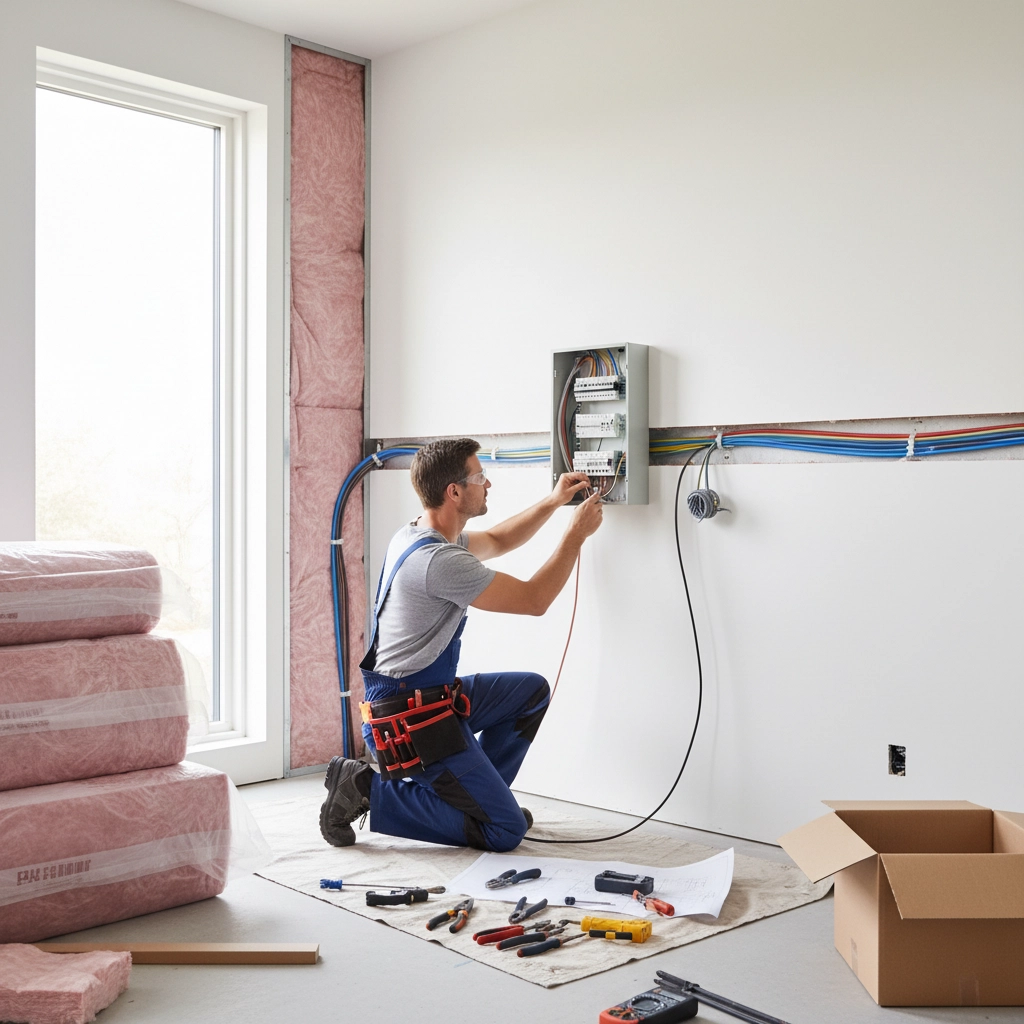
The benefits are real – homeowners can expect estimated annual utility bill savings of $978 in the first year from these improved energy efficiency standards. Your electrician should be planning their work to support, not hinder, these energy savings.
3. Not All Maine Towns Enforce the Same Standards
This one might surprise you. While municipalities with populations over 4,000 residents must enforce MUBEC, smaller towns can choose whether to adopt these standards or stick with their existing codes.
Before hiring an electrician, verify with your local code enforcement office which standards apply in your area. An experienced electrical contractor should know this already, but it's worth double-checking to avoid any surprises during inspection.
In Southern Maine, most communities are required to enforce the updated codes, but rural areas might have different requirements. Don't assume – always confirm.
4. Your Electrician Should Be Getting Ongoing Training
The state is offering specialized training through the State Fire Marshal's Office to help contractors understand these new requirements. This isn't optional education – it's essential for proper compliance.
When interviewing electricians for your project, ask about their familiarity with the 2025 code updates and whether they've participated in state training programs. A contractor who's proactive about education is more likely to handle your project correctly the first time.
At Downeast Electrical Services, we make sure our team stays current with all code changes because we know how important it is for your project's success and your family's safety.
5. Electrical Panel Upgrades Now Have Additional Considerations
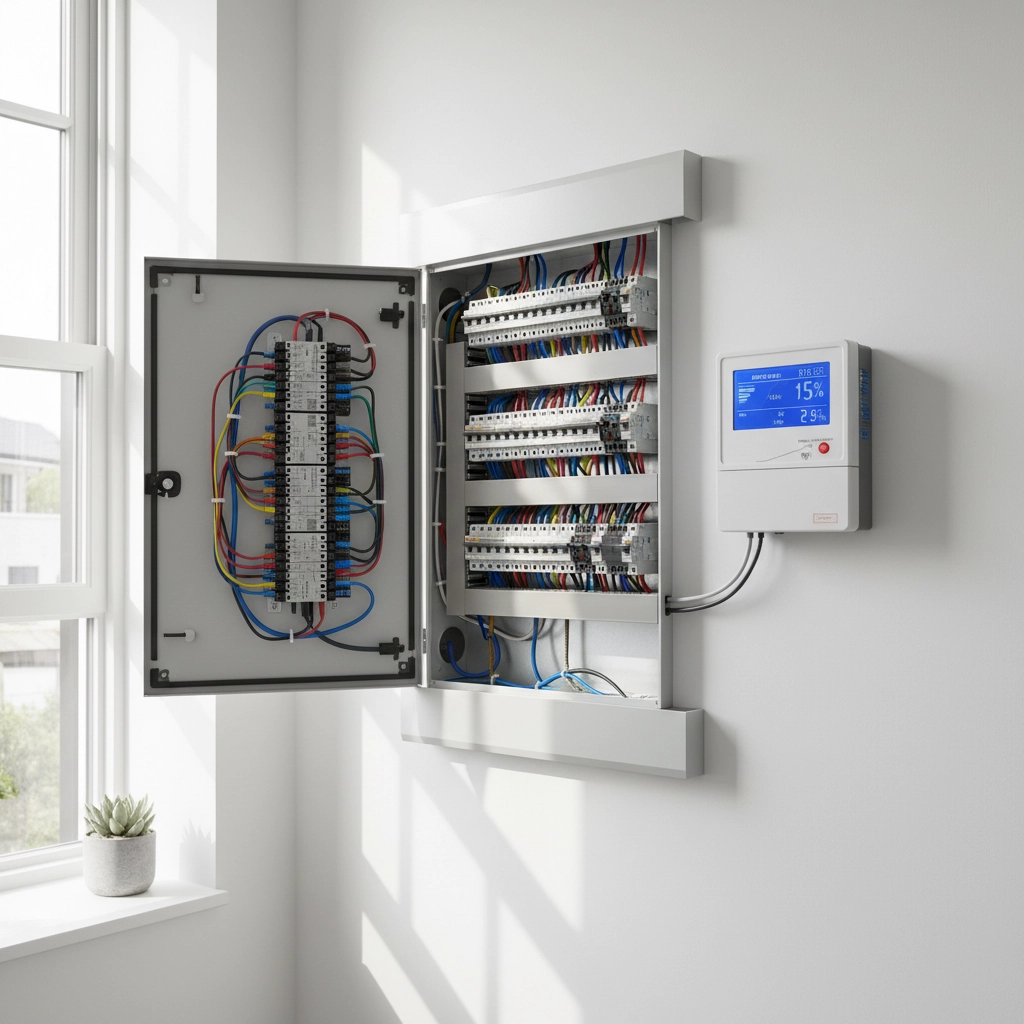
The updated codes don't just affect new construction – they also impact electrical upgrades in existing homes. If you're planning a service upgrade or panel replacement, your electrician needs to consider how these improvements will work with the home's overall energy efficiency.
For example, if you're adding circuits for new appliances or an EV charger, the electrical work should align with any planned insulation or weatherization improvements. This coordination prevents costly rework later and ensures you get the maximum benefit from both upgrades.
6. Permitting and Inspection Processes May Take Longer
With new codes come new learning curves for both contractors and code enforcement officials. Plan for potentially longer permit processing times and more detailed inspections as everyone adapts to the updated requirements.
Your electrician should factor this timeline into their project planning. A good contractor will:
Submit complete, code-compliant permit applications
Schedule inspections appropriately
Be prepared to explain their work to inspectors who may be learning the new codes too
Don't let timeline concerns push you toward choosing a contractor who promises to skip permits or rush the process. Proper permitting protects both you and your investment.
7. The 2023 National Electrical Code Brings Important Safety Updates
While the broader building code updates get most of the attention, the electrical code changes are just as significant. The 2023 National Electrical Code includes updated requirements for:
Arc-fault circuit interrupter (AFCI) protection
Ground-fault circuit interrupter (GFCI) requirements
Electric vehicle charging circuits
Energy storage systems
Smart home technology integration
These aren't just bureaucratic changes – they represent real advances in electrical safety and functionality. An electrician who understands these updates can help you plan electrical improvements that will serve your family well into the future.
Making Sure Your Project Stays on Track
The key to navigating these new codes successfully is working with an electrical contractor who's committed to staying current with regulations and best practices. Look for contractors who:
Can explain how the code changes affect your specific project
Have participated in continuing education programs
Work closely with local code enforcement offices
Provide detailed estimates that account for code compliance
Remember, these code updates exist for good reasons – they make homes safer, more efficient, and more valuable. While they might add some complexity to your electrical project, they're ultimately designed to benefit you as a homeowner.
Your Next Steps
If you're planning electrical work in Southern Maine, don't let code compliance become an afterthought. The smart approach is to work with experienced professionals who understand both the technical requirements and the practical implications of Maine's updated building codes.
At Downeast Electrical Services, we've made it our priority to understand these new requirements thoroughly so we can guide our customers through the process smoothly. Whether you're planning a simple device swap, a major service upgrade, or EV charger installation, we're here to ensure your project meets all current codes while delivering the functionality and safety you expect.
The bottom line? Maine's 2025 building code updates represent a significant step forward for home safety and energy efficiency. By understanding what's changed and working with knowledgeable professionals, you can ensure your electrical projects contribute to a safer, more efficient, and more valuable home.
Questions about how these code changes might affect your upcoming electrical project? We're here to provide expert guidance and help you navigate these updates with confidence.
Comments