
Looking for Maine Electricians? Here Are 10 Things You Should Know About the Worker Shortage Crisis
If you're trying to find a reliable electrician in Maine right now, you're probably noticing something: it's gotten a lot harder. The Pine Tree State is dealing with a serious electrician shortage that's affecting everything from simple outlet installations to major home upgrades. Here's what you need to know to navigate this challenging landscape and still get quality electrical work done.
1. The Shortage Is Real – And It's Hitting Maine Hard
Maine has lost approximately 100 electrician jobs due to canceled renewable energy contracts, and apprenticeship applications have dropped by a staggering 40%. This isn't just industry talk – it's directly impacting how quickly you can get electrical work scheduled. What used to be a two-week wait for routine electrical services might now stretch to several months, especially during peak seasons.
The ripple effect means that even simple projects like installing new outlets or updating light fixtures are taking longer to schedule. Understanding this reality upfront helps you plan better and avoid last-minute electrical emergencies.
2. Maine's Licensing Requirements Are Stricter Than You Think
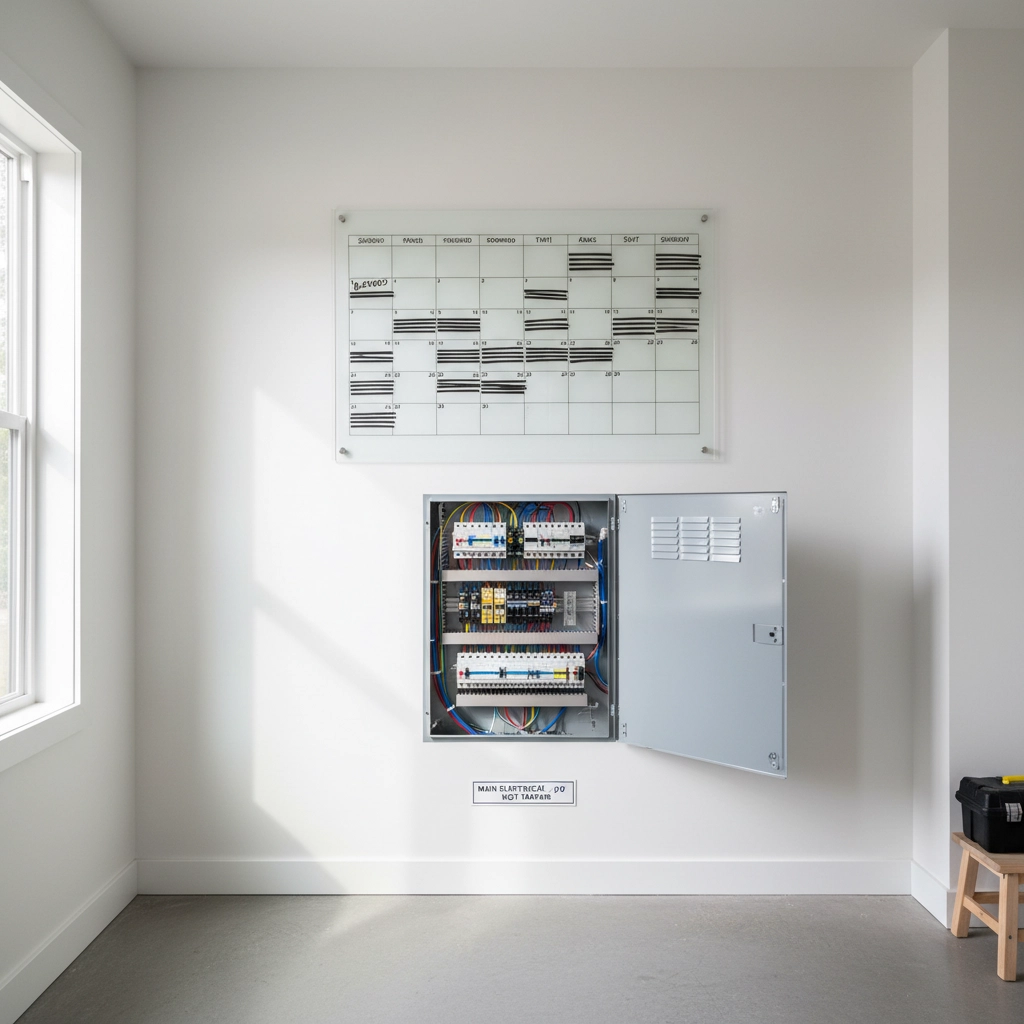
Here's something many homeowners don't realize: Maine has one of the most complex electrical licensing systems in the country. There are six different types of electrical licenses plus eight limited licenses, and some require up to 8,000 hours of experience and nearly 600 hours of classroom instruction.
Even experienced electricians from other states can't just start working in Maine. The state only has reciprocity agreements with a handful of states – New Hampshire and Vermont for master electricians, and just six states total for journeyman level work. This means that experienced electrician from Massachusetts or New York might have to jump through significant hoops to work legally in Maine.
When hiring an electrician, always verify their Maine license. A legitimate professional will be happy to show you their credentials and explain their qualifications.
3. Book Early – Like, Really Early
With fewer available electricians and growing demand, scheduling has become a major challenge. Smart homeowners are booking electrical work months in advance, especially for larger projects like service upgrades or EV charger installations.
If you're planning any electrical work, don't wait until you urgently need it. Start calling electricians as soon as you know you'll need services. Even emergency calls are taking longer to address due to the shortage.
4. Expect Higher Costs – But Understand Why
The basic economics of supply and demand mean electrical services cost more when there are fewer electricians available. Nationally, electricians are earning between $65,000 and $130,000+ annually, and many companies are offering signing bonuses of $5,000 to $15,000 just to attract workers.
These higher labor costs get passed on to consumers, but remember – you're paying for expertise that's increasingly valuable. Quality electrical work protects your home's safety and can prevent costly problems down the road. When comparing quotes, don't automatically go with the cheapest option. Instead, consider the electrician's credentials, reviews, and timeline.
5. Look for Companies with Strong Scheduling Systems
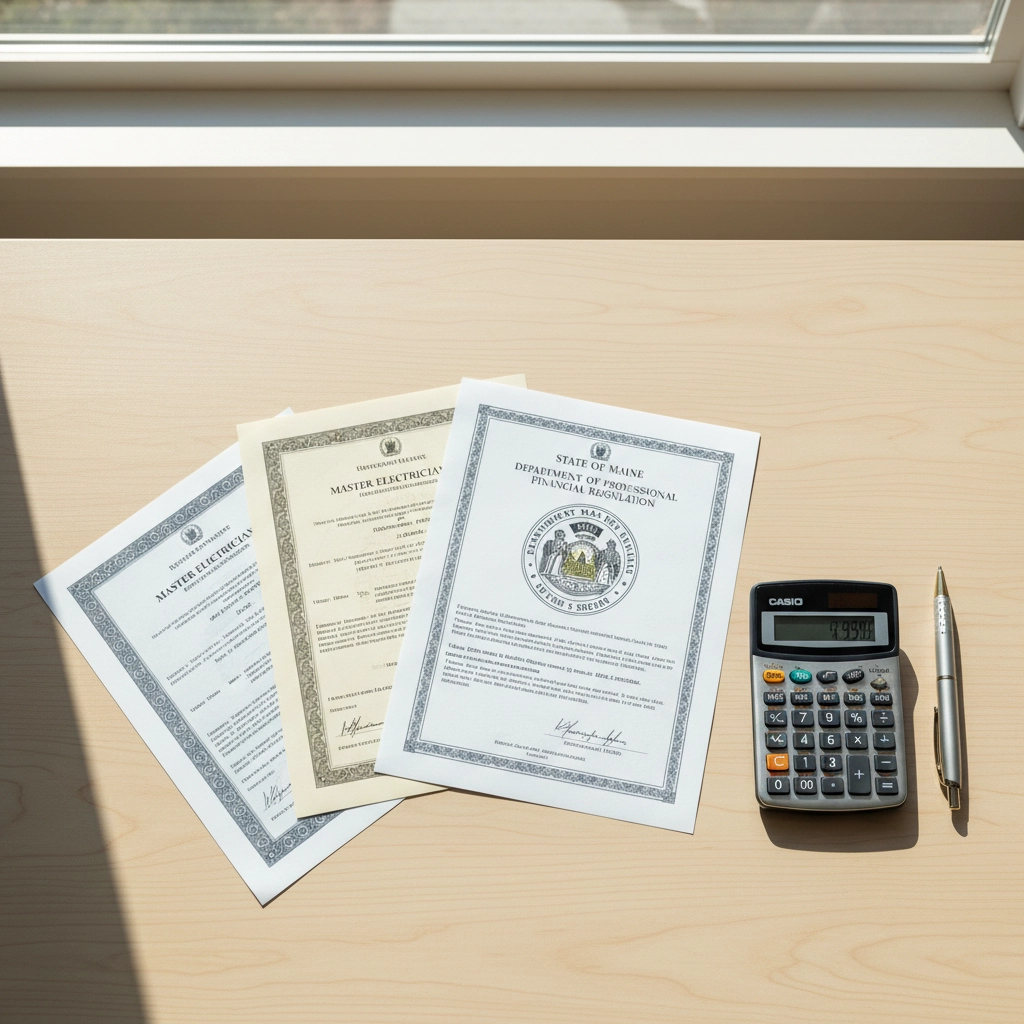
The shortage has separated the organized electrical companies from the chaotic ones. Companies that have invested in good scheduling systems, clear communication, and efficient project management are handling the shortage much better than those flying by the seat of their pants.
When calling electricians, pay attention to how they handle your initial inquiry. Do they return calls promptly? Can they give you realistic timelines? Do they seem organized about scheduling? These are good indicators of how your actual project will go.
6. Verify Insurance and Proper Credentials Thoroughly
With the shortage, some unqualified individuals might try to take advantage of desperate homeowners. Always verify that any electrician you hire has:
Current Maine electrical license
Proper liability insurance
Workers' compensation coverage
Good standing with the Better Business Bureau
Recent, verifiable references
Don't cut corners on verification just because you're eager to get work done. Hiring an unqualified "electrician" can result in dangerous work, code violations, and insurance problems if something goes wrong.
7. Understand Maine's Renewable Energy Push Creates Opportunities
Despite current challenges, Maine has committed to achieving 90% renewable energy by 2040. This means significant electrical infrastructure work is coming, including solar installations, heat pump systems, and EV charging infrastructure.
If you're planning upgrades like ductless mini-split systems or EV chargers, you're part of this larger trend. Some electricians are specializing in these growing areas, so it's worth asking about their experience with renewable energy systems when you call.

8. Ask About Specializations and Equipment
Not all electricians handle every type of electrical work. The shortage means many are focusing on their strongest skill areas rather than taking on unfamiliar projects. When calling for quotes, be specific about your project and ask about their experience with similar work.
For example, if you need an EV charger installed, ask how many they've installed recently. If you're planning a major service upgrade, ask about their experience with residential service panels. Specialized experience often means faster, more reliable work.
9. Consider Bundling Projects Together
Since getting an electrician to your home is harder now, consider bundling multiple electrical projects together. If you need new outlets installed and you've been thinking about upgrading your electrical panel, doing both projects at the same time can be more efficient for both you and the electrician.
Make a list of all the electrical work you might need over the next year or two. Even small items like device swaps or additional outlets can be efficiently handled when an electrician is already at your home for a larger project.
10. Build a Relationship with a Reliable Electrical Company
The electrician shortage isn't going away quickly. Industry experts project continued high demand, especially as Maine works toward its renewable energy goals. Your best strategy is to find a reputable electrical company and build an ongoing relationship with them.
When you find an electrician who does good work, communicates well, and shows up when promised, stick with them. Regular customers often get priority scheduling, and established relationships make future electrical work much smoother.

Moving Forward Despite the Shortage
The electrician shortage in Maine is challenging, but it's not insurmountable. Smart planning, realistic expectations, and choosing the right electrical partner can help you navigate this difficult landscape successfully.
Remember that quality electrical work is an investment in your home's safety, efficiency, and value. While the shortage might mean waiting longer and paying more, the most important thing is getting the work done safely and correctly.
If you're dealing with electrical issues or planning upgrades, don't delay in reaching out to qualified professionals. The shortage means that procrastination will only make scheduling more difficult. Start your search early, verify credentials carefully, and be prepared to be flexible with timing.
Need help with your electrical project? Our team at Downeast Electrical Services understands the current challenges Maine homeowners face and works hard to provide reliable, professional service even during these demanding times. Contact us to discuss your electrical needs and realistic timelines for your project.
Comments