
Why Do Mini-Split Systems Cost So Much to Install in 2026? 7 Hidden Factors Southern Maine Electric Experts Finally Reveal
If you've been shopping around for a mini-split system in Southern Maine, you've probably experienced some serious sticker shock. You're not alone, homeowners across York, Cumberland, and Sagadahoc counties are asking the same question: why do mini-split systems cost so much to install?
The short answer is yes, mini-splits are expensive, but there are specific reasons why. As Southern Maine electric experts, we've installed hundreds of these systems and we're here to pull back the curtain on what's really driving these costs in 2026.
H2: The Real Truth About Mini-Split Installation Costs
Here's what most contractors won't tell you upfront: mini-split installation isn't just about hanging a unit on your wall. It's a complex process that involves multiple skilled trades, specialized equipment, and careful planning: especially in Maine's unique climate conditions.
The average homeowner in Southern Maine can expect to pay anywhere from $3,500 to $15,000 for a complete mini-split installation, depending on several factors we'll break down below.
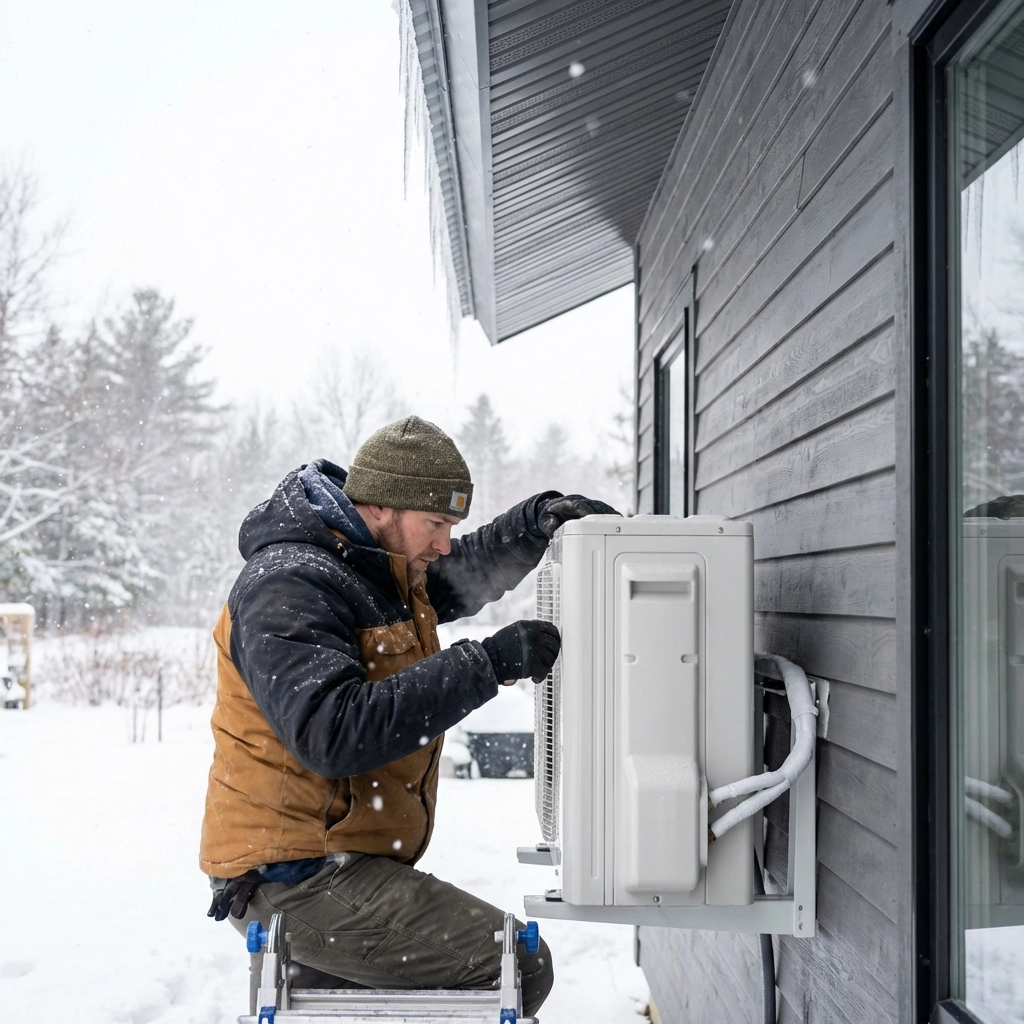
H2: Hidden Factor #1 - Southern Maine's Harsh Weather Conditions
H3: Why Maine Weather Makes Installation More Expensive
Living in Southern Maine means dealing with temperature swings that can go from -10°F in January to 90°F in July. This extreme climate puts unique demands on mini-split systems that contractors in milder climates don't face.
Our installers need to:
Use cold-climate rated equipment that costs 20-30% more than standard units
Install additional weatherproofing and insulation around refrigerant lines
Account for snow load and ice damage protection
Ensure proper drainage systems that won't freeze
These weather-specific requirements add significant material and labor costs that you won't find in warmer regions.
H2: Hidden Factor #2 - The Labor Complexity Nobody Talks About
H3: Why Mini-Split Installation Requires Multiple Skills
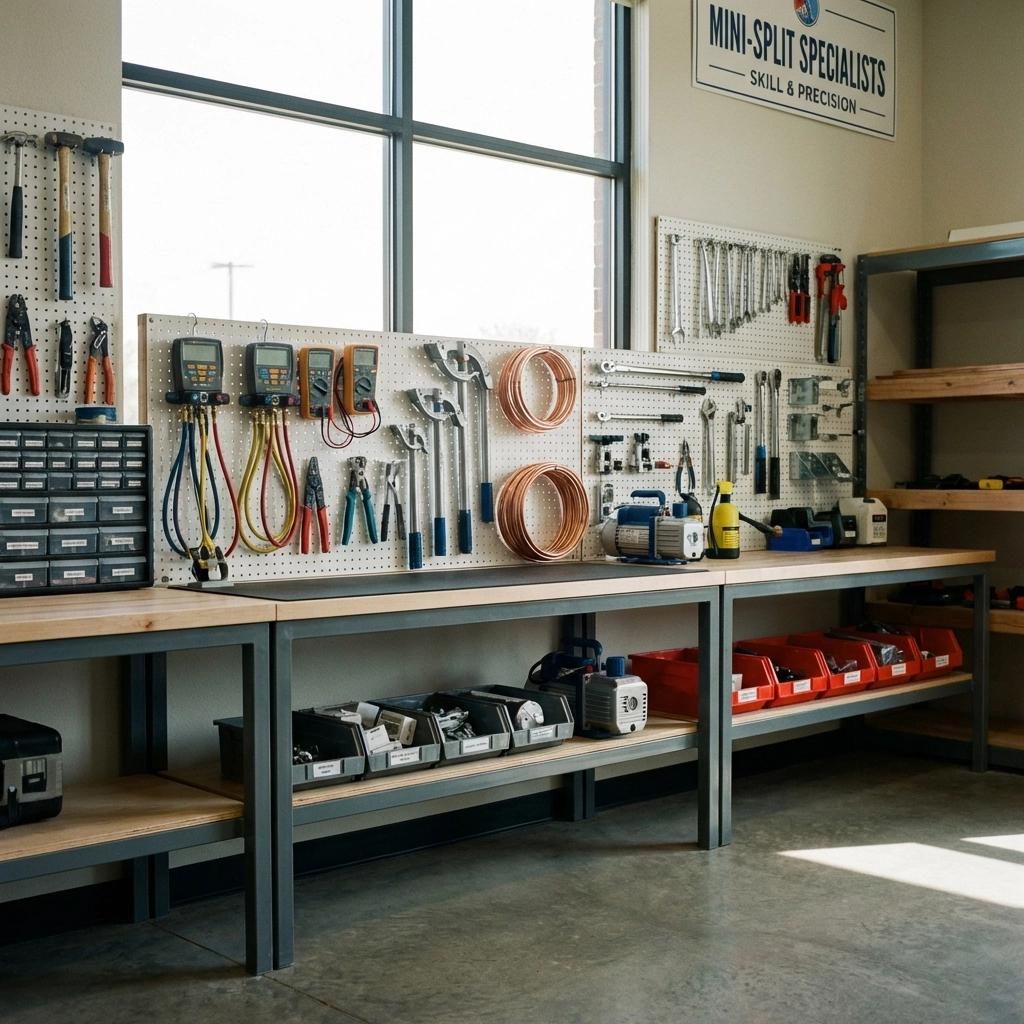
Unlike a simple outlet replacement, mini-split installation requires expertise across multiple trades. A proper installation involves:
Electrical work: Running new circuits, upgrading panels, and ensuring proper grounding HVAC expertise: Understanding refrigerant systems, load calculations, and airflow Carpentry skills: Creating pathways for lines, mounting brackets securely Permit knowledge: Navigating local codes and inspection requirements
In Southern Maine, labor costs range from $500 to $3,000 depending on system complexity. Single-zone wall-mounted units are on the lower end, while multi-zone ceiling-mounted systems require significantly more skilled work and time.
H2: Hidden Factor #3 - System Size and BTU Requirements Drive Costs Exponentially
H3: How Maine's Climate Affects Sizing Calculations
Here's where many homeowners get surprised. A 6,000 BTU mini-split might cost $3,500 installed, but a 48,000 BTU system can run $12,000-$15,000. Why such a huge jump?
Larger systems require:
More expensive outdoor units with higher-grade compressors
Thicker refrigerant lines that cost more and are harder to install
Upgraded electrical service (often requiring panel upgrades)
More complex mounting systems and structural support
In Southern Maine's climate, most homes need larger capacity systems than you'd expect. Our cold winters mean your heat pump needs to work harder, requiring higher BTU ratings than similar homes in moderate climates.
H2: Hidden Factor #4 - The Multi-Zone Cost Multiplication Effect
H3: Why Each Additional Zone Isn't Just "Adding Another Unit"
Many homeowners think adding zones is simply about buying more indoor units. That's not how it works. Each additional zone requires:
Separate refrigerant line runs (can cost $200-$500 per run)
Individual electrical circuits
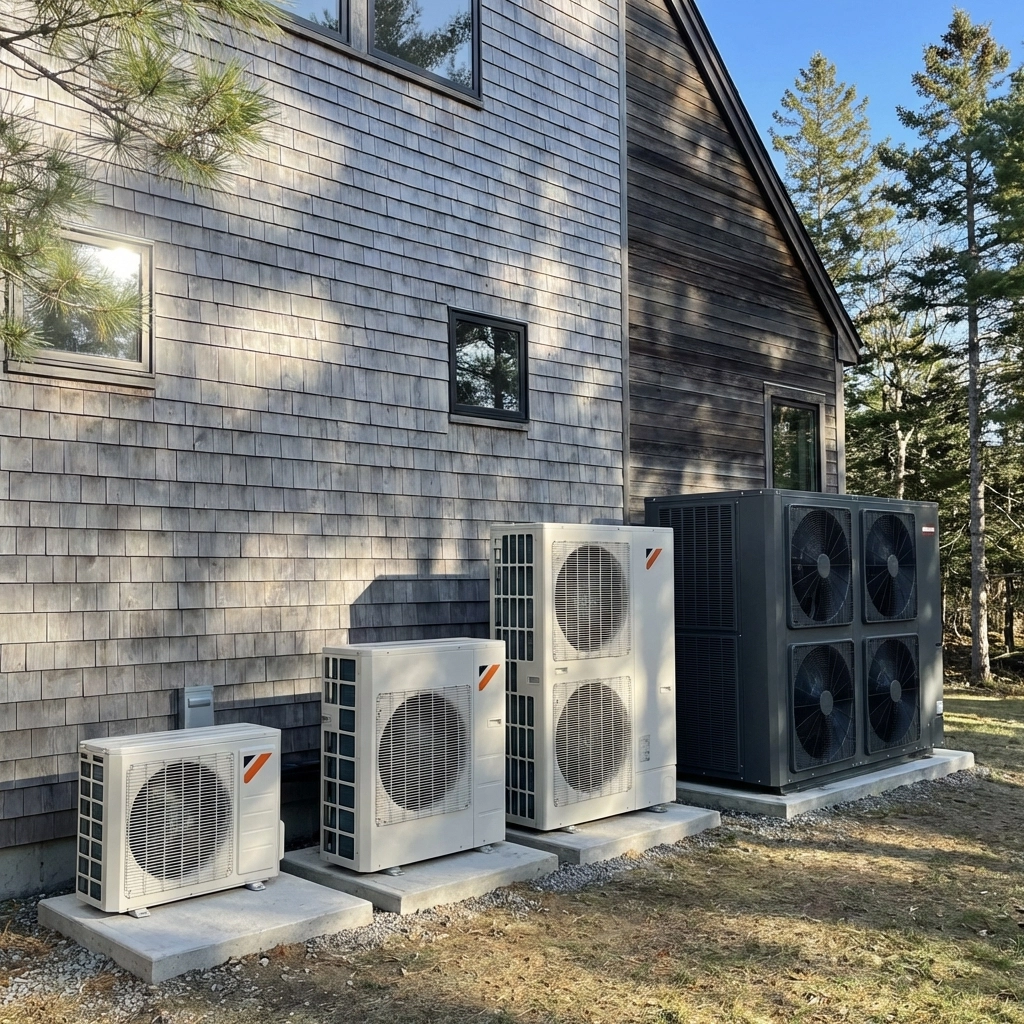
More complex outdoor unit with multiple connections
Additional mounting hardware and installation time
A single-zone system might cost $3,500, but a 5-zone system jumps to $8,000-$12,000. It's not linear pricing: it's exponential.
H2: Hidden Factor #5 - Local Market Conditions and Permit Requirements
H3: Southern Maine's Unique Installation Challenges
Every region has its quirks, but Southern Maine presents some specific cost drivers:
Permit costs: Range from $250-$400 per installation Local code requirements: Often more stringent than state minimums Seasonal labor shortages: High demand in spring/fall drives up rates Travel time: Rural properties add transportation costs
We've seen permit requirements vary significantly between Portland, Biddeford, and smaller coastal towns. Some municipalities require additional inspections that add both time and cost to installations.
H2: Hidden Factor #6 - Extended Line Runs and Installation Complexity
H3: Why Distance Costs More Than You Think
Standard mini-split installations include about 15 feet of refrigerant lines. Anything beyond that adds significant cost because:
Longer line sets cost more ($50-$100 per additional foot)
Require larger refrigerant charges
Need additional support brackets and protection
May require line set splicing (adding complexity and cost)
In Southern Maine's older homes, we often encounter:
Challenging routing through finished spaces
Need to work around existing systems
Structural obstacles requiring creative solutions
Historic home preservation requirements
H2: Hidden Factor #7 - Brand Selection and System Type Impact
H3: The Real Difference Between Budget and Premium Options
Not all mini-splits are created equal, especially for Maine's climate. Here's what drives the price differences:
Budget brands (GREE, Pioneer): $2,500-$4,000 installed
Basic features, standard efficiency
Limited cold-weather performance
Shorter warranties
Mid-range options (Fujitsu, LG): $4,000-$7,000 installed
Better cold-climate performance
Enhanced features and controls
Longer warranties
Premium systems (Mitsubishi, Carrier): $6,000-$12,000+ installed
Excellent cold-climate operation
Advanced controls and zoning
Extended warranties and better support
For Southern Maine homes, we typically recommend mid-range or premium options. The upfront cost is higher, but the reliability in our harsh climate pays off.

H2: Making Mini-Split Installation More Affordable
H3: Smart Strategies for Southern Maine Homeowners
While mini-splits aren't cheap, there are ways to manage costs:
Timing matters: Spring and fall installations often cost less due to lower demand Consider phased installations: Start with priority zones, add others later Look for rebates: Efficiency Maine offers rebates up to $1,200 Get multiple quotes: Prices can vary significantly between contractors Don't go too cheap: Low-bid installations often lead to problems and additional costs
H2: Why Professional Installation Matters More in Maine
Here's the bottom line: mini-split installation in Southern Maine isn't a DIY project. Our climate demands proper installation to ensure:
Reliable operation in sub-zero temperatures
Proper drainage that won't cause ice damage
Electrical safety in wet coastal conditions
Compliance with local codes and warranties
At Downeast Electrical Services, we've seen too many "bargain" installations that end up costing homeowners thousands in repairs and energy waste. Quality installation pays for itself in reliability and efficiency.
The high cost of mini-split installation reflects the complexity, expertise, and climate-specific requirements of Southern Maine. While the upfront investment is significant, a properly installed system will provide years of efficient heating and cooling.
Ready to explore mini-split options for your Southern Maine home? Contact us for a detailed assessment and transparent pricing. We believe in educating our customers so you can make the best decision for your home and budget.
Comments