
Why Do Mini-Split Systems Cost So Much to Install? 7 Hidden Factors Southern Maine Electric Experts Finally Reveal
- Dec 23, 2025
- 5 min read
If you've been shopping for a mini-split system in Southern Maine, you've probably experienced some serious sticker shock. One minute you're excited about efficient heating and cooling, the next you're wondering why installation quotes are hitting $5,000, $7,000, or even $10,000. Don't worry, you're not alone in this frustration.
After working with hundreds of homeowners across Saco, Biddeford, Kennebunk, and the surrounding areas, we've seen the surprise on people's faces when they get their first mini-split installation estimate. The good news? Once you understand what's really driving these costs, you can make smarter decisions and potentially save thousands.
Here are the seven hidden factors that most electrical companies don't explain upfront, but should.
1. Your Home's Electrical System Probably Needs an Upgrade
Here's something most homeowners don't realize: that shiny new mini-split system might require serious electrical work before it can even be installed. We recently worked with a family in Kennebunk whose 1960s home had a 100-amp panel that couldn't handle their new three-zone system.
The reality: Most mini-split systems need dedicated 220V circuits. If your electrical panel is already maxed out (common in older Maine homes), you're looking at a panel upgrade that can add $1,500 to $3,000 to your project.
Pro tip: Have an electrician evaluate your panel capacity before getting installation quotes. This prevents surprise costs later and helps you budget accurately.
2. Maine's Weather Creates Installation Challenges You Won't Find Elsewhere
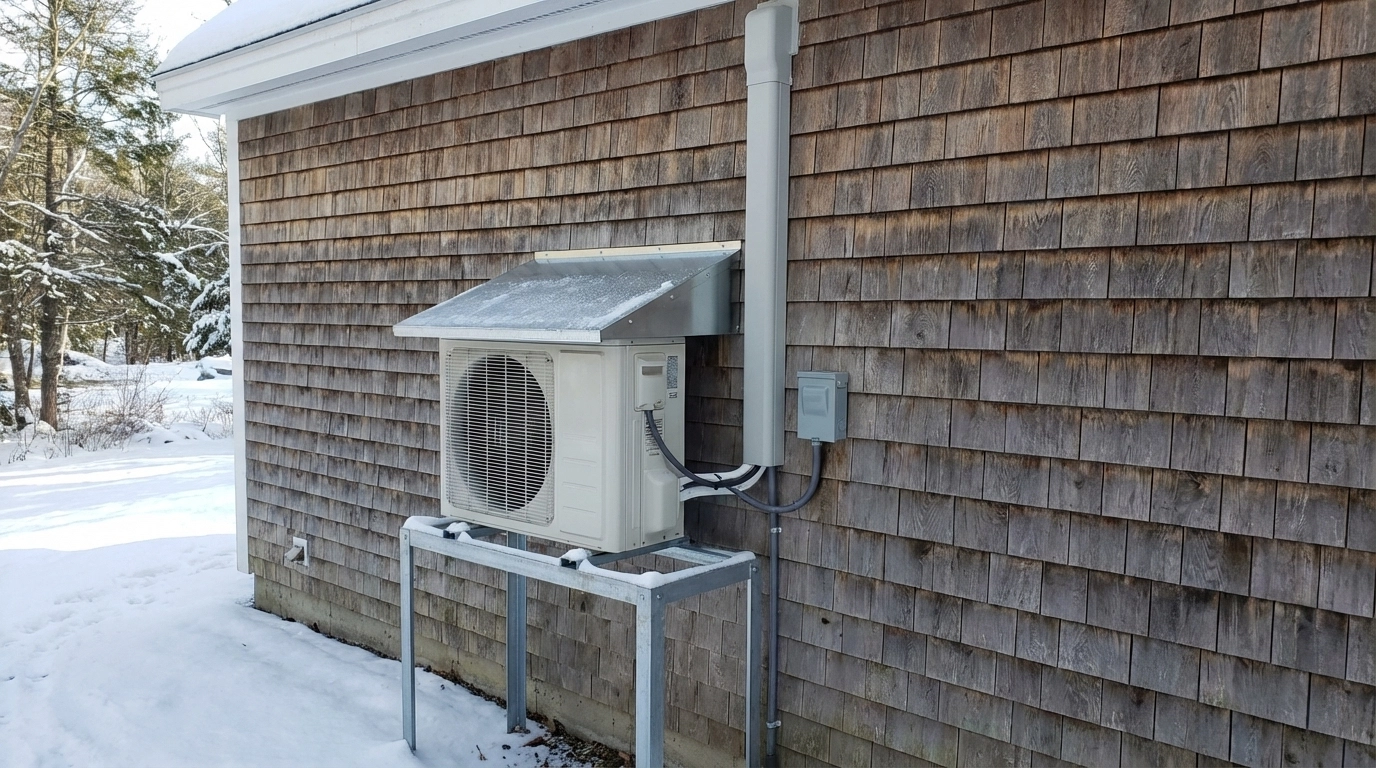
Southern Maine's climate throws some unique curveballs that impact installation costs. Our harsh winters mean outdoor units need special mounting systems to handle snow loads and ice buildup. Plus, the freeze-thaw cycles common here require extra attention to drainage systems.
We had one installation in Saco where the outdoor unit location required custom snow shields and elevated mounting due to the home's exposure to coastal winds. This added $800 to the project, but prevented thousands in potential damage down the road.
What this means for you: Factor in an extra $500 to $1,200 for weather-related installation considerations that other regions don't face.
3. The Distance Between Units Can Make or Break Your Budget
This is the big one that catches people off guard. Every foot of distance between your indoor and outdoor units adds to your installation cost. We're not just talking about the copper refrigerant lines, there's also electrical conduit, drain lines, and the labor to run everything.
A recent Biddeford project involved running lines from a ground-level outdoor unit to a third-floor bedroom. The 40 feet of vertical distance added over $1,500 to the installation cost due to:
Additional copper refrigerant tubing
Longer electrical runs
More complex wall penetrations
Extra labor time for accessing difficult areas
Money-saving insight: If possible, choose indoor unit locations closer to where you can place the outdoor unit. Even reducing the distance by 20 feet can save you $500 or more.
4. Multi-Zone Systems Aren't Just "More Expensive", They're Exponentially More Complex
When contractors quote multi-zone systems, they're not just multiplying single-zone costs. Each additional indoor unit creates a cascade of complexity that drives up labor costs significantly.
Consider this: A single-zone system might take our crew 6-8 hours to install. A three-zone system? We're looking at 12-16 hours, plus additional planning time. Each indoor unit needs:
Individual refrigerant connections
Separate electrical connections
Drainage solutions
Wall or ceiling modifications
Careful system balancing
The bottom line: While equipment costs scale somewhat linearly, labor costs don't. That third zone might cost 50% more than you'd expect just from looking at equipment prices.
5. Maine's Building Codes Add Hidden Costs Most People Never See
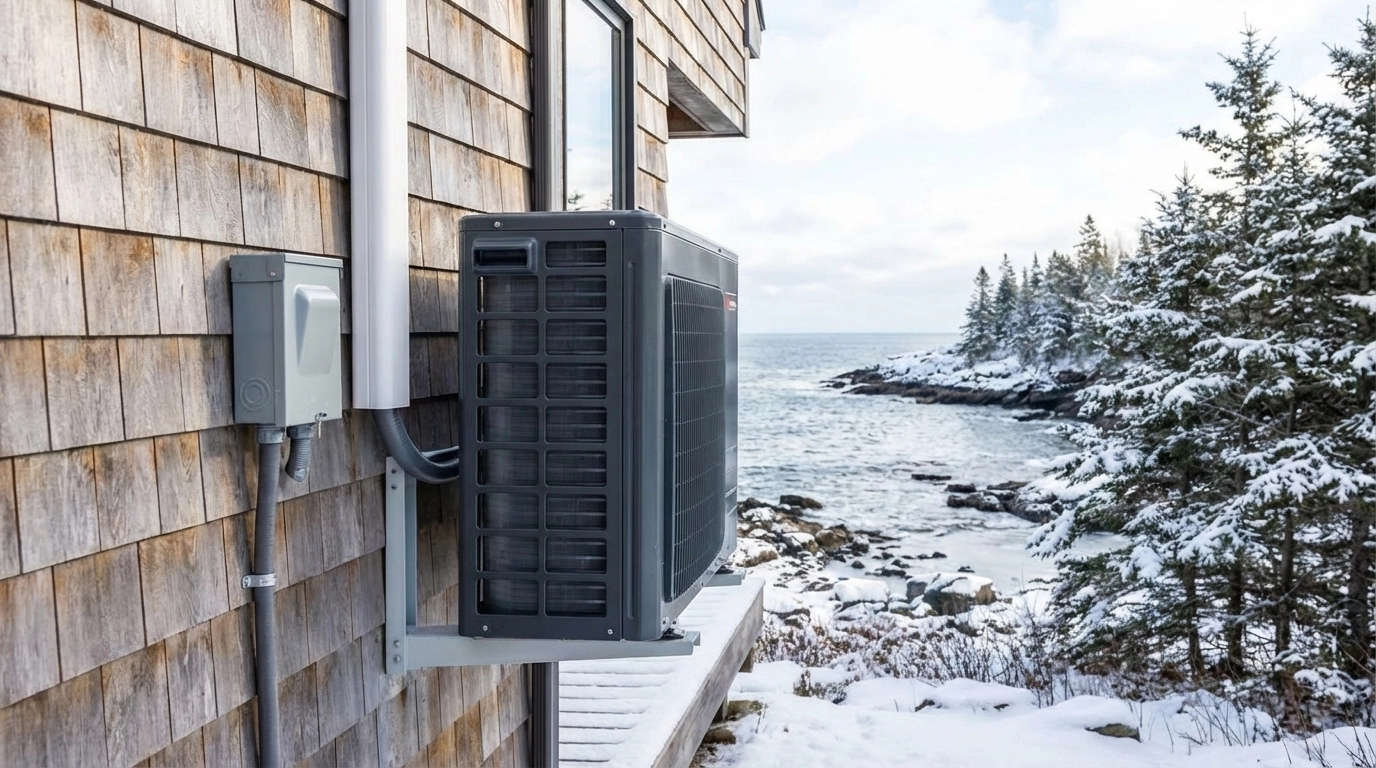
Here's where things get interesting. Maine's updated building codes require specific safety measures that weren't necessary just a few years ago. We're now required to install:
Ground fault protection for outdoor units
Disconnect switches within sight of equipment
Specific clearance requirements from property lines
Updated drainage systems that meet current codes
A homeowner in Saco was surprised when their installation required relocating their outdoor unit because it was too close to their neighbor's property line under current codes. This added two days of work and $1,200 to the project.
What you need to know: Always work with licensed electricians who understand current Maine codes. Cutting corners here can result in failed inspections and costly do-overs.
6. Equipment Quality Variations Create Massive Price Swings
Not all mini-split systems are created equal, and the price differences can be shocking. We've seen homeowners compare quotes where one contractor specified a basic single-zone system for $3,500 while another quoted a premium model for $6,800, for the same space.
Here's what drives these differences:
Inverter technology: Higher-end units adjust compressor speed for better efficiency
Cold climate performance: Essential in Maine, cheaper units struggle below 20°F
Warranty coverage: Premium units often include 7-10 year warranties vs. 3-5 years
Smart features: WiFi connectivity, advanced filtration, and zone control
Our recommendation: Don't automatically go for the cheapest option. A quality system that performs well in Maine winters will save you money long-term through lower energy bills and fewer repairs.
7. Permit and Inspection Costs Add Up (And Skipping Them Isn't Worth the Risk)
This is the "hidden" cost that catches DIY-minded homeowners off guard. In Southern Maine, mini-split installations typically require electrical permits, and sometimes mechanical permits too. We're talking about:
Permit application fees: $100-300
Inspection fees: $75-150 per inspection
Potential re-inspection fees if something doesn't pass
But here's the kicker, if you skip permits to save money, you could face much bigger problems. Insurance claims can be denied, and selling your home becomes complicated if work wasn't properly permitted.
Smart Ways to Save Money on Your Mini-Split Installation
Now that you understand what drives costs, here are proven strategies to reduce your investment:
Choose your timing wisely: Schedule installations during shoulder seasons (spring/fall) when contractors aren't slammed with emergency calls.
Bundle with other electrical work: If you need panel upgrades or other electrical improvements, combining projects often reduces overall labor costs.
Consider strategic zoning: Instead of conditioning every room, focus on the spaces you use most. You can always add zones later.
Get multiple detailed quotes: Make sure you're comparing apples to apples. Ask for breakdowns of equipment, labor, and permit costs.
Explore rebates and incentives: Maine offers various energy efficiency rebates that can offset installation costs by hundreds or even thousands of dollars.
The Real Value Proposition
Reduce heating costs by 30-50% compared to electric baseboards
Provide efficient air conditioning (essential during those humid Maine summers)
Last 15-20 years with proper maintenance
Increase your home's value
The investment starts making more sense. We've had customers in Kennebunk tell us their monthly energy savings are $150-200 during peak season: meaning their system pays for itself in 3-4 years.
Working with the Right Team Makes All the Difference
The complexity of mini-split installations in Southern Maine means choosing the right electrical contractor is crucial. You want a team that understands local codes, has experience with Maine's climate challenges, and can handle both the electrical and mechanical aspects of installation.
At Downeast Electrical Services, we've perfected our approach through hundreds of installations across Southern Maine. We provide detailed upfront estimates, handle all permitting, and ensure your system performs optimally in our unique climate.
Ready to explore mini-split options for your home? Contact us for a comprehensive consultation. We'll evaluate your electrical system, discuss zoning options, and provide transparent pricing so you can make an informed decision.
Remember, the cheapest quote isn't always the best value. Focus on finding a contractor who explains costs clearly, follows proper procedures, and stands behind their work. Your comfort and peace of mind are worth the investment in doing things right the first time.
Comments