
Why Are Mini Splits So Expensive in 2026? The Real $19,556 Cost Breakdown Portland Maine Electricians Don't Want You to Know
- Jan 6
- 4 min read
Let's get straight to the point: that $19,556 price tag you might have heard floating around? It's not the whole story, and it's definitely not what most homeowners in Portland, Maine are paying for their mini split installations.
We've been installing mini splits across southern Maine for years, and we're here to break down the real costs so you know exactly what you're getting into. The truth is, while some installations can reach that eye-popping number, most homeowners pay significantly less – and we'll show you exactly why some quotes get so high.
What Mini Splits Actually Cost in 2026
Here's the reality: mini split costs vary dramatically based on what you're actually installing. Let's break this down by system type:
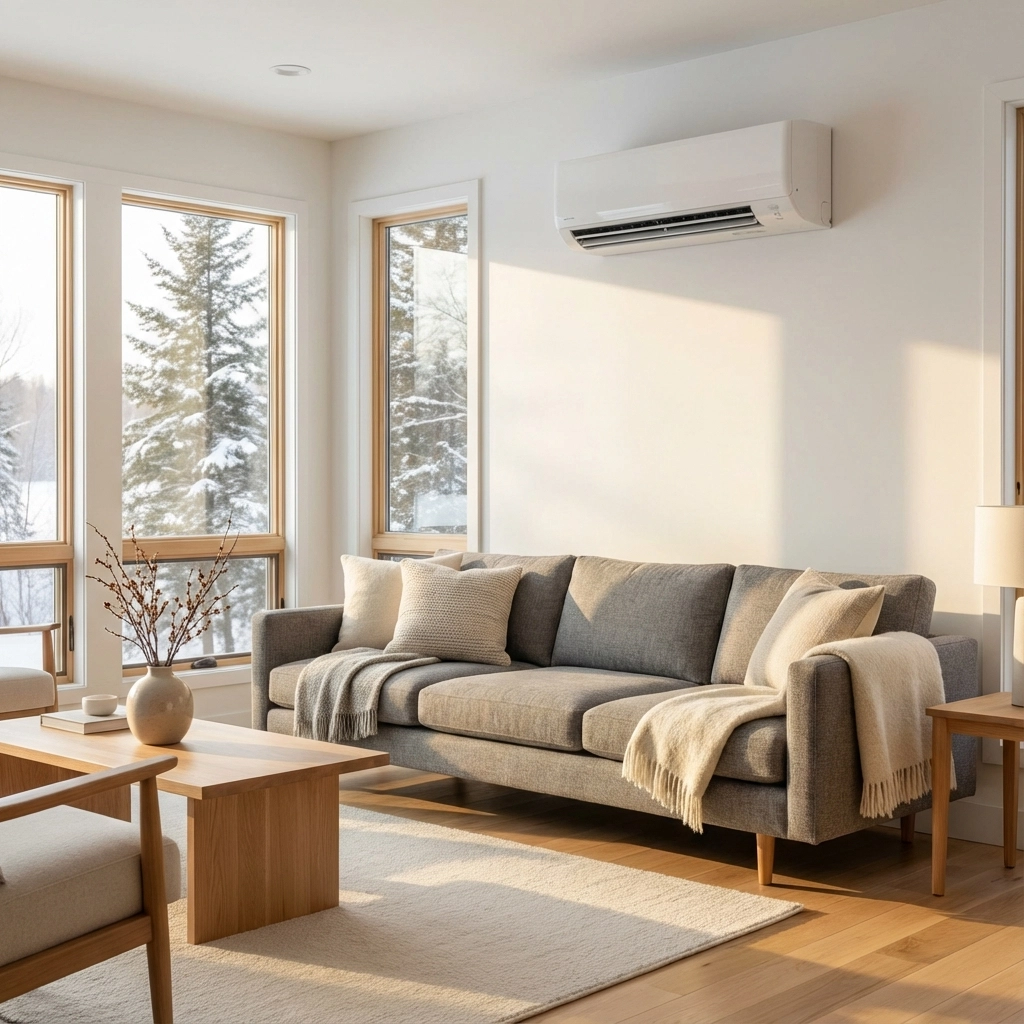
Single-Zone Systems: $2,000 - $7,000 These are perfect for cooling one room or area. The average installation runs around $3,000, which includes the equipment, labor, and basic electrical work. If you're just looking to cool a bedroom or home office, you're nowhere near that $19,556 figure.
Dual-Zone Systems: $4,500 - $8,000 Want to cool two rooms? You're still in reasonable territory. These systems give you independent control over two areas and represent the sweet spot for many Maine homes.
Multi-Zone Systems: $6,500 - $15,000+ Now we're getting into the range where costs can climb. A whole-home system with 4-6 indoor units can easily hit the higher end of this range, especially with premium equipment.
The Real Cost Drivers Behind High Prices
So when does that $19,556 figure actually make sense? Here are the factors that can push your installation into premium territory:
Equipment Quality and Efficiency
Not all mini splits are created equal. Premium brands with top-tier efficiency ratings cost significantly more than basic models. High-SEER units that qualify for Maine's energy rebates can add $1,000-$3,000 to your total cost per outdoor unit.
Installation Complexity
This is where many quotes get expensive fast. If your home needs:
Extensive electrical upgrades ($1,500-$4,000)
New electrical panel capacity ($2,000-$5,000)
Complex refrigerant line routing through multiple floors
Structural modifications for equipment placement
These factors can easily double your installation cost.
Labor and Permits
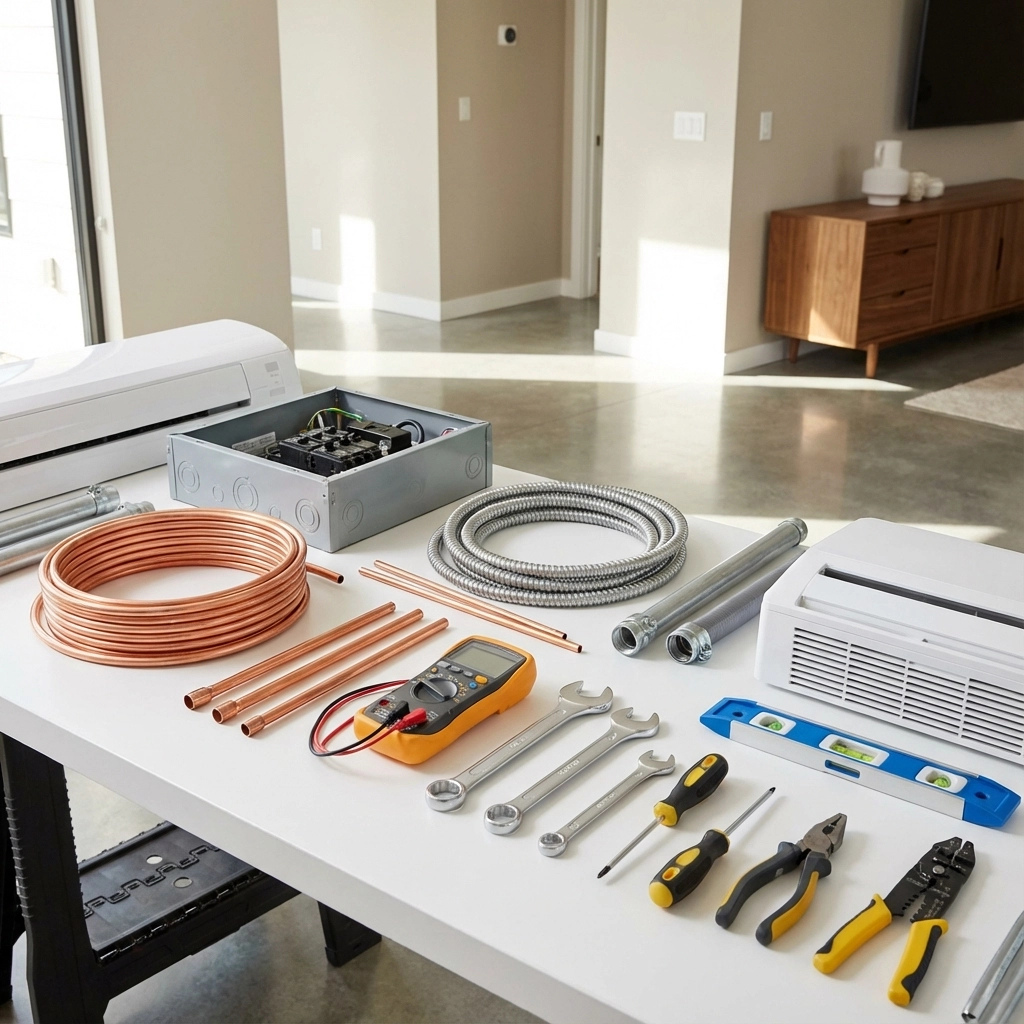
Don't forget the non-equipment costs:
Installation permits: $250-$400
Electrical work: $50-$100 per hour, plus $250 minimum for dedicated circuits
Refrigerant line installation: $25-$50 per hour per unit
System commissioning and testing
Premium Features and Add-Ons
High-end installations often include:
Wireless remote controls ($50-$150 each)
Condensate pumps for challenging drainage ($100-$280)
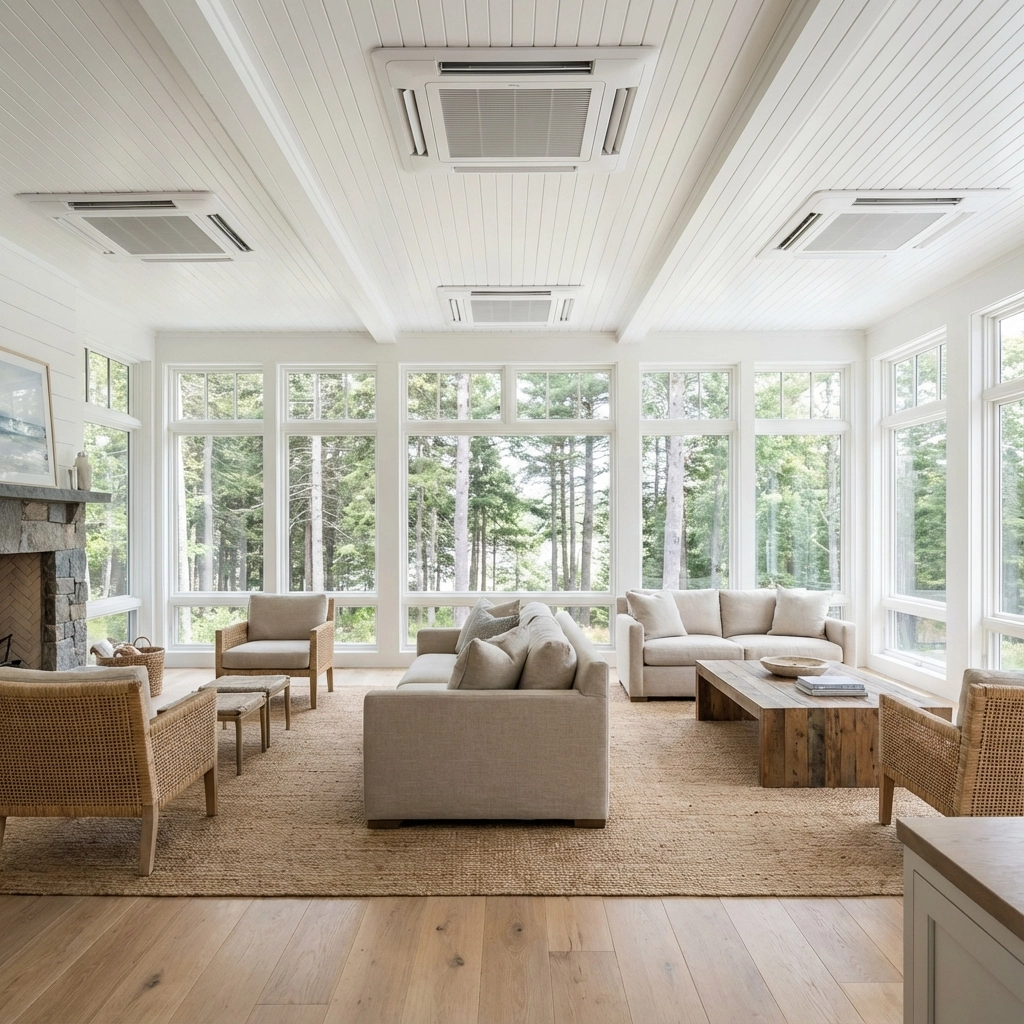
Ceiling cassette units instead of wall-mounted ($3,500-$6,000 per unit)
Smart home integration ($200-$500)
When $19,556 Actually Makes Sense
That premium price point typically represents one of these scenarios:
Whole-Home Premium Installation A large home with 6+ zones using high-efficiency equipment with ceiling cassettes throughout. Add complex electrical work and you're easily in the $15,000-$20,000 range.
Historic Home Challenges Older Maine homes often require creative solutions. Limited electrical capacity, challenging wall access, and the need to preserve historic features can significantly increase labor costs.
Commercial-Grade Equipment Some contractors quote commercial-grade equipment for residential applications, which carries premium pricing but may be overkill for most homes.
Hidden Factors That Inflate Quotes
We've seen quotes that include unnecessary costs. Here's what to watch for:
Oversized Systems
Some contractors recommend more zones than you actually need. A properly sized system costs less to install and operates more efficiently.
Unnecessary Electrical Work
Not every installation requires a full electrical panel upgrade. Experienced mini split specialists can often work with your existing electrical capacity.
Premium Equipment Where Basic Works
High-SEER equipment makes sense for primary living areas, but you might not need the most expensive units for every zone.
How to Avoid Overpaying
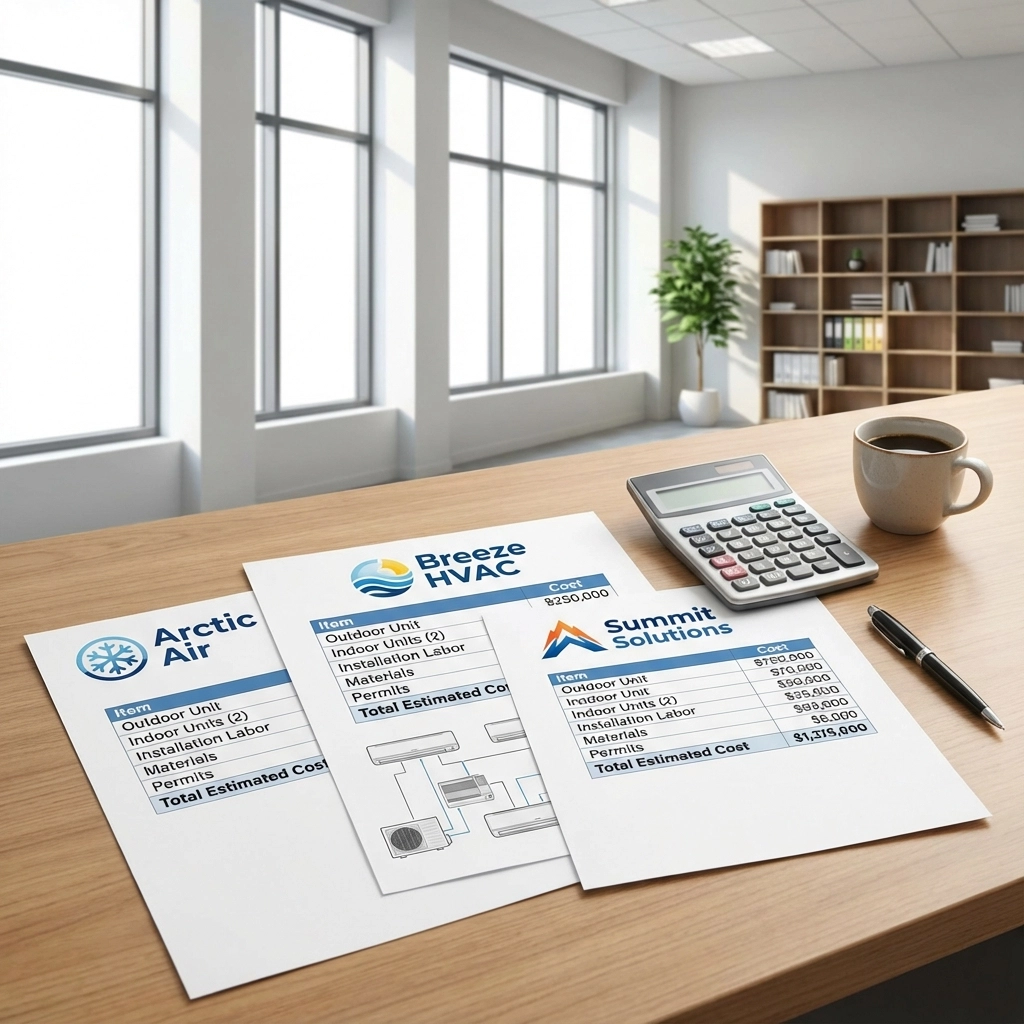
Get Multiple Detailed Quotes Don't just compare total prices. Ask for itemized breakdowns showing equipment costs, labor, permits, and electrical work separately.
Right-Size Your System Work with contractors who perform proper load calculations rather than just estimating based on square footage.
Consider Phased Installation Start with your most critical areas and add zones over time. This spreads costs and lets you evaluate system performance.
Understand Your Electrical Needs Have an electrical assessment done before getting mini split quotes. Knowing your electrical capacity upfront prevents surprise costs.
The Equipment vs. Labor Split
Understanding cost breakdown helps evaluate quotes:
Equipment typically represents 40-60% of total cost
Labor accounts for 25-45%
Permits and miscellaneous items make up the remainder
If a quote shows labor costs exceeding 50% of the total, ask detailed questions about what's included.
Maine-Specific Cost Considerations
Our cold Maine winters create unique requirements that can affect pricing:
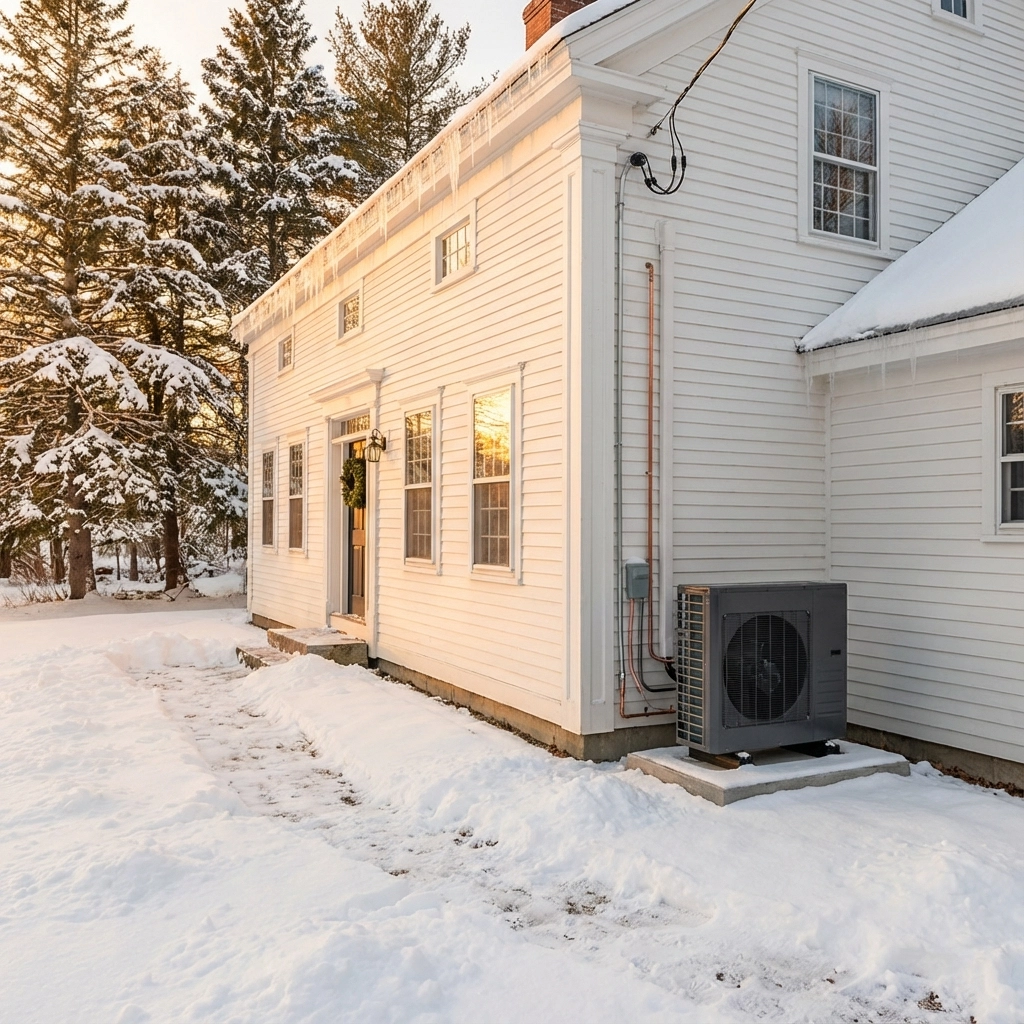
Cold Climate Equipment Maine installations need heat pumps rated for sub-zero operation. These cost 10-20% more than standard units but provide reliable heating down to -15°F or lower.
Backup Heat Integration Some installations include integration with existing heating systems, adding complexity and cost.
Efficiency Incentives Maine offers rebates for high-efficiency installations, but these often require premium equipment. Factor these savings into your cost analysis.
Making Sense of Your Quotes
When evaluating proposals, consider:
Cost per BTU/Zone Divide total cost by cooling capacity or number of zones to compare value across different proposals.
Long-term Operating Costs Higher-efficiency equipment costs more upfront but saves money over time. Factor 10-15 years of energy costs into your decision.
Warranty Coverage Premium installations often include extended warranties that provide real value.
When to Expect Higher Costs
Certain situations naturally increase installation costs:
Homes over 3,000 square feet requiring whole-home coverage
Properties needing significant electrical upgrades
Complex architectural features requiring custom solutions
Remote locations with limited contractor availability
The Bottom Line on Mini Split Costs
That $19,556 figure represents a high-end installation with premium everything. Most Maine homeowners pay significantly less while still getting excellent comfort and efficiency.
For perspective:
Basic single-zone: $2,500-$4,000
Typical whole-home system: $8,000-$12,000
Premium whole-home installation: $15,000-$20,000+
The key is working with experienced contractors who understand Maine's climate requirements and can design systems that deliver comfort without unnecessary costs.
Ready to get accurate pricing for your specific situation? Contact our team for a detailed assessment. We'll provide transparent pricing that breaks down exactly what you're paying for – no surprises, no inflated numbers.
Our experienced technicians serve the greater Portland area and can help you find the right balance of comfort, efficiency, and cost for your home. Don't let confusing quotes keep you from enjoying the benefits of efficient heating and cooling.
Comments