
Why Are Mini Splits So Expensive in 2025? The Real Cost Breakdown Maine Electricians Don't Want You to See
- Nov 2, 2025
- 4 min read
If you've been shopping around for mini split systems in Maine lately, you've probably experienced some serious sticker shock. The average installation cost has climbed to around $19,556 in 2025 (even after state and local incentives), leaving many homeowners wondering what exactly they're paying for.
The truth is, there are several factors driving these costs that go far beyond just the price of the equipment itself. Let's break down exactly where your money goes when you invest in a mini split system.
Labor: The Biggest Piece of the Pie
Here's what many people don't realize: labor typically represents the largest portion of your mini split installation cost. In Maine, you're looking at anywhere from $1,500 to $5,000 just for labor, depending on the complexity of your installation.
Why is labor so expensive? Unlike traditional central air systems that connect to existing ductwork, every single indoor unit in a mini split system requires individual connections to the outdoor compressor. This means:
Precise refrigeration line installation
Dedicated electrical work for each unit
Careful mounting and positioning
Testing and commissioning each zone individually
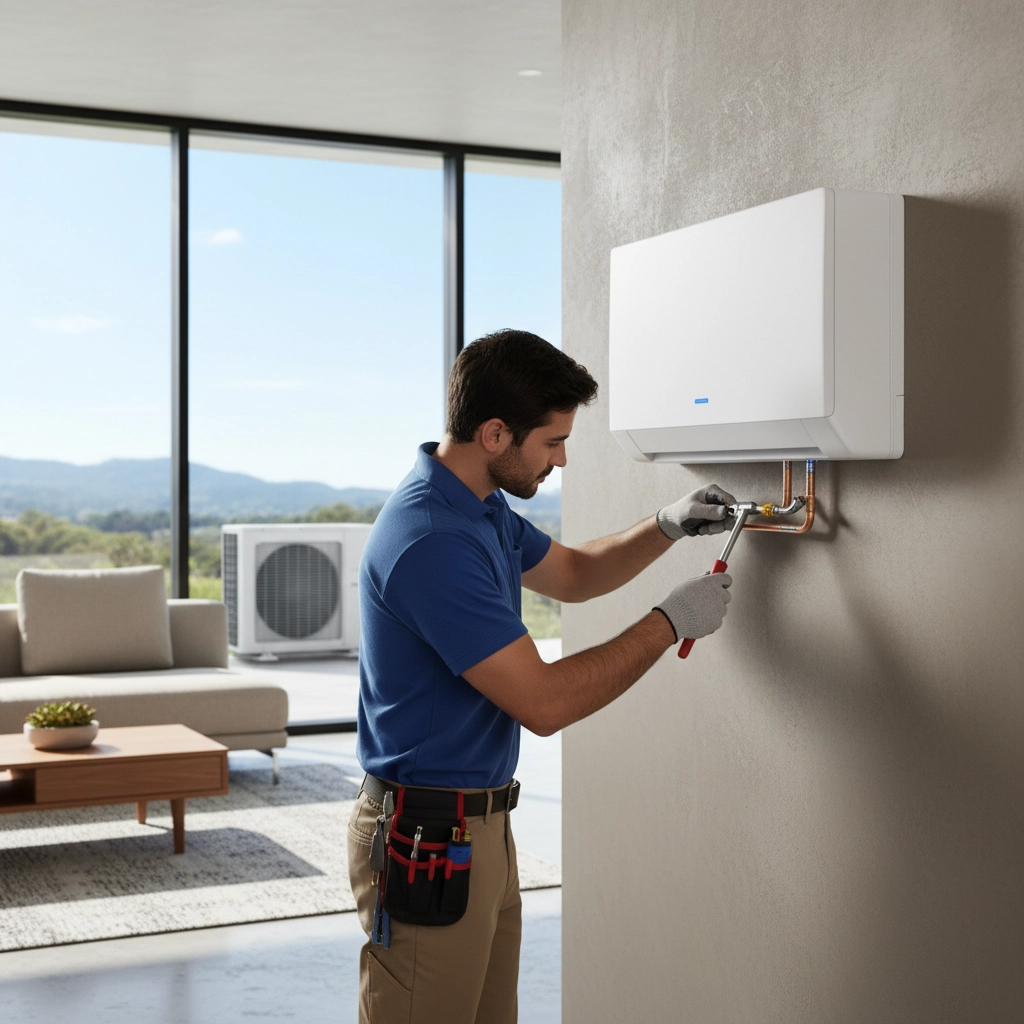
When you're dealing with multi-zone systems, this labor cost multiplies quickly. You're essentially paying for a custom installation process for each indoor head unit, which requires skill, time, and attention to detail that only experienced technicians can provide.
The Equipment Costs Add Up Fast
Beyond labor, the actual equipment represents a significant investment:
Mini Split Units: Individual units range from $750 to over $2,200 each, with the average system requiring about 3.7 tons of cooling capacity. Higher-efficiency models and well-known brands command premium prices, while lesser-known manufacturers offer more budget-friendly options.
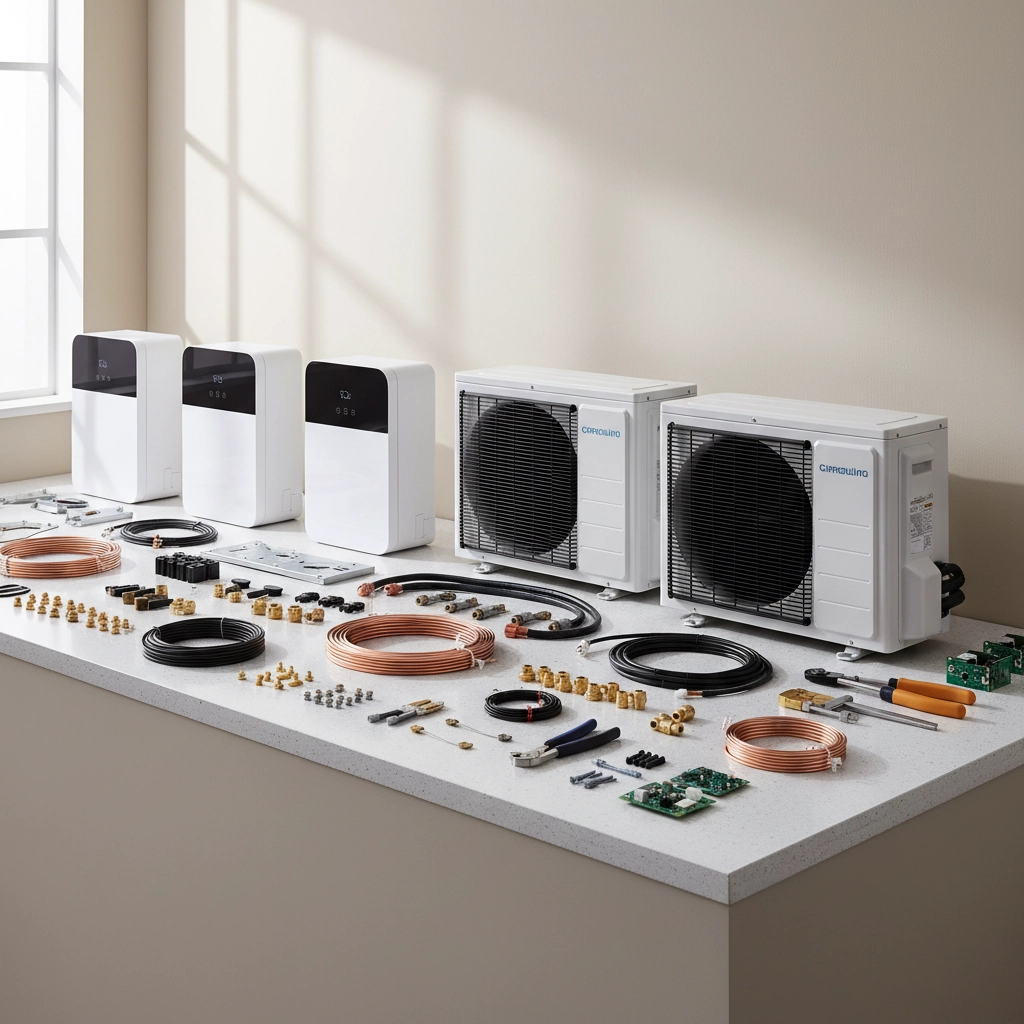
Additional Materials and Components: This is where costs can really surprise homeowners. Your installation will likely need:
Conduits, cables, and power supply components: $350 to $1,300
Mounting brackets and protective covers: $30 to $150 per unit
Specialized installation kits and hardware: $75 to $200
Permits and required inspections: $200 to $400
These "extras" aren't really optional – they're essential components that ensure your system operates safely and efficiently.
Number of Zones: The Make-or-Break Factor
The number of zones you need is the single biggest factor affecting your total cost. Here's how the numbers typically break down in Maine:
Single-Zone Systems: $2,500 – $4,500
Perfect for 150–1,000 square feet
Great for single rooms or small apartments
Dual-Zone Systems: $4,500 – $7,500
Covers 800–1,600 square feet
Ideal for controlling two main living areas
Three-Zone Systems: $6,500 – $9,500
Handles 1,200–2,500 square feet
Works well for most average-sized homes
Four-Zone Systems: $8,000 – $12,000
Covers 2,000–3,000 square feet
Good for larger homes with multiple levels
Five-Zone Systems: $10,000 – $15,000+
Handles 2,500–3,500+ square feet
Suitable for large homes requiring comprehensive coverage

Even for a modest 1,000 square foot area, you should expect to invest between $2,000 and $10,500 depending on your specific needs and chosen system quality.
Installation Complexity Drives Costs Higher
Not all installations are created equal. Several factors can push your project toward the higher end of the cost ranges:
Home Layout: Homes with challenging layouts, multiple stories, or difficult access points require more time and specialized equipment to install properly.
Electrical Requirements: If your electrical panel needs upgrading to handle the additional load, or if new circuits need to be run, expect additional costs.
Existing Infrastructure: Homes without any existing HVAC infrastructure typically cost more because everything needs to be installed from scratch.
Seasonal Timing: Installation costs in Maine can vary by season, with peak demand periods (late spring and early summer) commanding higher prices.
Why Professional Installation Matters
While the labor costs might seem high, professional installation is crucial for several reasons that directly impact your long-term costs:
Warranty Protection: Most manufacturers require professional installation to maintain warranty coverage. DIY installations often void these important protections.
Proper Sizing: Professional technicians ensure your system is properly sized for your space, preventing efficiency issues and premature equipment failure.
Code Compliance: Electrical and HVAC codes in Maine require proper permitting and inspection, which professional installers handle as part of their service.
Safety Considerations: Refrigerant handling and electrical work carry real safety risks that require proper training and equipment.
Market Factors Affecting 2025 Prices
Several broader market conditions are contributing to higher mini split costs this year:
Supply Chain Pressures: Ongoing global supply chain challenges continue to affect equipment pricing and availability.
Tariff Impacts: Import tariffs on HVAC equipment have contributed to increased wholesale prices.
Labor Shortage: A shortage of skilled HVAC technicians in Maine has driven up labor rates across the state.
Energy Efficiency Standards: New efficiency requirements have led manufacturers to develop more advanced (and expensive) systems.
Getting the Best Value for Your Investment
While mini split systems represent a significant upfront investment, there are ways to maximize your value:
Compare Multiple Quotes: Get estimates from several licensed contractors to understand the range of pricing in your area.
Consider Long-term Savings: Higher-efficiency systems cost more upfront but can significantly reduce your energy bills over time.
Take Advantage of Incentives: Maine offers various rebates and tax credits that can help offset installation costs.
Plan for Multiple Zones: If you're considering expansion later, it's often more cost-effective to install multiple zones initially rather than adding them separately.
The Bottom Line on Mini Split Costs
Yes, mini split systems are expensive in 2025, but understanding where your money goes helps put these costs in perspective. You're paying for:
Skilled labor and custom installation work
High-quality equipment designed to last 15-20+ years
Professional expertise that ensures proper operation and warranty protection
Long-term energy savings and improved comfort
When you consider that a properly installed mini split system can provide both heating and cooling for decades while significantly reducing your energy costs, the investment often pays for itself over time.
If you're considering a mini split installation in Maine, the best approach is to work with experienced professionals who can assess your specific needs and provide transparent pricing. At Downeast Electrical Services, we specialize in helping Maine homeowners understand their options and find solutions that fit their budget and comfort needs.
The key is finding the right balance between upfront costs and long-term value – something that experienced installers can help you navigate based on your unique situation and goals.
Comments