
Why Are Mini-Splits So Expensive in 2025? 7 Hidden Cost Factors Maine Electricians Don't Want You to Know
- Dec 30, 2025
- 4 min read
If you've been shopping around for a mini-split system in Maine, you've probably gotten some sticker shock. Why do mini-split systems cost so much to install? The short answer is: there are several hidden factors that many contractors don't explain upfront, leaving homeowners surprised by the final bill.
We get calls from frustrated homeowners in Biddeford Maine and across Southern Maine asking, "Why are mini splits so expensive?" After installing hundreds of these systems, we're here to shed light on the real cost drivers that often catch people off guard.
Let's break down the seven hidden cost factors that can make your mini-split installation more expensive than you initially expected.
1. The True Cost of Equipment Goes Beyond the Unit Price
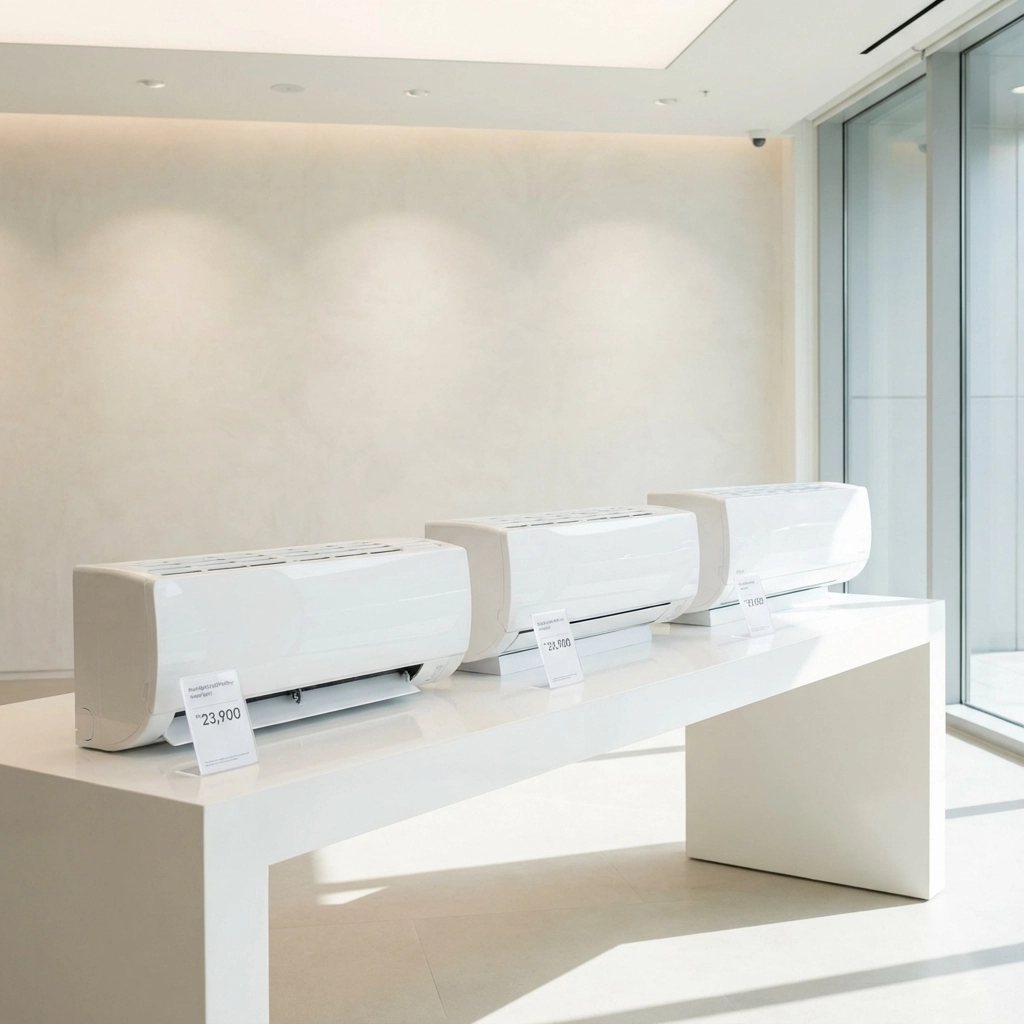
When you see a mini-split advertised for $1,200, that's usually just the outdoor condenser unit. What many people don't realize is that each indoor air handler costs an additional $400 to $1,500. If you want a multi-zone system to cool multiple rooms, you'll need several indoor units.
For example, a three-zone system for your home might include:
One outdoor unit: $1,500
Three indoor units: $1,200 each
Total equipment cost: $5,100
This doesn't include installation, which is where costs really add up. Many contractors quote equipment prices separately from labor, making the initial estimate seem more affordable than the final bill.
2. BTU Capacity Requirements Drive Up Costs Fast
The size of your space directly impacts why mini-split systems cost so much to install. Higher BTU systems cost significantly more because they require more powerful compressors and larger components.
Here's how capacity affects pricing:
9,000 BTU system (300-400 sq ft): $2,500-$4,200 total
12,000 BTU system (500-600 sq ft): $3,500-$5,500 total
18,000 BTU system (800-1,000 sq ft): $4,500-$6,500 total
24,000 BTU system (1,200-1,600 sq ft): $6,000-$8,000 total
Most contractors will assess your space and recommend the appropriate size, but they don't always explain how dramatically capacity affects your total investment upfront.
3. Installation Labor Is More Complex Than It Appears
This is where many homeowners get surprised. Labor typically accounts for $500 to $2,000 of your total costs, but complex installations can push this much higher.
What makes installation labor expensive?
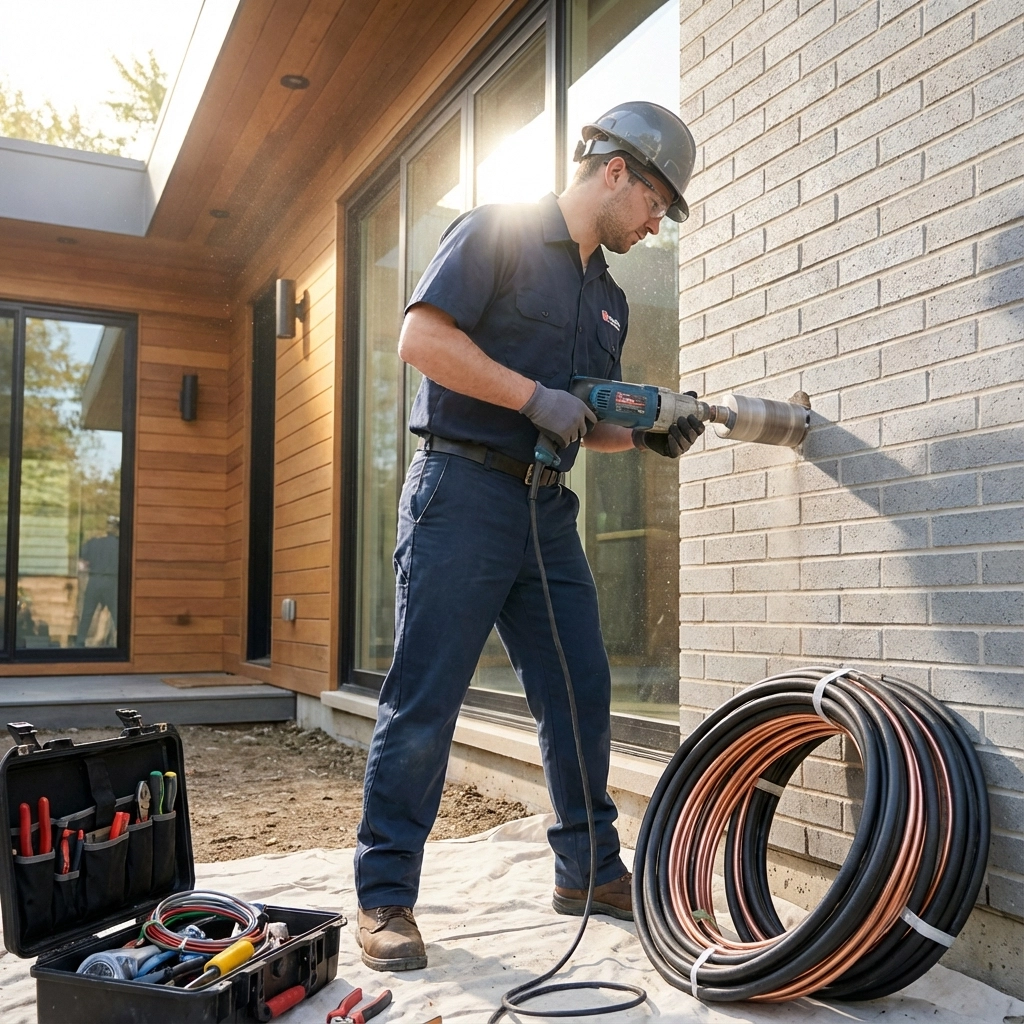
Wall penetrations: Creating precise holes for refrigerant lines
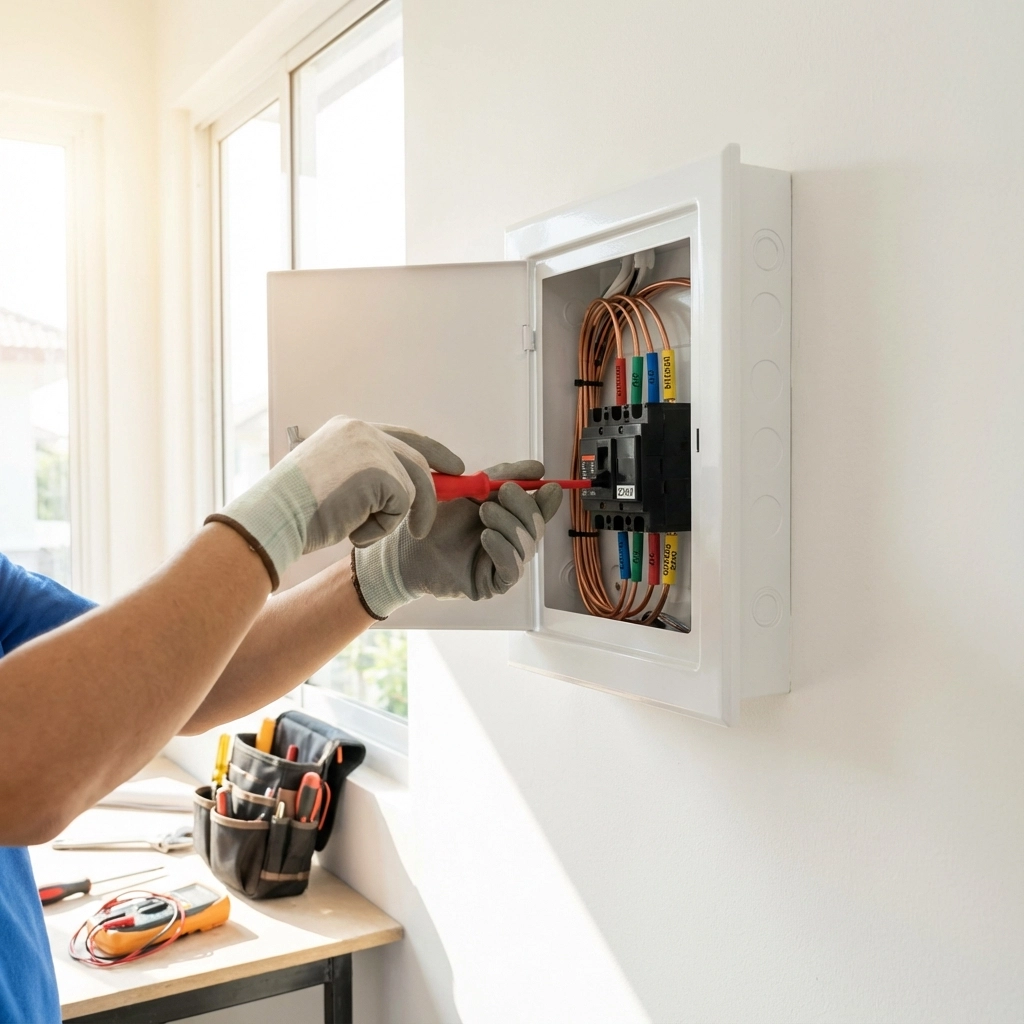
Electrical work: Running new circuits or upgrading panels
Refrigerant line routing: Connecting indoor and outdoor units through walls, attics, or basements
Mounting challenges: Securing units on difficult walls or in tight spaces
Testing and commissioning: Ensuring proper operation and efficiency
In Biddeford Maine, we often encounter older homes that require additional structural work or electrical upgrades, which adds to labor costs.
4. Refrigerant Line Sets and Distance Penalties
Here's a cost factor that catches many homeowners off guard: refrigerant line sets. These copper lines connect your indoor and outdoor units, and they're not cheap.
Standard line set costs:
Basic 15-foot line set: $100-$200
Extended 25-foot line set: $200-$300
50-foot line set with protective covers: $400-$600
If your outdoor unit needs to be located far from indoor units due to property layout, HOA restrictions, or aesthetic concerns, you'll pay significantly more for longer line sets. Some installations require line sets over 75 feet, which can add $500-$800 to your project.
5. Electrical Panel Upgrades and Dedicated Circuits
Many homes, especially older ones common throughout Maine, need electrical upgrades to support mini-split systems. This is often not discussed during initial consultations, leading to surprise costs later.
Common electrical upgrades include:
Dedicated 220V circuits: $300-$600 per circuit
Panel upgrades: $800-$2,000 for older panels
GFCI protection: $150-$300 for outdoor units
Disconnect switches: $100-$200 per outdoor unit
We frequently work on homes in Biddeford Maine built in the 1950s-70s that need panel upgrades to safely support modern mini-split systems. This work is essential for safety and code compliance but adds significantly to project costs.
6. Permits, Inspections, and Code Compliance
Professional installations require proper permits and inspections, which many DIY-minded homeowners don't factor into their budgets. These "hidden" costs include:
Building permits: $50-$200
Electrical permits: $75-$150
Inspection fees: $100-$300
Code compliance upgrades: $200-$1,000+
Some contractors include permits in their quotes, while others charge them separately. Always ask upfront whether permits and inspections are included in your estimate.
7. Additional Upgrades and Accessories
The final hidden cost category includes "optional" upgrades that often become necessary during installation:
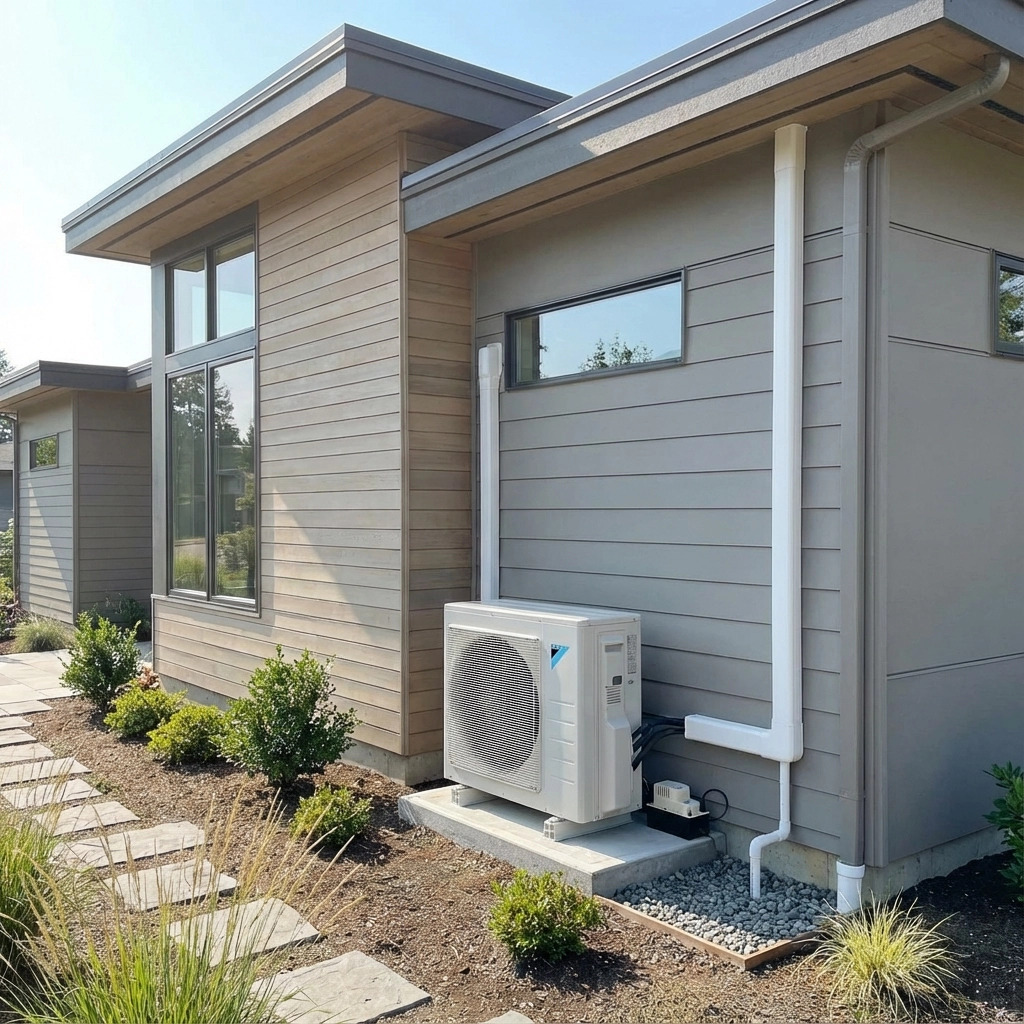
Condensate Management: $150-$400
Condensate pumps for installations where gravity drainage isn't possible
Extended drain lines and proper slope requirements
Protective Equipment: $100-$300
Line set covers for aesthetic appeal
Protective cages for ground-level outdoor units
Surge protectors for electrical protection
Insulation and Air Sealing: $200-$800
Additional insulation around line set penetrations
Air sealing to prevent energy loss
Weatherproofing for outdoor connections
Why Understanding These Costs Matters
When homeowners ask us why are mini splits so expensive, we explain that quality installations require attention to all these details. Cutting corners on any of these factors can lead to:
Poor system performance
Higher energy bills
Premature equipment failure
Safety hazards
Code violations
Making Mini-Split Installation More Affordable
Despite these cost factors, mini-split systems offer excellent value through:
Energy savings: 30-40% lower utility bills compared to traditional systems
Monthly operating costs: Only $30-$60 versus $80-$120 for central air
Rebates and incentives: Many utility companies offer rebates for efficient systems
Long-term durability: Quality installations last 15-20 years with minimal maintenance
Working with Downeast Electrical Services
At Downeast Electrical Services, we believe in transparent pricing and thorough explanations of all cost factors. We provide detailed estimates that break down equipment, labor, permits, and any necessary upgrades before work begins.
Our experienced team handles everything from electrical upgrades to final commissioning, ensuring your mini-split system operates efficiently and safely. We're familiar with the unique challenges of Maine homes and can anticipate potential cost factors during our initial consultation.
Ready to explore mini-split options for your home? Contact us for a comprehensive assessment and transparent pricing on your mini-split installation project.
Understanding why do mini-split systems cost so much to install helps you make informed decisions and budget appropriately for this valuable home comfort investment. With proper planning and professional installation, your mini-split system will provide years of efficient, comfortable heating and cooling.
Comments