
Why Are Mini Splits So Expensive in 2025? 7 Cost Secrets Maine Electricians Don't Want You to Know
- Nov 29, 2025
- 4 min read
If you've been shopping for a mini split system recently, you've probably experienced some serious sticker shock. With average installation costs hitting $19,556 in 2025 (even after state and local incentives), many Maine homeowners are wondering what's driving these eye-watering prices.
The truth is, there are several factors working behind the scenes that most electricians and HVAC contractors don't fully explain upfront. We're here to pull back the curtain and show you exactly why mini splits cost so much – and what you can do about it.
1. The Equipment Itself Is More Complex Than You Think
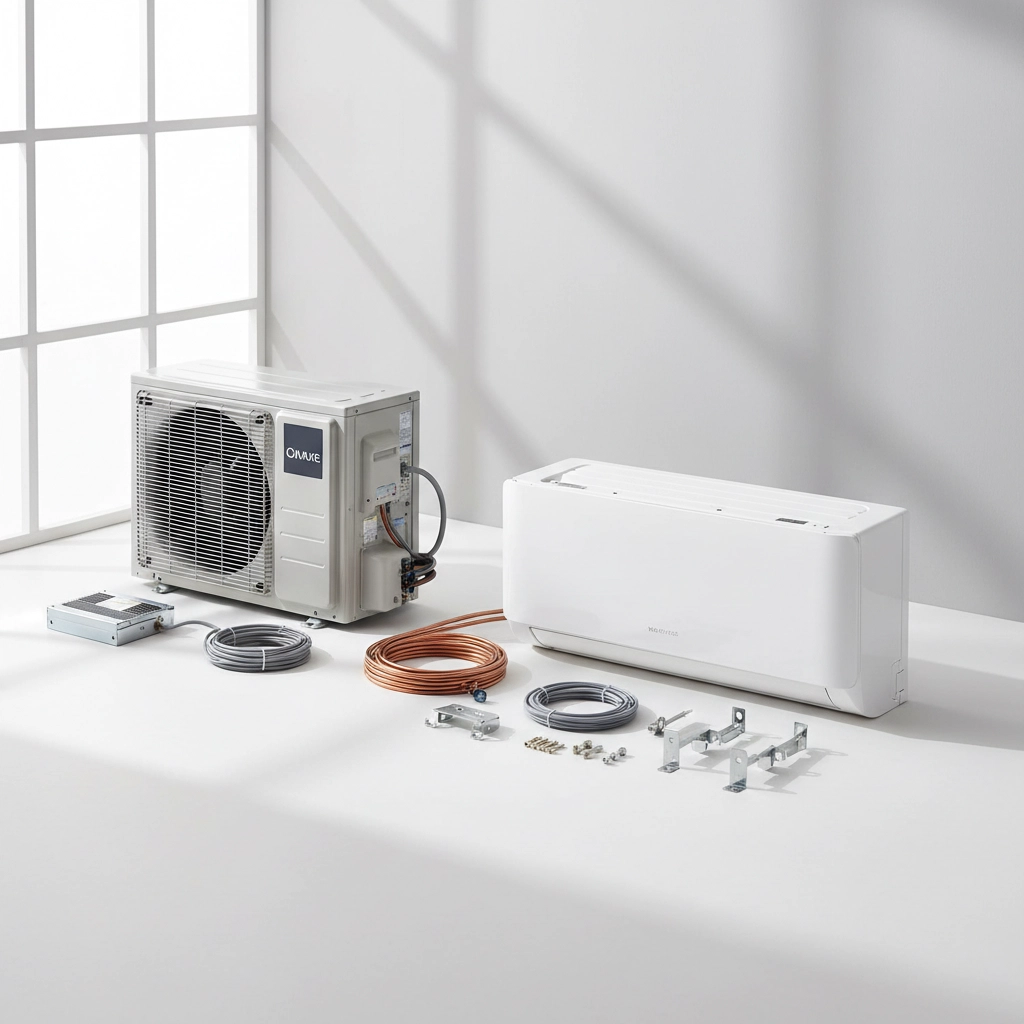
Mini split systems aren't just simple air conditioners. Each system includes multiple specialized components: outdoor condensing units, indoor air handlers, refrigerant lines, mounting hardware, and sophisticated electrical connections. The outdoor unit alone can cost between $750 and $2,200 before any installation work begins.
What makes this even more expensive is that these components must be perfectly matched. You can't just grab any indoor unit and pair it with any outdoor unit – everything needs to be sized and compatible, which limits your options and keeps prices high.
2. Labor Costs Have Skyrocketed Due to Skill Shortages
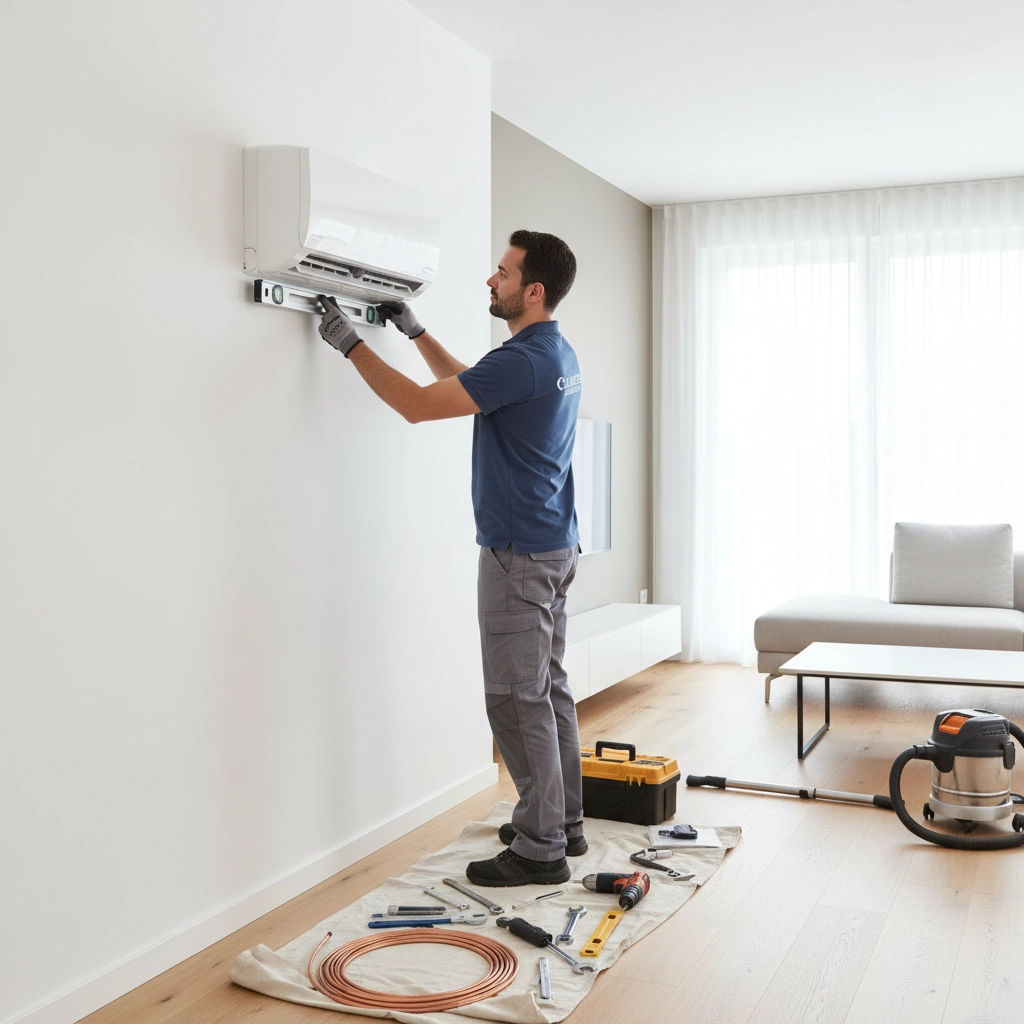
Here's something most contractors won't tell you upfront: installing mini splits requires highly specialized skills that are in short supply. The process involves:
Mounting both indoor and outdoor units with precision
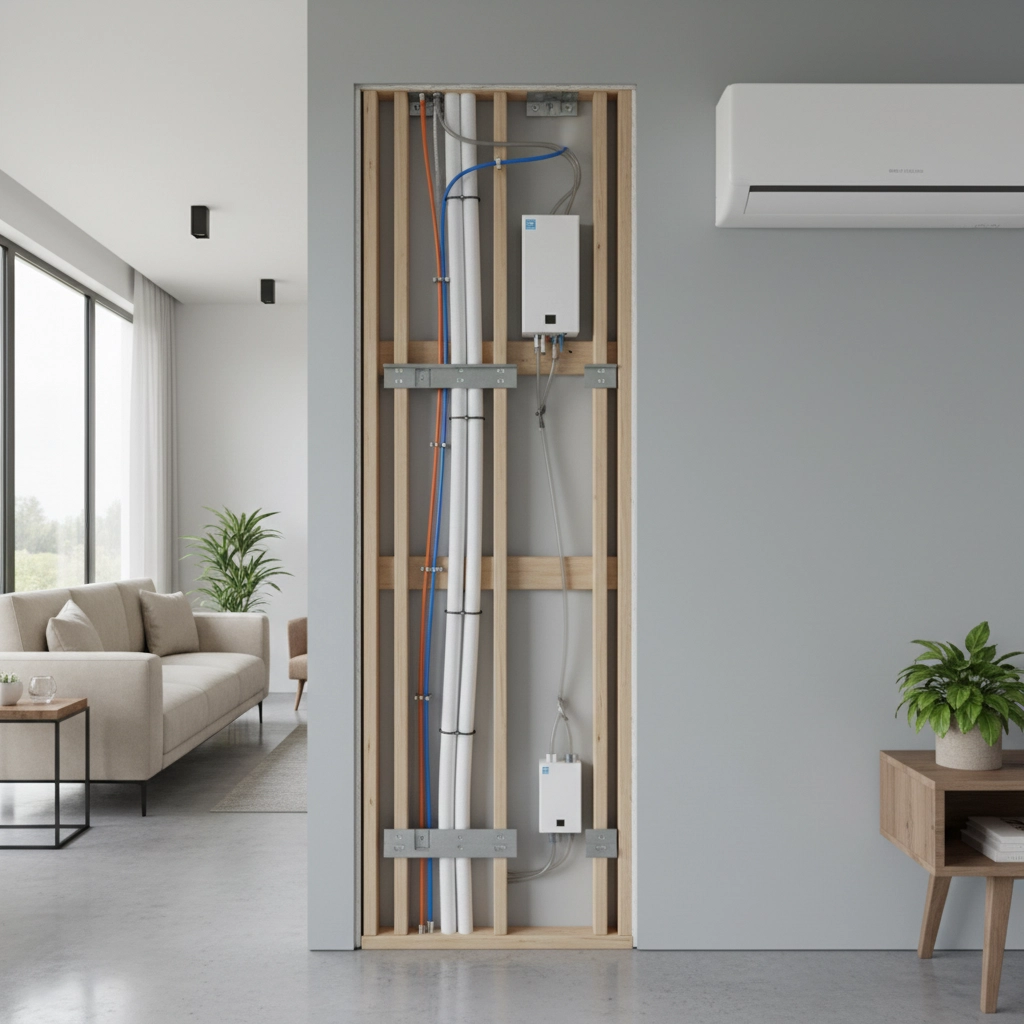
Running refrigerant lines through walls and tight spaces
Making electrical connections that meet strict code requirements
Pressure testing and leak detection
System commissioning and programming
In Maine, skilled HVAC technicians and electricians are charging premium rates because there simply aren't enough of them to meet demand. Labor typically accounts for the majority of your total cost, with expectations of several thousand dollars per zone – sometimes reaching around $8,000 per zone for complex installations.
3. Every Installation Is Custom (And That's Expensive)
Unlike installing a standard furnace or central air system, every mini split installation is essentially custom work. Each home requires:
Detailed load calculations to determine proper sizing
Site surveys to plan optimal placement
Custom routing for refrigerant lines and electrical connections
Modifications to accommodate your home's unique layout
Factors like tight crawl spaces, older electrical panels, or unusual architectural features can add significant time and complexity to your project. What might look like a straightforward installation from the outside often requires hours of problem-solving and custom solutions.
4. The "Hidden" Quality Assurance Requirements
Professional mini split installations involve extensive quality control measures that add time and cost:
Pressure testing to ensure no refrigerant leaks
Vacuum evacuation to remove moisture and contaminants
System commissioning to optimize performance
Code compliance verification for electrical and refrigeration work
These steps are absolutely critical for proper system operation and longevity, but they're time-intensive processes that many homeowners don't realize are happening behind the scenes.
5. Multi-Zone Systems Multiply Everything
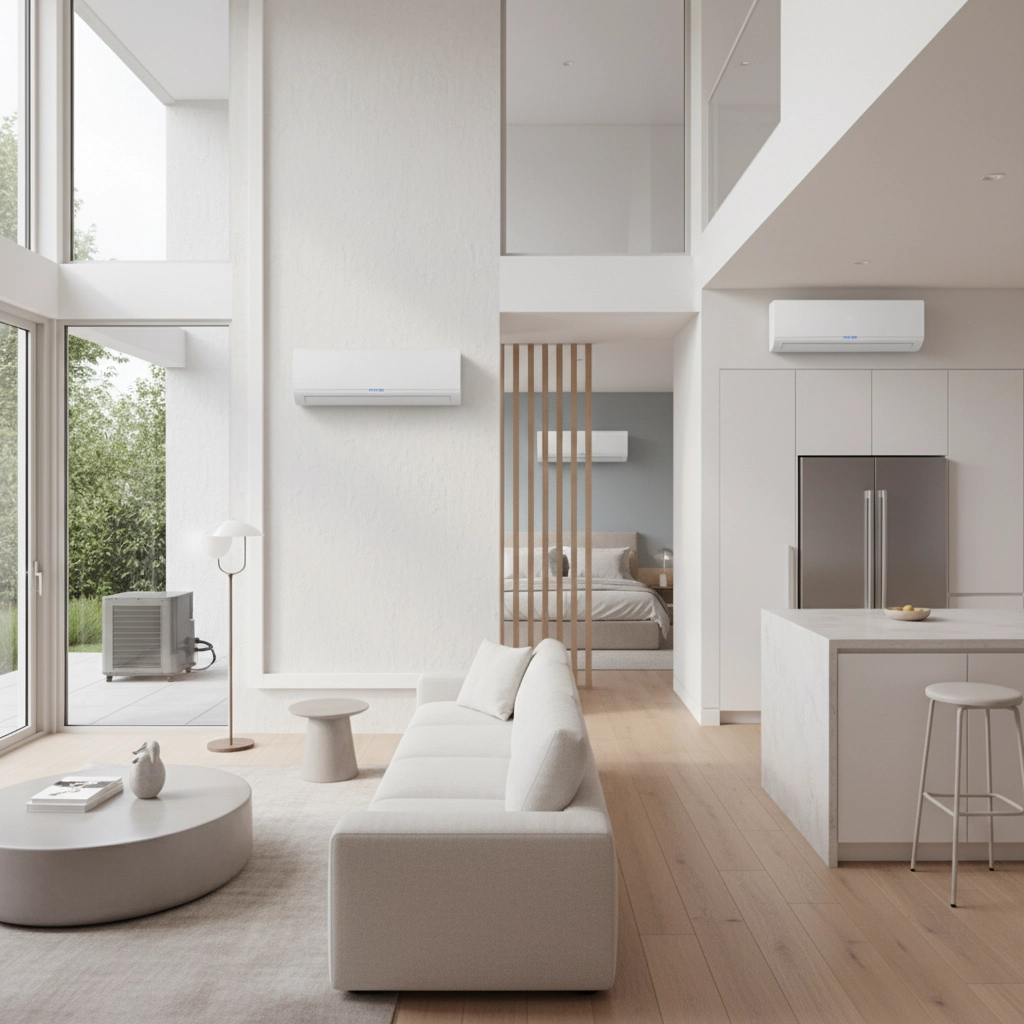
Here's where costs really add up: each additional indoor unit (zone) requires its own refrigerant lines, electrical connections, and installation labor. Current pricing breaks down like this:
Single-zone systems: $2,000 to $10,500+ for 1,000 square feet
Mid-range multi-zone (1.5-4 tons): $3,100 to $9,000
Premium multi-zone systems: $10,000 to $16,000+
The number of zones is the single biggest factor affecting your total cost, as each additional zone can add thousands of dollars to your project.
6. 2025's Perfect Storm of Price Increases
Several economic factors are making 2025 particularly expensive for mini split installations:
New Tariffs: Potential tariffs could increase equipment prices by 5% to 25% depending on where components are manufactured. This affects everything from the units themselves to copper line sets and installation materials.
Rising Material Costs: The price of copper, refrigerants, and other essential components continues to climb due to global supply chain pressures and increased demand for energy-efficient systems.
Advanced Efficiency Standards: New energy efficiency requirements are pushing manufacturers toward more sophisticated (and expensive) technologies.
7. Brand Premium and Warranty Requirements
Not all mini splits are created equal, and brand selection significantly impacts your final cost. Premium brands like Mitsubishi, Daikin, and Fujitsu command higher prices but offer:
Better energy efficiency ratings
More advanced features and controls
Longer warranty coverage
Better cold-weather performance (crucial in Maine)
Additionally, most manufacturers require professional installation by licensed technicians to maintain warranty coverage. This requirement eliminates the DIY option and ensures you're paying professional rates.
What This Means for Maine Homeowners
Understanding these cost drivers puts you in a better position to make informed decisions about your mini split installation. Here are some practical steps you can take:
Get Multiple Detailed Quotes: Ask for itemized estimates that break down equipment, labor, and material costs. This helps you compare apples to apples.
Consider Phased Installation: If budget is tight, you might install a single zone initially and add zones later as finances allow.
Time Your Purchase Strategically: Equipment prices can fluctuate throughout the year. Some contractors offer better rates during slower seasons.
Don't Skip Quality: While it's tempting to go with the lowest bid, remember that poor installation can lead to expensive problems down the road.
The Reality of Professional Installation Value
While these costs might seem shocking initially, professional mini split installation provides genuine value that DIY approaches simply can't match. Proper installation ensures optimal energy efficiency, prevents costly repairs, maintains warranty coverage, and keeps your system running reliably for years to come.
At Downeast Electrical Services, we believe in transparency about these costs upfront. Our team of experienced technicians takes the time to explain exactly what goes into your installation and why each step matters for your system's long-term performance.
Making Smart Decisions in 2025
The high cost of mini splits in 2025 reflects the complexity and quality of these advanced heating and cooling systems. While the initial investment is substantial, properly installed mini splits typically provide excellent energy efficiency and comfort that can offset costs over time through lower utility bills.
Before moving forward with any installation, make sure you understand exactly what you're paying for and why. A reputable contractor should be happy to explain their pricing structure and walk you through each component of your project cost.
The key is finding the right balance between upfront investment and long-term value. With the right information and a trusted installation partner, you can make a decision that serves your family's comfort and budget for years to come.
Ready to explore your mini split options? Contact us for a detailed consultation and transparent pricing that puts all these factors on the table from day one.
Comments