
The Fastest Way to Winterize Your Electrical System Before the Next Maine Storm
If you live anywhere in Southern Maine: whether that's Biddeford, Saco, Portland, Scarborough, or Kennebunk: you know that winter storms don't mess around. Heavy snow, ice, and bitter cold can wreak havoc on your home's electrical system if you're not prepared.
The good news? Winterizing your electrical system doesn't have to be complicated. With a little planning and some help from a licensed electrician near you, you can keep your family safe and your lights on when the next nor'easter rolls through.
Let's walk through the fastest way to get your home storm-ready.
Why Winterizing Your Electrical System Matters in Southern Maine
Maine winters are no joke. From Portland to Old Orchard Beach to Kennebunkport, homeowners deal with freezing temperatures, ice storms, and power outages every single year. And when the power goes out, it's not just an inconvenience: it can be a safety hazard.
The Reality of Maine Winter Storms
Ice buildup on power lines, fallen trees, and overwhelmed circuits can leave you in the dark for hours or even days. Add in the risks of frozen pipes, carbon monoxide from improper generator use, and electrical fires from overloaded systems, and you've got a recipe for disaster.
That's why taking a few simple steps now can save you a lot of headaches (and money) later.
Quick Electrical Safety Checks You Can Do Today
Before we get into the bigger projects, here are some quick wins you can tackle this weekend. These simple checks can make a real difference when a storm hits.
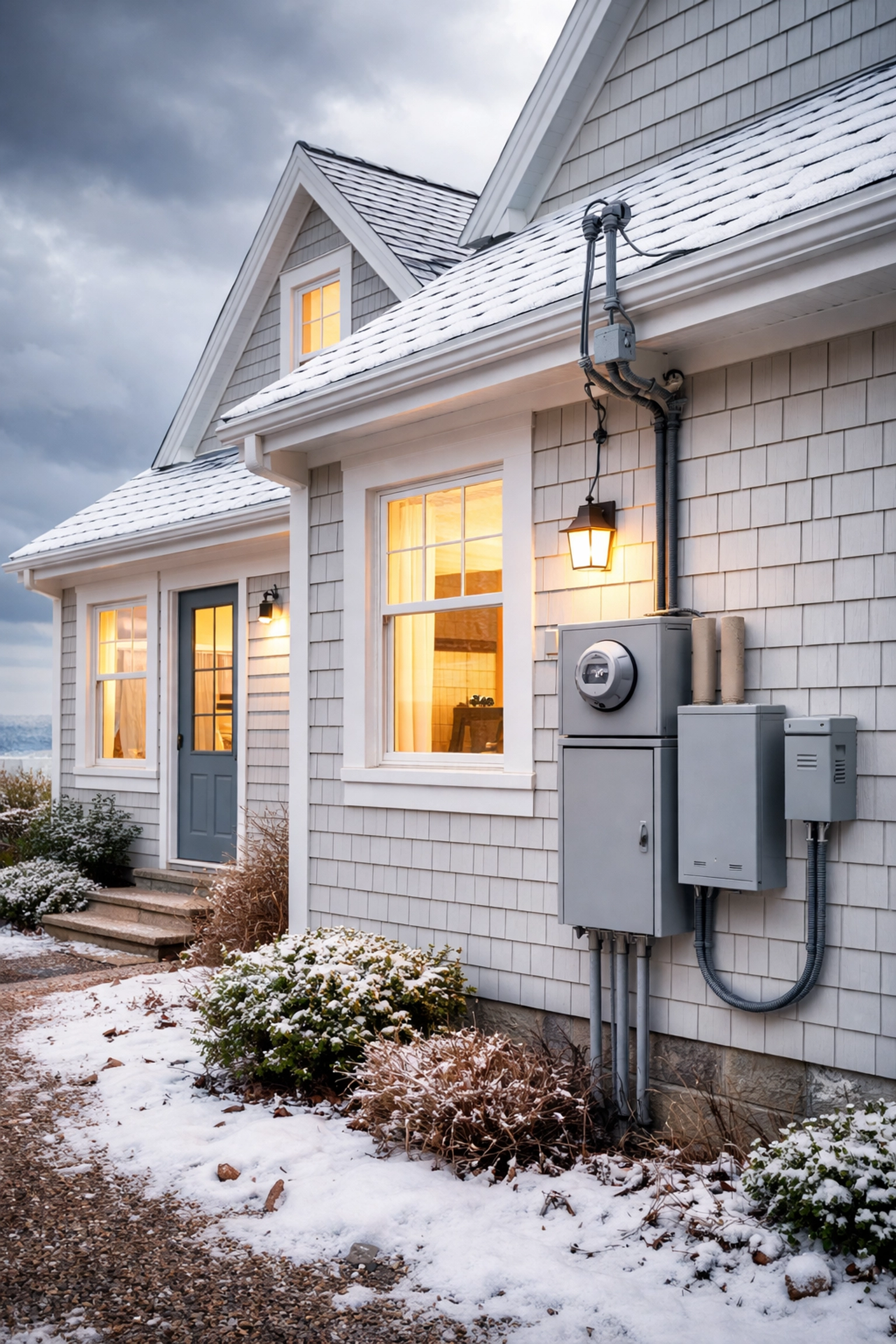
Inspect Your Electrical Panel
Head to your electrical panel and take a look. Are there any signs of rust, corrosion, or burn marks? Do you notice a burning smell? These are red flags that something's wrong.
If your panel is outdated or showing signs of wear, it might be time for a service upgrade. Older panels: especially those in homes built before the 1990s: often can't handle the demands of modern appliances, heat pumps, and EV chargers.
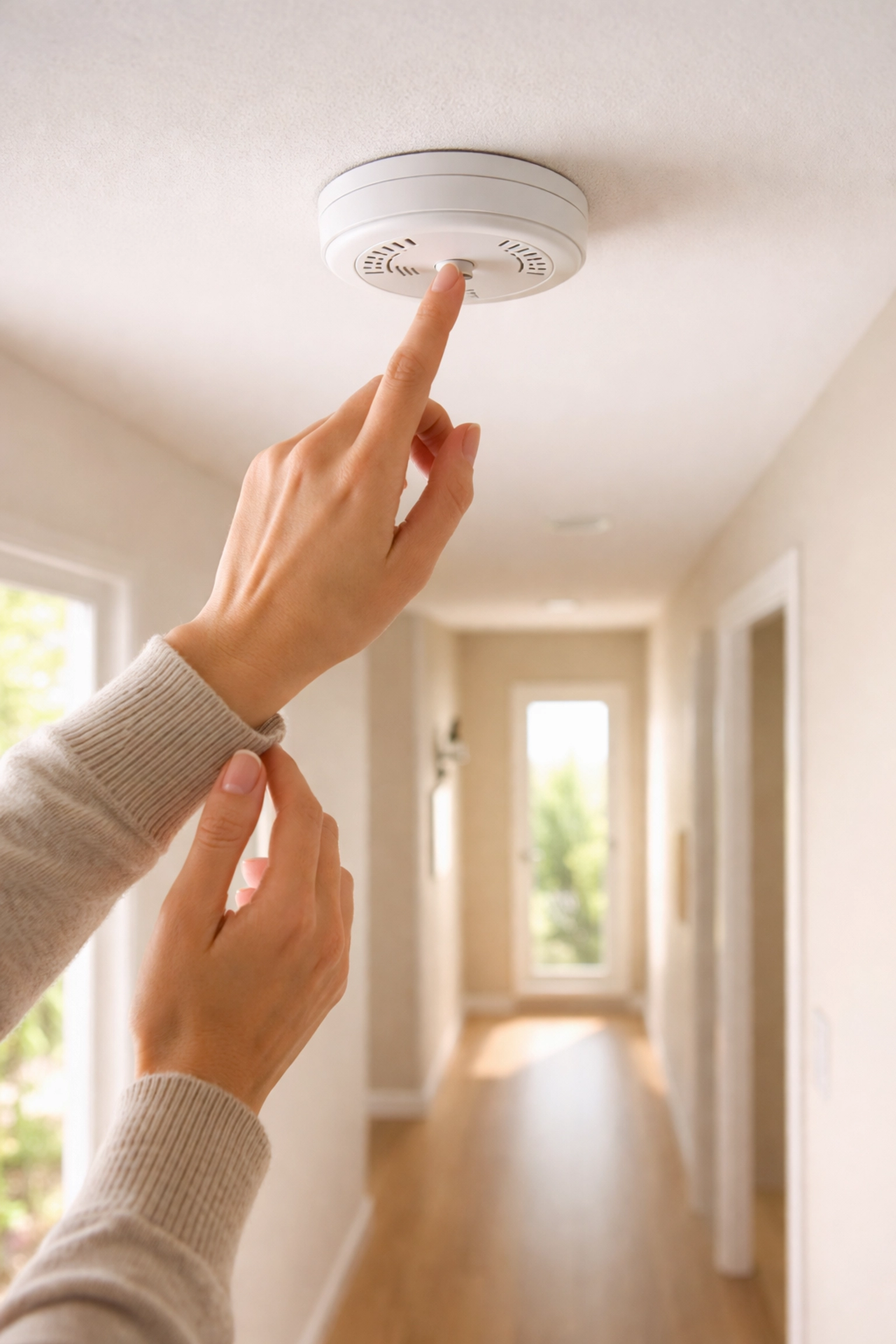
Test Your Smoke and Carbon Monoxide Detectors
This one takes about five minutes. Press the test button on each detector in your home to make sure they're working. Replace any batteries that are low, and swap out detectors that are more than 10 years old.
During a power outage, you might rely on candles, portable heaters, or generators. Working detectors are your first line of defense against fire and carbon monoxide poisoning.
Check Outdoor Outlets and Fixtures
Walk around the outside of your home and inspect any outdoor outlets, light fixtures, and wiring. Look for:
Cracked or missing outlet covers
Exposed wiring
Water damage or corrosion
Flickering lights
If you spot any issues, it's best to call a licensed electrician near Biddeford or your area to take a closer look before winter really sets in.
Generator Safety: What Every Maine Homeowner Should Know
Generators are a lifesaver during extended power outages. But they can also be dangerous if not used correctly. Here's what you need to know.
Portable vs. Permanent Generators
Portable generators are affordable and get the job done for short outages. However, they come with some serious safety rules:
Never run a portable generator indoors, in a garage, or in any enclosed space
Keep it at least 20 feet away from your home
Make sure it's properly grounded
Use heavy-duty outdoor extension cords
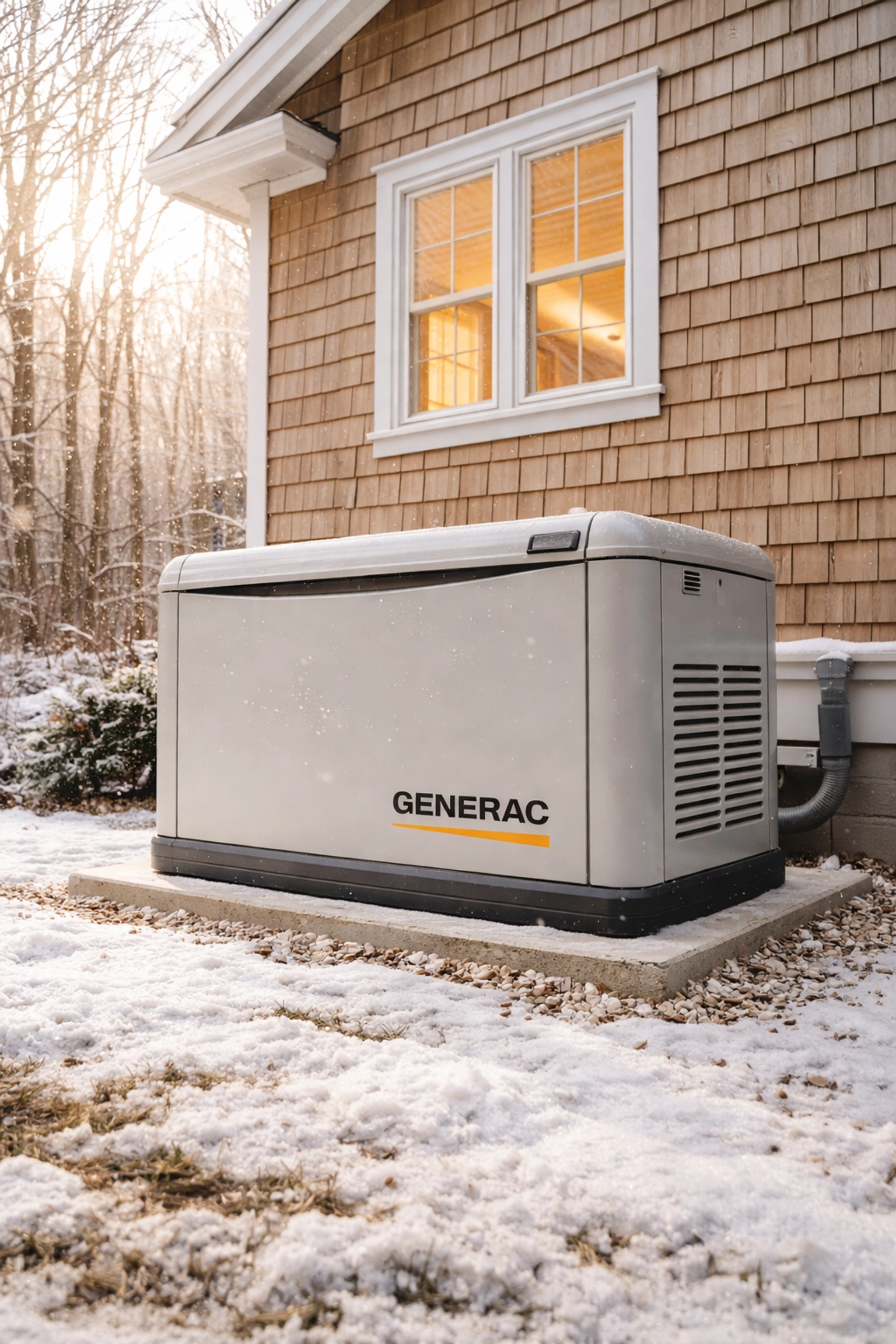
Permanent (standby) generators are a bigger investment, but they're much safer and more convenient. They turn on automatically when the power goes out and can power your entire home without you lifting a finger.
Transfer Switch Installation
If you're using any generator, you need a transfer switch. This device prevents "backfeeding," which happens when electricity flows back into the power lines. Backfeeding is extremely dangerous: it can injure utility workers and damage your home's electrical system.
A licensed electrician can install a transfer switch quickly and safely. If you're in the Saco, Scarborough, or South Portland area and thinking about adding a generator, schedule a consultation with our team. We'll help you figure out the best setup for your home.
Preparing for Power Outages
Even with the best preparation, power outages happen. Here's how to be ready when they do.
Charge Your Devices
Before a storm hits, make sure all your phones, tablets, and laptops are fully charged. These devices are your lifeline for communication, weather updates, and emergency alerts.
Pro tip: Keep a portable power bank charged and ready to go. It can give your phone an extra boost when you need it most.
Stock Up on Battery-Powered Essentials
You'll want to have these on hand:
Battery-operated flashlights (skip the candles if you can: they're a fire hazard)
A battery-powered or hand-crank radio for weather updates
Extra batteries in various sizes
A first aid kit
Also, consider signing up for your utility's free outage alert service. Central Maine Power and other local utilities offer text and email notifications so you know exactly when power is out in your area and when it's expected to return.
What to Do When Power Returns
When the lights finally come back on, don't just flip every switch at once. There's a right way to handle power restoration.
Turn On Appliances One at a Time
After an outage, turn on your appliances and electronics one at a time. This prevents a sudden surge that could overload your circuits or damage sensitive equipment like computers and TVs.
Start with the essentials: refrigerator, heating system, lights: and then gradually add everything else.
Watch for Warning Signs
Keep an eye (and nose) out for these red flags after power returns:
Burning smells coming from outlets or your panel
Flickering or dimming lights
Outlets that feel warm to the touch
Breakers that keep tripping
If you notice any of these issues, turn off the affected circuits and call an electrician right away. It's better to be safe than sorry.
When to Call a Licensed Electrician Near You
Some winterization tasks are DIY-friendly. Others? Not so much. Here's when it's time to call in the pros:
Your panel is outdated or showing signs of damage. If you're in Biddeford, Portland, or anywhere in York County, our team can assess whether you need a panel upgrade.
You want to install a generator or transfer switch. This is definitely not a DIY job. A licensed electrician ensures everything is up to code and safe.
You're adding a heat pump or EV charger. These high-demand appliances often require service upgrades to your electrical system.
You've experienced flooding or water damage. Never restore power to a flooded area without having an electrician inspect it first.
Get Your Home Storm-Ready Today
Winterizing your electrical system is one of the smartest things you can do as a Southern Maine homeowner. A little preparation now means fewer headaches, lower risks, and peace of mind when the next storm blows through.
Whether you're in Biddeford, Saco, Portland, Kennebunk, or anywhere within 40 miles, Downeast Electrical Services is here to help. Our team of experienced technicians can handle everything from panel inspections to generator installations to full service upgrades.
Ready to winterize? Book a consultation or give us a call. We'll make sure your home is ready for whatever Maine winter throws your way. ⚡
Comments