
Smart Panels vs. Traditional Upgrades: Which Is Better for Your Portland Maine Home in 2026?
Are you planning to install an EV charger, add a heat pump, or make your Portland home more energy efficient? If so, you may be wondering whether you need a standard electrical panel upgrade or a newer smart panel.
The short answer is: it depends on your home’s current electrical capacity and your future plans.
A traditional upgrade is often the simplest and most affordable option. A smart panel costs more, but it can provide energy monitoring, automated load management, and better control over a highly electrified home.
Here is what Portland homeowners should know in 2026.
What is the difference between a smart panel and a traditional panel?
Your electrical panel distributes power throughout your home. It also protects your wiring by shutting off circuits when they become overloaded.
A traditional electrical panel performs these core functions. It may replace an outdated or unsafe panel, add more breaker spaces, or increase your home’s service capacity from 100 amps to 200 amps.
A smart electrical panel does the same basic job but adds digital features, such as:
Real-time energy monitoring
Circuit-level usage information
Mobile app control
Remote alerts
Automated load management
Backup power and battery integration
The ability to prioritize certain circuits
Smart panels are available from several manufacturers, including SPAN, Lumin, Leviton, and Schneider. The right choice depends on your electrical system, equipment, budget, and goals.
Traditional panel upgrades: Simple and dependable
For many homes, a traditional panel upgrade is still the best answer.
A standard upgrade may be appropriate if you need to:
Replace an old fuse box
Remove an unsafe or recalled panel
Add more breaker spaces
Increase service from 100 amps to 200 amps
Support a moderate number of new circuits
Improve the reliability and safety of your electrical system
A traditional panel does not track your energy use by circuit. It also does not automatically coordinate large appliances. However, it is straightforward, familiar, and dependable.

If your home has oil or gas heating, no electric vehicle, and no immediate plans for solar or battery storage, a standard panel may provide everything you need.
Smart panels: Built for a more connected home
A smart panel becomes more appealing when your home has several large electrical loads.
This may include:
A Level 2 EV charger
One or more ductless mini-splits or heat pumps
An electric range
An electric dryer
A heat pump water heater
Solar panels
Battery storage
A generator or backup power system
A smart panel can show you how much electricity each connected circuit is using. Depending on the system, you may be able to see usage by room, appliance, or equipment type.
That information can help you:
Find appliances that use more energy than expected
Identify unusual usage patterns
See how much your heat pump or EV charger consumes
Make informed changes to reduce energy waste
Receive notifications when a circuit trips or behaves unexpectedly
Instead of waiting for your monthly utility bill, you can see what is happening inside your home as it happens.
Load management may help avoid a larger service upgrade
Load management is one of the biggest differences between a smart panel and a traditional panel.
Imagine that you have a 100-amp or 200-amp service and want to install an EV charger. You may also have an electric range, dryer, heat pump, and water heater. When several of these systems operate at the same time, your home may approach its electrical capacity.
With a traditional system, your options may include:
Increasing your service size
Installing a new service entrance
Adding subpanels
Managing high-demand equipment manually
Accepting that breakers may trip when loads overlap
A smart panel can monitor these loads and temporarily reduce power to lower-priority equipment. For example, it may slow EV charging while your oven and dryer are running. It may also pause a nonessential circuit while keeping important appliances powered.
This is sometimes called load shedding or load management.
A smart panel cannot create more electrical capacity than your service and wiring can safely provide. However, it may help manage the timing of major loads and potentially delay a costly service upgrade.
A licensed electrician should complete a load calculation before making this decision. That calculation should include both your current equipment and anything you plan to add in the next several years.
How do smart panels work with EV chargers and heat pumps?
Home electrification is one reason smart panels are receiving more attention in Maine.
Downeast Electrical Services installs Level 2 EV chargers for homeowners throughout Southern Maine. A Level 2 charger can provide faster charging than a standard household outlet, but it may require a dedicated circuit and a review of your existing panel.
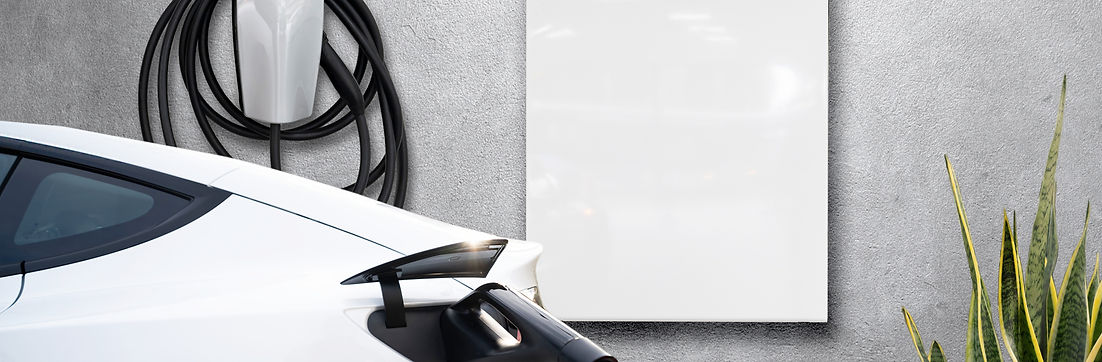
A smart panel may help coordinate EV charging with other equipment. It can be especially useful when your home has limited service capacity or when you want to add multiple high-demand systems over time.
The same planning applies to heat pumps and ductless mini-splits. Downeast Electrical Services offers ductless mini-split installation, including systems from MRCOOL and Samsung. Before installation, we can help evaluate how the new equipment will fit into your home’s electrical system.
Efficiency Maine rebates may also be available for qualifying heat pump and EV projects. Because eligibility and rebate amounts can change, check the current details directly with Efficiency Maine before planning your project.
Smart panel vs. traditional upgrade: Cost considerations
Installation costs vary significantly based on the home and the scope of work.
As a general planning range in the Portland area:
A standard 200-amp panel replacement or upgrade may cost approximately $2,500 to $5,500
A smart panel installation may commonly range from approximately $5,500 to $8,000
More complex smart-panel projects may cost more, especially when they include service changes, battery storage, solar integration, or significant rewiring
These are not fixed prices. Your total cost may depend on:
Existing service size
Panel location
Condition of service entrance wiring
Grounding and bonding requirements
Utility coordination
Number of circuits
Wall repairs or access limitations
EV charger or heat pump installation
Permit and inspection fees
Backup power equipment
A smart panel often costs several thousand dollars more than a traditional upgrade. The additional cost may be worthwhile if you will actively use the monitoring and load-management features or if the system helps you avoid a larger service upgrade.
Permits and inspections in Portland, Maine
A panel replacement or service upgrade is not a do-it-yourself project. In Portland, electrical panel work generally requires a permit and inspection.
Your electrician should help coordinate:
A review of your existing electrical system
A load calculation
The permit application
Utility coordination, if the service size changes
The panel installation
Electrical inspection
Final approval and reconnection, when applicable
Permit requirements and fees can change. For current information, review the City of Portland’s residential electrical permit information or speak with your electrician before work begins.
Working with a licensed and insured professional helps ensure that the installation is completed safely and according to applicable requirements. Downeast Electrical Services is licensed and insured, and our team has more than 20 years of experience serving residential and commercial customers in Southern Maine. Learn more about our company and service areas.
Which option is better for your home?
A traditional panel upgrade may be the better choice if:
Your existing panel is unsafe or outdated
You mainly need more breaker space
Your electrical demand is relatively stable
You do not plan to add an EV, heat pump, solar, or battery soon
You want the lowest practical upfront cost
You prefer a simple system with fewer digital components
A smart panel may be worth considering if:
You have several large electrical loads
You are installing an EV charger
You plan to add heat pumps or mini-splits
You are considering solar or battery storage
You want circuit-level energy monitoring
You want to prioritize circuits during an outage
You are trying to manage loads without immediately increasing service capacity
The best choice is not always the most advanced option. It is the option that fits your home, budget, and plans.
Ask for two options before deciding
If you are unsure, ask your electrician to provide two project options:
A traditional panel replacement or service upgrade
A smart panel installation with comparable service capacity
Your estimate should explain the equipment, labor, permits, utility coordination, and any required wiring changes. Ask whether a smart panel could support your planned EV charger, heat pump, solar system, or battery.
At Downeast Electrical Services, our experienced technicians can help you understand the practical differences without overwhelming you. We will review your needs and explain which approach makes sense for your Portland home.
The bottom line
For many Portland, Maine homes, a traditional electrical panel upgrade remains the most affordable and straightforward solution. It can improve safety, add capacity, and provide dependable service for years.
A smart panel may be the better long-term investment for a home with an EV charger, heat pumps, solar, battery storage, or multiple high-demand appliances. Its energy monitoring and load-management features can provide more control and flexibility as your home becomes increasingly electric.
The right starting point is a professional load calculation and an honest conversation about your plans. Contact Downeast Electrical Services for expert guidance on your next electrical project, or call 207-352-3722.
We are here to make your upgrade seamless, safe, and hassle-free. Stay tuned for more informative electrical tips from Downeast Electrical Services.
Comments