
Service Panel Upgrade Vs. Smart Load Management: Which Is Better for Your Portland, Maine Home?
If you live in a classic Portland neighborhood, maybe a triple-decker in Munjoy Hill or a charming colonial in Deering Center, you’ve probably noticed your electrical system is working harder than ever. Between heat pumps replacing oil furnaces, new EV chargers in the driveway, and high-tech kitchens, our older Maine homes are feeling the squeeze.
The question we hear most often at Downeast Electrical Services is: "Do I need to pay for a massive service upgrade, or is there a smarter way?"
Before we dive into the nitty-gritty of your breaker box, we have some exciting news to share! We are incredibly proud to announce that we’ve been voted the Best of the 207 for electrical services. Being recognized as the best electrician in Maine is a huge honor, and it’s all thanks to our amazing customers here in Portland and beyond. You can check out our official Best of the 207 listing here.
Now, let’s talk about your power. As your local electrician portland maine, we want to help you decide between a traditional service upgrade and the new world of smart load management.
The Traditional Way: The Service Panel Upgrade
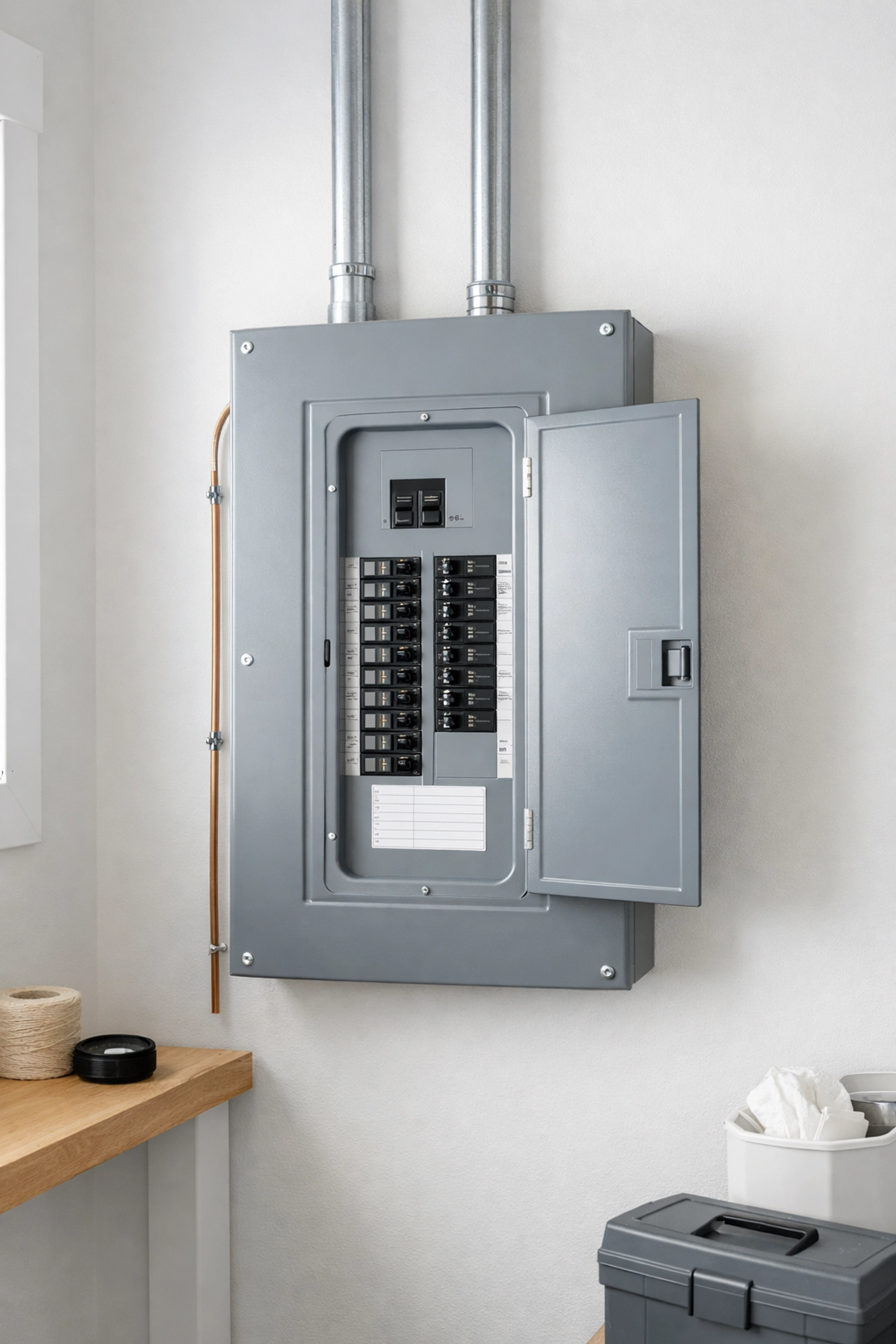
For decades, if you ran out of "room" in your electrical system, the answer was simple: get a bigger panel. Most older Portland homes were built with 60-amp or 100-amp service. Today, a 200-amp service is the modern standard, and some larger homes are even jumping to 400-amp service.
What is a Service Upgrade?
A service upgrade involves replacing your existing electrical panel and often the wires leading from the utility pole to your house. We call this the "bigger pipe" approach. If you need more water, you get a bigger pipe. If you need more power, you get a bigger service.
The Pros:
Massive Capacity: You don’t have to worry about what’s running at the same time. You can charge the car, run the dryer, and have the heat pumps blasting without a second thought.
Simplicity: It’s a "set it and forget it" solution. No apps to manage, no software to update.
Home Value: A 200-amp service is a major selling point for Maine buyers looking to electrify their lives.
The Cons:
Cost: It can be expensive. In Portland, this often involves coordinating with Central Maine Power (CMP), which can lead to additional fees and scheduling delays.
Infrastructure Limits: Sometimes, the grid in your specific neighborhood might not easily support a 400-amp upgrade without significant utility work, which can drive costs into the thousands.
The Modern Way: Smart Load Management
Welcome to 2026! Technology has changed the game. Instead of just getting a "bigger pipe," smart load management acts like a "traffic cop" for your electricity.
Smart panels (like Span or Lumin) or load-shedding devices allow you to run more appliances on your existing service by intelligently managing when things turn on.
How Does Smart Load Management Work?
Imagine you have a 100-amp panel. Normally, if you tried to run a heat pump, an electric range, and an EV charger at the same time, you’d trip the main breaker. A smart load management system prevents this by "prioritizing" your loads.
For example, if the system sees your oven and heat pump are pulling a lot of power, it might temporarily pause your EV charger for 20 minutes. You won't even notice the difference, but your panel stays safe and your power stays on.
The Pros:
Avoid Costly Utility Upgrades: In many cases, a smart panel can save you $5,000 to $20,000 by avoiding the need for a 400-amp service upgrade or expensive trenching.
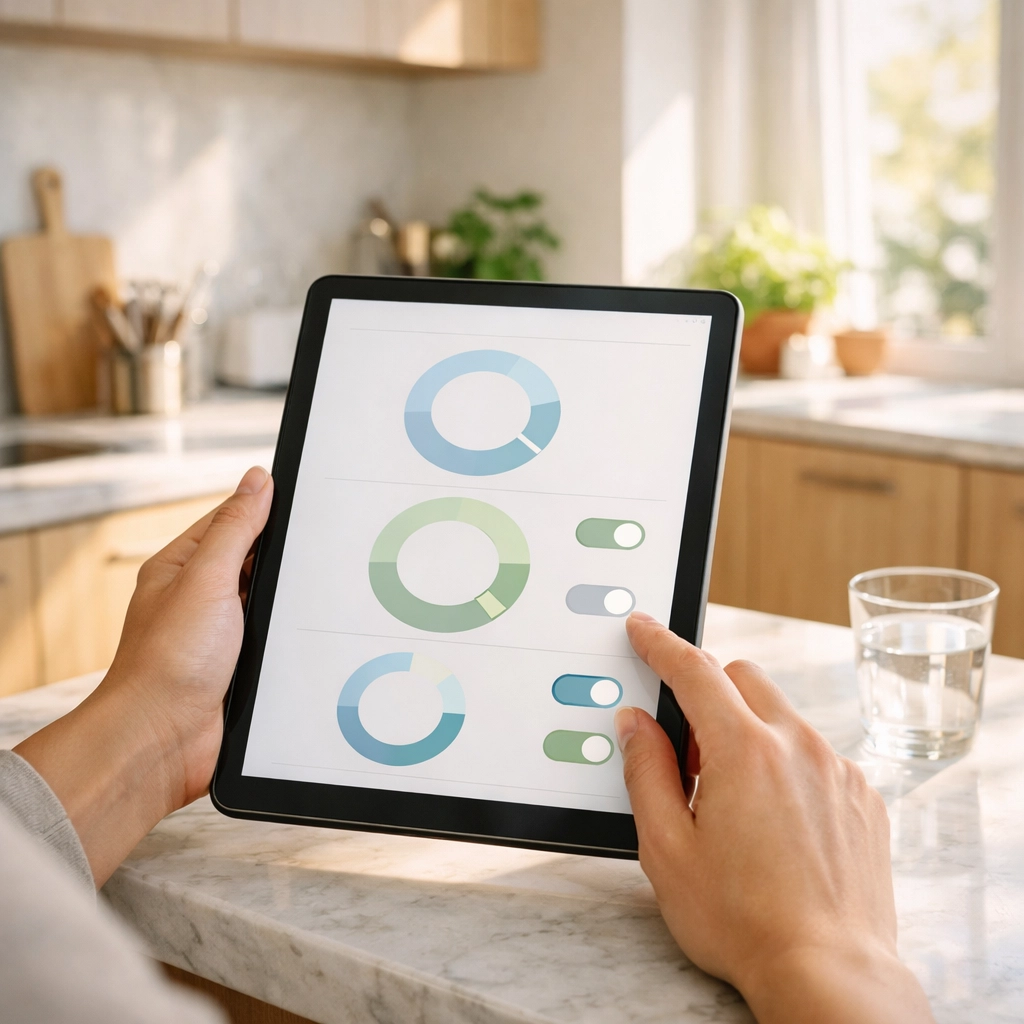
Extreme Control: You can control your entire home from an app. Want to turn off the guest room circuits while you're on vacation? One tap and it’s done.
Battery Ready: Most smart panels are designed to work perfectly with solar and battery backups, making them the ultimate choice for energy independence.
The Cons:
Learning Curve: You’ll need to get comfortable using an app to monitor your home’s energy.
Initial Tech Cost: The smart panel hardware itself is more expensive than a "dumb" traditional panel, though it often saves money on the total project cost.
Comparing the Two: Which One Wins for Portland?
Choosing between the two depends heavily on your goals and your home’s current setup. Here is how they stack up in the real world:
1. The Cost Factor
A standard service upgrade and panel replacement to 200 amps is usually the most budget-friendly option if your local utility lines are already capable of handling the load. However, if you are looking at a 400-amp upgrade that requires digging up your driveway or replacing utility poles, smart load management is almost always the cheaper path.
2. The "Electrification" Goal
Are you planning to go "net zero"? If you want solar, a battery backup (like a Tesla Powerwall), two EV chargers, and a full ductless mini-split system, smart load management is the winner. It allows all these components to talk to each other and work efficiently without overloading your home.
3. Installation Time
A traditional panel swap can often be done in a day, though the permitting and utility side can take weeks of waiting. Smart panels take a bit more configuration on the day of install, but since they often don't require changes to the utility service line, you might get your project finished sooner.
Why Choosing a Local Expert Matters
When searching for an electrician portland maine, you want someone who understands the local landscape. Our team at Downeast Electrical Services knows the specific requirements for permitting in Portland and how to work seamlessly with CMP.
We don't just "install boxes." We look at your home’s energy future. We can sit down for a consultation to look at your current usage and help you map out whether a traditional upgrade or a smart management system is the right investment for you.
Don't Forget the Incentives!
Maine is one of the best states in the country for energy incentives. Through programs like Efficiency Maine, you may be eligible for rebates on heat pumps and even some electrical upgrades. When you combine those with federal tax credits (like those in the Inflation Reduction Act), the cost of upgrading your home's "brain" becomes much more affordable.
Summary: Making the Right Choice
To help you decide, ask yourself these three questions:
Is my utility service (the wires coming to the house) already 200 amps? If yes, you might just need a residential device swap or a smart sub-panel.
Am I planning to add a battery backup? If yes, go with smart load management. It makes battery power last much longer during a Maine winter outage.
Is my budget tight but my power needs are high? A smart panel might be the "hack" you need to avoid a $15,000 utility bill.
Whether you decide to go with a traditional heavy-duty upgrade or a cutting-edge smart system, Downeast Electrical Services is here to help. We pride ourselves on making the process simple, clear, and hassle-free. There’s a reason we were voted the Best of the 207: we treat every Portland home like it’s our own.
Ready to power up your home? Contact us today for expert guidance and let’s get your Portland home ready for the future!
Stay tuned for more tips on how to keep your Maine home running efficiently and safely. We’re here to shed light on all your electrical needs!
Comments