
Looking for EV Chargers in Portland Maine? 10 Things You Should Know About the New 2026 Accessibility Rules
- Jan 12
- 5 min read
Electric vehicle adoption is speeding up across Maine, and with it comes important changes to how EV chargers need to be installed and accessed. If you're a Portland area resident or business owner thinking about EV charging, there are some key accessibility considerations you should know about for 2026.
While specific federal accessibility guidelines are still being finalized, the direction is clear: EV charging stations need to be accessible to everyone. Here's what you need to know to stay ahead of the curve in the Portland, Saco, Biddeford, and Kennebunk areas.
1. Height Requirements Are Getting Stricter
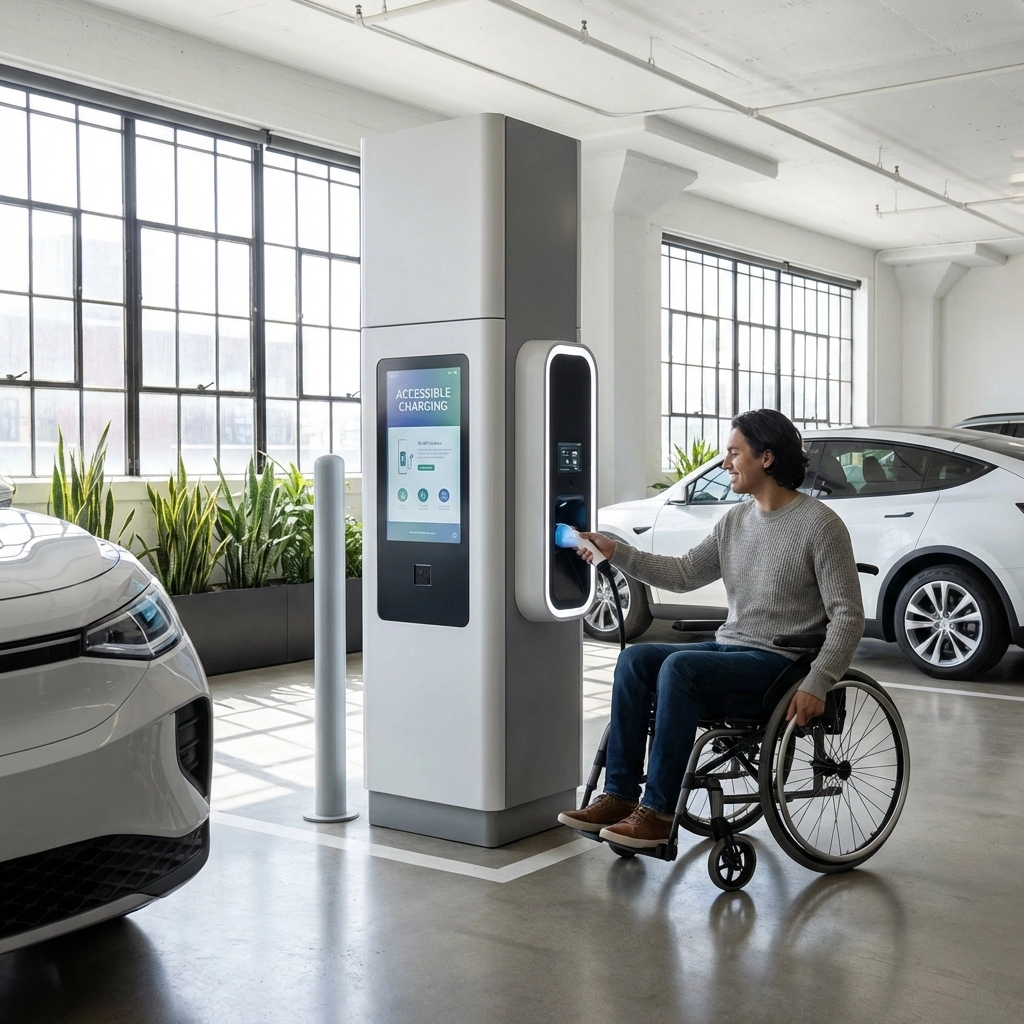
New accessibility standards focus heavily on the height of charging equipment. Charging ports, payment systems, and control buttons need to be within reach for wheelchair users. This typically means mounting equipment between 15 to 48 inches from the ground.
For businesses in Portland planning EV charger installations, this affects everything from your electrical panel placement to the actual charging station design. Working with experienced electricians in Maine who understand these requirements from the start saves you costly retrofits later.
2. Parking Space Dimensions Matter More Than Ever
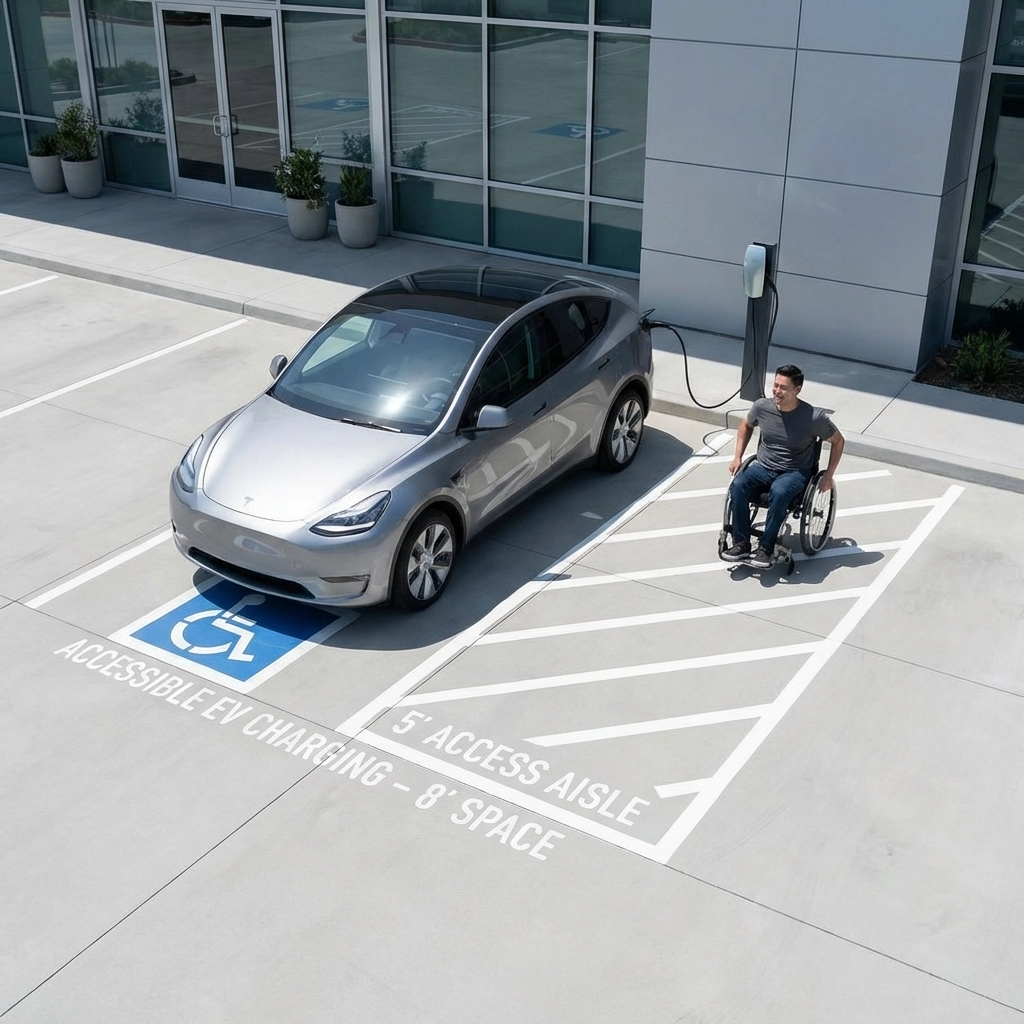
Standard parking spaces won't cut it for accessible EV charging. The new guidelines require accessible charging spaces to be at least 8 feet wide with an additional 5-foot access aisle. This is wider than typical accessible parking spaces.
In busy areas like downtown Portland or near the USM campus (where there are already 58 level-2 charging plugs), proper space planning becomes critical. Many businesses underestimate how much real estate accessible charging actually requires.
3. Clear Path Requirements Are Expanding
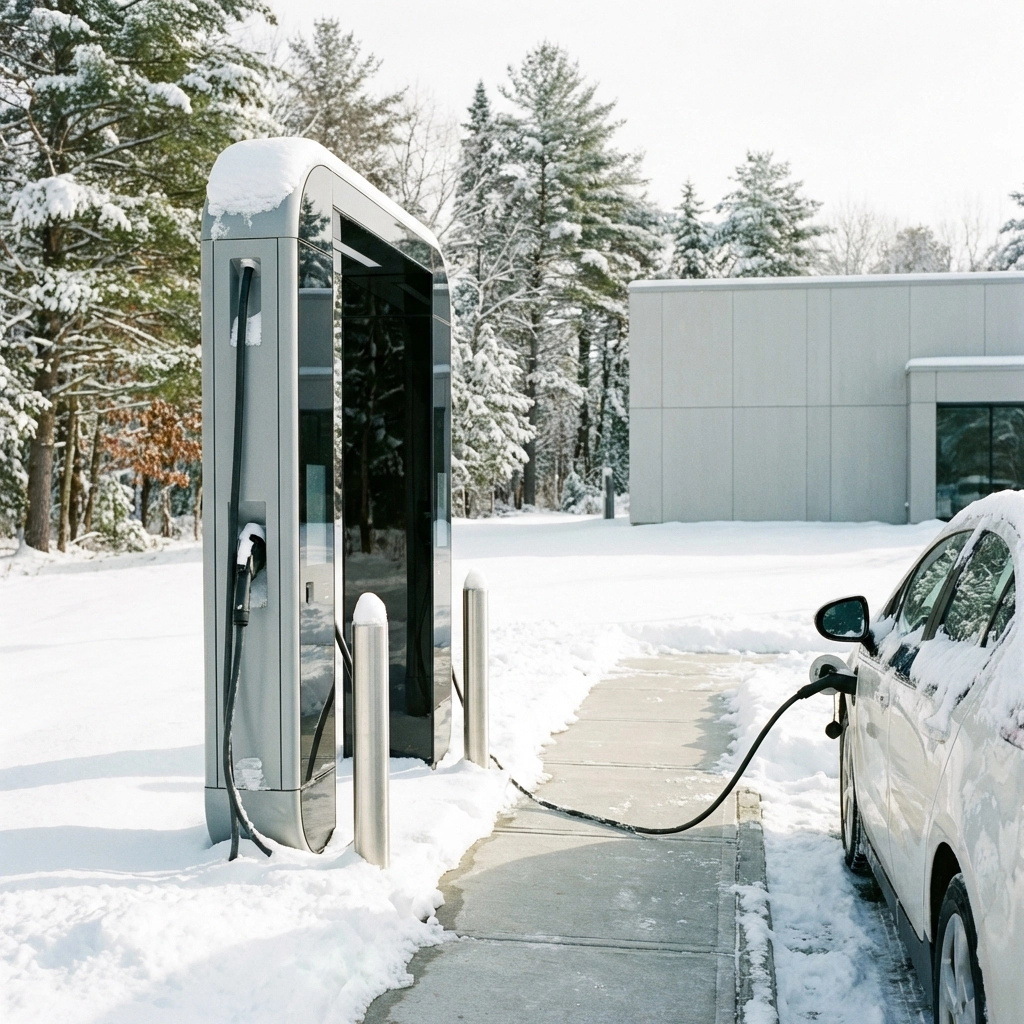
The path from accessible parking to the charging equipment needs to be completely clear and level. This includes everything from the car door to the charging port and payment system.
For Portland area businesses, this means considering snow removal, drainage, and general maintenance differently. A Portland Maine electrician familiar with local weather patterns can help plan installations that stay accessible year-round.
4. Payment and Operation Systems Need Universal Design
All charging station interfaces - screens, card readers, apps - need to work for people with various disabilities. This includes large buttons, high contrast displays, and audio assistance options.
Many of the current EV chargers Portland Maine residents use, like the EVgo station at 98 High St, are already incorporating these features. But older installations may need updates to meet the stricter 2026 standards.
5. Signage Requirements Are Getting More Specific
Proper signage isn't just helpful - it's required. Accessible EV charging spaces need specific symbols, height requirements for signs, and clear visibility from both the driving lane and parking areas.
This affects both the electrical work and the overall site planning. Signs need proper lighting (which means additional electrical considerations) and weather-resistant materials that work in Maine's harsh winters.
6. Multi-Unit Buildings Face Special Requirements
Apartment buildings and condominiums in the Portland area have additional considerations. Accessible charging needs to be available in proportion to the total number of accessible parking spaces required for the building.
For property managers in Saco, Biddeford, or Kennebunk, this often means planning electrical infrastructure that can support multiple accessible charging stations, not just meeting minimum requirements.
7. Workplace Charging Has Different Standards
Businesses providing EV charging for employees face different accessibility requirements than public charging stations. However, the standards are becoming more aligned, especially for businesses open to the public.
Companies in the greater Portland area should plan for these converging standards rather than installing workplace charging that might not meet future public accessibility requirements.
8. Maintenance and Snow Removal Become Critical
Maine winters add complexity to accessibility requirements. Snow and ice can quickly make an accessible charging station unusable. Property owners need year-round maintenance plans that prioritize accessibility.
This includes everything from heated charging cables to snow removal equipment that won't damage electrical components. Local electricians in Maine who understand both accessibility standards and winter conditions are essential for proper planning.
9. Electrical Panel Placement Affects Accessibility
Where you put the electrical components affects the entire accessibility design. Electrical panels, disconnects, and other equipment need to be positioned so they don't interfere with accessible paths or parking spaces.
This requires careful coordination between your electrical contractor and site designers. Many Portland area installations have run into problems because electrical planning happened separately from accessibility planning.
10. Future-Proofing Is More Important Than Ever
The 2026 accessibility standards are just the beginning. Federal guidelines will likely become stricter over time, and Maine may add its own requirements.
Smart property owners in the Portland area are installing electrical infrastructure that exceeds current minimums. This includes higher-capacity electrical panels, additional conduit for future equipment, and flexible mounting systems that can adapt to changing requirements.
What This Means for Portland Area Residents and Businesses
The bottom line is that EV charging accessibility is becoming more regulated and more important. Whether you're installing a home charging station or planning commercial charging for your business, these considerations affect your electrical planning from day one.
For residential installations in Portland, Saco, Biddeford, or Kennebunk, many accessibility principles still apply, especially if you have visitors who might need accessible charging or if you ever plan to sell your home.
Getting Started With Accessible EV Charging
The key to successful accessible EV charging installation is planning early and working with professionals who understand both electrical requirements and accessibility standards.
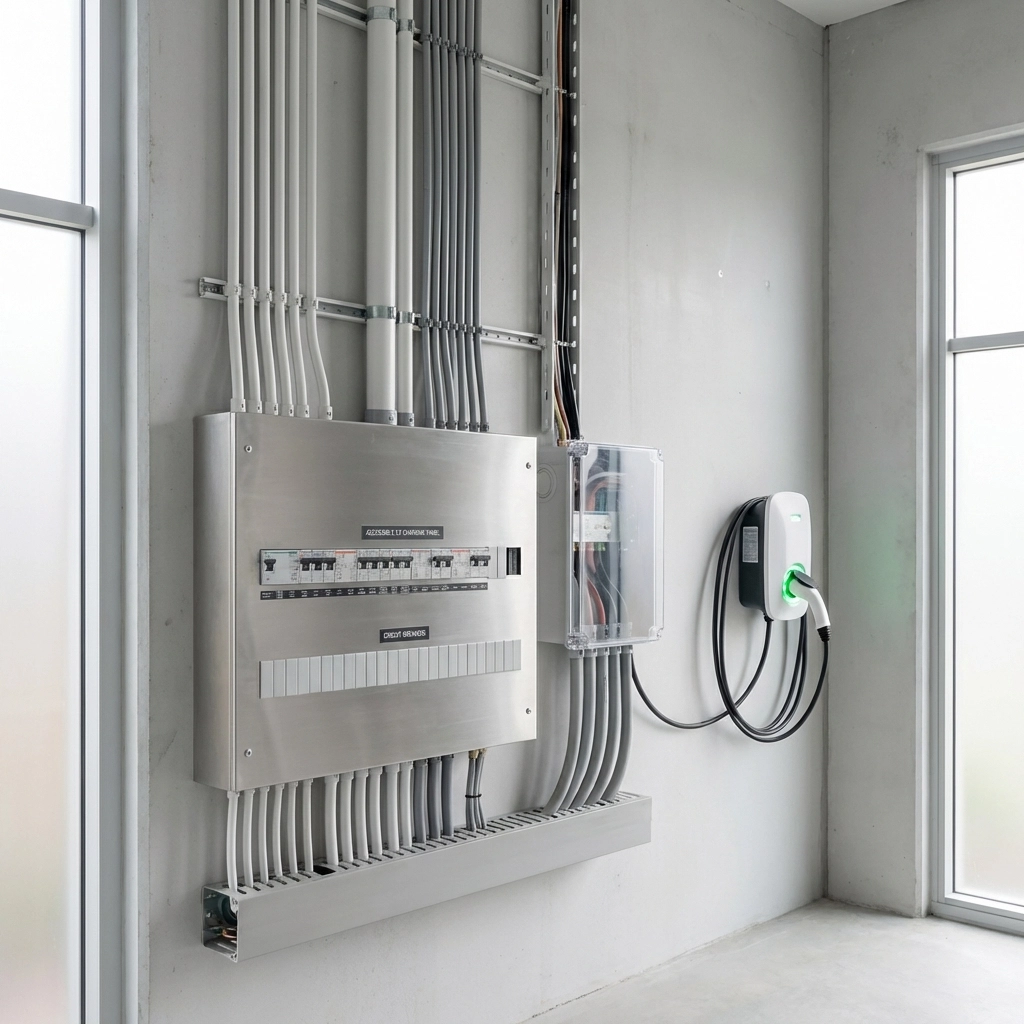
Start by evaluating your current electrical capacity. Most accessible EV charging installations require electrical panel upgrades, especially in older Portland area homes and buildings. A qualified Portland Maine electrician can assess your current system and plan for both your immediate needs and future accessibility requirements.
Consider the total cost of ownership, including maintenance and snow removal for outdoor installations. Accessible charging stations often require more intensive maintenance to stay compliant, but they also serve a broader range of users.
Current Charging Options While You Plan
While planning your accessible charging installation, Portland area residents can use existing charging infrastructure. The Tesla Supercharger on Brighton Avenue offers 12 outlets with up to 325 kW capacity, and the EVgo station at 98 High St provides 24-hour access with multiple connector types.
The University of Southern Maine's parking garage charging system shows how accessible charging can work in practice, with reasonable pricing ($1.25/hour during the day, $1.00/hour at night) and easy app-based payment systems.
Working With the Right Electrical Contractor
Accessible EV charging installation requires specialized knowledge that goes beyond standard electrical work. Your contractor needs to understand accessibility codes, electrical capacity planning, and local permitting requirements.
Look for electricians in Maine who have experience with both commercial accessibility projects and EV charging installations. This combination is still relatively rare but essential for getting installations right the first time.
The investment in proper accessible EV charging pays off through increased property values, broader appeal to potential customers or residents, and compliance with evolving regulations. Plus, you're contributing to making electric vehicle adoption truly accessible to everyone in our community.
Planning accessible EV charging installations now positions you ahead of the 2026 requirements and demonstrates commitment to serving all members of the Portland area community. Contact experienced local electrical professionals to discuss your specific needs and ensure your installation meets both current and future accessibility standards.
Comments