
Looking for Electricians in Maine? Here Are 10 Things You Should Know About the New Energy Code Changes (Before They Cost You Thousands)
If you're a Maine homeowner or business owner planning electrical work, you're probably wondering how recent energy code changes might affect your project and your wallet. The short answer? These updates could save you money in the long run, but they might also mean higher upfront costs if you're not prepared.
We're here to break down everything you need to know about Maine's evolving energy codes so you can make smart decisions about your electrical projects. Let's dive into the 10 most important things every property owner should understand before hiring electricians in Maine.
What Are Energy Codes and Why Do They Matter?
Energy codes are regulations that set minimum standards for energy efficiency in buildings. Think of them as guidelines that help reduce energy waste, lower utility bills, and make our homes safer and more comfortable.
In Maine, these codes affect everything from panel upgrades to EV charger installations. Understanding them before you start your project can literally save you thousands of dollars in compliance costs and future utility bills.
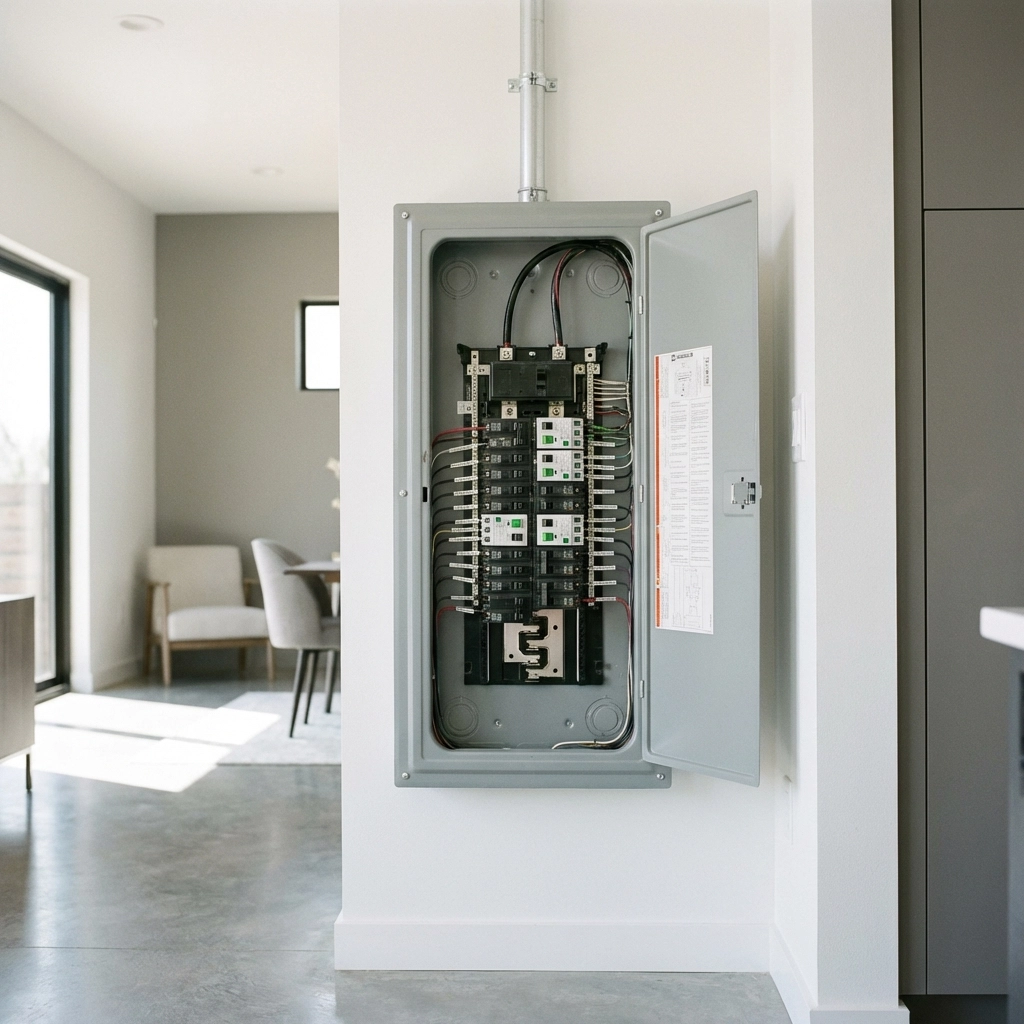
1. Panel Upgrades Now Require Enhanced Arc-Fault Protection
H2: New AFCI Requirements Are More Comprehensive
One of the biggest changes affecting Maine electricians is the expanded requirement for Arc-Fault Circuit Interrupters (AFCIs). If you're upgrading your electrical panel, you'll need AFCI protection in more areas of your home than before.
H3: What This Means for Your Wallet
New AFCI breakers cost $30-50 more than standard breakers
A typical panel upgrade might require 8-12 AFCI breakers
Total additional cost: $240-600 per project
The good news? These devices prevent electrical fires and can actually save you money on homeowner's insurance.
2. Ground-Fault Protection Rules Have Expanded
Ground-Fault Circuit Interrupters (GFCIs) are now required in more locations throughout Maine homes. This isn't just about bathrooms and kitchens anymore.
H3: New GFCI Requirements Include:
Unfinished basements
Crawl spaces
Garages (even outlets not used for vehicles)
Outdoor receptacles within 25 feet of pools
When hiring electrical companies in Maine, make sure they're aware of these expanded requirements to avoid costly callbacks.
3. EV Charger Pre-Wiring Is Becoming Standard
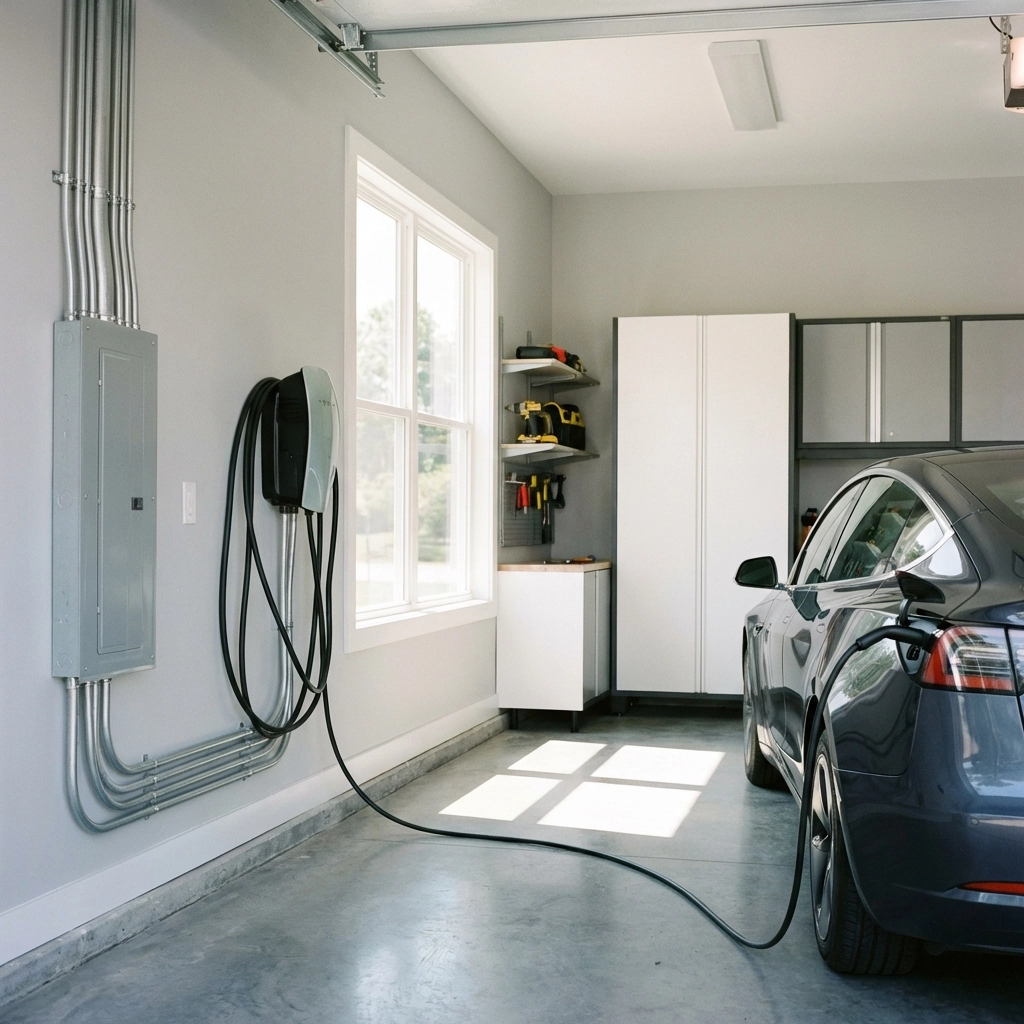
With Maine's push toward electric vehicles, many municipalities now encourage or require EV charger pre-wiring in new construction and major renovations.
H2: Smart Planning Saves Money Later
Even if you don't own an electric vehicle yet, installing the proper wiring during other electrical work is much cheaper than adding it later. The infrastructure for a Level 2 EV charger typically adds $300-500 to a project when done simultaneously with other work, versus $1,200-2,000 as a standalone project.
4. Energy-Efficient Lighting Requirements Are Stricter
New energy codes in Maine require a higher percentage of lighting fixtures to be energy-efficient. This affects both residential and commercial properties.
H3: LED Requirements Now Include:
75% of permanently installed fixtures must use LED technology
Recessed lighting must meet specific efficacy standards
Outdoor lighting has stricter controls for light pollution
5. Smart Home Pre-Wiring Is Encouraged
While not always mandatory, many Maine municipalities now encourage smart home infrastructure during electrical work. This includes:
Low-voltage wiring for smart thermostats
Structured wiring for home automation
Enhanced Wi-Fi infrastructure wiring
Maine electricians who understand these systems can help you future-proof your home while staying code-compliant.
6. Heat Pump Electrical Requirements Have Changed

With Maine's focus on energy efficiency, heat pump installations have specific electrical requirements under the new codes.
H2: Dedicated Circuits Are Now Mandatory
Heat pumps now require dedicated electrical circuits with proper sizing calculations. This often means:
30-50 amp circuits for whole-house systems
Separate disconnect switches within sight of outdoor units
Proper grounding and bonding requirements
If you're considering a ductless mini-split system, working with experienced electricians in Maine ensures your installation meets all current codes.
7. Surge Protection Is Now Required in Many Cases
Whole-house surge protection is becoming mandatory for new electrical panels and major upgrades in Maine. This protects your expensive electronics and appliances from power surges.
H3: Cost vs. Benefit Breakdown:
Whole-house surge protector: $150-300
Installation labor: $100-200
Potential savings from protected equipment: $5,000-15,000
8. Outdoor Electrical Standards Have Tightened
New codes affect outdoor electrical work significantly. If you're adding outdoor outlets, lighting, or equipment, be aware of these changes:
Weather-resistant outlets are now required in more locations
Outdoor circuits need enhanced protection
Pool and hot tub wiring has stricter requirements
9. Energy Monitoring Systems May Be Required
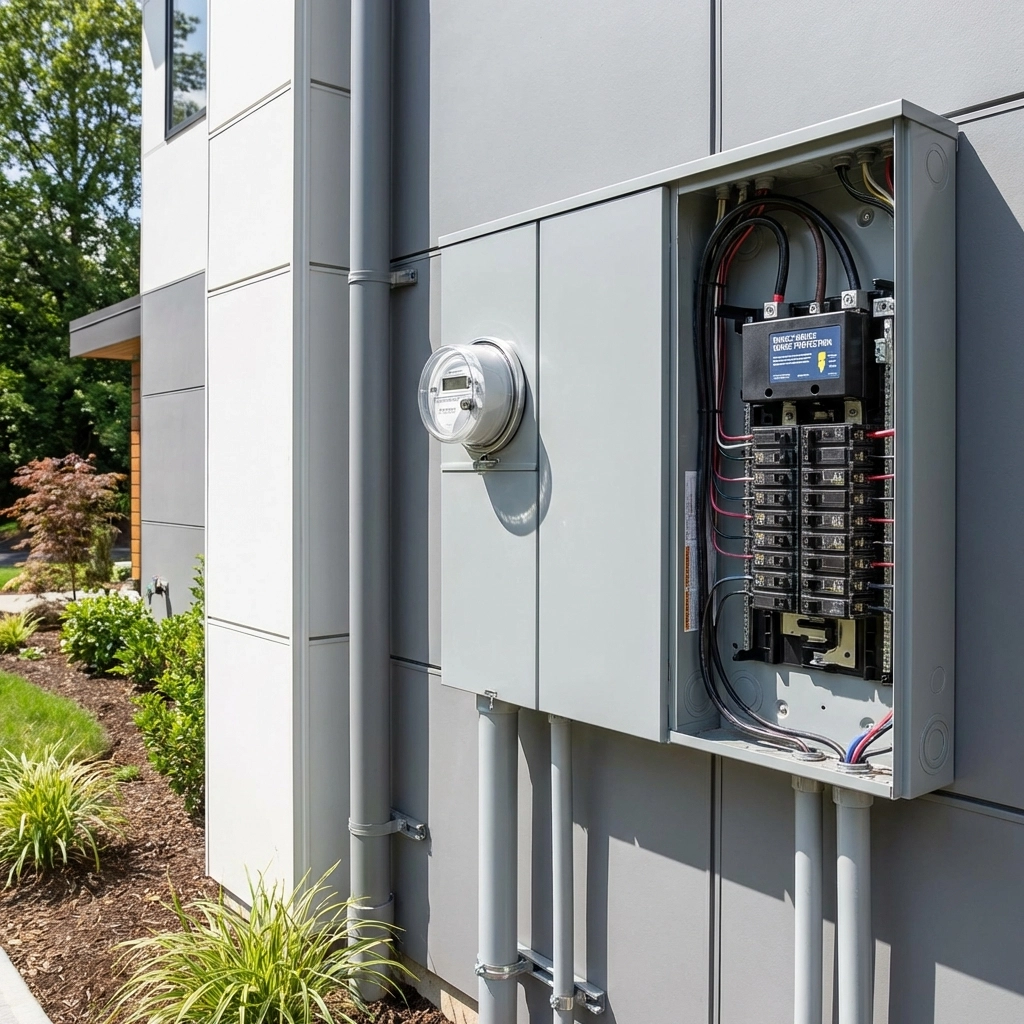
Some Maine jurisdictions now require or incentivize energy monitoring systems for major electrical upgrades. These systems help homeowners track energy usage and identify efficiency opportunities.
H2: Understanding the Investment
While adding monitoring systems increases upfront costs by $200-500, they can help identify energy waste worth hundreds of dollars annually.
10. Permit and Inspection Requirements Have Expanded
Perhaps most importantly, more electrical work now requires permits and inspections. This affects project timelines and costs.
H3: What Now Requires Permits in Maine:
Most panel upgrades (even like-for-like replacements)
EV charger installations
Whole-house surge protector installations
Major outlet additions or relocations
Working with licensed electrical companies in Maine ensures your project gets proper permits and passes inspections the first time.
Planning Your Electrical Project: What You Need to Know
Before starting any electrical work in Maine, consider these steps:
Get a consultation with licensed Maine electricians to understand code requirements
Budget for upgrades - code compliance might require more work than expected
Plan for permits - factor in 1-2 weeks for permit approval
Consider future needs - it's cheaper to install extra capacity now than upgrade later
The Bottom Line: Compliance Saves Money
While these new energy codes might increase your initial project costs, they're designed to save you money over time through improved efficiency and safety. The key is working with experienced electricians in Maine who understand both the codes and how to implement them cost-effectively.

At Downeast Electrical Services, we stay current with all Maine electrical codes and can help you navigate these changes while keeping your project on budget. Whether you need a service upgrade, EV charger installation, or general electrical work, we ensure your project meets current codes while maximizing your investment.
Don't let code changes catch you off guard. Contact us for expert guidance on your next electrical project and see how we can help you save money while staying compliant with Maine's evolving energy standards.
Comments