
Heat Pump Water Heaters in Maine: The $800 Efficiency Maine Rebate and How It Pairs With Your Mini-Split
- 10 minutes ago
- 6 min read
If you are a Southern Maine homeowner looking for practical ways to lower energy use, a heat pump water heater may deserve a closer look. It can reduce the cost of heating water, provide steady hot water, and work well alongside an efficient ductless mini-split system.
You may have also heard about an Efficiency Maine rebate of around $800. The short answer is that incentive amounts have changed over time. As of August 25, 2026, Efficiency Maine lists a $1,200 instant discount through August 31, 2026 at participating retailers, while qualifying purchases without an instant discount may qualify for a $1,150 mail-in rebate. Programs can change, so always confirm the current details before purchasing.
Here is what Southern Maine homeowners should know.
What Is a Heat Pump Water Heater?
A traditional electric water heater uses electric resistance heating to warm the water inside its tank. A heat pump water heater works differently.
Instead of creating heat directly, it uses electricity to move heat from the surrounding air into the water. This makes it similar in principle to a mini-split heat pump.
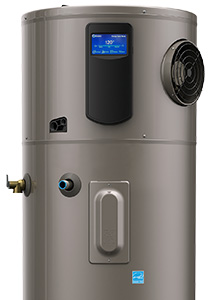
A heat pump water heater typically includes:
An insulated hot water tank
A heat pump compressor
An air intake and exhaust system
Backup electric heating elements
Controls that allow you to select different operating modes
The heat pump gathers available heat from the room and transfers it into the tank. Because moving heat usually requires less energy than creating heat with resistance coils, the system can use substantially less electricity than a standard electric water heater.
Efficiency Maine reports that heat pump water heaters can save more than $500 per year compared with traditional electric water heaters, although actual savings depend on household size, water use, utility rates, and operating settings. You can learn more through Efficiency Maine’s heat pump water heater information.
How Much Is the Efficiency Maine Rebate?
The rebate amount is one of the biggest reasons Maine homeowners are considering this upgrade.
Current Efficiency Maine information lists the following options:
$1,200 instant discount at participating retailers, offered as a limited-time promotion through August 31, 2026
$1,150 mail-in rebate for qualifying units purchased without an instant discount
One incentive per installation address per calendar year
New equipment must be installed in Maine
The water heater must be ENERGY STAR certified
Instant discounts and mail-in rebates cannot be combined
For a mail-in rebate, Efficiency Maine requires a copy of the retailer or wholesaler receipt showing the purchase date, price, and model number. The completed form must generally be submitted within six months of purchase.
Visit the Efficiency Maine heat pump water heater program page for current terms, participating retailers, and application instructions.
Because rebate amounts and deadlines can change, it is smart to verify the offer before ordering equipment. A unit that qualifies today may have different pricing or paperwork requirements later.
What Electrical Work Does a Heat Pump Water Heater Need?
Most standard integrated heat pump water heaters require a 240-volt dedicated circuit, often rated at approximately 30 amps. The exact requirements depend on the make and model, so the installation instructions should always be checked.
A dedicated circuit means the water heater has its own circuit from the electrical panel. It should not share that circuit with another major appliance.
Your electrical installation may include:
Evaluating the existing electrical panel
Confirming that adequate capacity is available
Installing a new two-pole breaker if needed
Running the properly sized cable or conduit
Connecting the water heater to its dedicated circuit
Verifying grounding, disconnecting means, and overcurrent protection
Completing any required permit or inspection steps
If you already have a conventional electric water heater, you may already have a suitable 240-volt circuit in place. However, the existing wiring and breaker still need to be checked against the new unit’s requirements.
If your current water heater runs on oil, propane, or natural gas, a new electrical circuit will likely be needed. In some homes, the electrical panel may also need additional work before the new circuit can be installed.

Do You Need a Panel Upgrade?
Not always. Many homes have enough available capacity for a heat pump water heater, especially if the new unit replaces another electric appliance with similar electrical requirements.
However, Southern Maine homeowners may also be adding other electrical loads at the same time, such as:
A ductless mini-split
An electric vehicle charger
An induction range
A heat pump dryer
Additional living space
Workshop equipment
When several upgrades are planned, a load evaluation can help determine whether your current service is ready. If your panel is full or your home has an older service, a service upgrade or subpanel may be appropriate.
Our service upgrade and panel services can help you plan for modern electrical demands before equipment is installed.
Where Should a Heat Pump Water Heater Be Installed?
Heat pump water heaters need access to surrounding air. They are often installed in basements, utility rooms, garages, or mechanical spaces.
The location should have:
Enough air volume around the unit
Adequate clearance for filter changes and service
A suitable drain or condensate pump
Protection from freezing temperatures
A nearby electrical connection
Safe access for installation and future maintenance
Because the unit moves heat out of the room, it can slightly cool and dehumidify the surrounding space. That can be helpful in a warm, damp basement during the summer.
In a cold Maine winter, however, placement matters. A heat pump water heater installed in a very cold or enclosed area may operate less efficiently or rely more often on its backup heating elements. A qualified professional can help determine whether the space is appropriate.
How Does a Heat Pump Water Heater Pair With a Mini-Split?
A heat pump water heater and a mini-split both use heat pump technology, but they serve different purposes.
A mini-split provides heating and cooling for living spaces.
A heat pump water heater heats domestic water for showers, sinks, laundry, and appliances.
Together, they can help reduce your home’s reliance on less-efficient heating methods and make your electrical use more productive.
A mini-split can provide efficient room-by-room comfort, while a heat pump water heater can reduce the energy needed for hot water. If you are already researching whole-home electrification, installing both systems may be a logical step-by-step approach.

Why Are Mini Splits So Expensive?
Many homeowners searching for heat pump upgrades ask, “Why are mini splits so expensive?”
The upfront price usually includes much more than the indoor wall unit. A professional mini-split installation may include:
Outdoor and indoor equipment
Refrigerant lines
Electrical wiring and disconnects
Wall penetrations and weatherproofing
Mounting hardware
Drainage components
Labor and commissioning
Permits and inspections
System sizing and placement recommendations
The installation cost can also vary based on the number of zones, distance between indoor and outdoor units, access to the work area, and whether an electrical service upgrade is required.
Although the initial investment can be significant, mini-splits offer efficient heating and cooling, zoning, quiet operation, and year-round use. Downeast Electrical Services installs ductless mini-split systems throughout Southern Maine, including systems from MRCOOL and Samsung.
Installing a heat pump water heater at the same time as a mini-split may also make planning easier. Your electrician can review the panel, coordinate circuits, and identify electrical improvements before multiple projects are underway.
A Practical Planning Checklist
Before purchasing a heat pump water heater, consider these questions:
Is the unit ENERGY STAR certified?
Which Efficiency Maine incentive applies?
Is an instant discount available?
Does the unit require 240 volts and a 30-amp dedicated circuit?
Is there enough room around the tank?
Where will condensate drain?
Is the installation area protected from freezing?
Does the electrical panel have enough capacity?
Will you be adding a mini-split or another major electrical load?
Who will handle plumbing, electrical, permits, and inspections?
A heat pump water heater may be installed as part of a larger energy-efficiency plan or as a stand-alone upgrade. Either way, planning the electrical work early can help avoid surprises.
Work With Southern Maine Electric Professionals
Heat pump water heaters are an approachable, efficient option for many Maine homes. With the right location, a dedicated circuit, and a current Efficiency Maine incentive, the project may be more affordable than expected.
Our team of licensed and insured electricians can help evaluate your electrical service, install the required circuit, coordinate panel improvements, and support your broader mini-split plans. We are also an Efficiency Maine Registered Vendor and an official Samsung and MRCOOL distributor and installer.
If you are comparing Maine electricians for a heat pump water heater, mini-split, or service upgrade, contact Downeast Electrical Services to discuss your home and project goals.
A heat pump water heater can lower water-heating costs. A mini-split can improve heating and cooling efficiency. Together, they can move your home toward more comfortable and practical whole-home energy savings.
Stay tuned for more informative blog posts from Downeast Electrical Services.
Comments