
Are You Making These 7 Common Mistakes with Heat Pump Installations? (What Electrical Experts in Saco, Biddeford, and Kennebunk Want You to Know)
If you're considering a heat pump installation in Saco, Biddeford, or Kennebunk, you're making a smart choice for Maine's climate. Heat pumps offer excellent energy efficiency and year-round comfort. However, installation mistakes can turn your investment into a costly headache that leaves you shivering during those harsh Maine winters.
We've seen it all over the years – from DIY disasters to professional oversights that cost homeowners thousands in repairs and sky-high energy bills. The good news? Most of these problems are completely avoidable when you know what to watch for.
Let's dive into the seven most common heat pump installation mistakes we encounter in southern Maine, so you can protect your investment and enjoy reliable comfort all year long.
Mistake #1: Poor Outdoor Unit Placement and Height
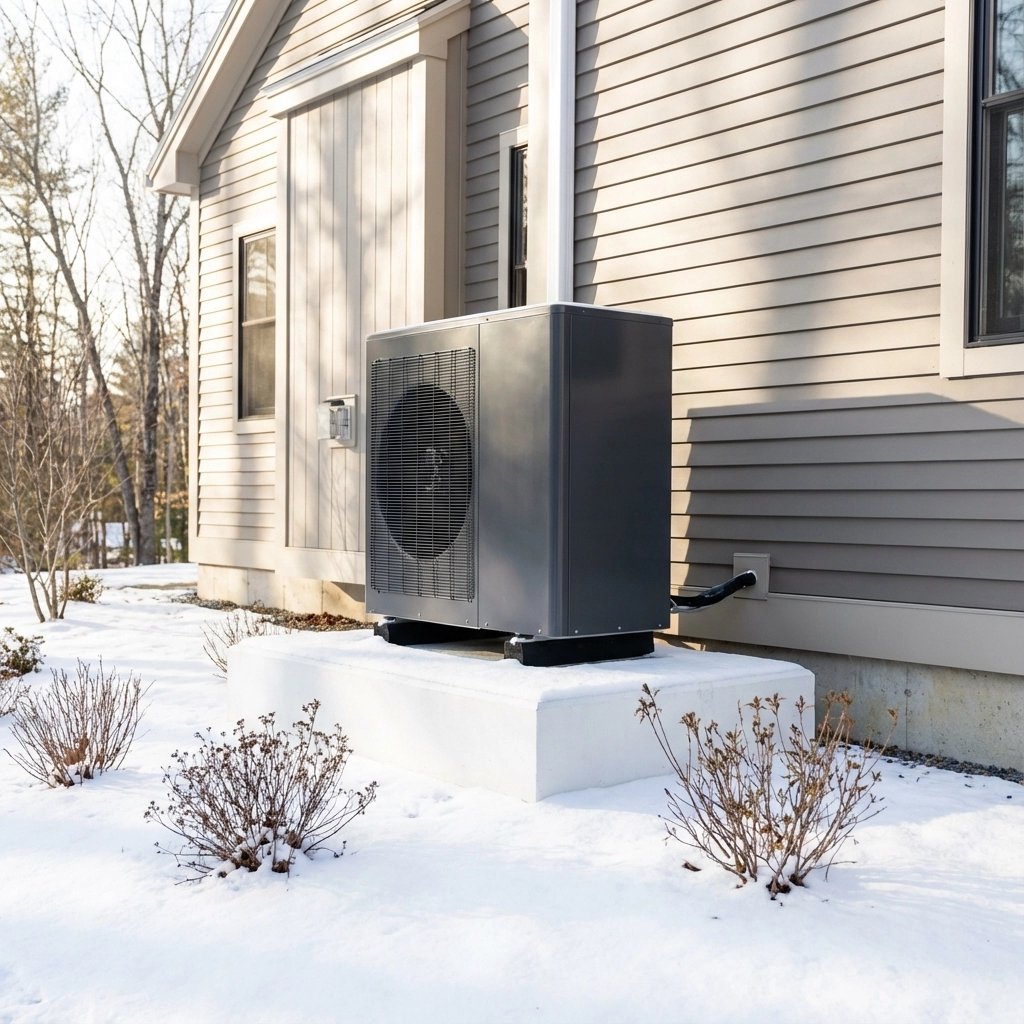
Your heat pump's outdoor unit placement can make or break your system's performance, especially here in Maine where we deal with heavy snow and ice.
The Problem: Many installations place the outdoor unit too close to the ground or in problematic locations. When your unit sits directly on the ground or too low, snow and ice accumulate around it during winter. This buildup can trigger internal malfunctions, damage fan blades, and even cause your system to shut down completely when you need it most.
The Solution: Your outdoor unit should be mounted on a platform or stand 6 to 12 inches above ground level. This clearance prevents snow buildup and allows proper drainage. Additionally, position the unit away from areas where roof runoff, tree dripping, or ice formations could affect it.
We also recommend keeping the unit at least three feet away from walls, fences, or shrubs to ensure adequate airflow. Poor airflow forces your system to work harder, increasing energy costs and reducing its lifespan.
Mistake #2: Incorrect Indoor Unit Location
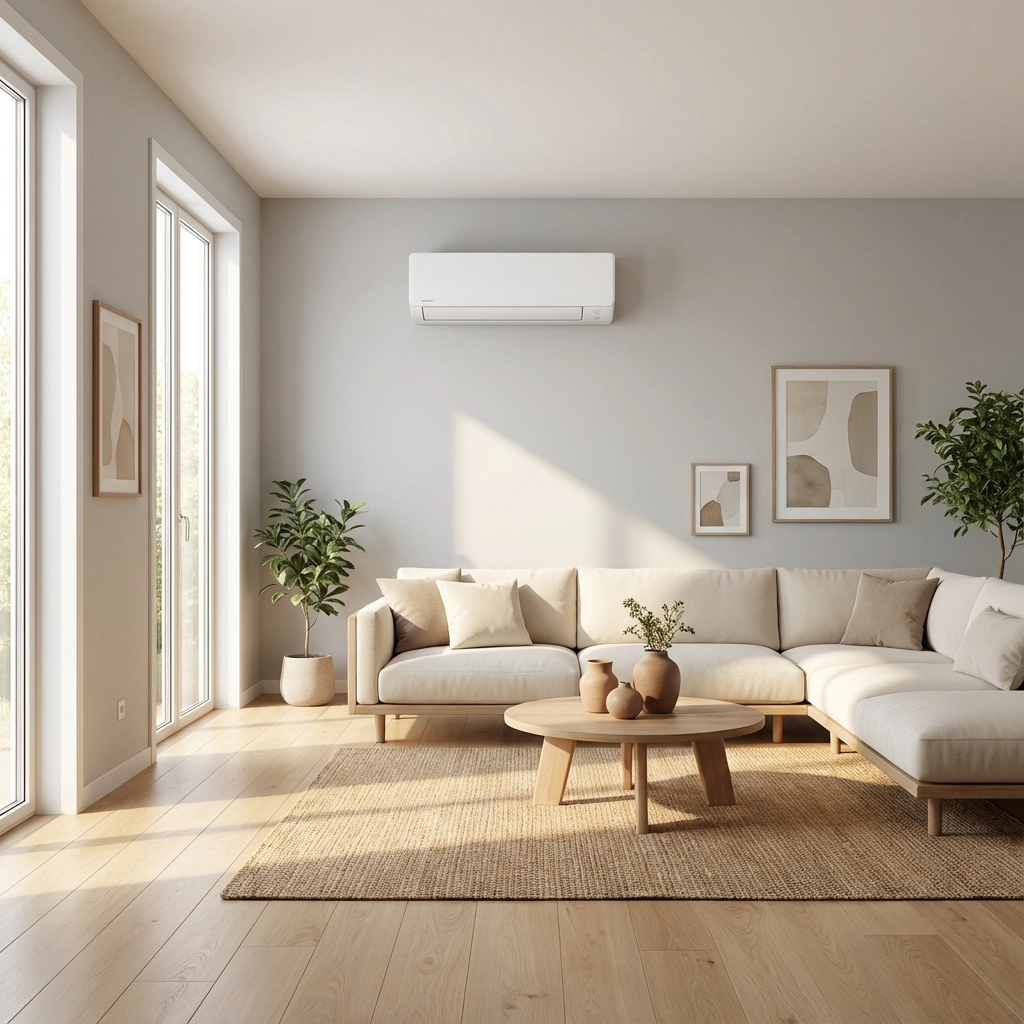
Where you place your indoor unit dramatically affects your comfort and energy efficiency.
The Problem: Indoor units installed too low, too high, or in the wrong room create uneven temperatures and poor air circulation. We've seen units installed barely five feet off the ground or crammed into corners where they can't distribute air properly.
The Solution: Install your indoor unit at least 6 feet off the ground but 6 to 12 inches below the ceiling. This height allows optimal air distribution throughout your room. Avoid placing units directly above seating areas or beds, as this creates uncomfortable drafts.
Choose a central location on an interior wall whenever possible. Exterior walls can reduce efficiency due to temperature transfer through the wall itself.
Mistake #3: Improper Refrigerant Line Installation
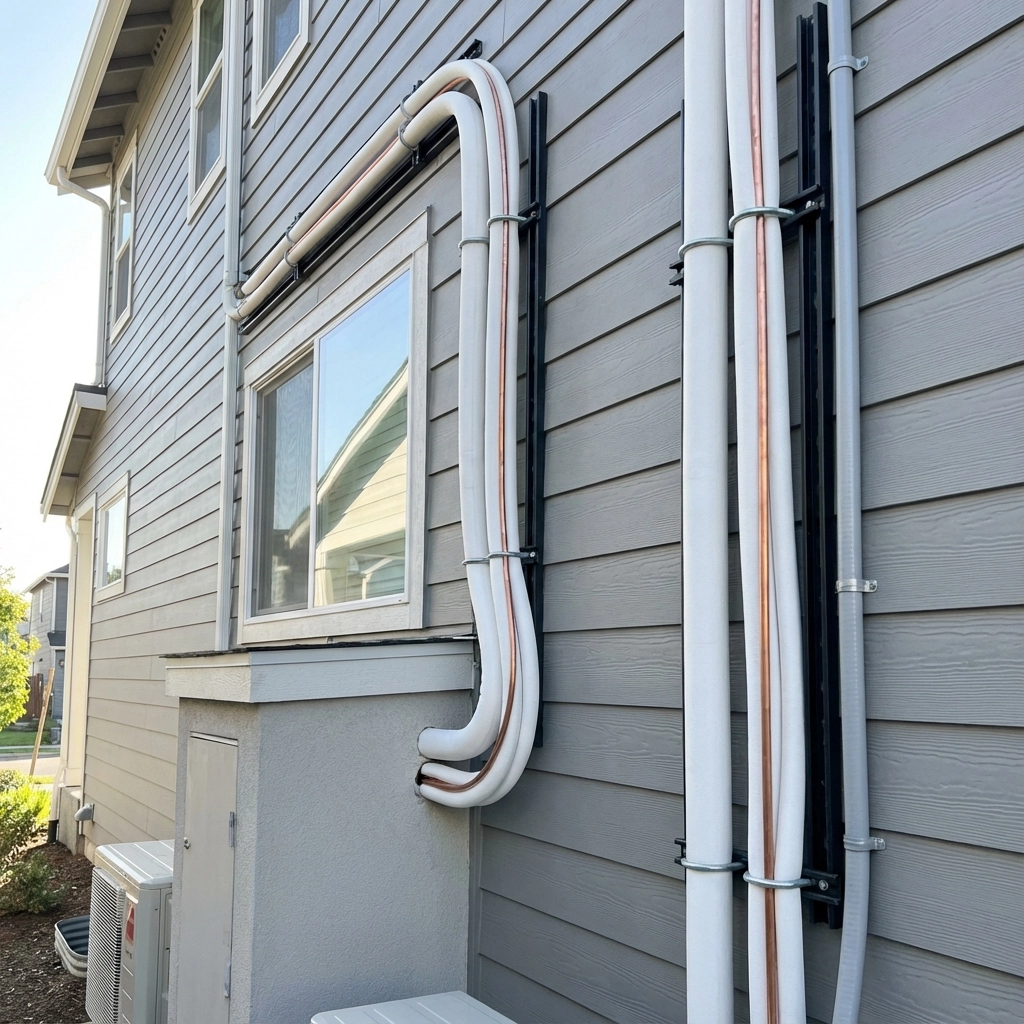
Refrigerant lines are the lifeline of your heat pump system, yet they're often installed incorrectly.
The Problem: Loose, sagging, or improperly secured line sets reduce system efficiency and can cause expensive damage. Lines that are looped, zip-tied carelessly, or have excess length force refrigerant to travel further than necessary, decreasing performance. Over time, poorly supported lines may sag, creating kinks that restrict refrigerant flow.
The Solution: Line sets must be properly mounted and secured with appropriate brackets. They should follow the most direct path between indoor and outdoor units without unnecessary loops or coils. When lines enter your home, they should be routed behind the indoor unit and sealed properly to prevent air leaks and maintain aesthetics.
Professional installation ensures lines are properly insulated, preventing condensation issues and energy loss.
Mistake #4: Wrong System Size for Your Home
This might be the costliest mistake of all – installing a heat pump that doesn't match your home's actual heating and cooling needs.
The Problem: Undersized units run constantly without cycling off, never reaching your desired temperature and wearing out prematurely. Oversized units short cycle, turning on and off too frequently, which wastes energy and creates uneven temperatures throughout your home.
The Solution: Proper sizing requires a detailed load calculation that considers your home's square footage, insulation levels, window types, ceiling height, and local climate conditions. This isn't guesswork – it's precise engineering that ensures your system operates efficiently.
Here in Saco, Biddeford, and Kennebunk, homes built in different eras have varying insulation standards and architectural features that affect sizing requirements. A professional assessment accounts for these local factors.
Mistake #5: DIY Electrical and Refrigerant Handling
While we appreciate the DIY spirit, heat pump installation involves specialized skills that can be dangerous without proper training.
The Problem: Skipping the vacuum process is particularly common in DIY installations. This critical step removes air and moisture from refrigerant lines. Without proper vacuuming, moisture mixes with refrigerant to form corrosive acids that destroy your compressor – an expensive component to replace.
Poor electrical connections create safety hazards and can damage your system. Incorrect wire gauge, improper breaker sizing, or faulty conduit installation can cause fires or electrocution.
The Solution: Professional technicians use specialized vacuum pumps to achieve proper vacuum levels (at least 500 microns) and perform decay tests to ensure system integrity. They also follow local electrical codes and use proper wire gauges and conduits for safe, reliable operation.
Our experienced team handles all electrical work according to Maine's electrical codes, ensuring your installation passes inspection and operates safely.
Mistake #6: Drainage and Mounting Issues
Proper drainage and secure mounting prevent water damage and system stress.
The Problem: Indoor units must drain condensation properly, but improper installation creates water problems. Units that aren't pitched correctly toward the drain line, or drain hoses with sags or improper routing, can cause water to back up and damage your home.
Outdoor units that aren't level or properly mounted vibrate excessively, creating noise and stress that shortens system life.
The Solution: Indoor units need slight pitching toward the drain line, and drain hoses must run downhill without sags or loops. We ensure proper drainage to prevent water damage and maintain system efficiency.
Outdoor units should be perfectly level both side-to-side and front-to-back. We mount them on concrete pads or secure wall brackets rather than loose materials that can shift over time.
Mistake #7: Ignoring Post-Installation Settings and Maintenance
Even perfect installation can be undermined by incorrect settings and poor maintenance.
The Problem: Improper thermostat settings, wrong backup heat configurations, and neglected maintenance reduce efficiency and shorten system life. Many homeowners don't realize their backup heat settings can dramatically affect energy costs.
Using the wrong air filters or ignoring ductwork issues also forces your system to work harder than necessary.
The Solution: We configure your thermostat settings for optimal efficiency and explain how to avoid unnecessary backup heat usage. Regular maintenance, including proper air filter selection (MERV 8 or higher) and ductwork inspection, keeps your system running efficiently.
We also check for air leaks in your ductwork and seal them as needed, as leaks force your system to work harder and increase energy usage.
Why Professional Installation Matters
Heat pump installation requires expertise in electrical work, refrigeration, and HVAC systems. Our team brings years of experience working specifically with Maine homes and understands the unique challenges of our climate.
From proper sizing calculations to code-compliant electrical work, professional installation protects your investment and ensures reliable operation. We also handle all necessary permits and inspections, giving you peace of mind that everything is done correctly.
Ready for Professional Heat Pump Installation?
Don't let installation mistakes turn your energy-efficient heat pump into an expensive headache. Our experienced technicians serve Saco, Biddeford, Kennebunk, and surrounding areas with professional ductless mini-split systems installation and service.
Contact us today to discuss your heat pump installation needs. We'll perform a proper load calculation, explain your options, and ensure your system is installed correctly for years of reliable, efficient operation. Your comfort and safety are our top priorities.
Comments