
EV Chargers Portland Maine: Can You Really Save $7,500 Before the Federal Deadline? Here's What Electrical Companies Don't Want You to Know
- Jan 13
- 5 min read
The Truth About That $7,500 "Deadline" Everyone's Talking About
Let's clear the air right away. If you've been hearing about a $7,500 federal deadline for EV chargers, there's some important context you need to know. That specific $7,500 credit was actually for electric vehicle purchases, not charger installation, and it already expired on September 30, 2025.
But here's the thing: you can still save serious money on EV charger installation in Portland, Maine. The savings opportunities are just different than what some electrical companies in Maine might be advertising. Let's dive into what's actually available and how you can maximize your savings.
What EV Charger Incentives Are Actually Available Right Now?
Federal Incentives That Still Exist
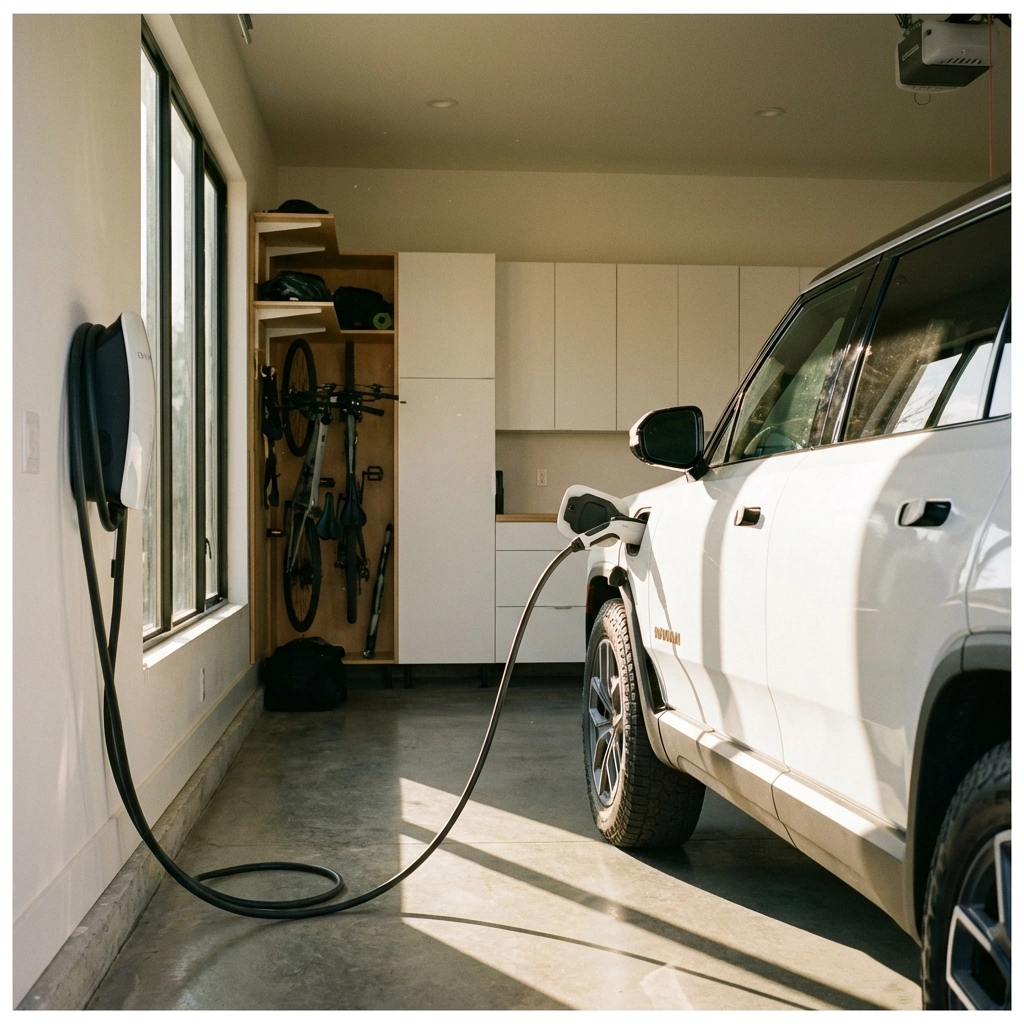
The Alternative Fuel Vehicle Refueling Property Credit is your main federal opportunity. This credit offers up to $1,000 to help offset the costs of installing an EV charger at your home. Unlike the expired vehicle credit, this one doesn't have an immediate deadline hanging over your head.
For businesses in the Portland area, there's an even bigger opportunity. The 30C commercial charging tax credit can provide up to $100,000 per installed charging port. This credit runs until June 30, 2026, giving business owners plenty of time to plan their installations.
Maine's State Programs Pack a Punch
Here's where things get interesting for Portland residents. Efficiency Maine has stepped up with $2.4 million budgeted for fiscal year 2026. These aren't tax credits you wait months to see: they're point-of-sale rebates that reduce your costs immediately.
Low-Income Household Benefits
If you qualify through MaineCare, SNAP, TANF, or HEAP, you could be looking at substantial rebates:
Up to $7,500 for new EVs
$3,000 for new plug-in hybrids
$2,500 for used EVs
Smart Charging Rewards
Maine also offers a managed charging incentive that puts money back in your pocket:
$50 enrollment reward
$50 annual participation reward for reducing peak-hour charging
What Electrical Companies Don't Always Tell You About Installation Costs
The Real Cost Breakdown
Most electrical companies in Maine will quote you for the basic installation, but there are hidden factors that can significantly impact your final bill:
Electrical panel upgrades: If your current panel can't handle the additional load, you're looking at $1,200-$3,000 in additional costs.
Permit fees: Portland requires permits for most EV charger installations, typically running $50-$200.
Trenching and conduit: If your charger location requires underground wiring, expect $10-$15 per linear foot.
The Smart Money Approach
Here's an insider tip: timing your installation with other electrical work can save you hundreds. If you're already planning a panel upgrade or other electrical improvements, bundling the work often reduces labor costs significantly.
How to Actually Maximize Your EV Charger Savings in Portland
Step 1: Get Your Electrical System Assessed First
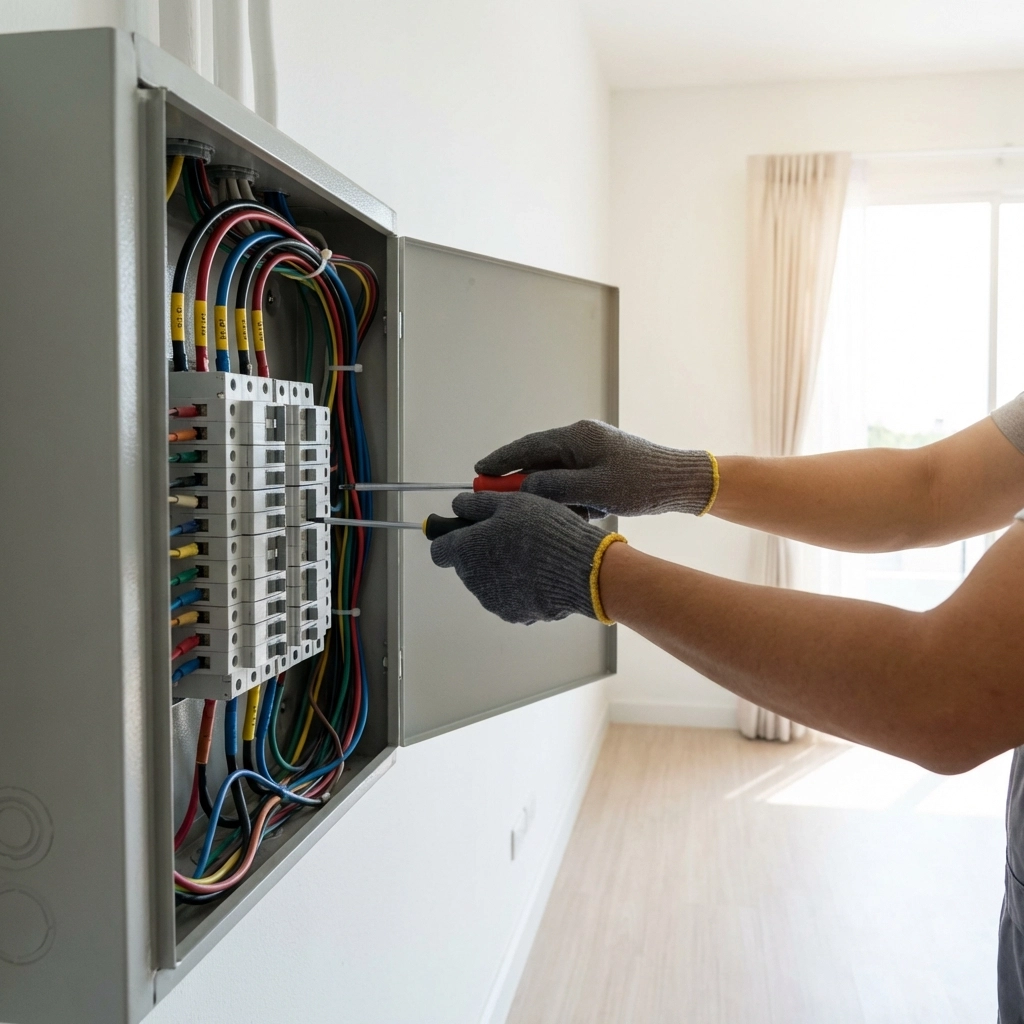
Before shopping for chargers, have a qualified electrician evaluate your electrical panel. Many Portland homes, especially older ones, need upgrades to safely support Level 2 charging. Knowing this upfront prevents surprise costs later.
Step 2: Choose the Right Charger for Your Needs
Level 1 chargers (standard 120V outlet): Cheapest option but painfully slow: about 4 miles of range per hour of charging.
Level 2 chargers (240V): The sweet spot for most homeowners: 20-25 miles of range per hour. Installation typically runs $800-$1,500.
Level 3 chargers (DC Fast Charging): Overkill for homes and extremely expensive. Stick with Level 2 unless you have very specific needs.
Step 3: Work with Local Electrical Companies Who Know Maine Codes
Portland has specific electrical codes that affect EV charger installations. Working with local electrical companies in Maine who understand these requirements saves time, money, and headaches.
The Hidden Benefits That Add Up Over Time
Electricity Cost Savings
Here's something many people don't calculate: charging at home is dramatically cheaper than public charging. In Maine, residential electricity rates average around $0.16 per kWh, while public fast-charging stations can cost $0.30-$0.50 per kWh.
For the average EV driver covering 12,000 miles annually, this translates to savings of $600-$800 per year compared to public charging.
Property Value Impact
Recent studies show that homes with EV chargers sell for 2-5% more than comparable homes without them. In Portland's housing market, that could mean $6,000-$15,000 in added value.
What to Watch Out for When Shopping for Installation
Red Flags from Electrical Companies
Pressure tactics about federal deadlines: Any company pushing you to decide immediately based on expiring federal charger credits is likely misinformed or misleading you.
Quotes that seem too good to be true: Extremely low initial quotes often balloon once the work begins. Get detailed written estimates that include permits, inspections, and potential complications.
Unlicensed contractors: Maine requires electrical contractors to be licensed. Always verify credentials before signing any contracts.
Questions to Ask Before You Hire
Are you licensed to work in Portland, Maine?
Does this quote include all permits and inspections?
What happens if my electrical panel needs upgrading?
Do you handle the rebate paperwork?
What's your warranty on the installation?
Making the Numbers Work in Your Favor
The Real ROI Calculation
Let's break down the actual numbers for a typical Portland homeowner:
Total installation cost: $1,200-$2,000 (Level 2 charger plus installation) Federal tax credit: Up to $1,000 Annual charging savings: $600-$800 vs. public charging Property value increase: $6,000-$15,000
Even without the expired vehicle credit, most homeowners see positive returns within 2-3 years.
Financing Options That Actually Help
Many electrical companies in Maine offer financing, but read the fine print. Some options to consider:
Cash payment: Often gets you the best overall price
Utility financing: Some Maine utilities offer low-interest loans for energy improvements
Home equity options: Tax-deductible interest can improve the overall economics

Why Now Is Still a Great Time to Install
Growing Infrastructure Support
Portland and surrounding areas are rapidly expanding public charging infrastructure, making EV ownership more practical. Having home charging ensures you're never dependent on finding available public stations.
Technology Improvements
Today's EV chargers are smarter than ever. Many include WiFi connectivity, smartphone apps, and scheduling features that help you take advantage of off-peak electricity rates.
Future-Proofing Your Home
Even if you don't own an EV yet, installing the proper electrical infrastructure now positions your home for the future. EV adoption is accelerating, and having charging capability will become increasingly valuable.
Working with Downeast Electrical Services
When you're ready to move forward with your EV charger installation, working with experienced local professionals makes all the difference. Our team understands Portland's specific requirements and can help you navigate both the technical and financial aspects of your installation.
We'll assess your electrical system, recommend the right charger for your needs, handle all permits and inspections, and help you maximize available rebates and incentives.
The Bottom Line on EV Charger Savings
While that $7,500 vehicle credit has expired, significant savings opportunities still exist for Portland homeowners considering EV charger installation. Between federal tax credits, Maine state programs, long-term charging savings, and property value increases, the economics remain compelling.
The key is working with knowledgeable electrical companies in Maine who can guide you through the process honestly and help you make decisions based on accurate, current information rather than expired incentive programs.
Ready to explore your options? Contact our team for a straightforward assessment of your situation and a clear breakdown of your actual costs and savings opportunities.
Comments