
Are You Making These Common Electrical Mistakes? What Southern Maine Electricians Want You to Know
As Southern Maine electricians, we see the same dangerous mistakes over and over again in homes from Portland to Saco and everywhere in between. While your electrical system might seem like it's working fine, many homeowners unknowingly create serious safety hazards that could lead to fires, injuries, or expensive repairs down the road.
The good news? Most of these mistakes are completely preventable once you know what to look for. Let's walk through the most common electrical errors we encounter and help you keep your home safe.
Using Extension Cords as Permanent Solutions
We get it – you need power in that corner of your workshop or want to plug in your holiday lights without installing new outlets. But here's the thing: extension cords are designed for temporary use only, not as permanent fixtures in your home.
When extension cords become a permanent part of your setup, several dangerous things can happen:
Overheating: Extension cords aren't built to handle continuous electrical loads, especially high-draw appliances
Fire risk: Damaged or overloaded cords can spark and ignite nearby materials
Tripping hazards: Cords running across walkways create safety risks beyond just electrical concerns
If you find yourself using the same extension cord in the same spot month after month, it's time to install proper outlets. This is especially important in older Southern Maine homes where electrical systems weren't designed for today's power demands.

Getting Wire Gauge Wrong – A Recipe for Disaster
This mistake is particularly dangerous because everything might seem to work fine at first. Wire gauge needs to match your circuit's requirements, and using wire that's too small for the electrical load creates serious fire hazards.
Here's what happens when you use 14-gauge wire on a high-draw circuit: instead of your circuit breaker tripping to protect your home (like it's supposed to), the wire itself can overheat and melt. Why? There simply isn't enough conductor to safely carry the electrical current your appliances need.
Warning signs to watch for:
Frequently tripping breakers when using certain appliances
Outlets that feel warm to the touch
Flickering lights when you turn on major appliances
Burning smells around electrical outlets
Reverse Polarity – The Hidden Shock Hazard
This mistake is sneaky because your outlets will still work normally – you can plug things in and they'll power on just fine. But reversing the hot and neutral wires creates a shock hazard that puts anyone using that outlet at risk.
Reverse polarity issues often go undetected for months or even years until someone gets hurt. That's why it's so important to have electrical work done by licensed professionals who understand proper wiring techniques and can test circuits to ensure they're safe.
Missing Critical Safety Features
GFCI Protection in Wet Areas
Most Southern Maine homeowners know about GFCI outlets in bathrooms and kitchens, but many older homes still lack this crucial protection. GFCI outlets detect dangerous ground faults and shut off power instantly – they're literally lifesavers.
Water and electricity create an extremely dangerous combination. Even small amounts of moisture can cause serious shocks, short circuits, and fires. If your bathroom, kitchen, garage, or outdoor outlets don't have GFCI protection, you're putting your family at unnecessary risk.
AFCI Protection for Fire Prevention
Arc Fault Circuit Interrupters (AFCIs) are newer technology that many homeowners haven't heard of, but they're incredibly important for fire prevention. AFCIs detect dangerous electrical arcing – those sparks that occur when wiring becomes loose or damaged – and shut off power before fires can start.
Maine's electrical code requires AFCI protection in bedrooms, living areas, and most outlet circuits in newer homes. If your home was built before these requirements, adding AFCI protection is one of the best investments you can make for your family's safety.
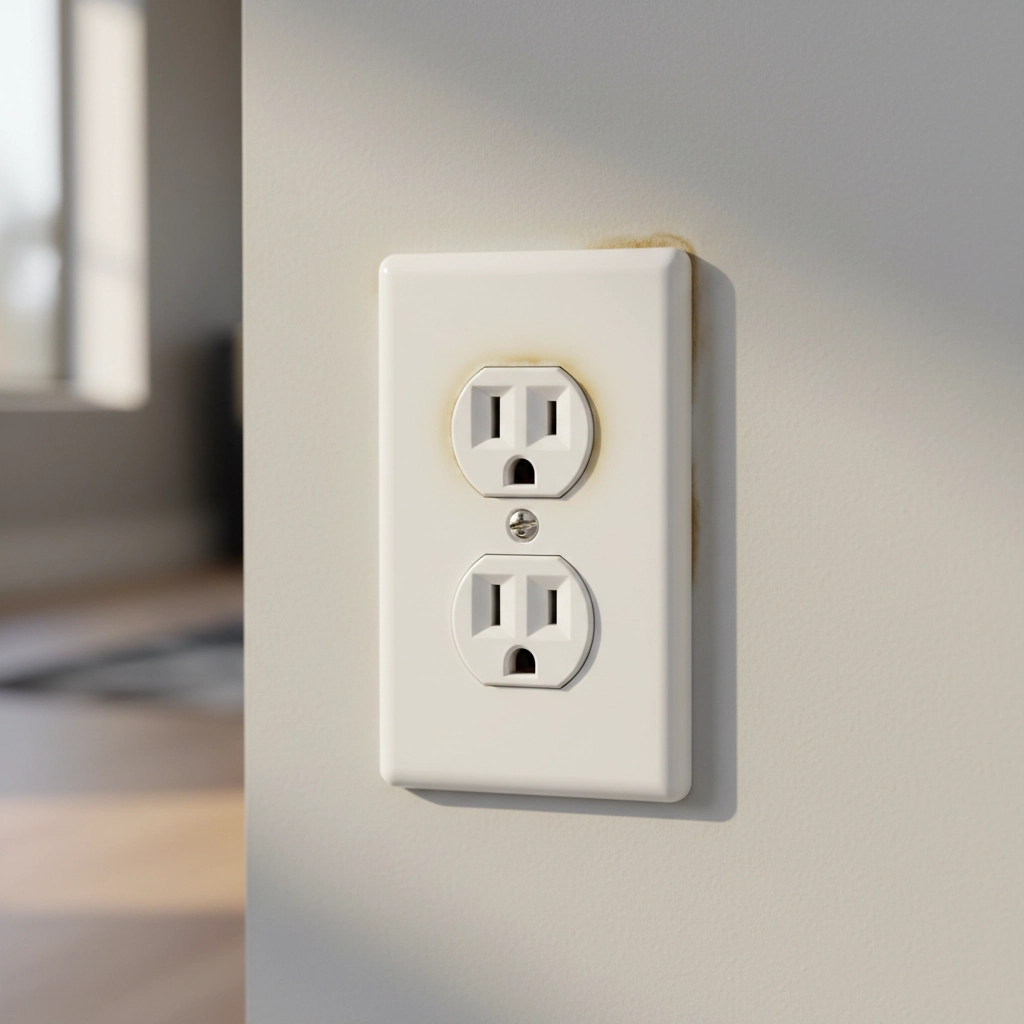
Recognizing the Warning Signs of Burning Outlets
This is one electrical problem you definitely don't want to ignore. Burning outlets are a serious fire hazard and require immediate professional attention.
Here's how to spot a burning outlet:
Discoloration or brown/black marks around the outlet
Strange burning or acrid smells
Outlets that feel unusually hot to the touch
Sparks when plugging in or unplugging devices
If you notice any of these warning signs, turn off the circuit breaker for that outlet immediately and call an electrician. Don't take chances with electrical fires – they can spread incredibly fast and cause devastating damage.
Overloading Circuits and Poor Load Balancing
Modern families use way more electricity than homes were designed for even 20 years ago. Between computers, gaming systems, large TVs, kitchen appliances, and charging stations for multiple devices, we're asking a lot from our electrical systems.
Many homeowners add new outlets or circuits without considering how electrical loads are distributed throughout their home. This creates several problems:
Overburdened circuits that trip frequently
Uneven power distribution that can damage appliances
Overheating wires that increase fire risk
Reduced efficiency that drives up energy costs
Professional electricians know how to balance electrical loads properly, ensuring your home's power is distributed safely and efficiently across all circuits.
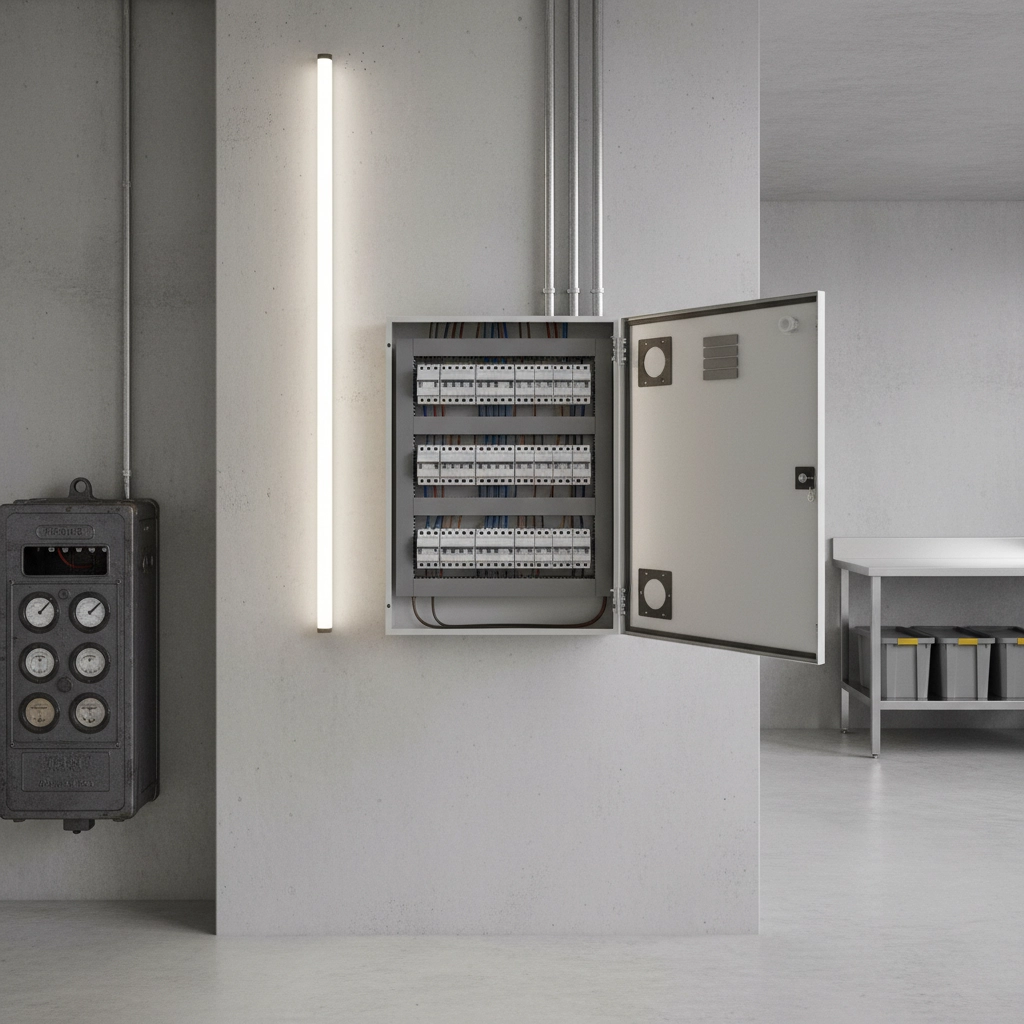
Outdated Electrical Panels – Time for an Upgrade
If your Southern Maine home still has an older electrical panel, you might be living with a serious safety hazard. Older panels simply weren't designed to handle the electrical demands of modern life.
Signs your panel needs upgrading:
Frequent breaker trips or blown fuses
Lights that dim when appliances turn on
Not enough circuits for your needs
Breakers that feel hot to the touch
Any panel older than 25-30 years
Upgrading your electrical panel isn't just about convenience – it's about safety. Modern panels include better safety features and can handle the electrical demands of today's homes without overheating or creating fire hazards.
The Importance of Permits and Code Compliance
Here's a mistake that can come back to haunt you: skipping electrical permits. Many homeowners think they can avoid the "hassle" of getting permits for electrical work, but this creates serious problems:
Safety risks from work that isn't inspected
Legal issues when selling your home
Insurance problems if electrical issues cause damage
Code violations that require expensive corrections
Licensed electricians understand local permitting requirements and ensure all work meets current electrical codes. Yes, permits add some time and cost to projects, but they're essential for protecting your home and family.
Inconsistent Wiring and Poor Documentation
DIY electrical projects often suffer from inconsistent wiring practices – different wire colors used incorrectly, poor labeling of circuits, or non-standard installation techniques. These mistakes create confusion and danger during future repairs or upgrades.
Professional electricians follow standardized wiring codes that ensure consistency and safety. They also properly label circuits and document electrical work, making future maintenance safer and more efficient.
What This Means for Southern Maine Homeowners
Living in Southern Maine, we face unique challenges – from harsh winters that stress electrical systems to older homes that need updates to handle modern electrical demands. These common mistakes become even more dangerous in our climate, where heating systems work overtime and moisture from snow and ice can create additional electrical hazards.
The key is recognizing these issues before they become emergencies. Regular electrical inspections, proper maintenance, and working with qualified professionals can prevent most electrical problems and keep your home safe year-round.
Don't let these common electrical mistakes put your Southern Maine home and family at risk. When in doubt, consult with experienced electrical professionals who understand local codes, climate challenges, and safety requirements. Your family's safety is worth the investment in proper electrical work.
Comments