
Are You Making These Common Electrical Mistakes? What Southern Maine Electric Experts Want You to Know Before 2026 Rate Hikes
- Nov 29, 2025
- 5 min read
With Maine's electricity rates set to increase significantly in January 2026, now's the perfect time to take a close look at your home's electrical system. We're seeing more homeowners than ever making simple mistakes that could cost them big: both in safety risks and higher energy bills.
The good news? Most of these issues are completely preventable once you know what to look for. Our team at Downeast Electrical Services has been helping Southern Maine families avoid these costly mistakes for years, and we want to share what we've learned with you.
The Biggest Electrical Mistakes We See in Maine Homes
Overloading Outlets and Power Strips
This is hands-down the most common mistake we encounter in homes across Portland, Rockland, and the surrounding areas. We get it: older Maine homes weren't built for today's electronics, and it's tempting to plug everything into one power strip.
But here's what happens when you overload an outlet: multiple high-wattage devices like microwaves, space heaters, or air conditioning units all drawing power from a single source creates serious fire hazards. The warning signs are usually pretty obvious: breakers that keep tripping, plugs that feel warm to the touch, or lights that flicker when you turn on certain appliances.
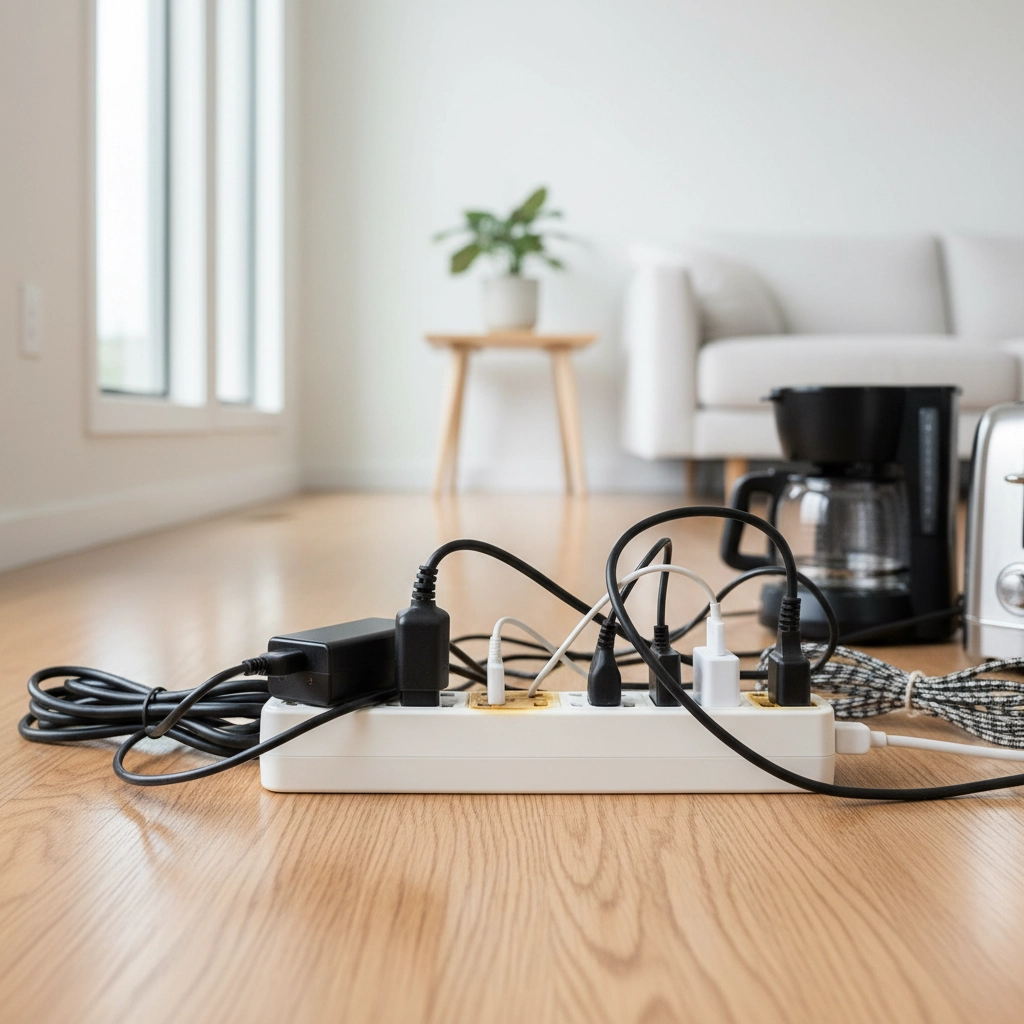
If you're experiencing any of these red flags, don't ignore them. What seems like a minor inconvenience could be your electrical system warning you about a potentially dangerous situation.
DIY Electrical Work Gone Wrong
We love a good DIY project as much as anyone, but electrical work isn't the place to wing it. Even something that looks simple: like swapping out a ceiling fan or installing a new light fixture: requires understanding proper voltage, wire gauge, and grounding practices.
The scary part about DIY electrical mistakes is that they're often hidden behind walls or in ceilings. You might not realize there's a problem until it causes a fire or complete electrical failure. We've seen too many situations where a weekend project turned into thousands of dollars in repairs.
Using the Wrong Extension Cords
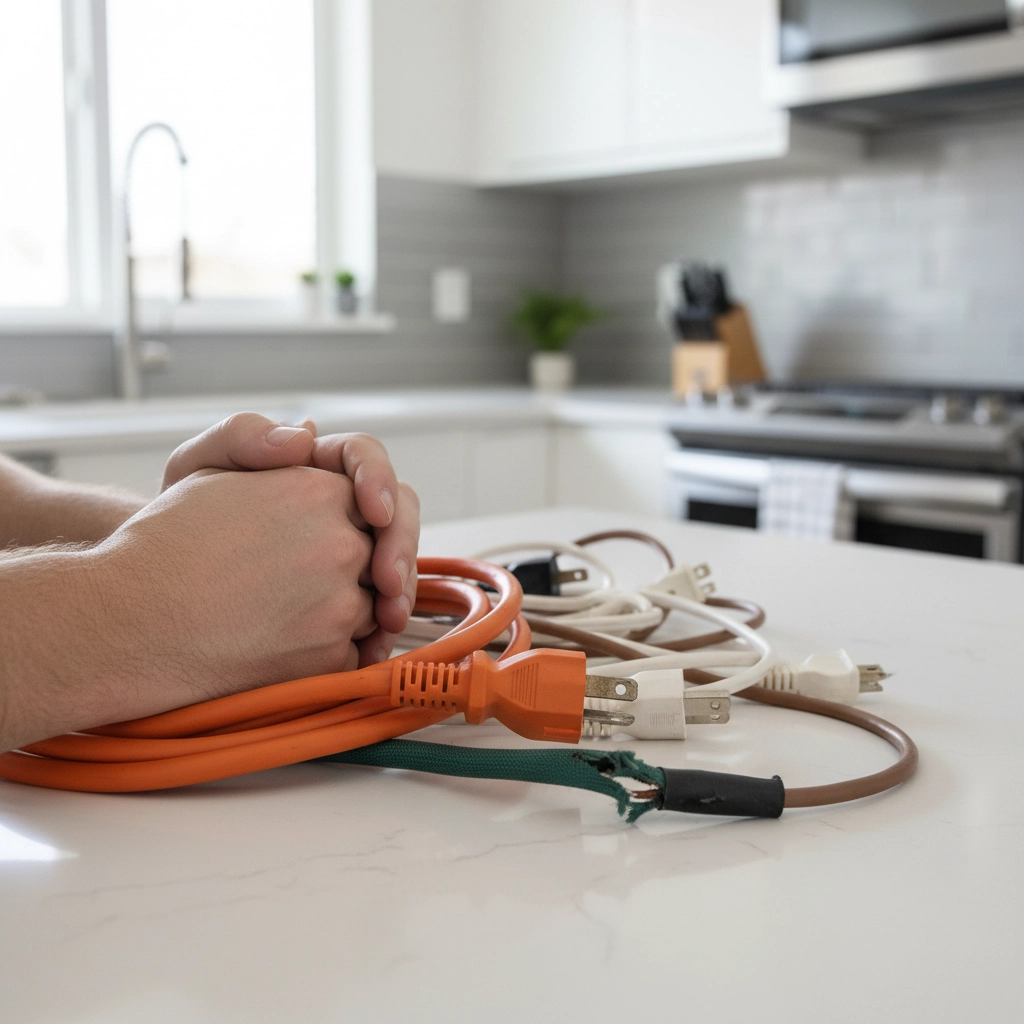
Not all extension cords are created equal, and using the wrong one can be downright dangerous. Indoor cords used outside, thin cords handling high-wattage devices like space heaters, or cords that are too long for the job: these mistakes happen more often than you'd think.
Here's a quick rule of thumb: extension cords should always be temporary solutions. If you find yourself relying on them permanently, it's time to call in a professional to add proper outlets where you need them.
Electronics Too Close to Water
Water and electricity are never a good combination, yet we regularly see coffee makers next to sinks, space heaters in bathrooms, and electronics in flood-prone basements. This mistake is especially common in older Maine homes where outlet placement wasn't planned with modern appliances in mind.
The solution is simple: keep electrical devices away from any water source, and make sure your kitchen and bathroom outlets have Ground Fault Circuit Interrupters (GFCIs) installed.
What Southern Maine Electric Experts Want You to Know
Regular Inspections Make a Difference
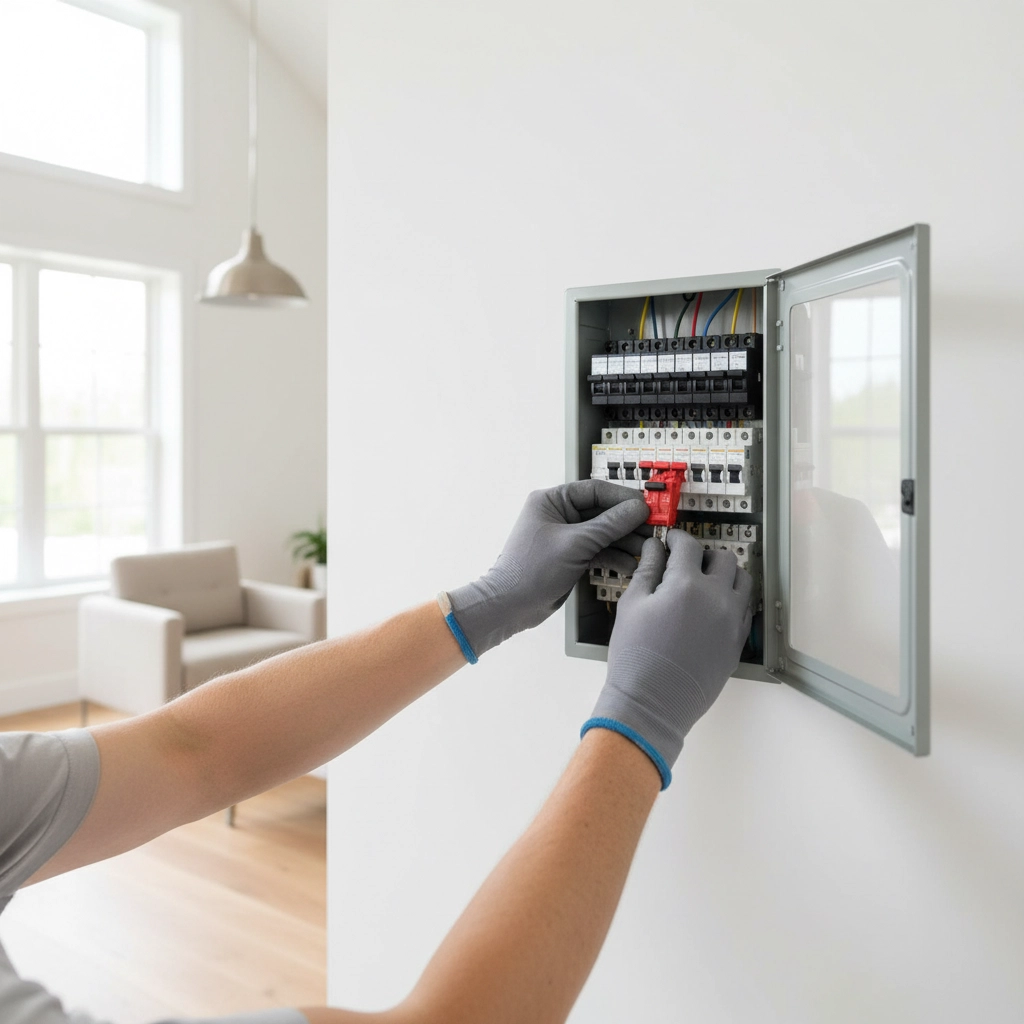
Our recommendation? Take a walk around your home once a month and look for potential problems. Check electrical cords for fraying, outlets for scorch marks, and breaker panels for any signs of trouble.
Most electrical problems give you warning signs before they become dangerous. Flickering lights, warm outlets, burning smells, or circuits that trip frequently are all telling you something needs attention.
When to Call a Professional
Here's the thing: we're not trying to scare you away from handling basic electrical tasks. Changing light bulbs, resetting breakers, and replacing batteries in smoke detectors are all perfectly safe DIY jobs.
But when it comes to anything involving your home's wiring, electrical panels, or adding new outlets, that's professional territory. The cost of hiring a licensed electrician is always less than dealing with fire damage or electrical accidents.
The 2026 Rate Hike Reality
Starting January 1, 2026, Maine residents are facing some significant changes to their electricity bills. For Central Maine Power customers, residential rates are jumping from 10.61 cents per kilowatt-hour to 12.72 cents per kilowatt-hour.
What does this mean for your monthly budget? If you're an average household using around 550 kilowatt-hours per month, you're looking at roughly $11 more each month: that's at least $150 extra per year according to the Maine Public Advocate.
This increase only affects the supply portion of your bill (the cost of generating electricity), not the delivery charges handled by your utility company. But the bottom line is clear: electricity is getting more expensive, making energy efficiency more important than ever.
Making Your Home More Efficient Before Rate Hikes
With higher rates on the horizon, now's the perfect time to address any electrical inefficiencies in your home. Faulty wiring, overloaded circuits, and outdated electrical panels all waste energy: energy you'll be paying more for next year.
Simple fixes like replacing old outlets, upgrading to energy-efficient lighting, and ensuring your electrical system is running optimally can help offset some of those rate increases.
Preparing Your Home's Electrical System
Start With a Professional Assessment
If it's been a while since you've had your electrical system checked, consider scheduling an assessment before the rate hikes take effect. A qualified electrician can identify energy waste, safety concerns, and efficiency improvements that could save you money in the long run.
We often find issues homeowners didn't even know existed: like circuits drawing power unnecessarily, outdated panels that aren't working efficiently, or safety hazards that could lead to expensive repairs down the road.
Focus on Safety First
With electricity costs rising, the temptation to cut corners or ignore minor electrical issues might be stronger. But this is exactly the wrong time to compromise on safety. A small electrical problem that causes a fire or major repair will cost far more than any savings from avoiding professional help.

The most cost-effective approach is preventing problems before they happen. Regular maintenance, prompt repairs, and professional installations when needed will keep your system running safely and efficiently.
Moving Forward With Confidence
The reality is that Maine's electrical landscape is changing. Between new building codes, rising utility costs, and evolving home technology needs, staying informed about your electrical system has never been more important.
But here's what we want every Southern Maine homeowner to remember: you don't have to navigate these changes alone. Whether you're dealing with safety concerns, planning efficiency upgrades, or just want to ensure your home is ready for 2026's rate increases, professional help is available.
The key is being proactive rather than reactive. Address electrical issues while they're small problems, not emergencies. Invest in efficiency improvements before you need them. And always prioritize safety over short-term savings.
Your home's electrical system is too important to leave to chance: especially with the financial changes coming next year. By avoiding common mistakes and working with qualified professionals when needed, you can keep your family safe while managing the impact of rising electricity costs.
Ready to assess your home's electrical system before the 2026 rate hikes? Contact our team at Downeast Electrical Services for expert guidance and reliable service throughout Southern Maine.
Comments