
Are You Making These 5 Common Mistakes with Maine's New Energy Codes? What Saco Electricians Want You to Know
Maine's new energy codes took effect in April 2025, and we're already seeing homeowners and businesses across Saco, Kennebunk, and Portland making some pretty costly mistakes. The good news? Most of these slip-ups are totally avoidable once you know what to watch for.
As Maine electricians who've been helping folks navigate these changes, we've compiled the five most common energy code mistakes we're seeing, and more importantly, how to fix them before they become expensive problems.
Understanding Maine's 2021 Energy Code Changes
Before we dive into the mistakes, let's get on the same page about what changed. Maine adopted the 2021 International Energy Conservation Code (IECC), which is designed to slash your energy bills by 23.5% compared to the old 2015 standards. We're talking about real savings here, roughly $978 per year on your utility bills.
The biggest headline grabber? That new R60 attic insulation requirement. But there's a lot more to these codes than just beefing up your insulation game.
Mistake #1: Thinking It's Just About Insulation
The Problem: Too many homeowners in Biddeford and Wells think the new energy codes are all about cramming more insulation into their attics. While R60 insulation is a big deal, it's just one piece of a much larger puzzle.
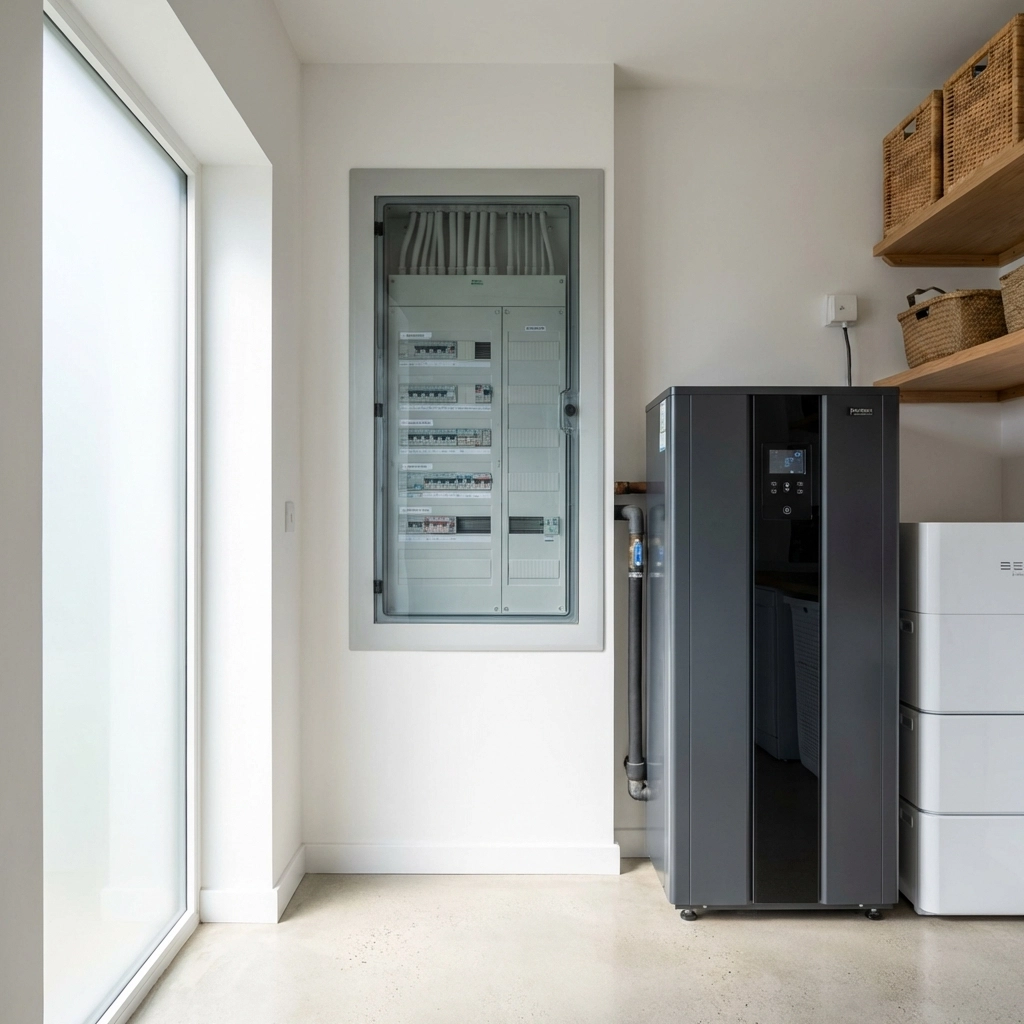
What Maine Electricians Know: The electrical systems in your home need to work hand-in-hand with all these energy efficiency upgrades. When you're sealing up your house and adding insulation, your electrical loads change. Your heating and cooling systems work differently. Your whole electrical system needs to be evaluated.
The Fix:
Schedule an electrical assessment before starting any major energy efficiency project
Make sure your electrical panel can handle new high-efficiency equipment
Consider upgrading to smart electrical systems that work better with efficient appliances
Don't forget about ventilation, tighter homes need proper electrical ventilation systems
Mistake #2: Ignoring Alternative Compliance Pathways
The Problem: Many folks assume they have to hit every single requirement exactly as written. But here's something most people don't know, the 2021 code offers alternative compliance paths that might actually work better for your situation.
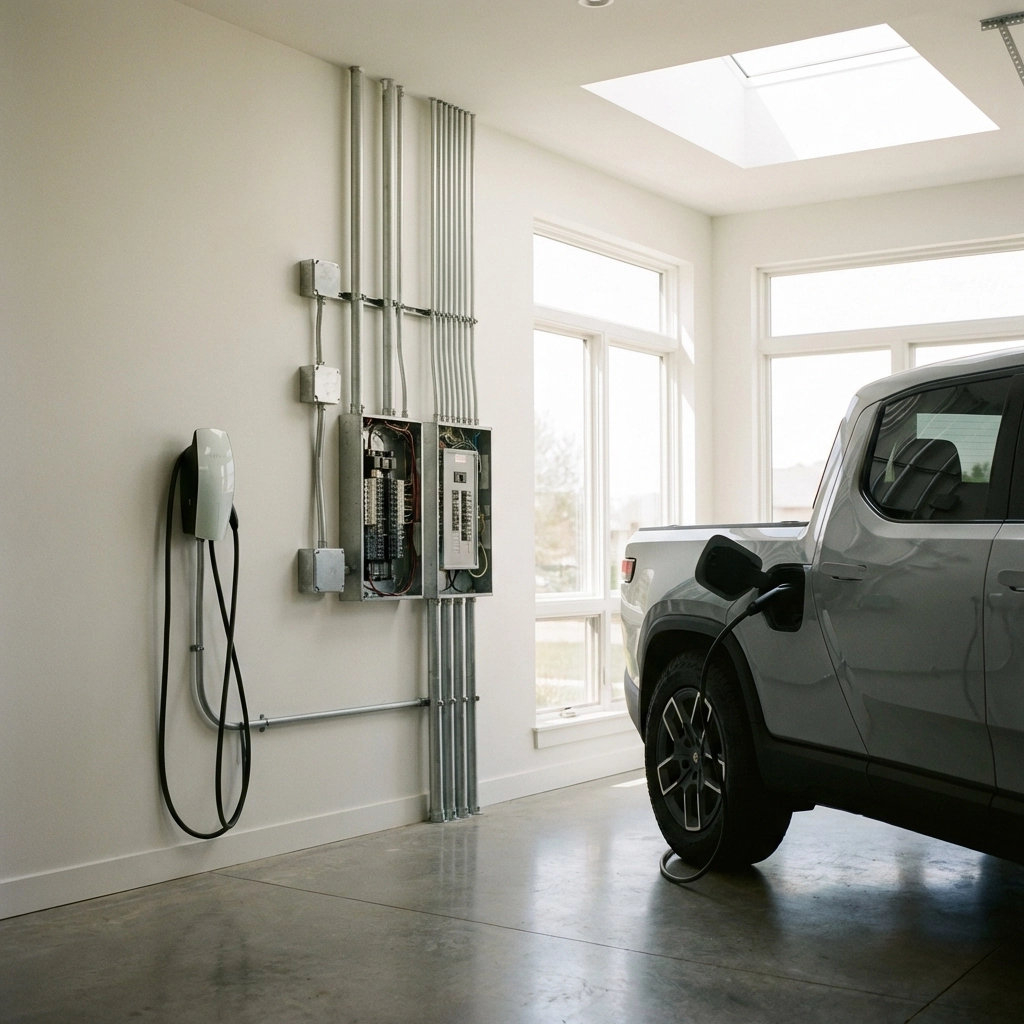
What Saco Electricians See: Smart homeowners are taking advantage of options like installing EV charger-ready wiring or solar-ready electrical systems. These alternatives can sometimes be more cost-effective than other upgrades while still meeting code requirements.
The Fix:
Talk to qualified electric companies in Maine about EV charger installations
Consider solar-ready electrical upgrades as part of your compliance strategy
Look into smart home electrical systems that can help with overall energy performance
Work with an electrician who understands all the compliance pathways, not just the obvious ones
Mistake #3: DIY Electrical Work That Doesn't Meet Code
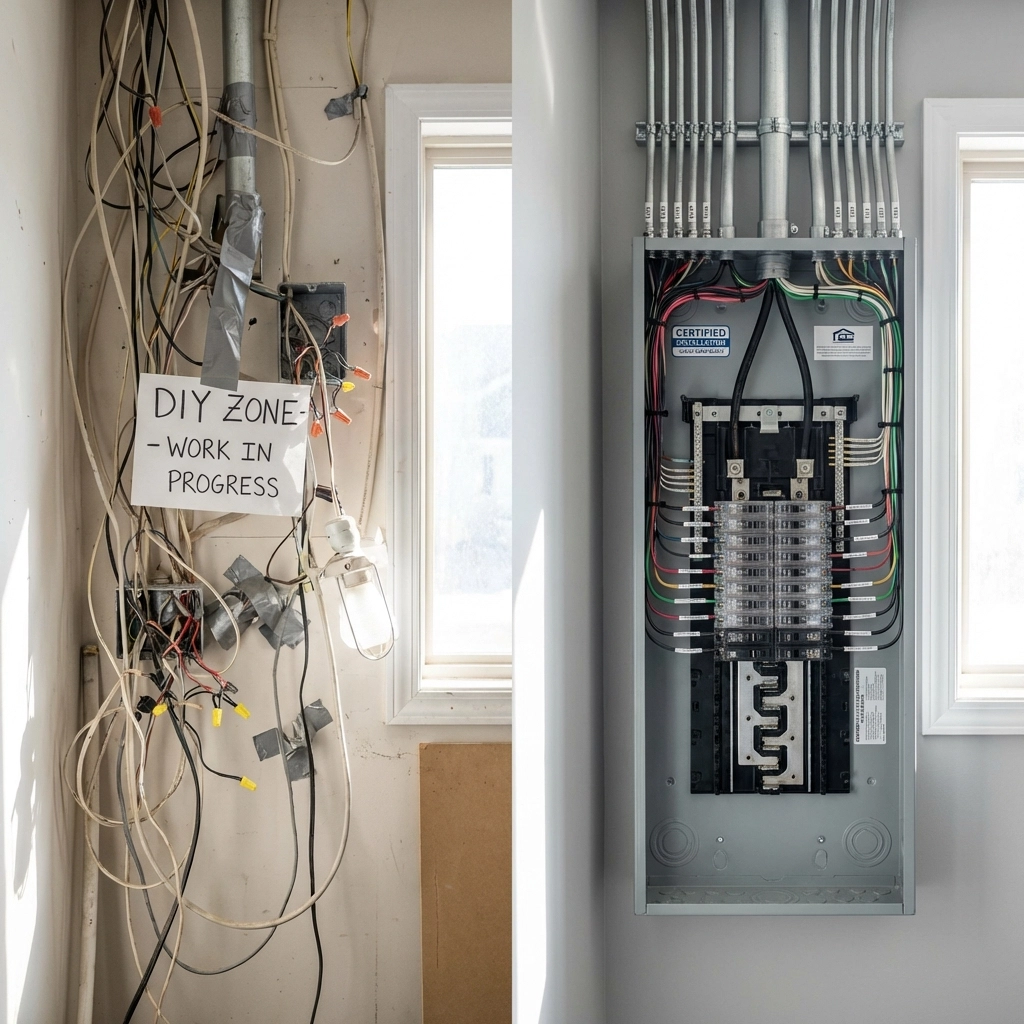
The Problem: We get it, DIY projects can be tempting, especially when you're trying to save money on energy upgrades. But we're seeing way too many homeowners in Kennebunk and Old Orchard Beach attempt electrical work that doesn't come close to meeting the new energy code requirements.
What We're Seeing Go Wrong:
Improper wiring for high-efficiency heat pumps
Electrical panels that can't handle new equipment loads
Missing or incorrect GFCI and AFCI protection
Inadequate grounding for new electrical systems
The Reality Check: The new energy codes have stricter electrical requirements. What might have passed inspection five years ago won't cut it now. Plus, insurance companies are getting pickier about DIY electrical work.
The Fix:
Get permits for electrical work, yes, even the "small" stuff
Use licensed electricians for anything beyond changing light bulbs
Make sure your electrician understands the 2021 energy code requirements
Don't cut corners on safety devices like AFCI breakers
Mistake #4: Not Planning for Future Electrical Needs
The Problem: Here's a big one we see all the time: homeowners focus so much on meeting minimum code requirements that they forget to think ahead. You're already tearing into walls and upgrading systems. Why not set yourself up for success down the road?
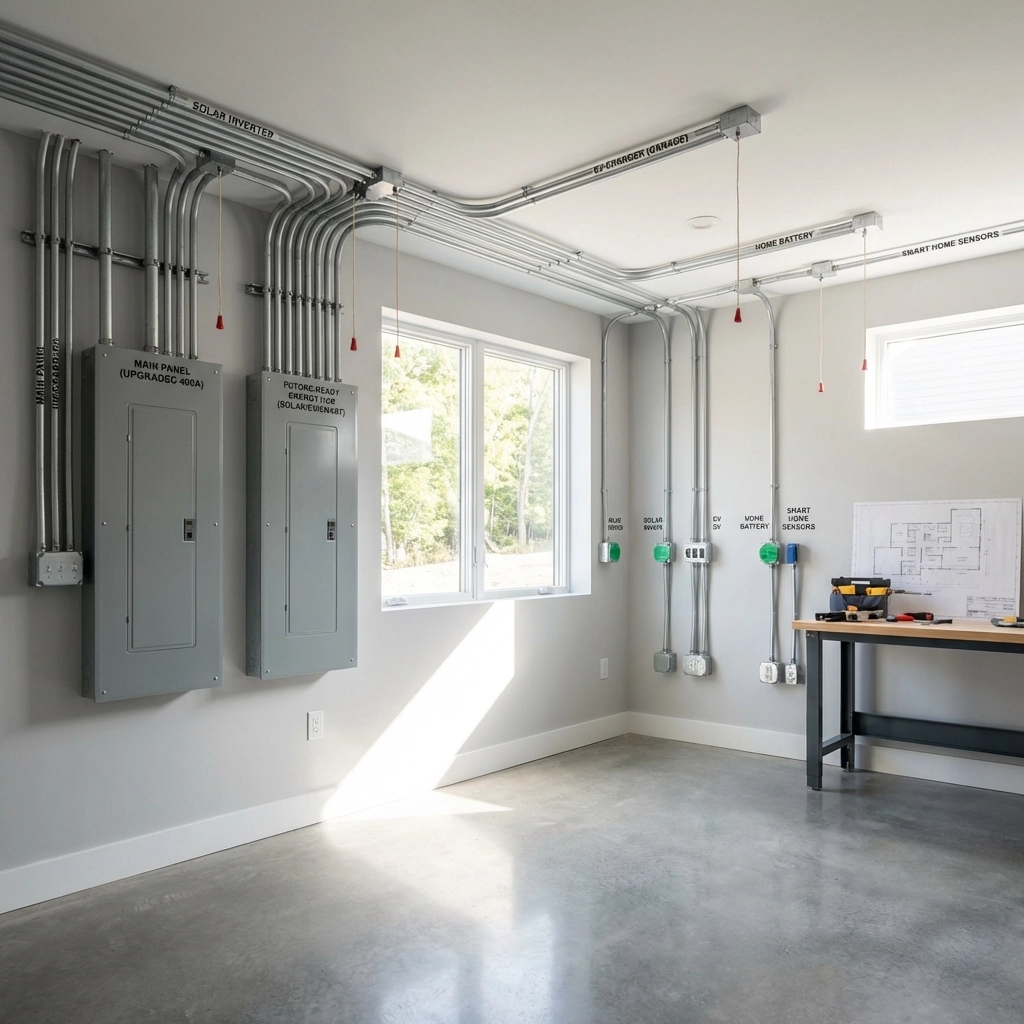
What Experienced Maine Electricians Recommend: If you're upgrading to meet energy codes anyway, this is the perfect time to think about future electrical needs. EV chargers, solar panels, battery backup systems: these are becoming more common every year.
Smart Planning Moves:
Install conduit runs for future EV charger installation
Upgrade your electrical panel to handle future loads
Add circuits for potential solar installations
Consider whole-house surge protection
Plan for smart home integration
Mistake #5: Misunderstanding Enforcement and Compliance
The Problem: There's a lot of confusion about where and how these new energy codes are enforced. Some homeowners in smaller towns think they're off the hook, while others in larger municipalities are overly worried about every tiny detail.
The Real Story: The new codes apply statewide, but enforcement varies. Towns with fewer than 4,000 residents can choose whether to enforce the codes. However, even if your town doesn't actively enforce them, there are still good reasons to comply.
Why You Should Care Even If Enforcement Is Lax:
Better resale value for your home
Actual energy savings (remember that $978 per year?)
Insurance considerations
Future-proofing against stricter enforcement
The Smart Approach:
Check with your local building department about specific requirements
Work with electricians who understand both the codes and local enforcement
Focus on upgrades that make financial sense regardless of enforcement
Document all work properly for future buyers
Getting Professional Help With Energy Code Compliance
Look, we know this stuff can feel overwhelming. The new energy codes are complex, and the stakes are high: both financially and for your family's safety. That's exactly why working with experienced Maine electricians makes so much sense.
At Downeast Electrical Services, we've been helping homeowners and businesses across southern Maine navigate these new requirements. We understand not just the technical details, but how to make compliance work within your budget and timeline.
What to Look for in an Electrician:
Current knowledge of 2021 IECC requirements
Experience with energy-efficient electrical systems
Proper licensing and insurance
Understanding of alternative compliance pathways
Good communication about costs and options
The Bottom Line on Energy Code Mistakes
Here's the thing: most of these energy code mistakes happen because people are trying to do the right thing, they just don't have all the information. The new Maine energy codes are designed to save you money and make your home more comfortable, but only if they're implemented correctly.
The biggest mistake of all? Trying to navigate this stuff alone. The codes are complex, the technology is evolving rapidly, and the financial stakes are significant. Working with qualified professionals: especially for the electrical components: isn't just about following rules. It's about making sure your investments actually pay off.
Whether you're in Portland dealing with an older home's electrical challenges, or in Sanford planning a major renovation, the key is getting the right guidance upfront. A small investment in professional consultation can save you thousands in mistakes and missed opportunities.
Ready to make sure your project is on the right track? Contact us for a consultation. We'll help you understand exactly what the new energy codes mean for your specific situation and how to comply in a way that makes financial sense.
Don't let energy code compliance stress you out: let's turn it into an opportunity to create a more efficient, valuable, and comfortable property.
Comments