
Are You Making These 5 Common Generator Installation Mistakes? What Electricians in Rockland Maine Want You to Know
Getting a backup generator installed sounds pretty straightforward, right? Pick one out, plug it in, and you're good to go. If only it were that simple.
The truth is, generator installation involves a lot more than most homeowners realize. And when things go wrong, they can go really wrong. We're talking fire hazards, carbon monoxide risks, and expensive equipment failures.
Whether you're in Biddeford, Portland, Saco, or searching for electricians Rockland Maine trusts, local professionals see the same mistakes over and over again. The good news? These mistakes are totally avoidable when you know what to watch for.
Let's break down the five most common generator installation mistakes and what Maine electricians want you to know before you make them.
Mistake #1: Choosing the Wrong Generator Size
This is the number one mistake homeowners make. And honestly, it's easy to understand why.
Most people either guess how much power they need or just go with whatever the salesperson recommends. But incorrect sizing is the leading cause of generator failure. That's a big deal when a nor'easter knocks out your power for three days.
What Happens When You Go Too Small
An undersized generator can't handle all your appliances at once. You'll end up tripping breakers constantly, leaving critical systems like your refrigerator, sump pump, or medical equipment without power.
What Happens When You Go Too Big
On the flip side, an oversized generator wastes fuel and money. You're paying for power you'll never use.
The Surge Factor
Here's something many folks overlook: startup wattages. When your AC or fridge kicks on, it draws way more power than when it's just running. These surges can overload an undersized generator in seconds.
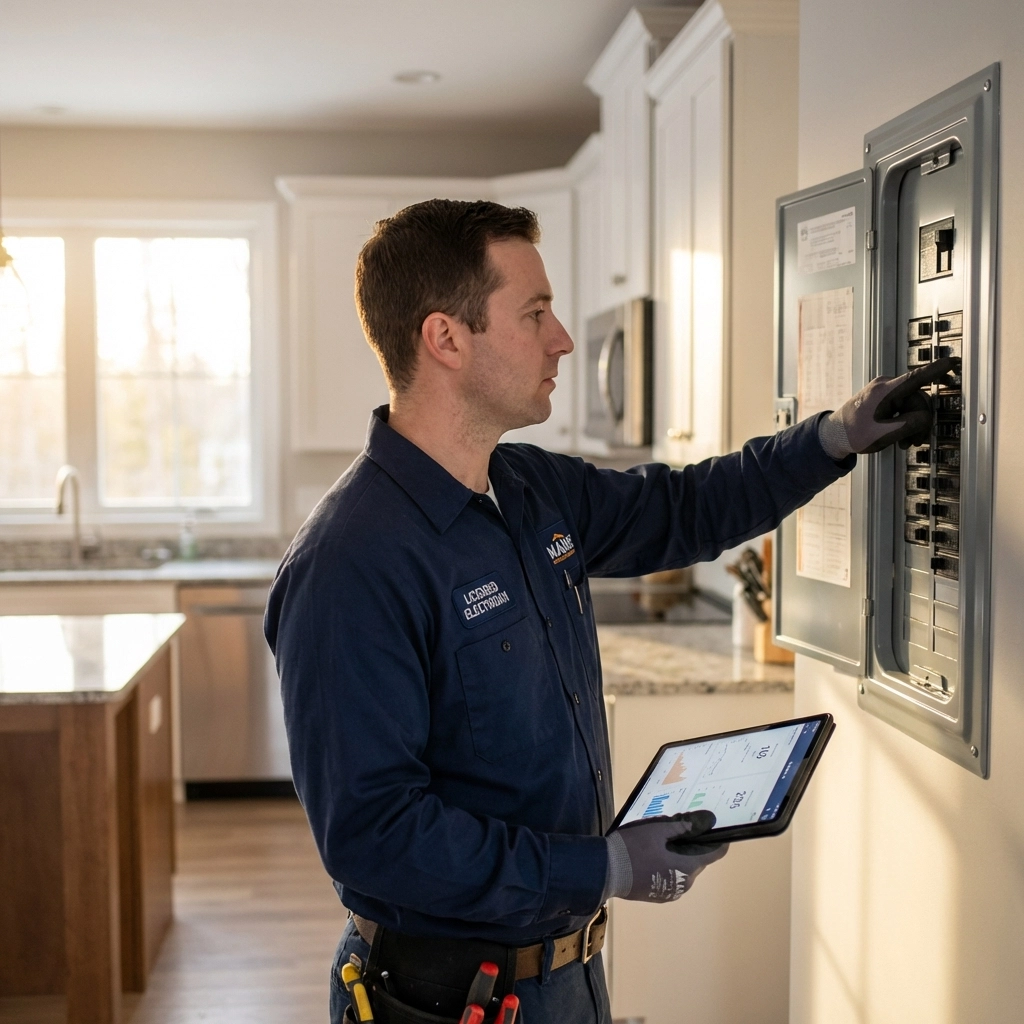
What electricians near me recommend: Get a professional load calculation done. Our team at Downeast Electrical Services assesses each circuit in your home to determine exactly what you need. No guessing, no surprises.
Mistake #2: Skipping or Messing Up the Transfer Switch
If there's one thing electrical companies in Maine want you to understand, it's this: the transfer switch isn't optional.
A transfer switch is a safety device that disconnects your home from the utility grid when your generator kicks on. Without it, electricity can flow backward into the power lines. This is called backfeeding, and it's extremely dangerous.
Why Backfeeding Is So Serious
When power backfeeds into utility lines, it can seriously injure or kill utility workers trying to restore power in your neighborhood. It can also damage your generator and your home's electrical system.
Common Transfer Switch Mistakes
Not installing one at all
Installing it incorrectly
Using a manual transfer switch and forgetting to flip it
For homeowners in Scarborough, Kennebunk, Old Orchard Beach, and throughout southern Maine, proper transfer switch installation isn't just about convenience. It's required by code and essential for safety.
Pro tip: Automatic transfer switches eliminate human error. When the power goes out, they sense it and switch over to generator power seamlessly.
Mistake #3: Poor Generator Placement
Where you put your generator matters a lot more than you might think.
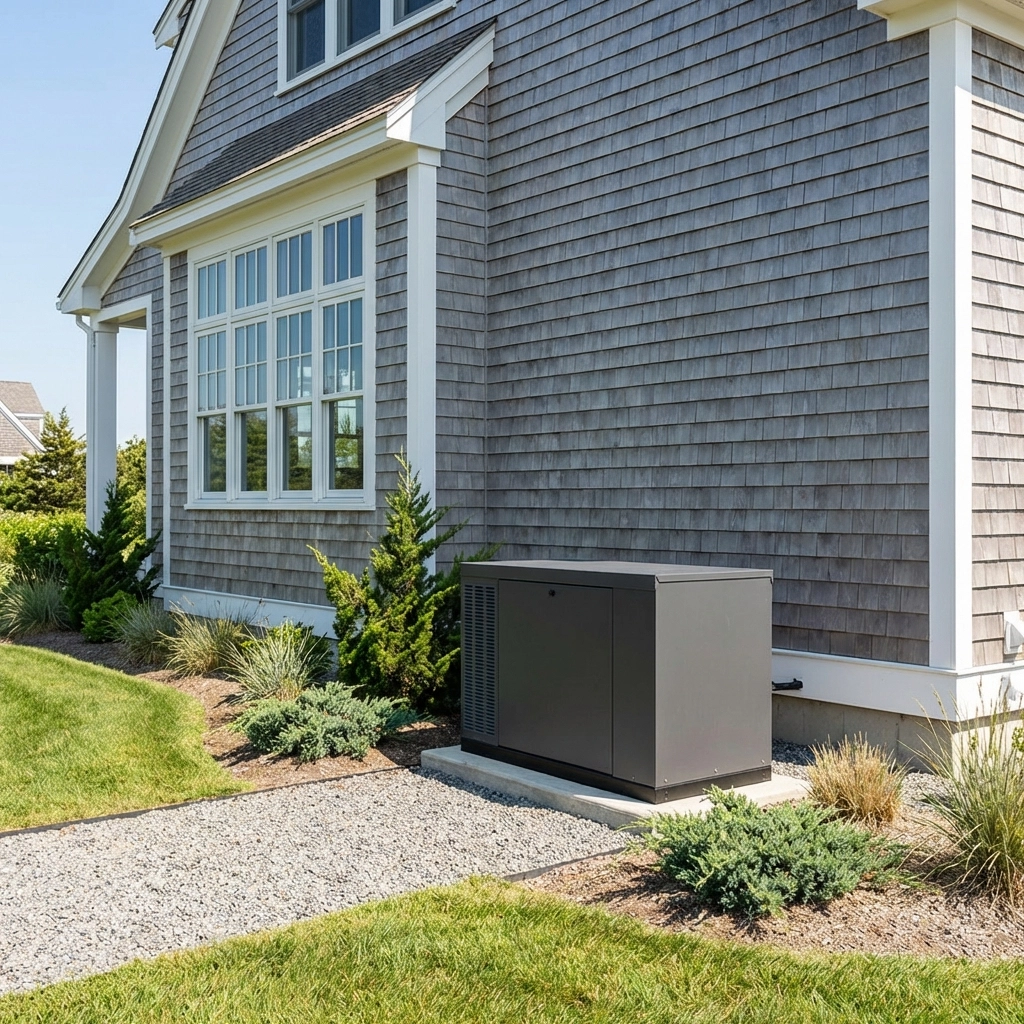
Generators produce carbon monoxide, an odorless gas that can be deadly in enclosed spaces. Every year, people are hospitalized or worse because their generator was placed too close to windows, doors, or in garages.
Placement Rules to Follow
Never install a generator inside your home, garage, or basement
Keep it at least 20 feet from windows and doors
Place it on level, stable ground
Ensure proper ventilation and airflow
Avoid areas prone to flooding or debris accumulation
Local Code Considerations
Building codes in Portland, Biddeford, Saco, and other southern Maine communities have specific requirements for generator placement. Violating these codes can result in failed inspections, fines, and voided insurance coverage.
Maine electricians who know the local requirements can help you find the perfect spot that's both safe and compliant.
Mistake #4: DIY Installation or Hiring Unqualified Installers
We get it. YouTube makes everything look easy. And hiring someone always costs more than doing it yourself.
But generator installation is one of those jobs where DIY can cost you way more in the long run. Electrical work carries significant risk, and one mistake can cause fires, equipment damage, or serious injury.
The Hidden Costs of DIY
Failed inspections mean you'll have to pay to have it redone
Improper installation voids your warranty
Your homeowner's insurance may not cover damage from unpermitted work
Safety hazards put your family at risk
What About That "Guy Who Knows Electrical Stuff"?
Even if your neighbor's cousin did some wiring back in the day, generator installation requires specific expertise. Transfer switch wiring, grounding, fuel line connections, these aren't tasks for someone without proper training and licensing.
For residents searching "electricians near me" in Wells, Sanford, Westbrook, or Gorham: Always verify that your installer is licensed, insured, and experienced with generator installations specifically.
At Downeast Electrical Services, our team handles everything from permits to final inspection. We make the process seamless and hassle-free so you can focus on what matters, keeping your family safe and comfortable.
Mistake #5: Improper Electrical and Fuel Connections
The final mistake involves the technical details that many people overlook: electrical wiring and fuel line connections.
Electrical Connection Errors
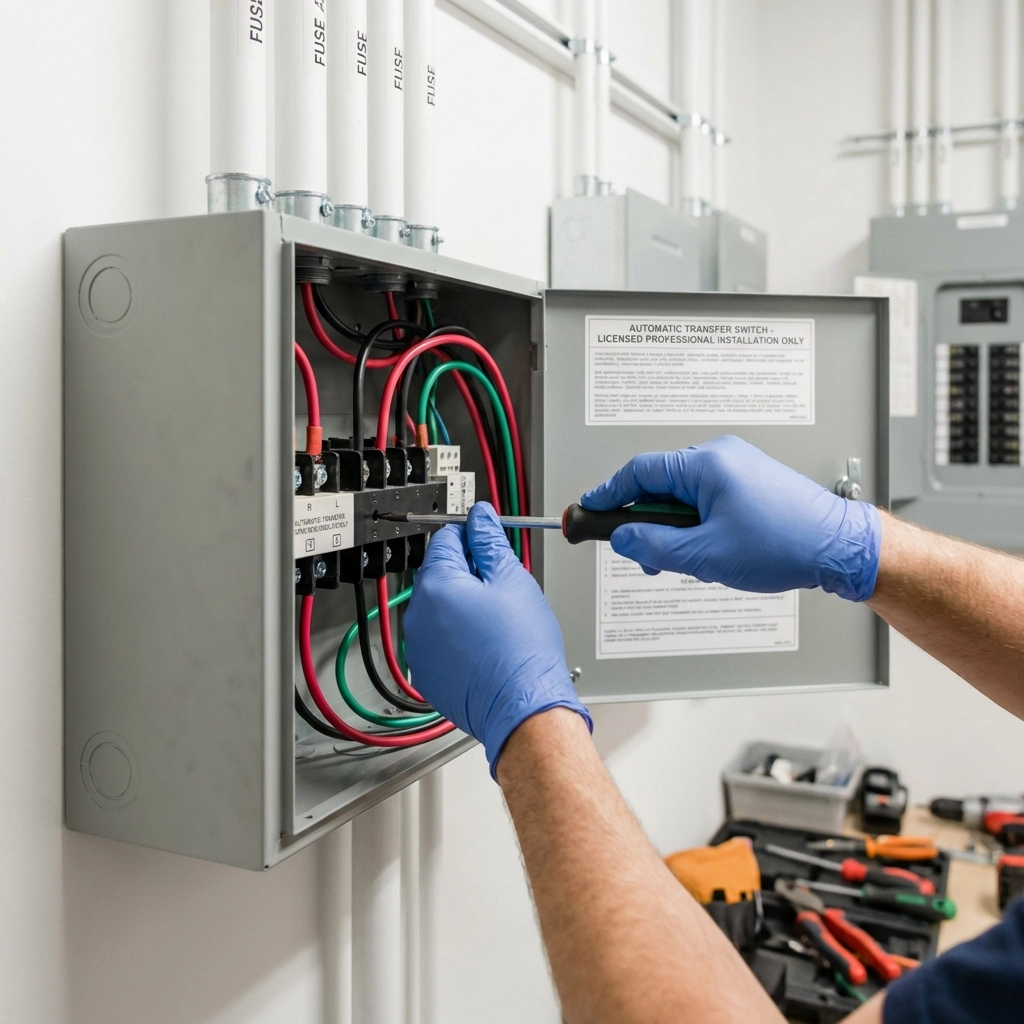
Mistakes in wiring, especially at the transfer switch, are a leading cause of backfeeding incidents. Even small errors can create dangerous situations or cause your generator to fail when you need it most.
Fuel Line Problems
For natural gas or propane generators, fuel line sizing is critical. Undersized fuel lines restrict gas flow, leading to poor performance or startup failures. Improperly sized regulators can't deliver adequate pressure. And loose connections create fire and leak hazards.
Why Professional Installation Matters
Local codes in Maine specify exact materials and techniques for fuel line installation. These requirements exist for good reason, they prevent leaks, fires, and equipment failures.
Professional electricians have the training to get these connections right the first time. They know the codes, have the right tools, and can spot potential problems before they become emergencies.
Frequently Asked Questions About Generator Installation in Maine
How much does professional generator installation cost in southern Maine?
Costs vary based on generator size, your home's electrical setup, and local permit requirements. Contact us for a free estimate tailored to your specific needs.
Do I need a permit to install a generator in Biddeford or Portland?
Yes, most Maine communities require permits for generator installation. Professional electrical companies in Maine handle the permit process for you.
How long does generator installation take?
Most residential installations take one to two days once equipment arrives. Planning ahead: especially before storm season: helps avoid wait times.
Can I install a portable generator myself?
Portable generators have fewer requirements, but you still need proper outdoor placement and should never backfeed through your electrical panel without a transfer switch.
What Local Electricians Want You to Remember
Here's the bottom line: a backup generator is a significant investment in your home and your family's safety. Getting the installation right protects that investment for years to come.
Whether you're in Biddeford, Portland, Kennebunkport, Brunswick, Freeport, or searching for electricians Rockland Maine residents trust, the advice is the same:
Get a professional load calculation for proper sizing
Always install a transfer switch correctly
Follow placement guidelines to prevent carbon monoxide hazards
Hire licensed, experienced professionals for installation
Ensure all connections meet local codes for safety and compliance
At Downeast Electrical Services, we've helped homeowners throughout southern Maine electric-proof their homes against storms and outages. Our team handles everything from sizing to permits to final inspection: so you can enjoy peace of mind when the lights go out.
Ready to storm-proof your home the right way? Contact us today for expert guidance and professional installation you can count on.
Comments