
Are Traditional Electrical Companies in Maine Ready for the Heat Pump Boom? Here's the Truth
- Oct 14, 2025
- 4 min read
If you've been wondering whether electrical companies in Maine are equipped to handle the massive surge in heat pump installations, you're asking exactly the right question. With Maine's ambitious clean energy goals and the growing popularity of mini splits and heat pump systems, the demand for qualified installers has never been higher.
The short answer? Yes, but it's complicated. Maine's electrical contractors and HVAC professionals have shown impressive adaptability, but the heat pump boom is testing everyone's limits in ways we've never seen before.
Maine's Heat Pump Revolution is Happening Now
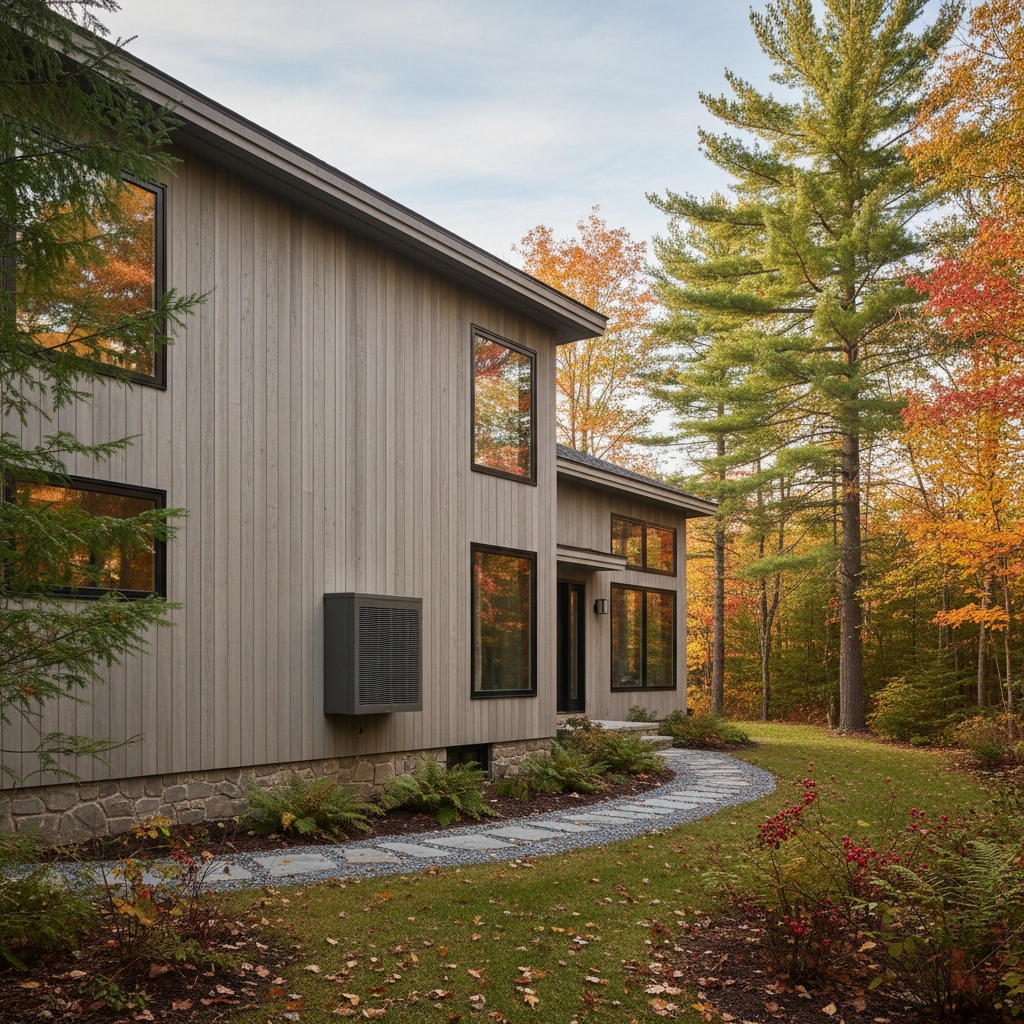
Maine isn't just talking about clean energy: we're leading the charge. The state smashed through its goal of installing 100,000 heat pumps a full two years ahead of schedule in 2023. Now, Governor Mills has set an even bolder target: 175,000 additional heat pumps by 2027, bringing the total to 275,000 installations.
To put this in perspective, that's roughly 28,000 heat pump installations happening each year across our state. For Maine electricians and HVAC contractors, this represents both an incredible opportunity and a significant logistical challenge.
The Current State of Maine's Electrical Workforce
Here's where things get interesting. Maine currently has nearly 700 registered heat pump installers working across the state, and clean energy jobs reached nearly 15,600 positions in 2023. More than half of these jobs focus specifically on energy efficiency work: which includes heat pump installations.
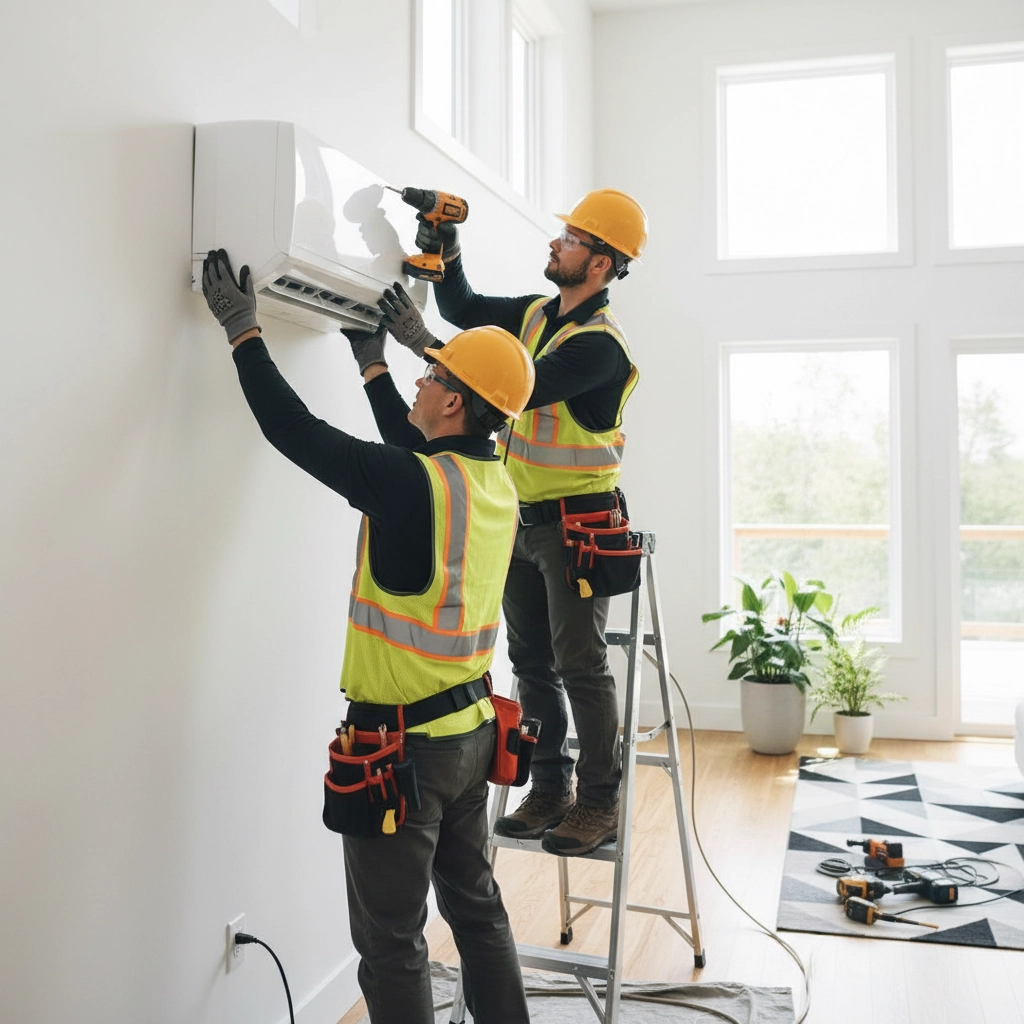
What does this mean for you as a homeowner? The good news is that electrical companies in Maine are busier than ever, and many have become incredibly efficient. Some experienced crews can now completely convert a home to heat pumps in just four to five hours. That's expertise you can trust.
One contractor we spoke with mentioned handling 45 to 50 heat pump installation jobs each week through state programs alone. That's serious volume, and it shows that Maine's electrical professionals are rising to meet demand.
Massive Investment in Training and Development
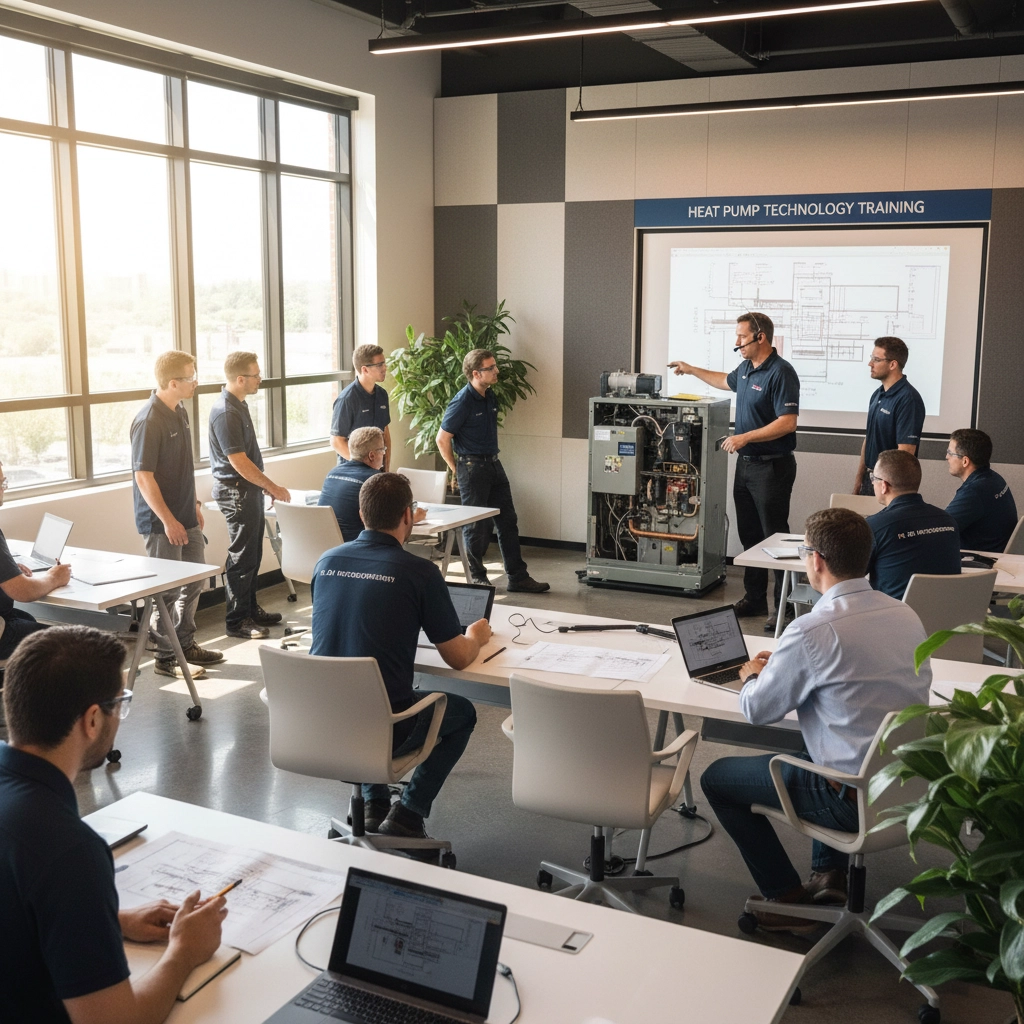
Maine hasn't left workforce development to chance. Since 2022, the state has invested over $7 million in clean energy workforce development through the Clean Energy Partnership Program. But they're not stopping there: an additional $1.2 million is planned specifically for heat pump installation and maintenance training programs.
This investment is paying off. Maine electricians are among the best heat pump installers in the country, according to Michael Stoddard, Executive Director of Efficiency Maine. They've worked hard to market and install these systems, and it shows in their expertise.
The state has also joined a five-state coalition working to enhance heat pump usage and train installers throughout New England. This regional approach means your local electrical contractor has access to best practices and resources from across the region.
What This Means for Traditional Electrical Companies
Traditional electrical companies have had to evolve quickly, but many are thriving in this new landscape. The technology has improved dramatically: modern cold climate heat pumps now work effectively in temperatures as low as negative 15 degrees Fahrenheit. Mini splits have also become increasingly popular options for Maine homes.
For electrical contractors, this evolution has meant:
Expanding service offerings beyond traditional electrical work
Investing in new equipment and specialized training
Hiring additional staff to meet growing demand
Partnering with HVAC professionals for comprehensive installations
The economics are working in contractors' favor too. Maine remains the most heating oil-dependent state in the nation, with 52% of households still using fuel oil for primary heating. This creates enormous market potential for heat pump conversions.
Financial Incentives Drive Contractor Investment
State and federal programs have created predictable demand that makes it worthwhile for electrical companies in Maine to invest in heat pump capabilities. A $36 million grant from the U.S. Department of Energy funds the Home Energy Rebate program, which has already committed funds for nearly 450 heat pump installations in affordable housing and mobile homes.
Maine's new energy-efficiency plan, launched in July, is expected to support heat pump adoption across 38,000 additional Maine homes. For contractors, this represents steady, reliable work for years to come.
The Reality Check: Challenges That Remain
While Maine's electrical contractors have shown remarkable adaptability, some challenges persist:
Capacity Constraints: The rapid doubling of installations year-over-year puts continuous pressure on contractors to hire and train new workers quickly. Quality training takes time, and rushing can lead to subpar installations.
Education Gaps: Many homeowners still don't fully understand how heat pumps work or the potential savings they offer. This means contractors often spend significant time educating customers rather than just installing equipment.
Seasonal Demand Spikes: Maine's heating season creates natural peaks in demand that can strain even well-prepared contractors.
Supply Chain Coordination: Success requires tight coordination between manufacturers, distributors, and installers. Any weak link can create bottlenecks.
How to Choose the Right Electrical Company for Your Heat Pump
When you're ready to make the switch to heat pumps, here's what to look for in Maine electricians:
Registered heat pump installer certification with the state
Experience with your specific type of installation (ducted systems, mini splits, etc.)
Up-to-date training on the latest cold climate technology
Good relationships with local distributors for reliable equipment supply
Clear communication about timeline, costs, and what to expect
Companies like Downeast Electrical Services have invested heavily in heat pump expertise, ensuring they can handle both the electrical connections and the broader system installation needs.

The Verdict: Maine is Ready, But Choose Wisely
Traditional electrical companies in Maine have demonstrated impressive readiness for the heat pump boom. The combination of substantial state investment, effective training programs, and favorable market conditions has created a strong foundation for success.
However, not all contractors are created equal. The rapid growth means some are still catching up on training and experience. The key is choosing established electrical companies in Maine that have made the investment in proper training, equipment, and staffing.
Looking ahead, meeting Maine's ambitious 2027 goal will require continued investment in workforce development and contractor capacity expansion. The infrastructure and momentum are in place, but sustained growth will depend on maintaining quality while scaling up operations.
For Maine homeowners considering heat pumps, the timing has never been better. The combination of experienced installers, strong state incentives, and proven technology makes heat pump installation a smart investment. Just make sure you're working with contractors who have embraced this transition and invested in doing it right.
The heat pump boom in Maine is real, and the state's electrical contractors are rising to meet the challenge. With careful planning and the right partners, Maine's clean energy future looks bright: and warm.
Comments