
Are Traditional Electrical Companies in Maine Missing the $19M Federal Deadline? Here's the Truth About EV Charger Rebates Ending Soon
You've probably seen headlines about federal deadlines and EV rebates ending, leaving many Maine homeowners confused about what's actually happening with electric vehicle incentives. The short answer? There's a lot of misinformation floating around, but the reality is much simpler: and potentially better for Maine residents.
Let's clear up the confusion and get you the facts you need to make smart decisions about EV charger installation.
The Real Story Behind Federal EV Programs
Here's what actually happened: The federal tax credit program for EV purchases expired on September 30, 2025. But here's the thing: many electrical companies either don't understand the current landscape or haven't updated their information, which means homeowners are getting mixed messages about available incentives.
The confusion around a "$19M federal deadline" likely stems from miscommunication about various funding programs. While federal programs have shifted, Maine has stepped up in a big way to fill the gap.
Maine's Efficiency Maine Program: Actually Better Than Before
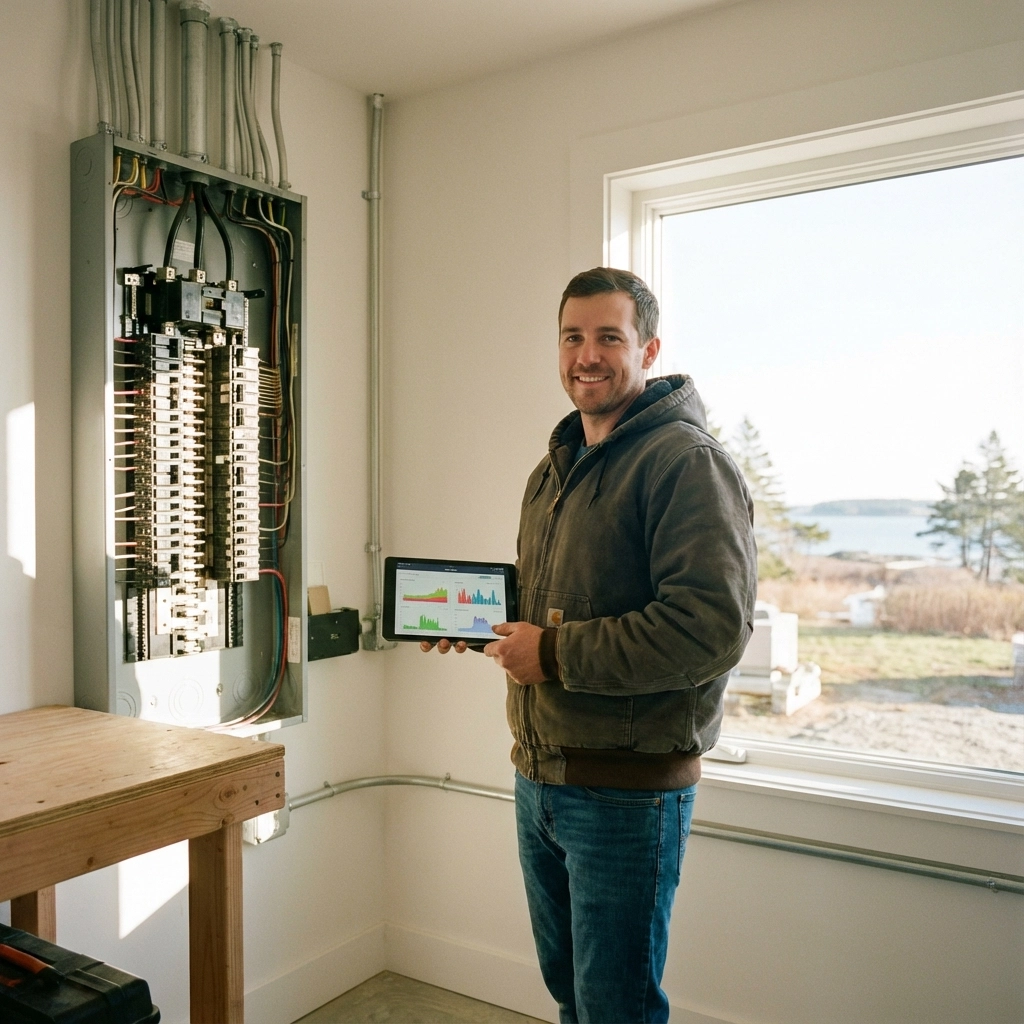
Good news: Efficiency Maine's rebate program is not only still running, but it's actually more convenient than the old federal system. Instead of waiting until tax season to claim credits, you get instant rebates right at the point of sale.
Current Efficiency Maine rebates include:
Low-income households: up to $8,000 for new EVs, $4,000 for used
Moderate-income households: up to $6,000 for new EVs, $3,000 for used
Businesses and nonprofits: $2,000 for new EVs, $1,500 for used
But here's what many people don't realize: these vehicle rebates are just part of the story. The real opportunity lies in home charging infrastructure.
Why EV Charger Installation Matters More Than Ever
With more Mainers switching to electric vehicles (whether through state rebates or just smart planning), the demand for home charging stations is skyrocketing. And that's where things get interesting.
Installing a home EV charger offers several advantages:
Convenience: Wake up every morning with a fully charged vehicle
Cost savings: Home electricity rates are typically lower than public charging
Property value: Homes with EV charging capability are increasingly attractive to buyers
Future-proofing: Get ahead of the curve as EV adoption accelerates
What Many Electrical Companies Are Getting Wrong

We're seeing too many electrical companies in Maine making critical mistakes with EV charger installations. Some are still talking about federal programs that no longer exist. Others are quoting outdated pricing or using inferior equipment.
Common mistakes we're seeing:
Not understanding current rebate programs
Using lower-quality chargers that won't last Maine winters
Inadequate electrical panel assessments
Poor placement planning that affects charging efficiency
Skipping permits or not following local codes
The reality is that EV charger installation requires specific expertise. It's not just about running a 240V line: proper installation involves load calculations, electrical panel upgrades (often needed), weatherproofing, and compliance with rapidly evolving electrical codes.
The Smart Approach to EV Charger Installation
At Downeast Electrical Services, we've been tracking these changes closely. Our team understands both the technical requirements and the current incentive landscape, so you get accurate information and professional installation.
Here's our recommended approach:
Home electrical assessment: We evaluate your existing panel capacity and wiring
Charger selection: We help you choose the right charger for your specific vehicle and usage patterns
Permit handling: We take care of all necessary permits and inspections
Professional installation: Proper mounting, wiring, and testing for reliable operation
Future planning: We ensure your installation can accommodate potential upgrades
Understanding Your EV Charging Options
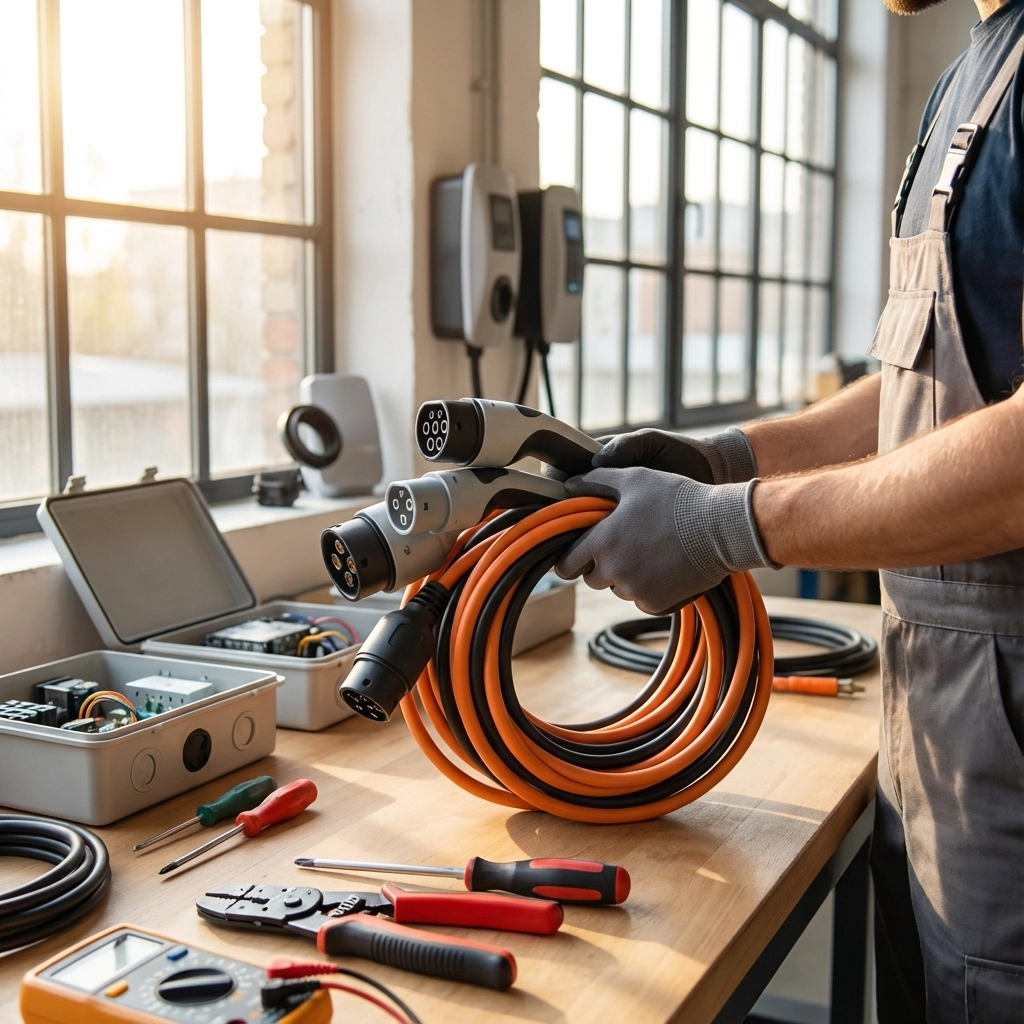
Not all EV chargers are created equal, especially for Maine's climate. Here's what you need to know:
Level 1 Charging (120V)
Uses standard household outlets
Adds about 4-5 miles of range per hour
Fine for plug-in hybrids or low daily driving
No electrical work required
Level 2 Charging (240V)
Requires dedicated 240V circuit
Adds 25-40 miles of range per hour
Best option for most homeowners
Professional installation recommended
DC Fast Charging
Commercial-grade equipment
Extremely fast charging (not practical for homes)
Used primarily for businesses or public stations
For most Maine homeowners, Level 2 charging hits the sweet spot of convenience and practicality.
Timing Your Installation: Why Now Makes Sense
While the federal landscape has shifted, several factors make this an excellent time for EV charger installation:
Current advantages:
Maine's rebate programs remain robust with $2.4 million budgeted for fiscal year 2026
Electrical supply chains have stabilized after pandemic disruptions
Installation costs have become more competitive
Winter installation scheduling is typically easier
Planning for the future:
EV adoption continues accelerating in Maine
Electrical contractors experienced with EV installations are still relatively scarce
Property values increasingly reflect charging capability
What to Look for in an Electrical Contractor
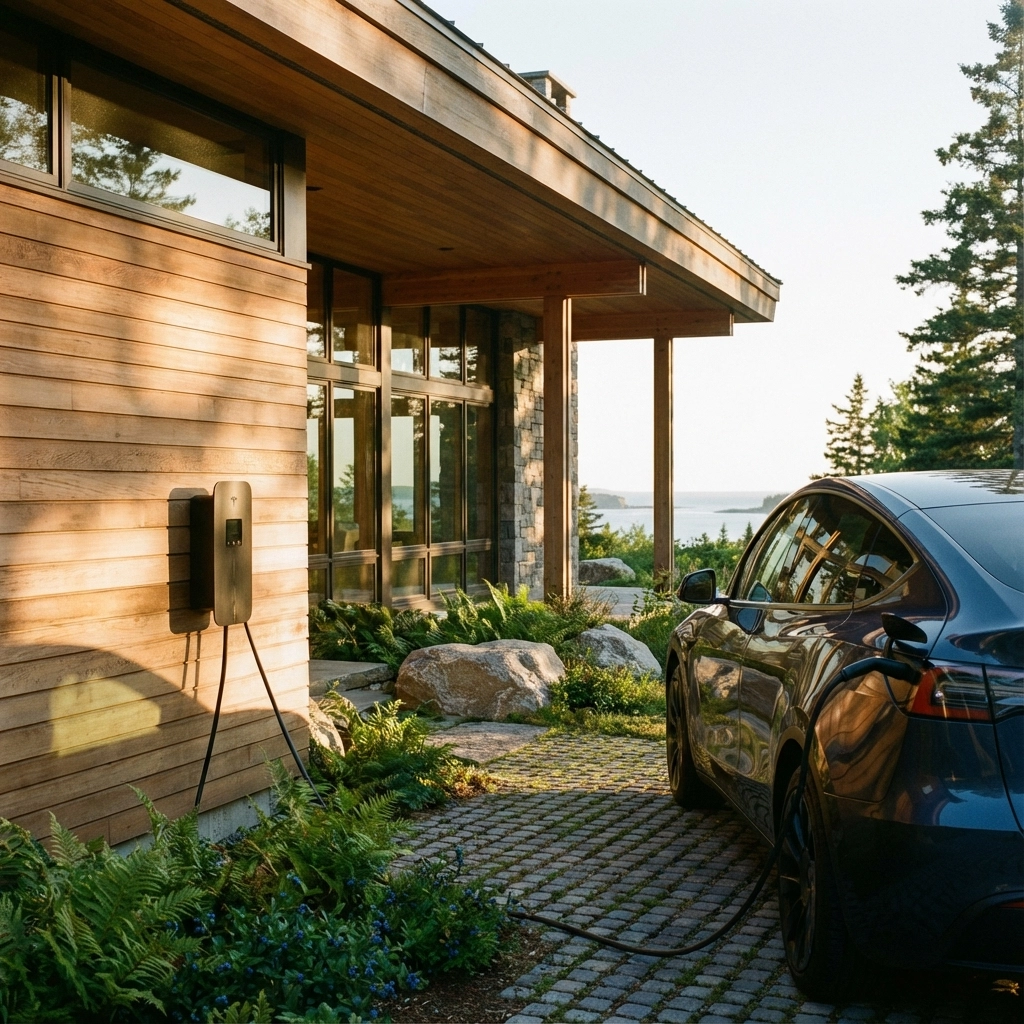
When choosing an electrical contractor for EV charger installation, experience matters. Here's what separates quality contractors from the rest:
Essential qualifications:
Licensed Maine electrical contractors
Experience with EV charger installations specifically
Knowledge of current rebate programs
Proper insurance and bonding
References from recent EV charger projects
Red flags to avoid:
Contractors who seem confused about current incentive programs
Quotes that seem unusually high or low
Pressure to install specific brands without explanation
Reluctance to pull proper permits
No mention of electrical panel assessment
Making the Investment Work for You
Let's talk numbers. A professionally installed Level 2 EV charger typically costs between $800-$2,500, depending on your home's electrical setup and the charger you choose.
Factors affecting cost:
Distance from electrical panel to installation location
Need for electrical panel upgrades
Charger features and brand
Local permit fees
Complexity of installation
But here's the thing: this investment pays dividends. Most EV owners save $1,000+ annually on fuel costs, plus you're adding valuable infrastructure to your home.
Getting Started: Your Next Steps
Ready to join the growing number of Maine homeowners with home EV charging? Here's how to move forward smartly:
Assess your needs: Consider your current or planned EV and daily driving patterns
Get a professional evaluation: Have your electrical system assessed by qualified contractors
Compare options: Look at different charger models and installation approaches
Plan for the future: Consider how your EV needs might evolve
The key is working with electrical contractors who understand both the technical requirements and the current incentive landscape. You want accurate information and quality installation that'll serve you reliably for years to come.
At Downeast Electrical Services, we're here to help Maine homeowners navigate these decisions with confidence. Our team stays current on rebate programs, installation best practices, and the latest EV charging technology.
Don't let confusion about federal programs keep you from taking advantage of Maine's excellent current incentives. Contact us for a straightforward assessment of your EV charging options: we'll give you the facts you need to make the right decision for your home and budget.
The future of transportation is electric, and Maine is embracing that future with smart incentive programs and growing infrastructure. Make sure you're positioned to take full advantage of what's available right now.
Comments