
Adding an EV Charger in Portland Maine? 5 Steps to Avoid the $2,500 Panel Upgrade Surprise
So you just bought an electric vehicle (or you're about to), and now you're thinking about installing a Level 2 charger at your Portland home. Smart move! Charging at home is way more convenient than hunting down public charging stations around South Portland or Scarborough.
But here's the thing nobody tells you until it's too late: that $800 charger installation quote can quickly balloon to $3,300 when your electrician discovers your electrical panel can't handle the load. Suddenly, you're looking at a full panel upgrade you never budgeted for.
The good news? You can avoid this surprise with some upfront planning. Let's walk through the five steps that'll help you understand exactly what you need before the work starts, and potentially save you thousands of dollars or at least avoid the sticker shock.
Why Panel Upgrades Happen (And Why They're So Expensive)
Before we dive into the steps, let's talk about why this happens so often in older Maine homes.
Most homes in Portland, Biddeford, and surrounding areas were built when electric vehicles weren't even on anyone's radar. Your electrical panel was sized for your lights, appliances, heating system, and maybe a window AC unit or two. That's it.
A Level 2 EV charger? That's a whole different beast. It requires a dedicated 240-volt circuit and draws a continuous load for hours at a time, similar to running a clothes dryer for 4-6 hours straight every single night. If your panel is already working at or near capacity, adding that kind of sustained demand isn't safe or legal.
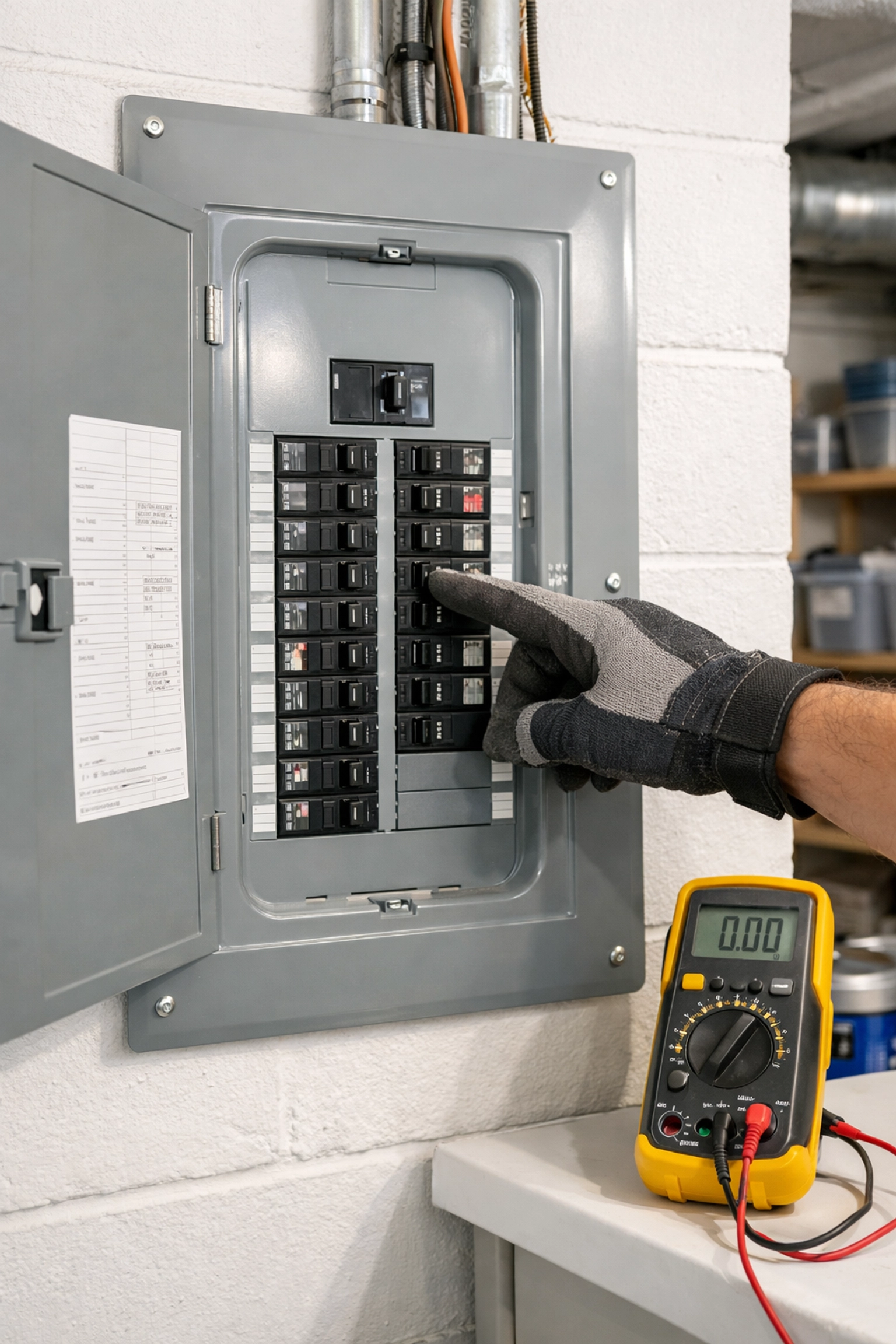
That's when you need a panel upgrade. In Southern Maine, a full 200-amp panel upgrade typically runs between $2,000-$3,500 depending on your home's specific situation. Add that to your charger installation cost, and you're looking at a much bigger investment than you planned for.
Step 1: Get a Professional Load Calculation Before You Do Anything Else
Here's where most homeowners mess up: they call an electrician, ask for a quote to install a charger, and assume the quote is final. Then, when the electrician shows up and starts looking at the panel, they discover there's no capacity left.
Skip the surprise. Start with a load calculation.
A load calculation is a formal assessment that follows National Electrical Code (NEC) standards. It's not guesswork, it's actual math that determines whether your existing electrical system can safely handle an EV charger's continuous draw.
This isn't optional, by the way. It's required by code. Any reputable electrician serving Portland, Cape Elizabeth, or Kennebunk will insist on this step before installing your charger.
What a Load Calculation Tells You
Your panel's total capacity (usually 100, 150, or 200 amps)
How much of that capacity is already being used by existing circuits
Whether you have room for a new 40-amp or 50-amp circuit for your EV charger
If you need a panel upgrade, or if there's a workaround (like load management devices)
Getting this done upfront means no surprises, no mid-project cost increases, and a clear understanding of your total investment before you commit to anything.
Step 2: Have Your Existing Panel Professionally Assessed
Once you have your load calculation, the next step is a hands-on assessment of your actual electrical panel. This goes beyond the math to look at the physical condition and setup of your system.
Here's what we look at when we assess panels for EV charger installations in the Greater Portland area:
Panel Age and Condition
If your panel is 30+ years old (common in many Saco and Old Orchard Beach homes), it might be worth upgrading even if you technically have capacity. Older panels can have:
Outdated breakers that aren't designed for modern continuous loads
Corrosion or wear that makes them less reliable
Federal Pacific or Zinsco panels that are known fire hazards
Available Breaker Spaces
Even if you have electrical capacity, you need physical space in your panel for new breakers. No space? That's another reason for an upgrade (or a sub-panel installation).
Grounding and Bonding
Modern EV chargers require proper grounding. If your home has older wiring that doesn't meet current standards, upgrades may be necessary for safety and code compliance.
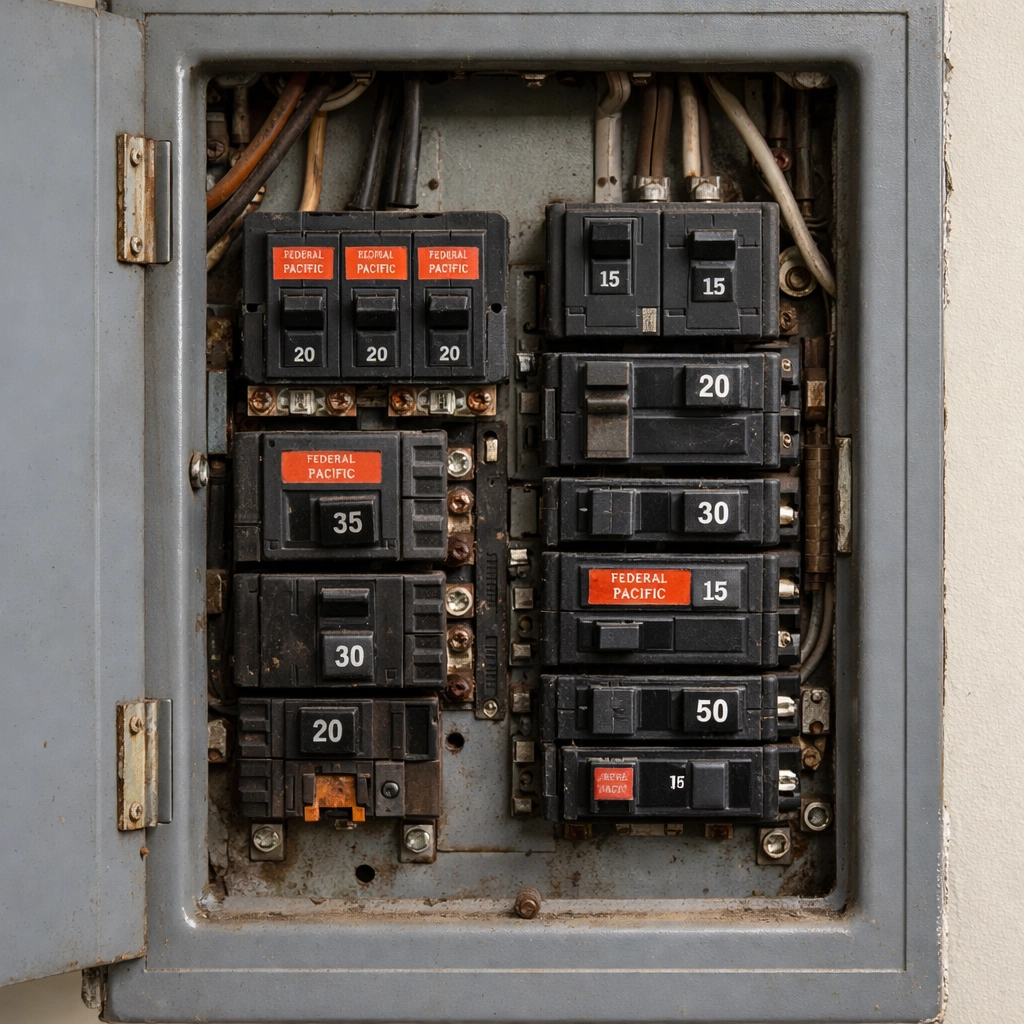
A thorough assessment gives you the full picture. Maybe you don't need a complete panel upgrade, perhaps a sub-panel or load management system could work instead, saving you money while still getting your charger installed safely.
Step 3: Plan Your Charger Location Strategically (This Matters More Than You Think)
Where you put your EV charger can make a huge difference in your installation cost. Poor placement can add hundreds or even thousands of dollars to your project.
Distance from Your Electrical Panel
The further your charger is from your main panel, the more it costs. Every foot of wire adds up, especially when you're running 240-volt circuits that require thicker gauge wire and conduit.
If your panel is in the basement on one side of your house and you want the charger on the opposite side of your garage? That's a lot of wire to run, and potentially walls to open up.
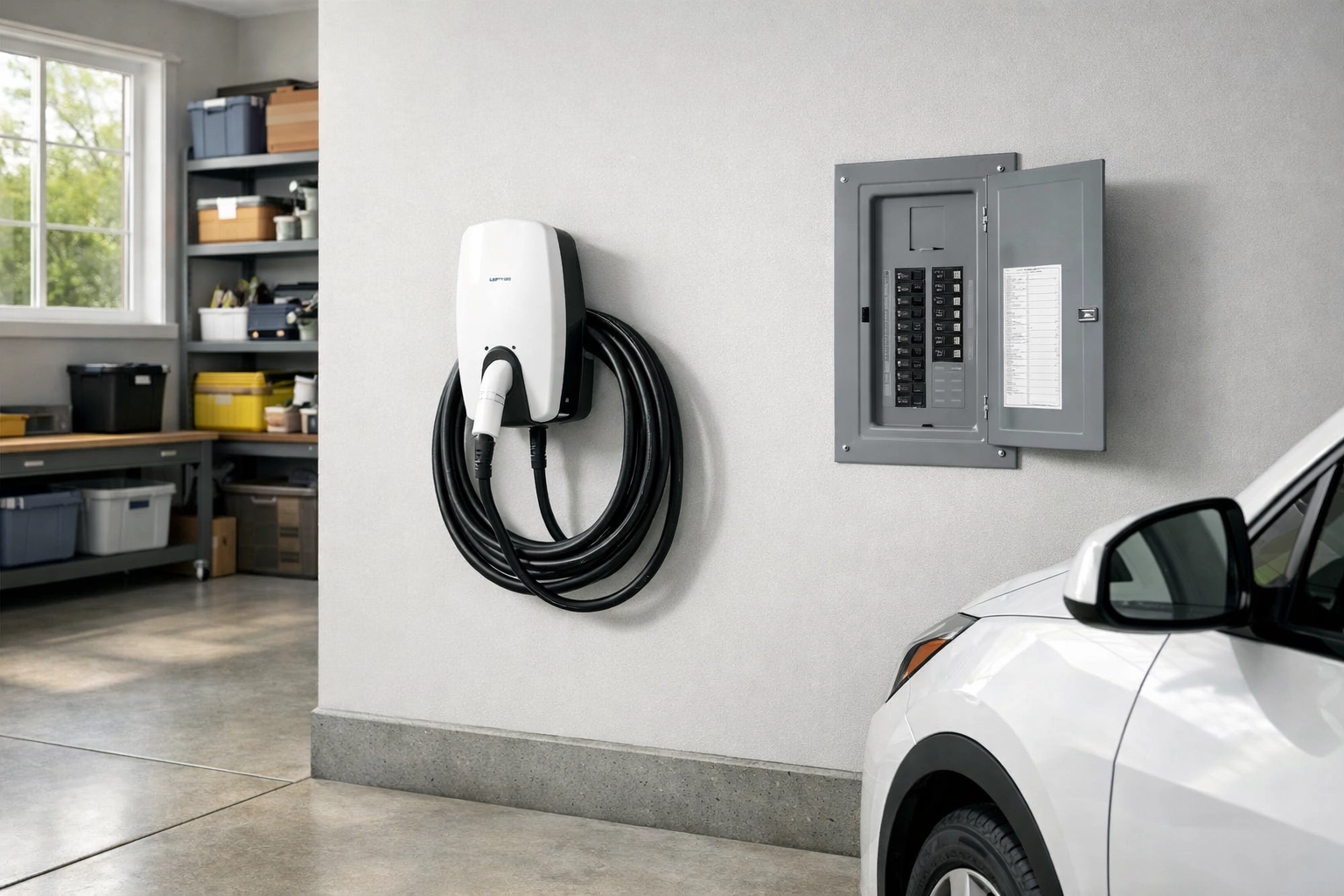
Best case scenario: Your charger is mounted on the same wall as your electrical panel (or one wall away). This minimizes wire runs and keeps costs down.
Mounting Height and Accessibility
Plan to mount your charger between 3-5 feet off the ground. This height makes it easy to plug in without bending over, and it keeps the charger unit away from potential water pooling or damage.
Also think about:
Where you typically park
Cable length (most chargers come with 18-25 foot cables)
Access for multiple vehicles if you plan to own more than one EV
Weather protection (covered parking areas are ideal)
Future-Proofing Your Setup
More and more families in Westbrook and Gorham are becoming two-EV households. If there's any chance you'll add a second electric vehicle in the next few years, plan for it now. Running conduit for a second charger during your initial installation is way cheaper than doing it later.
Step 4: Verify Permit Requirements with Your Local Building Department
Here's something that catches people off guard: you need a permit to install a Level 2 EV charger in Portland and surrounding Maine communities.
This isn't some optional bureaucratic nonsense. Permits ensure your installation meets local and national electrical codes, which keeps your home safe and protects your property value. Plus, if you ever sell your home, unpermitted electrical work can become a nightmare during the inspection process.
What the Permit Process Involves
Different municipalities handle this slightly differently, but generally:
Your electrician applies for the permit before work begins
The permit fee varies by town (usually $50-$150)
After installation, an electrical inspector comes to verify the work meets code
You receive a signed-off permit showing the work was done legally
Work with an electrician who knows the local requirements in your specific town. Permit rules in Biddeford might differ slightly from those in Kennebunkport or Wells. An experienced local electrician handles all of this for you, it's just part of the service.
Why This Matters for Panel Upgrades
If your load calculation reveals you need a panel upgrade, that requires a separate permit. Knowing this upfront helps you understand the full timeline and any additional inspection requirements.
Most electricians build permit costs into their quotes, so you won't see surprise fees later. Just make sure it's discussed upfront.
Step 5: Research Available Incentives and Rebates Early
Before you finalize your budget, do your homework on available incentives. Between federal tax credits, Efficiency Maine programs, and utility rebates, you could offset a significant chunk of your installation costs, including potential panel upgrade expenses.
Federal Tax Credits
The federal government offers tax credits for EV charger installations. These change periodically, so check current rates, but they can cover a percentage of your hardware and installation costs.
Efficiency Maine Programs
Efficiency Maine periodically offers rebates for electric vehicle charging equipment. These programs come and go, so check their website or ask your electrician about current offerings.
Utility Company Incentives
Central Maine Power (CMP) and other utilities sometimes offer programs for EV owners, including special rate structures for charging during off-peak hours. These don't directly reduce installation costs, but they can save you money over time.
Local Programs
Some municipalities in Cumberland and York counties have their own sustainability programs that might offer additional incentives. It's worth asking your town office.
Pro tip: Apply for rebates and incentives BEFORE you start your installation. Many programs require pre-approval or have specific equipment requirements that you'll need to follow.
What to Expect When You Work with a Local Maine Electrician
When you're ready to move forward with your EV charger installation, here's what the process typically looks like with a professional electrician serving the Portland area:
Consultation: We come out to your home, assess your panel, discuss your needs, and provide an honest assessment of what's required.
Load Calculation: We perform the required calculations and let you know whether your existing panel can handle the charger or if upgrades are necessary.
Detailed Quote: You get a clear, written quote that includes all work, permits, and any required upgrades. No hidden surprises.
Permit Handling: We pull all necessary permits and handle inspections.
Professional Installation: Your charger is installed to code, tested, and ready to use.
Final Walkthrough: We show you how to use your new charger and answer any questions.
The whole process usually takes 1-2 weeks from initial consultation to final installation, depending on permit approval times and parts availability.
Don't Let Panel Upgrade Costs Catch You Off Guard
Installing an EV charger at your Southern Maine home should be exciting, not stressful. By following these five steps, getting a load calculation, assessing your panel, planning your location strategically, understanding permit requirements, and researching incentives, you'll know exactly what to expect before any work begins.
Yes, you might discover you need a panel upgrade. But finding that out during the planning phase (when you can budget for it) is infinitely better than finding out mid-project when you've already committed to the work.
At Downeast Electrical Services, we've helped countless homeowners in Portland, Biddeford, Saco, and throughout Southern Maine install EV chargers: with and without panel upgrades. We believe in transparency, which means giving you all the information upfront so you can make informed decisions about your home.
Ready to explore your options for EV charger installation? Contact us for a consultation. We'll assess your electrical system, provide honest recommendations, and give you a clear picture of what's required: panel upgrade or not.
Charge on, Maine! ⚡🚗
Comments