
2025 Federal Tax Credits End Soon: 5 Steps How to Save Thousands on Heat Pumps and EV Chargers (Easy Guide for Southern Maine Electric Upgrades)
Time is running out fast. With federal tax credits for heat pumps expiring in just 19 days (December 31, 2025), thousands of Maine homeowners are scrambling to lock in savings before these incentives disappear forever. The good news? EV charger credits still have until June 2026, giving you more breathing room for that upgrade.
Here's your step-by-step guide to maximize your savings on these major electrical upgrades before the deadlines hit.
Step 1: Know What Credits Are Actually Still Available
Not all federal tax credits are created equal, and some have already expired. Here's the current status:
EXPIRED (September 30, 2025):
New and used EV purchase credits
EXPIRING DECEMBER 31, 2025 (19 days!):
Heat pumps: Up to $2,000
Heat pump water heaters: Up to $2,000
Electrical panel upgrades: Up to $600
Insulation and weatherization: Up to $1,200
Home energy audits: Up to $150
STILL AVAILABLE UNTIL JUNE 30, 2026:
EV charger installation: 30% of costs, up to $1,000
The reality check: if you haven't started the heat pump installation process yet, you're likely too late for the 2025 deadline. Installation means the system must be fully operational in your home: not just scheduled or partially complete.
Step 2: Assess Your Home's Current Electrical Setup
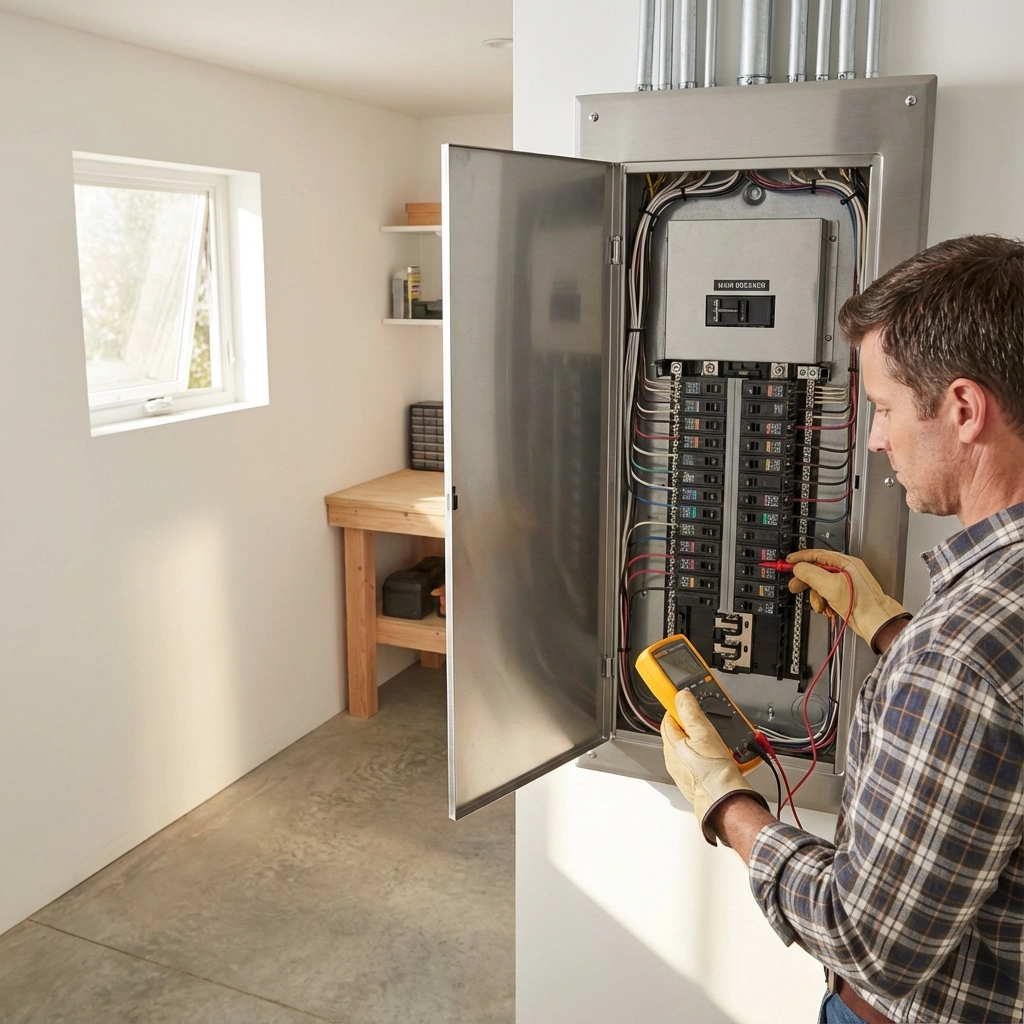
Before diving into any major upgrades, you need to understand what your electrical system can handle. This is especially critical in Southern Maine, where many homes have older electrical panels that weren't designed for today's energy-hungry appliances.
For heat pump installations:
Most heat pumps require 220V circuits
Your panel needs adequate capacity (often 200-amp service minimum)
Some homes need panel upgrades before heat pump installation
For EV charger installations:
Level 2 chargers need dedicated 240V circuits
Requires 40-50 amp breaker space in most cases
Distance from panel to charging location affects costs
If you need a panel upgrade anyway, prioritize getting that done before December 31st to claim the $600 credit. Even if you're planning an EV charger for spring, the panel upgrade portion could still qualify for the expiring credit.
Step 3: Get Emergency Heat Pump Quotes (If You're Feeling Lucky)
With 19 days left, heat pump installation is a long shot, but here's how to try:
Call multiple contractors immediately and ask about emergency installation availability. Be upfront about the December 31st deadline. Some contractors may have cancellations or can expedite permitting.
Focus on simpler installations like mini-split heat pumps rather than whole-house systems. Mini-splits can sometimes be installed faster since they don't require extensive ductwork modifications.
Consider heat pump water heaters as a backup option. These qualify for the same $2,000 credit and can often be installed more quickly than space heating systems.
Get permits fast. In many Maine municipalities, permits can take 1-2 weeks minimum. Factor this into your timeline.
The brutal truth: most reputable contractors are already booked through January, and rushing electrical work isn't safe. If you can't find availability, focus your energy on the EV charger planning.

Step 4: Plan Your EV Charger Installation Strategically
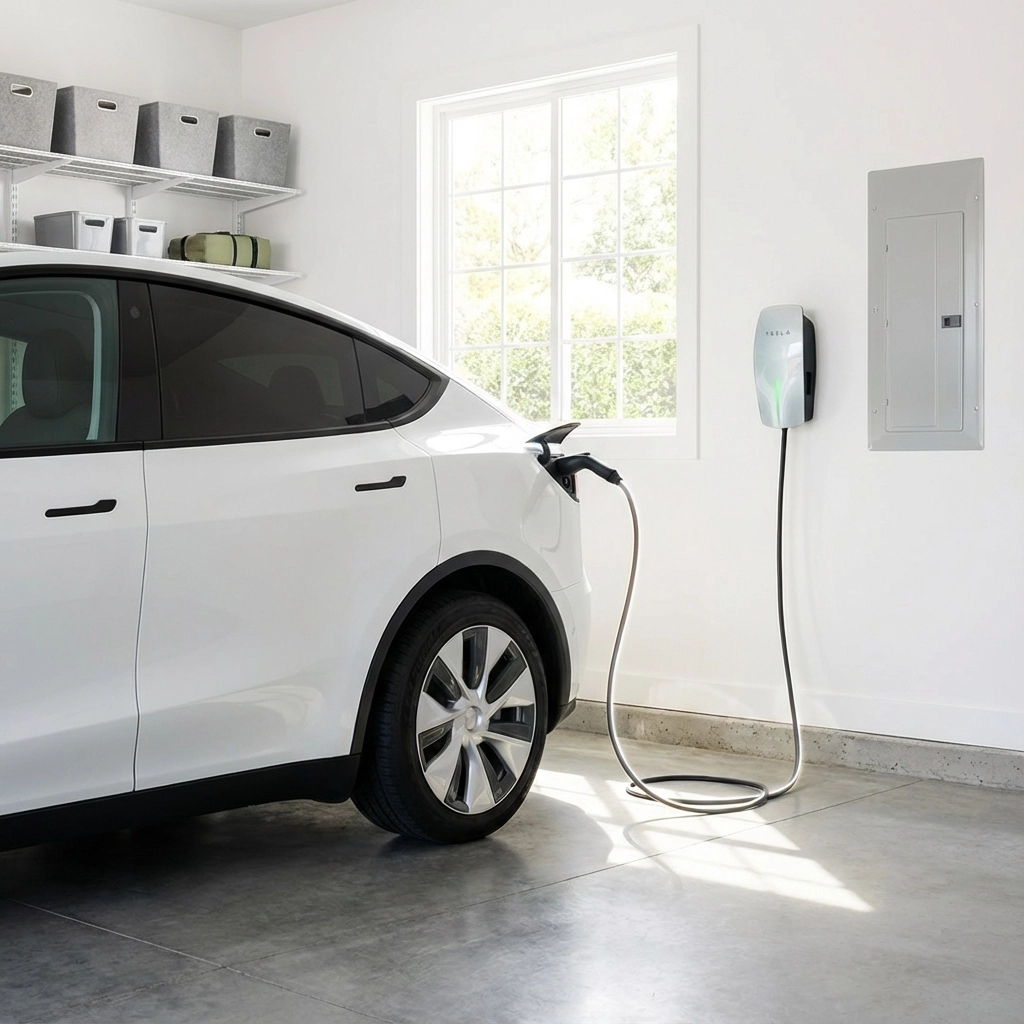
This is your best bet for federal savings, with six months left to claim the credit. Here's how to maximize value:
Start planning now even if installation is months away. Use this time to get multiple quotes, understand permitting requirements, and potentially bundle with other electrical work.
Consider your EV timeline. If you're buying an EV in 2026, plan the charger installation to coincide. Having a Level 2 charger ready means you can take advantage of Maine's time-of-use electricity rates.
Think about future needs. Installing conduit for a second charger during the initial installation costs much less than running new wiring later. Many families end up with multiple EVs within a few years.
Bundle with panel upgrades smartly. If you need a panel upgrade anyway, do it before December 31st for the $600 credit, then install the charger in early 2026 for the $1,000 credit.
Location matters for costs. Chargers close to your electrical panel cost less to install. Garage installations are typically simpler than outdoor or detached building locations.
Step 5: Stack Federal Credits with Maine State and Local Incentives
Federal credits are just the beginning. Maine offers additional incentives that can multiply your savings:
Maine state rebates often continue beyond federal deadline dates. Check with Efficiency Maine for current heat pump rebates and EV charger incentives that might still be available.
Utility company rebates vary by provider. Central Maine Power, Versant Power, and municipal utilities sometimes offer their own incentive programs for energy-efficient upgrades.
Municipal incentives exist in some Maine communities. Cities like Portland and South Portland have offered additional rebates for clean energy upgrades.
Time-of-use rate savings with EV chargers can save hundreds annually on electricity bills. Maine utilities offer cheaper overnight charging rates that make EVs even more economical.
Combine with energy audits. If you qualified for the $150 audit credit, use those findings to identify other efficiency upgrades that might have separate incentive programs.
The Math on Maximum Savings
If you could somehow pull off everything before the deadlines, here's the potential savings:
Heat pump: $2,000 federal credit
Panel upgrade: $600 federal credit
EV charger: $1,000 federal credit
State/local rebates: $500-2,000+ (varies)
Total potential: $4,100-5,600+
More realistically, focusing on the EV charger credit plus any remaining state incentives could still save you $1,500-2,500 on electrical upgrades in 2026.
What Happens After the Deadlines?
Don't panic if you miss the federal deadlines. Energy-efficient upgrades still make financial sense:
Heat pumps typically save $800-1,500 annually on heating costs in Maine, meaning they pay for themselves even without federal credits.
EV chargers add value to your home and eliminate range anxiety, making EV ownership much more convenient.
State and utility programs often continue with different timelines than federal credits.
The federal credits were a nice bonus, but the underlying economics of these upgrades remain solid for Maine homeowners.
Getting Professional Help
Given the tight timeline for heat pump credits, professional guidance is essential. Electrical work requires proper permits, inspections, and safety compliance. Rushing these installations isn't worth risking your home's safety or missing out on credits due to improper installation.
For EV charger planning, you have more time to research contractors and get multiple quotes. Focus on electricians experienced with EV installations who understand Maine's building codes and permitting requirements.
The bottom line: federal tax credits ending doesn't mean your opportunity for savings is over. It just means being smarter about timing and exploring all available incentive programs. Whether you catch the final heat pump deadline or plan a strategic EV charger installation for 2026, the right electrical upgrades can save you thousands in energy costs over the coming years.
Comments