
Why Mini-Split Installation Costs Jumped 30% in 2025 (And 5 Ways to Save Money in Southern Maine)
- Oct 29, 2025
- 5 min read
If you've been shopping around for mini-split installation in Southern Maine this year, you've probably noticed something: the prices aren't what they used to be. Many homeowners are experiencing sticker shock when they get quotes for ductless systems, with costs seeming to climb significantly compared to just a year or two ago.
The short answer is yes, mini-split installation costs have increased substantially in 2025, though the exact percentage varies by location and system type. But here's the good news: there are still smart ways to save money on your installation without compromising on quality or safety.
Let's dive into what's driving these cost increases and, more importantly, how you can navigate them to get the best deal on your new mini-split system.
What's Behind the Rising Costs?
Several factors are converging to make mini-split installations more expensive in 2025, and understanding them can help you make better timing and purchasing decisions.

Tariffs and Import Costs
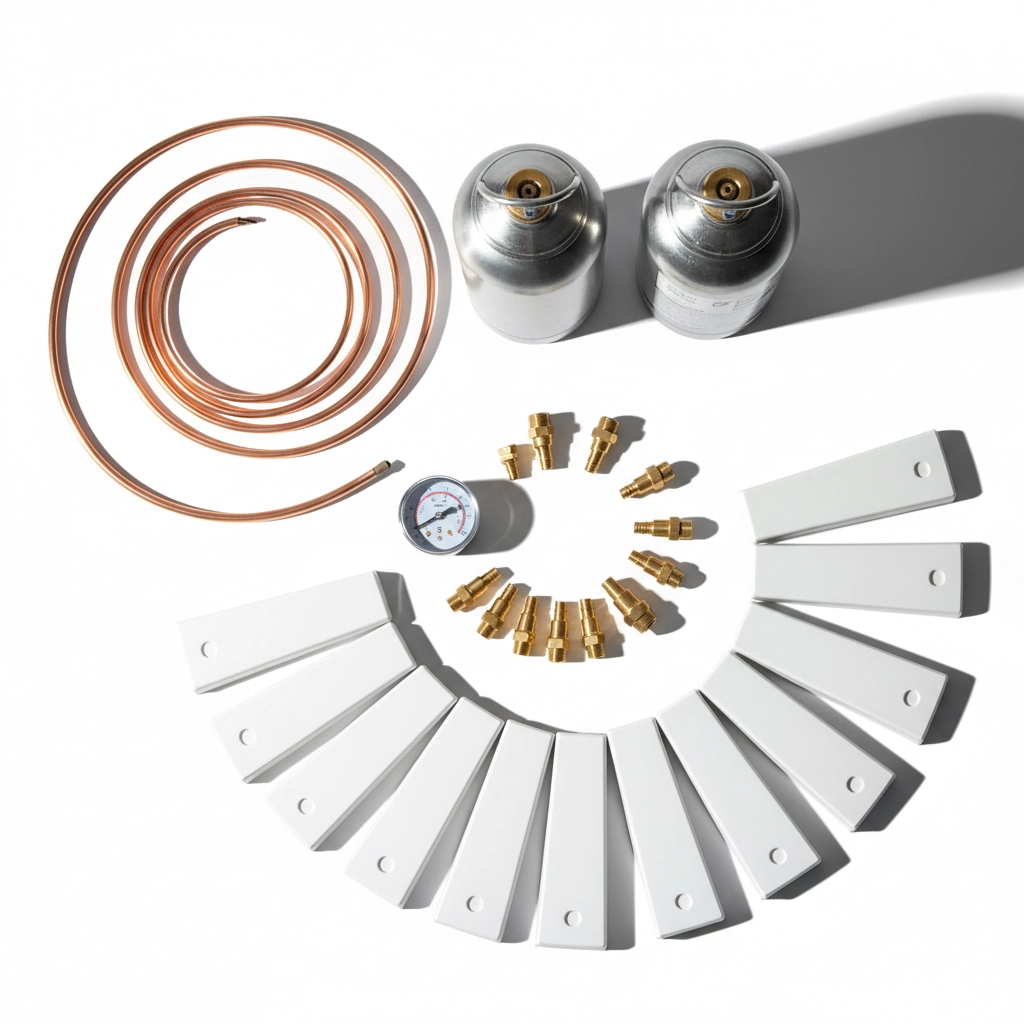
One of the biggest culprits behind rising prices is the impact of tariffs on imported HVAC equipment and components. These tariffs are affecting not just the mini-split units themselves, but also essential installation materials like copper line sets, refrigerants, and even the plastic line covers that protect your system's connections.
Since many mini-split manufacturers rely on overseas production, these tariff-related cost increases, which can range from 5% to 25% depending on the specific components, are being passed directly to consumers.
Supply Chain Disruptions
The tariff situation has created a ripple effect throughout the supply chain. Manufacturers are dealing with longer lead times for components, which can delay installations and reduce availability during peak seasons. This scarcity naturally drives up prices, especially during the busy summer months when everyone wants their cooling system installed.
Regional Labor Rate Increases
Labor costs in the Northeast, including Southern Maine, typically run higher than the national average. With demand for skilled HVAC technicians remaining strong and the complexity of modern mini-split installations requiring specialized expertise, labor rates have continued to climb. You can expect to pay between $100-$150 per hour for professional installation in our region.
Enhanced Code Requirements
Building codes and efficiency standards continue to evolve, sometimes requiring additional components or more complex installation procedures. While these changes ultimately benefit homeowners through improved safety and efficiency, they can add to the upfront installation cost.
5 Smart Ways to Save Money on Your Southern Maine Mini-Split Installation
Despite the cost increases, there are several strategies you can use to reduce your expenses without cutting corners on quality or safety.
1. Time Your Installation for Maximum Savings
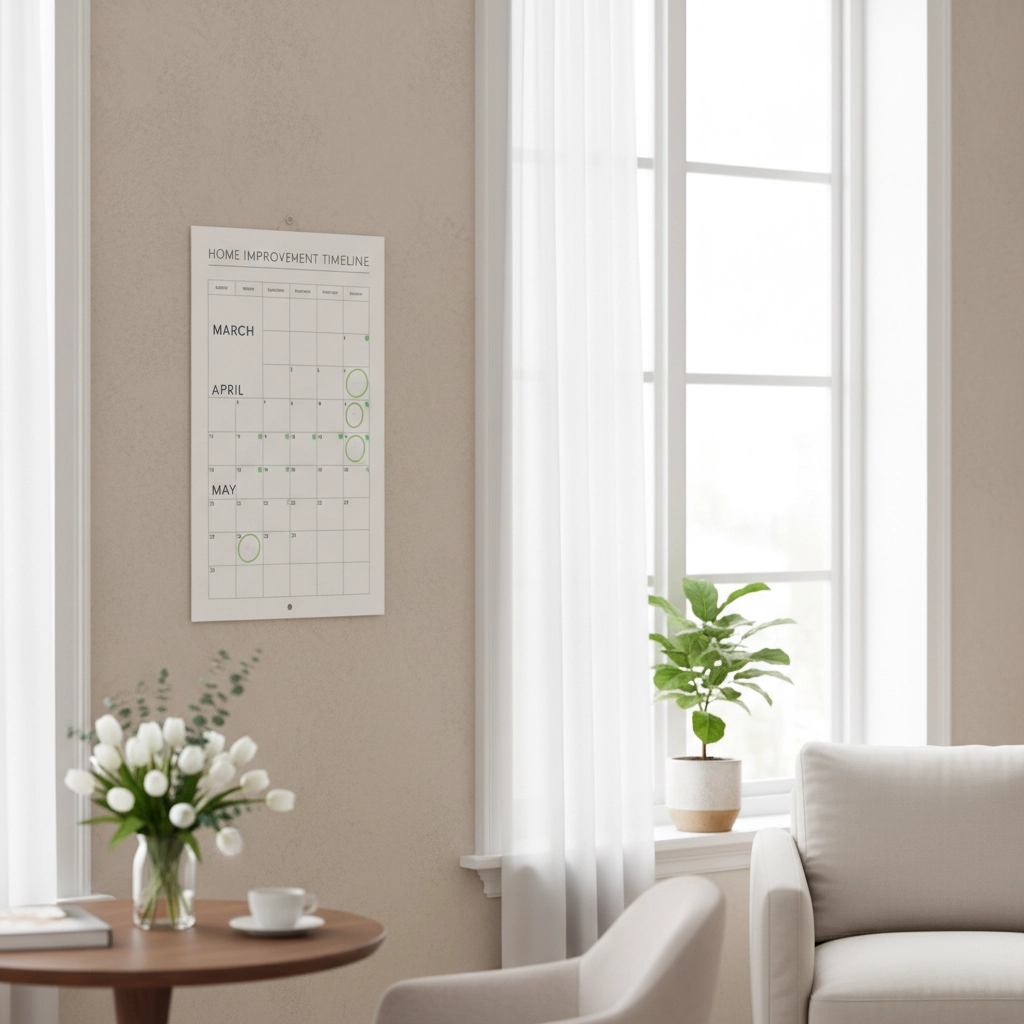
One of the easiest ways to save money is simply choosing when to install your system. Schedule your installation during the "shoulder seasons", March, April, or May, rather than waiting until the summer heat hits.
During these months, HVAC contractors aren't as busy, which means:
More flexible scheduling options
Potentially lower labor rates
No rush fees or peak-season surcharges
Better availability for the exact equipment you want
Planning ahead also gives you time to research rebates and incentives, ensuring you don't miss out on savings opportunities.
2. Maximize Federal Tax Credits
Here's some fantastic news: the federal government is offering a 30% tax credit on heat pump installation costs through 2032. This isn't a rebate you have to wait for, it's a direct credit against your tax liability that can save you thousands of dollars.
For example, if your total mini-split installation costs $8,000, you could potentially receive a $2,400 tax credit. This substantial savings can help offset much of the recent price increases, making 2025 still a great time to upgrade your home's comfort system.
3. Stack State and Local Incentives
Maine residents have access to additional savings through Efficiency Maine's heat pump rebate programs. These state-level rebates can be combined with federal tax credits for even greater savings.
Efficiency Maine offers rebates on eligible high-efficiency ductless mini-split systems, and the amounts can vary based on the specific system and your home's characteristics. The key is to work with a qualified installer who understands how to help you navigate both state and federal incentive programs.
4. Right-Size Your System
One of the biggest mistakes homeowners make is over-purchasing capacity. While it might seem logical to get a bigger system "just in case," this approach can waste thousands of dollars.
Here's what proper sizing looks like:
Single-zone systems for 150-250 sq ft spaces typically cost $2,500-$3,500
Multi-zone systems for larger homes (2,500-3,000 sq ft) can run $10,000-$13,000 or more
A professional load calculation takes into account your home's insulation, window placement, ceiling heights, and local climate conditions. This ensures you get exactly the capacity you need, no more, no less. Our team at Downeast Electrical Services specializes in proper system sizing to maximize both comfort and cost-effectiveness.
5. Choose Your Equipment Strategically
Not all mini-split brands carry the same price tag, and the most expensive isn't always the best choice for your situation. While premium manufacturers like Mitsubishi and Daikin offer excellent warranties and features, budget-friendly options like Pioneer or MrCool can reduce your equipment costs significantly.
The key is understanding the trade-offs:
Budget brands may have shorter warranties but can save thousands upfront
Mid-range brands often provide the best balance of features, reliability, and cost
Premium brands offer the longest warranties and most advanced features
Remember, installation labor costs remain relatively consistent regardless of the equipment brand you choose, so equipment selection is where you have the most flexibility in managing costs.
Additional Money-Saving Tips

Get Multiple Quotes
Always obtain quotes from at least three licensed contractors. This helps you understand the market rate in your area and ensures you're getting competitive pricing. When comparing quotes, make sure you're looking at similar equipment specifications and warranty terms.
Consider Financing Options
Many contractors offer financing programs that can help you manage the upfront cost while still taking advantage of current rebates and tax credits. Some financing programs even offer promotional rates that can make the monthly payments very manageable.
Maintain Your Investment
Once your system is installed, proper maintenance can extend its lifespan and maintain its efficiency. This protects your investment and can prevent costly repairs down the road. Simple steps like regular filter cleaning and annual professional maintenance can keep your system running optimally for years.
The Bottom Line: Smart Timing and Planning Pay Off
Yes, mini-split installation costs have increased in 2025, but smart homeowners who plan ahead and take advantage of available incentives can still achieve significant savings. The combination of federal tax credits and state rebates can offset much of the recent price increases, making now still an excellent time to upgrade your home's comfort system.
The key is working with experienced professionals who understand both the technical requirements and the financial landscape. At Downeast Electrical Services, we're here to help Southern Maine homeowners navigate these decisions with confidence.
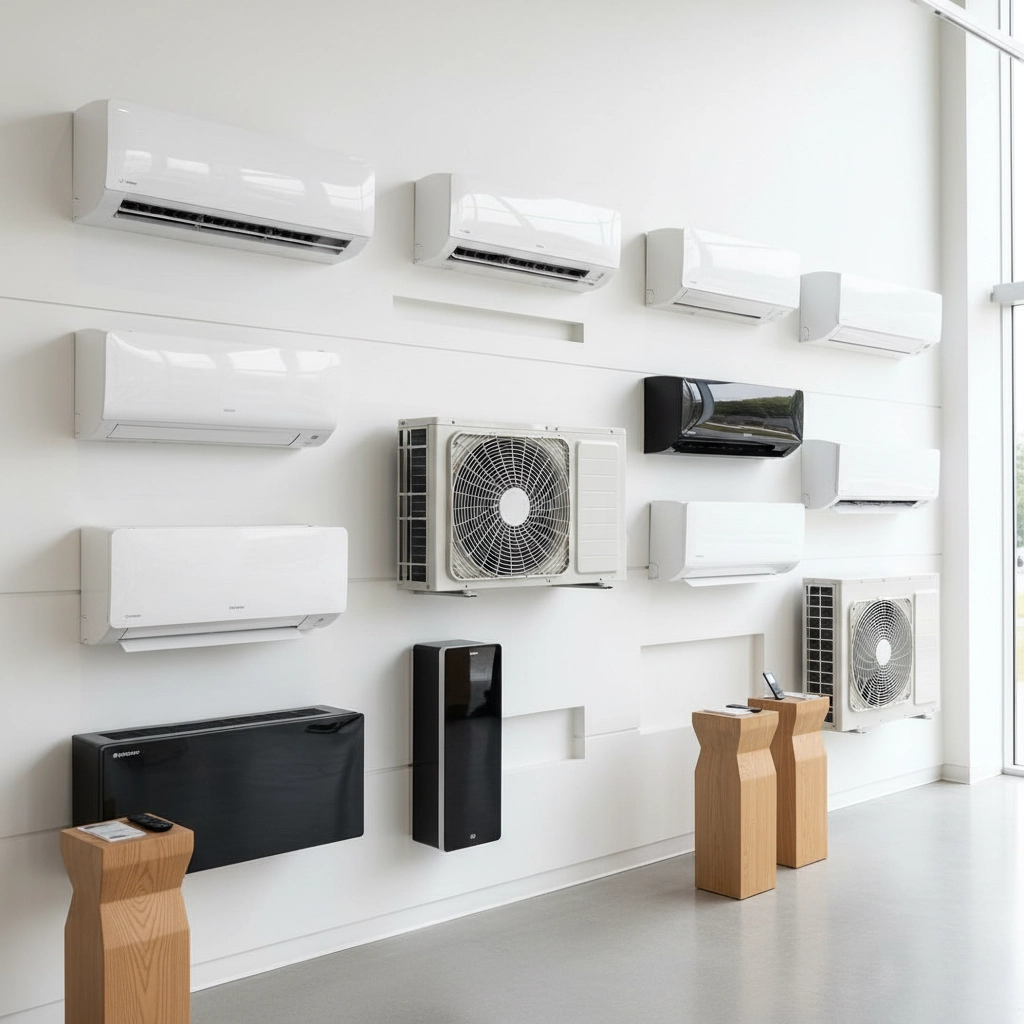
Whether you're looking to cool a single room or outfit your entire home with efficient ductless heating and cooling, we'll help you find the right system at the right price. Our team stays current on all available rebates and incentives, ensuring you get maximum value from your investment.
Contact us today for a professional consultation and let us show you how to beat the cost increases while still getting the comfort system your home deserves. With the right approach, you can enjoy efficient, reliable climate control without breaking the bank.
Comments