
Why Do Mini-Split Systems Cost So Much to Install in Maine?
If you have received a mini-split installation estimate in Maine, you may have experienced sticker shock. A single-zone system can cost several thousand dollars, while a multi-zone installation may reach five figures.
So, why do mini-split systems cost so much to install? And why are mini splits so expensive compared with a window air conditioner or other heating and cooling options?
The short answer is that you are paying for much more than the equipment. A professional mini-split installation may include cold-climate technology, specialized labor, electrical work, permits, inspections, and adjustments for the layout and age of your home.
Here is a simple breakdown for homeowners in Saco, Sanford, Kennebunk, Wells, Biddeford, and nearby Southern Maine communities.
What Does a Mini-Split Installation Cost?
Every project is different, so an estimate should be based on your home, comfort goals, electrical system, and equipment needs.
As a general planning range:
Single-zone system: Often around $5,000–$7,000 or more
Two-zone system: Commonly $8,000–$12,000
Three-zone system: Often $10,000–$15,000
Larger whole-home systems: May cost $13,500–$20,000 or more
These numbers are typically before rebates. A straightforward installation may cost less, while a project involving a long line-set run, difficult access, or an electrical service upgrade may cost more.
Our ductless mini-split service includes equipment options, electrical planning, and professional installation guidance. We can help you understand which parts of the estimate apply to your home.
1. Cold-Climate Equipment Costs More
Maine homeowners need equipment that can perform through freezing temperatures, snow, ice, and wide seasonal temperature swings.
A basic cooling-only system may be less expensive. However, many homeowners want a mini-split that provides reliable heating and cooling throughout the year. Cold-climate heat pumps are designed for that purpose, and their technology generally costs more.
Your equipment price may include:
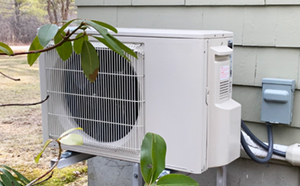
The outdoor heat-pump unit
One or more indoor air handlers
Refrigerant line sets
Mounting brackets or an elevated outdoor stand
Snow and ice protection
Condensate drainage materials
Line-hide or protective covers
Remotes and controls
Higher-efficiency equipment may also be needed to qualify for certain Efficiency Maine rebates. That can increase the initial equipment price, but it may reduce your final out-of-pocket cost.

2. Each Additional Zone Adds Cost
A single-zone system has one indoor unit connected to one outdoor unit. This can be a practical choice for:
A home office
A bedroom
An addition
A finished attic
A workshop
A main living area
A multi-zone system adds indoor units so you can control temperatures in multiple areas. Each additional zone usually means more equipment, refrigerant piping, mounting work, drainage, and commissioning time.
More zones can also make the design more complicated. The outdoor unit must be properly sized for the connected indoor units, and the installer needs to plan for airflow and comfort throughout the home.
You may not need an indoor head in every room. Starting with the areas that are hardest to heat or cool can help you control the project cost while still improving comfort.
3. Skilled Labor Is a Major Part of the Price
Mini-split installation is specialized work. The system needs to be sized, mounted, connected, tested, and commissioned correctly.
A typical installation may involve:
Reviewing your home and comfort goals
Choosing suitable indoor and outdoor locations
Installing refrigerant lines
Mounting the indoor and outdoor equipment
Connecting wiring, breakers, and controls
Installing drainage and condensate components
Testing the system in heating and cooling modes
Completing required permit and inspection steps
The work may take longer in an older home or a home with finished walls, multiple stories, tight crawl spaces, or limited exterior access.
A short, direct line run through an unfinished basement may be fairly simple. Routing lines through finished ceilings, masonry, or several floors takes more time and materials. Those extra hours are one reason two homes with similar square footage can receive very different estimates.
4. Electrical Work Can Add More Than Homeowners Expect
One of the most common answers to “why are mini splits so expensive?” is the electrical work.
Most mini-split systems require more than a standard wall outlet. Depending on the equipment, the installation may require:
A dedicated circuit
A correctly sized breaker
New wiring from the panel to the outdoor unit
An outdoor disconnect
Proper grounding and bonding
Panel capacity verification
In newer homes, adding a dedicated circuit may be relatively straightforward. Older homes in Saco, Sanford, Kennebunk, Wells, and Biddeford may have full panels, outdated equipment, or limited service capacity.
If your electrical panel cannot safely support the added load, the project may require a subpanel, panel replacement, or service upgrade. You can learn more about this work through our service upgrade and panel services.
A service upgrade may add thousands of dollars to the project. It is a separate improvement to your home’s electrical infrastructure, and it is not usually covered by a heat-pump rebate. However, it can prepare your home for future needs such as an EV charger, generator, electric water heater, or additional heating equipment.
5. Permits and Inspections Help Protect Your Home
Permitting and inspections add time and cost, but they are important parts of a safe installation.
Depending on the location and scope of the work, your project may require electrical and mechanical permits. Inspectors may review whether the installation meets applicable safety and building requirements.
Permit-related expenses may include:
Permit application fees
Electrical documentation
Mechanical documentation
Inspection coordination
Additional municipal requirements
Our permitting service can help with submitting permits and providing the required documents. Local requirements can vary, so it is best to confirm what your town requires before work begins.
A low quote that leaves out permits or inspections may not be a true apples-to-apples comparison.
6. Southern Maine Conditions Affect Installation Costs
Maine’s climate and housing stock create additional considerations.
Outdoor units need to be installed where they have good airflow and protection from snow, roof runoff, and ice. Depending on the location, the unit may need an elevated stand or mounting solution.
Older homes may also have:
Limited electrical capacity
Thick walls or masonry
Finished basements and ceilings
Difficult attic or crawl-space access
Few convenient equipment locations
Longer distances between indoor and outdoor units
These conditions do not mean a mini-split cannot be installed. They simply mean the installer needs to plan carefully and work with the home as it exists.
Efficiency Maine Rebates Can Reduce the Cost
Efficiency Maine rebates may help offset the price of qualifying heat-pump equipment and installation.
Current rebate amounts may depend on household income and system eligibility. Efficiency Maine lists different rebate tiers, including:
Any-income households: Up to $1,000 per eligible outdoor unit
Moderate-income households: Up to $2,000 per eligible outdoor unit
Low-income households: Up to $3,000 per eligible outdoor unit
Limits, equipment requirements, whole-home qualifications, and program deadlines may apply. Rebate rules can change, so review the latest information on the Efficiency Maine residential rebates page before signing a contract.
Ask your contractor:
Is the proposed equipment rebate-eligible?
Is the installer registered with Efficiency Maine?
Which rebate tier might apply?
Is the rebate deducted from the project price or paid afterward?
Are electrical upgrades included in the estimate?
What paperwork will you receive?
Rebates can make a meaningful difference, but they may not cover panel upgrades, unusual construction work, or every project expense.
How to Keep Your Mini-Split Project Affordable
You do not have to choose the cheapest system to manage your budget. Instead, focus on a clear design and a complete estimate.
Consider these steps:
Install only the zones you need most.
Choose indoor and outdoor locations that allow shorter line runs.
Ask for a load calculation and electrical capacity review.
Compare equipment model numbers, not just brand names.
Confirm whether permits and inspections are included.
Ask for pricing before and after expected rebates.
Make sure electrical upgrades are listed separately.
Compare detailed quotes from qualified contractors.
A lower quote may leave out necessary work. A complete quote can be easier to understand and less likely to produce surprises later.
Is a Mini-Split Worth the Investment?
For many Southern Maine homeowners, the answer is yes. Mini-splits can provide:
Efficient heating and cooling
Room-by-room temperature control
Quiet operation
Better comfort in hard-to-heat spaces
Flexible installation for older homes and additions
Reduced reliance on some traditional heating systems
Long-term value when properly installed and maintained
Your actual energy savings will depend on insulation, electricity rates, system design, your existing heating system, and how you use the equipment. No contractor can promise exact savings without evaluating your home.
The goal is not simply to install the least expensive mini-split. It is to choose a properly sized, cold-climate system and install it safely.
Get a Clear Mini-Split Installation Estimate
So, why do mini-split systems cost so much to install in Maine? The main reasons are cold-climate equipment, multiple zones, specialized labor, dedicated electrical circuits, possible service upgrades, permitting, inspections, and the unique challenges of Southern Maine homes.
The good news is that a detailed estimate and available Efficiency Maine rebates can make the investment easier to plan. Our experienced team can help you review your electrical needs, equipment options, installation locations, and potential project requirements.
Contact Downeast Electrical Services for guidance on your mini-split project in Saco, Sanford, Kennebunk, Wells, Biddeford, or nearby communities. We are here to make the process straightforward, practical, and easy to understand.
Stay tuned for more helpful electrical and home-comfort information from us.
Comments