
Why Do Mini-Split Systems Cost So Much to Install? A Southern Maine Cost Breakdown
Synopsis
If you are researching why do mini-split systems cost so much to install, you are not alone. A ductless heat pump may look simple from the outside, but a safe, efficient installation involves much more than mounting an indoor head and connecting a few wires.
In Southern Maine, homeowners typically spend about $6,000–$9,000 for a professionally installed single-zone mini-split. A multi-zone system may cost $11,000–$18,000 or more, depending on equipment, electrical work, line-set length, access, permitting, and snow-management requirements.
The good news is that these costs are understandable: and Maine rebates may reduce your out-of-pocket investment.

Why are mini splits so expensive?
The short answer is that a mini-split installation combines specialized heating and cooling equipment, refrigerant work, electrical construction, code compliance, and cold-weather planning.
Here are the main cost drivers.
1. Cold-climate equipment costs more
A basic air-conditioning mini-split is not necessarily suitable for a Maine winter. Homeowners in Saco, Biddeford, Portland, Scarborough, and nearby communities typically need a cold-climate or hyper-heat heat pump designed to continue producing heat in very low outdoor temperatures.
Cold-climate equipment often includes:
Variable-speed inverter technology
Enhanced compressor controls
Improved defrost operation
Low-temperature heating capacity
Higher efficiency ratings
Manufacturer-approved outdoor temperature ranges
The equipment must also be correctly sized. The U.S. Department of Energy’s Building America Solution Center recommends using an ACCA Manual J load calculation for the home and for each zone. Installers should then compare the load with the manufacturer’s expanded performance data: not simply choose a system based on square footage.
An oversized system can cost more and may cycle inefficiently. An undersized system may struggle during a cold January night.
That planning takes time, but it helps you enjoy better comfort, efficiency, and reliability.
2. The line set and refrigerant work require precision
A mini-split’s indoor and outdoor units are connected by a refrigerant line set, control wiring, and sometimes a condensate drain. The distance and route between the units affect both labor and materials.
Costs may increase when:
The outdoor unit is far from the indoor head
The line set must run through finished walls or ceilings
The installation requires a long exterior route
The line set needs a protective cover
Multiple indoor heads connect to one outdoor unit
The installer must work in a crawlspace, attic, or tight mechanical area
Refrigerant connections must be properly cut, flared, pressure-tested, evacuated, and charged according to the manufacturer’s instructions. The DOE guidance explains that refrigerant charging should be completed by an EPA-certified technician.
This is one reason a professional installation is more expensive than a quick equipment-only purchase. Correct refrigerant work protects efficiency, compressor life, and warranty coverage.
3. Electrical work can be a major part of the project
Many cold-climate mini-splits require a dedicated 208/240-volt branch circuit from the electrical panel to the outdoor unit. The exact circuit size is determined by the unit’s nameplate, including its Minimum Circuit Ampacity and Maximum Overcurrent Protection rating.
A typical electrical installation may include:
A dedicated breaker
New wiring from the panel
Exterior-rated conduit
A weatherproof disconnect within sight of the outdoor unit
Equipment grounding and bonding
Panel labeling
GFCI protection when required by the applicable code and local authority
The electrical cost can be higher if the panel is full, outdated, located far from the outdoor unit, or unable to support the additional load. In that situation, a service upgrade or panel upgrade may be needed.
Our service upgrade and panel services can help address those issues before the mini-split installation begins.
Maine installations that commence on or after July 1, 2026, generally follow the 2026 NEC with Maine amendments. Requirements can vary based on the project date and local authority having jurisdiction, so your licensed electrician should confirm the applicable rules. The Maine Electricians’ Examining Board provides state licensing and code information.

4. Permits and licensed labor are part of the price
A mini-split installation is not just an appliance delivery. It is a building improvement involving electrical, mechanical, refrigerant, and sometimes structural considerations.
Depending on your town and project scope, the job may require:
An electrical permit
A mechanical or building permit
Inspection scheduling
Manufacturer installation documentation
Licensed electrical work
Refrigerant-certified labor
Permit fees vary in communities such as Saco, Biddeford, Portland, South Portland, and surrounding towns. Professional labor also includes design, safety checks, travel, setup, cleanup, testing, and commissioning.
At Downeast Electrical Services, our experienced technicians coordinate the electrical portion of the project and help homeowners understand what work is required. We also provide permitting assistance when applicable.
5. Condensate drainage is easy to overlook
Mini-splits produce water during cooling and dehumidification. That water must drain safely away from the indoor unit without leaking into walls, ceilings, or floors.
A simple installation may use a gravity-fed drain. More complicated projects may require:
A condensate pump
A longer drain route
Freeze protection
A dedicated drain location
Additional wall or ceiling access
A drain pan or overflow protection
Outdoor heat pumps also create water during defrost cycles. In winter, that water can freeze beneath the unit or create slippery walkways if the equipment is placed poorly.
Proper drainage is a small detail that can prevent expensive moisture damage later.
6. Maine winters require careful outdoor-unit placement
Snow and ice are important reasons that mini-split installations cost more in Southern Maine than they may in a mild climate.
The outdoor unit needs enough clearance for airflow and defrost water. It should also be elevated above typical snow accumulation. Depending on the property, that may require:
A wall bracket
An elevated stand
A reinforced pad
Vibration isolation
A snow-shedding location
Protection from roof runoff and falling ice
The DOE’s installation guidance recommends keeping outdoor units above snow height and avoiding areas where melting snow or ice can fall directly onto the equipment.
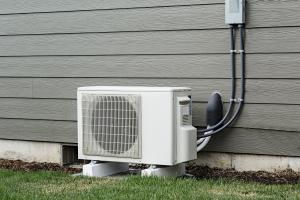
The right location helps the heat pump defrost properly, maintain efficiency, and operate with less risk of damage. It may also require longer line sets or additional mounting materials, which affects the final price.
A Southern Maine mini-split cost breakdown
The following planning ranges reflect typical Southern Maine project conditions and include a modest regional adjustment above older basic installation estimates. They are not a quote because every home is different.
Single-zone mini-split
A professionally installed single-zone system may cost approximately:
Equipment: $3,000–$4,500
Electrical circuit and disconnect: $1,200–$2,500
Line-set and refrigerant installation: $900–$1,800
Mounting, drainage, and winter protection: $300–$1,000
Permits and commissioning: $300–$800
Typical total: $6,000–$9,000
Multi-zone mini-split
A multi-zone system usually costs more because it includes additional indoor heads, longer refrigerant runs, more complicated controls, and greater electrical demands.
Typical total: $11,000–$18,000 or more
A detailed site evaluation is the best way to determine whether a single-zone system, multi-zone system, or combination of heat pumps makes the most sense.
Efficiency Maine rebates can reduce the investment
Efficiency Maine offers residential heat pump rebates for qualifying homeowners and equipment.
According to the current Efficiency Maine residential heat pump rebate information, eligible homeowners may receive:
Any income: $1,000 per rebate-eligible outdoor unit, up to $3,000
Moderate income: $2,000 per eligible outdoor unit, up to $6,000
Low income: $3,000 per eligible outdoor unit, up to $9,000
The system must meet program requirements, be installed by an Efficiency Maine Residential Registered Vendor, and be submitted with the required claim form within the program deadline.
Efficiency Maine rules can change, and not every system or installation qualifies. Review the current requirements before signing a contract. The Efficiency Maine vendor locator is also a helpful resource.
The Maine Public Utilities Commission heat pump FAQ provides additional information about Maine heat pump programs and related energy resources.
How Downeast Electrical Services can help
Downeast Electrical Services provides mini-split electrical and installation support throughout Southern Maine, including Saco, Biddeford, Portland, Scarborough, Sanford, Old Orchard Beach, South Portland, Cape Elizabeth, Kennebunk, Westbrook, Falmouth, and Gorham.
We are an Efficiency Maine Registered Vendor and an official Samsung and MRCOOL partner-distributor. Our team can help with:
Electrical planning
Dedicated 240-volt circuits
Panel capacity checks
Outdoor disconnects
Service upgrades
Permitting guidance
Mini-split installation coordination
Cold-weather equipment placement
You can learn more about our ductless mini-split services or contact us for expert guidance.
Frequently asked questions
Why do mini-split systems cost so much to install?
Mini-split installation includes equipment, electrical wiring, refrigerant work, drainage, mounting, permits, licensed labor, and commissioning. Cold-climate systems also require equipment and installation methods designed for Maine winters.
Why are mini splits so expensive compared with window air conditioners?
A mini-split is a permanent heating and cooling system, not a plug-in appliance. It includes an outdoor compressor, indoor air handler, refrigerant circuit, electrical circuit, controls, and professional installation.
Does every mini-split need a 240-volt circuit?
Many cold-climate systems use a dedicated 208/240-volt circuit, but some smaller models may use 120 volts. The equipment nameplate and manufacturer instructions determine the correct electrical requirements.
Can I install a mini-split myself?
DIY installation may create safety, refrigerant, warranty, permit, and code problems. Electrical work and refrigerant service should be completed by properly licensed and certified professionals.
Can Efficiency Maine rebates cover the full installation?
Usually, rebates offset part of the project cost rather than covering the entire installation. Eligibility depends on income, equipment, system type, installation requirements, and current program funding.
Can Downeast Electrical Services install a mini-split in Portland, Maine?
Yes. Our team serves Portland and communities throughout Southern Maine. We can evaluate electrical capacity, install the required circuit and disconnect, coordinate permitting, and help plan a reliable cold-climate system.
A mini-split installation is an investment in year-round comfort. When the equipment is sized correctly, installed safely, and prepared for snow and freezing temperatures, you can enjoy efficient heating and cooling for years to come. Stay tuned for more informative blog posts from Downeast Electrical Services.
Sources and helpful resources
Comments