
Why Are Mini Splits So Expensive in 2025? The Real Cost Breakdown (Plus 5 Ways Portland Maine Electricians Can Save You Money)
If you've been shopping for mini split systems in Portland, Saco, or anywhere in Southern Maine, you've probably experienced some sticker shock. With installed costs ranging from $2,500 to $14,500 in 2025, mini splits represent a significant investment. But before you dismiss them as overpriced, let's break down exactly why these systems cost what they do – and more importantly, how smart homeowners are saving thousands on their installations.
The Real Numbers Behind Mini Split Costs in 2025
Mini split systems aren't just expensive because manufacturers want to pad their profits. The pricing reflects genuine value in both equipment sophistication and installation complexity.
Equipment Costs Alone Are Substantial
The mini split unit itself ranges from $700 for basic single-zone systems to $10,000 for high-end multi-zone setups. Here's what drives these equipment costs:
Brand Premium: Mitsubishi units run $1,200-$7,800, LG systems cost $900-$7,600, while MRCOOL offers more budget-friendly options at $700-$5,900
Zone Complexity: Single-zone units start around $700-$2,000, but multi-zone systems quickly escalate to $5,000-$10,000
Advanced Features: Variable-speed compressors, Wi-Fi connectivity, and enhanced efficiency ratings all add to the base cost

Installation Labor Isn't Cheap (And Here's Why)
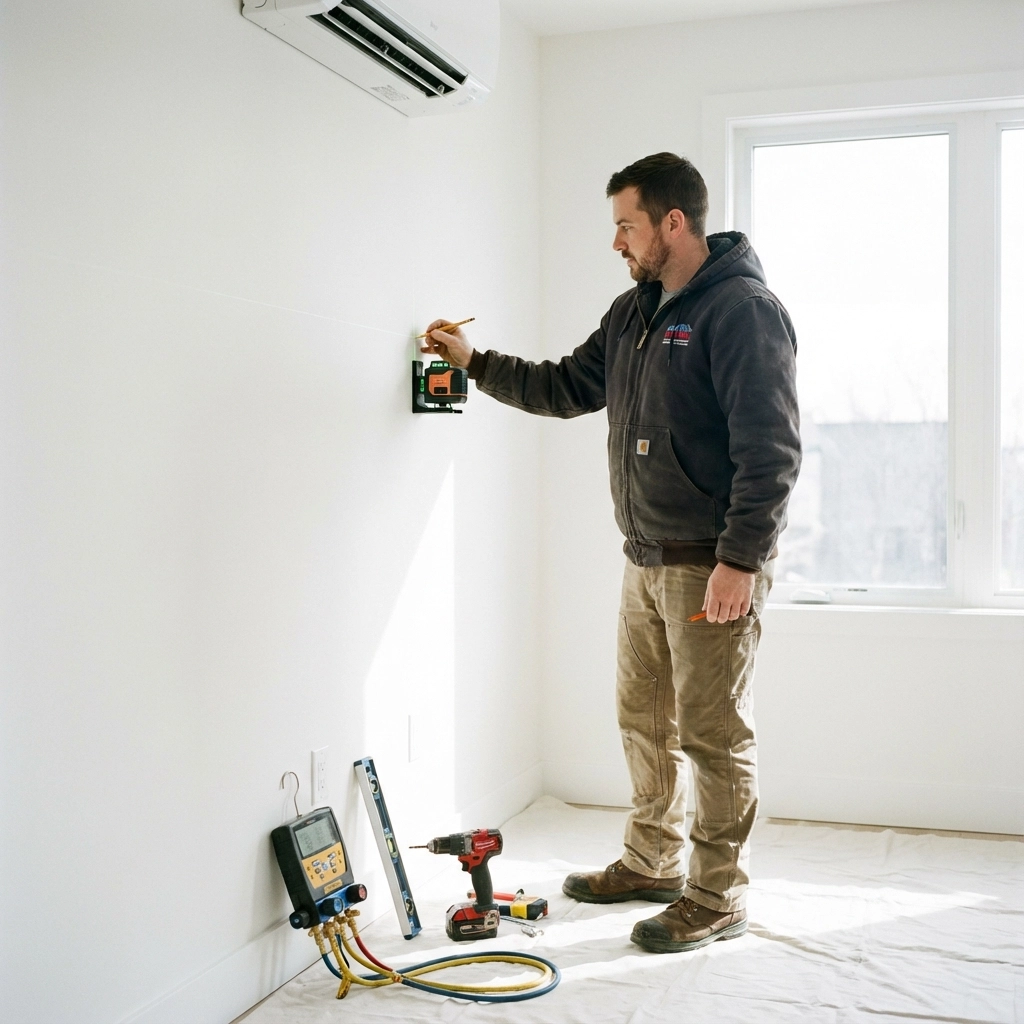
Labor typically accounts for $500 to $2,000 of your total investment, and this isn't padding – it's skilled work. Installing mini splits requires:
Precise mounting of both indoor and outdoor units
Running refrigerant lines through walls without damaging your home's structure
Electrical connections that meet Maine's building codes
Vacuum testing and system commissioning
Proper insulation and weatherproofing
Additional Components Add Up Fast
Beyond the main units, several components contribute to the final cost:
Indoor air handlers: $400-$1,500 per unit
Refrigerant line sets: $100-$300 per line (longer runs cost more)
Electrical upgrades, condensate pumps, or insulation improvements: $200-$1,500
How Zone Count Impacts Your Investment
Understanding the zone pricing structure helps explain why mini splits seem expensive compared to single-unit solutions:
Single-zone systems: $2,500-$4,500 installed
Dual-zone systems: $4,500-$7,500 installed
Three-zone systems: $6,500-$9,500 installed
Four-zone systems: $8,000-$12,000 installed
Five-zone systems: $10,000-$15,000 installed
Each additional zone requires its own indoor unit, refrigerant lines, and installation labor – costs that compound quickly.
2025's New Refrigerant Requirements Are Driving Costs Up
This year brings updated HVAC refrigerant regulations that directly impact mini split pricing. These environmental standards require more advanced refrigerants and compatible equipment, adding to both equipment and installation costs. While the exact impact varies by manufacturer, it's one reason why 2025 pricing is notably higher than previous years.
5 Ways Portland Maine Electricians Can Save You Serious Money
Despite the high base costs, experienced electrical contractors in the Portland area have developed strategies to help homeowners reduce their mini split investment without sacrificing quality.
1. Strategic Zone Planning and Phased Installation
Smart electricians don't just install what you ask for – they analyze your home's airflow patterns and usage to minimize the zones you actually need. Many homes in Portland, Scarborough, and Westbrook can achieve excellent comfort with fewer zones than homeowners initially think.
Consider phased installation: start with high-priority areas like bedrooms and main living spaces, then add zones later during slower seasons when labor rates may be more competitive.
2. Timing Your Installation for Maximum Savings
Seasonal pricing fluctuations are real in Maine's HVAC market. The best deals typically happen:
Late fall/early winter: After the cooling season but before heating demand peaks
Early spring: Before the summer rush begins
Mid-winter: When demand is traditionally lowest
Experienced contractors in Saco, Biddeford, and surrounding areas often offer better pricing during these slower periods.
3. Bundling Services for Better Overall Value
Rather than hiring separate contractors for electrical upgrades, insulation work, and mini split installation, working with full-service electrical contractors can reduce overall costs. Many Portland-area electricians now offer comprehensive services that eliminate coordination fees and reduce total labor hours.
4. Leveraging Rebates and Incentive Programs
Maine offers several programs that can significantly reduce your out-of-pocket costs:
Efficiency Maine rebates for qualifying high-efficiency units
Federal tax credits for energy-efficient HVAC systems
Utility company incentives in Cumberland and York counties
Manufacturer rebates during promotional periods
Knowledgeable electricians stay current on these programs and can help you maximize available savings.
5. Right-Sizing Equipment to Avoid Oversized System Costs
One of the biggest mistakes homeowners make is oversizing their mini split systems. Experienced contractors perform proper load calculations rather than simply matching existing heating system capacity. This precision sizing can save thousands by:
Reducing equipment costs through smaller, more efficient units
Lowering installation complexity and labor hours
Improving long-term efficiency and comfort
The Long-Term Financial Picture
While mini splits cost 20-50% more upfront than traditional central air systems, the financial equation changes when you consider operating costs. Mini splits typically:
Reduce energy bills by 30-40% compared to traditional heating and cooling
Cost $30-$60 per month to operate versus $80-$120 for central air systems
Last 15-20 years with proper maintenance
Increase home value in Maine's competitive real estate market

Making the Investment Decision
For homeowners in Old Orchard Beach, Kennebunk, Wells, and throughout Southern Maine, mini splits represent more than just a heating and cooling upgrade – they're an investment in comfort, efficiency, and home value.
The key is working with electrical contractors who understand both the technical requirements and the financial realities. Look for professionals who:
Provide detailed load calculations rather than rough estimates
Stay current on rebate programs and efficiency incentives
Offer transparent pricing with clear breakdowns of equipment and labor costs
Have experience with Maine's building codes and climate requirements
Getting Started With Your Mini Split Project
Ready to explore mini split options for your home? The most cost-effective approach starts with a professional assessment of your specific needs and circumstances. Our experienced team at Downeast Electrical Services provides comprehensive evaluations that help you understand both upfront costs and long-term savings potential.
Visit our mini splits page to learn more about our installation services and current promotions. We're here to help you make an informed decision that fits both your comfort needs and budget.
Mini splits are expensive in 2025 for legitimate reasons – advanced technology, complex installation requirements, and regulatory changes all contribute to the cost. But with the right approach and experienced contractors, you can achieve the comfort and efficiency benefits while managing your investment wisely.
Comments