
Mini-Split vs. Central Air in Southern Maine: Which Is the Better Buy in 2026?
- 11 minutes ago
- 6 min read
Are you comparing a mini-split heat pump with central air for your home in Saco, Biddeford, Scarborough, or elsewhere in Southern Maine? The short answer is: both can be good buys, but they solve different problems.
Central air may be the simpler and less expensive choice if your home already has usable ductwork. Mini-splits can be the better long-term investment if you want efficient heating and cooling without installing new ducts.
Here is how the two systems compare in 2026, including upfront cost, efficiency, winter heating, rebates, and installation requirements.
First, what is the difference?
A traditional central air-conditioning system uses ductwork to distribute cooled air throughout your home. It typically provides cooling only. Your home may still rely on oil, propane, natural gas, electric baseboards, or another system for heat.
A mini-split heat pump uses an outdoor heat-pump unit connected to one or more indoor air handlers. It can provide:
Air conditioning
Heating
Dehumidification
Room-by-room temperature control
Efficient operation without central ductwork
For a fair comparison, you should compare a mini-split heat pump with either central AC plus your existing heating system or a central ducted heat pump that provides both heating and cooling.

Upfront cost: Which system is cheaper?
Your existing home layout makes the biggest difference.
Central air with existing ductwork
If your home already has properly sized, usable ducts, a central AC replacement is often less expensive upfront. A typical planning range for a central AC installation with good ductwork is approximately $3,500 to $7,500, depending on equipment size, electrical needs, accessibility, and the condition of the existing system.
However, central air becomes more expensive when:
Ductwork needs repairs or sealing
The air handler or furnace must be replaced
The electrical panel needs work
The home needs new ductwork
Access to attics, crawlspaces, or mechanical rooms is difficult
Installing new ductwork can add thousands of dollars. In some older homes, a central system may not be practical without significant remodeling.
Mini-split heat pumps
Downeast Electrical Services commonly sees Southern Maine planning ranges such as:
Single-zone system: Approximately $5,000 to $7,000 or more
Two-zone system: Approximately $8,000 to $12,000
Three-zone system: Approximately $10,000 to $15,000
Larger whole-home systems: Approximately $13,500 to $20,000 or more
These figures are before rebates and can vary based on equipment, line-set length, electrical work, permits, mounting, and the number of indoor units.
If your home does not have ductwork, a multi-zone mini-split may cost less than installing new ducts and a central system. This is one reason mini-splits are popular in older homes around Saco, Biddeford, Kennebunk, Portland, and neighboring communities.
Why do mini-split systems cost so much to install?
If you have asked, “Why are mini splits so expensive?”, you are not alone. The equipment is only one part of the project.
1. Each zone requires additional equipment
A multi-zone system may include several indoor units, refrigerant connections, controls, mounting hardware, and line sets. A four-zone mini-split has four indoor air handlers, while a typical central AC system may use one indoor coil and one outdoor condenser.
More zones mean more:
Equipment
Copper refrigerant lines
Communication wiring
Mounting work
Condensate drainage
Testing and commissioning
2. Installation is highly customized
Mini-split systems do not simply connect to existing ducts. Each indoor unit must be placed where it can distribute air effectively.
Our team considers:
Room size and layout
Ceiling height
Airflow between rooms
Furniture and obstructions
Doorways and stairways
Outdoor unit access
Snow, ice, and roof runoff
Service access for future maintenance
A unit in a wide-open living area may heat nearby spaces effectively. It may not heat a closed bedroom or a separate floor equally well. Good placement matters.
3. Refrigerant lines require careful routing
Every indoor unit connects to the outdoor unit with insulated refrigerant lines and wiring. Lines may need to run through:
Basements
Attics
Closets
Crawlspaces
Garages
Finished walls
Exterior line-hide covers
Short, direct routes are generally simpler. Long or complicated routes through finished areas take more labor and may require additional materials.
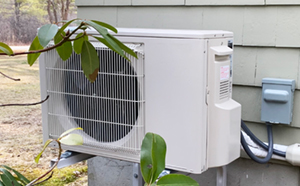
4. Southern Maine requires cold-climate equipment
A basic cooling-only mini-split is not the right choice for primary heating in Maine. Southern Maine homes need equipment designed to operate during freezing temperatures and cold snaps.
According to Efficiency Maine’s heat-pump guidance, many high-performance heat pumps can provide efficient heating down to approximately -22°F or lower. The exact performance depends on the model, sizing, installation, and outdoor conditions.
Cold-climate systems typically cost more than equipment designed only for mild weather. They use advanced inverter technology and components built for winter operation.
5. Electrical work may be required
Most mini-splits require a properly sized dedicated circuit, outdoor disconnect, breaker, and wiring. Older homes may also need:
Panel repairs
Additional electrical capacity
Grounding or bonding updates
A service upgrade
New exterior wiring routes
This electrical work is an important part of a safe, code-compliant installation. It can also prepare your home for future needs, such as an EV charger or generator.
Our service upgrade and panel team can help identify these requirements before installation begins.
Which system is more efficient?
Mini-splits are often more efficient than older central AC systems because they avoid duct losses and can heat or cool only the rooms you are using.
Central ducts can lose energy when they pass through unconditioned attics, crawlspaces, or garages. Leaky or poorly insulated ducts can also reduce comfort and increase operating costs.
Mini-split advantages include:
High-efficiency inverter operation
No duct losses
Room-by-room zoning
Less energy used in unoccupied areas
Efficient heating during mild and moderate winter weather
Central air still has advantages. It provides consistent whole-home cooling through one thermostat and is familiar to many homeowners. If you already have efficient, well-sealed ductwork, central AC may be a practical choice.
Can mini-splits heat a Southern Maine home in winter?
The short answer is yes, when the system is correctly selected and installed.
A modern cold-climate mini-split heat pump can serve as primary heat for many Southern Maine homes. It is especially useful for homeowners who want to reduce oil or propane use.
During typical winter conditions, heat pumps can deliver multiple units of heat for each unit of electricity they consume. Efficiency decreases as outdoor temperatures drop, but the system can continue providing heat during cold weather.
The home itself also matters. Insulation, air sealing, room layout, and existing heating zones all affect comfort.
Before choosing a system, ask your installer:
Is this equipment rated for Maine’s climate?
What heating capacity does it provide at 5°F or lower?
How many zones does my home actually need?
What areas may require supplemental heat?
How will the system work with my existing boiler or furnace?
Efficiency Maine’s ductless heat-pump installation considerations provide helpful information about airflow, indoor unit placement, outdoor unit mounting, and whole-home comfort.
What rebates are available in 2026?
Efficiency Maine currently offers rebates for qualifying heat-pump installations. The amount depends on household income, system type, equipment eligibility, and whether the project qualifies as a whole-home installation.
For eligible ductless systems, the current rebate structure may include:
Any-income households: Up to $1,000 per rebate-eligible outdoor unit
Moderate-income households: Up to $2,000 per rebate-eligible outdoor unit
Low-income households: Up to $3,000 per rebate-eligible outdoor unit
Lifetime limits apply. Ducted whole-home systems may qualify for different lump-sum rebates, including amounts up to $3,000 for any-income households, $6,000 for moderate-income households, or $9,000 for low-income households.
Efficiency Maine is also offering a $500 whole-home heat-pump bonus for qualifying projects completed and claimed between March 1 and December 31, 2026.
Review the current Efficiency Maine residential heat-pump rebates and whole-home heat-pump bonus details before signing a contract. Rules, equipment lists, income requirements, and deadlines can change.
Also, do not assume a 2026 installation qualifies for a federal tax credit. Current IRS guidance indicates that the federal Energy Efficient Home Improvement Credit ended for qualifying property placed in service after 2025. Ask a qualified tax professional about your specific situation.
Does the investment pay off?
For many Southern Maine homeowners, yes: but the payback depends on your home and your goals.
A mini-split may be a strong investment if you:
Do not have existing ductwork
Use oil or propane as your primary heat
Need heating and cooling in an addition or finished space
Want room-by-room temperature control
Have high summer cooling costs
Qualify for Efficiency Maine rebates
Want to reduce fossil-fuel use
Central AC may be the better buy if you:
Already have good ductwork
Need cooling only
Want one thermostat for the entire home
Prefer a less visible indoor system
Are already replacing a compatible furnace or air handler
The right answer is not always the system with the lowest installation price. Consider the full cost of equipment, installation, rebates, electricity, fuel, maintenance, and comfort over time.
The bottom line for Southern Maine homeowners
Mini-splits cost more to install because they use specialized cold-climate equipment, require custom design, involve multiple indoor zones, and often need dedicated electrical work. That higher upfront price can pay off through efficient heating, lower cooling costs, zoning, and available Maine rebates.
Central air is often less expensive when usable ductwork is already in place. But if your home lacks ducts, a mini-split heat pump may provide heating and cooling more efficiently and with less disruption than installing a complete duct system.
Downeast Electrical Services installs ductless mini-split systems throughout Southern Maine, including Saco, Biddeford, Scarborough, Portland, South Portland, Cape Elizabeth, Kennebunk, Wells, and nearby communities. Visit our mini-split services page or contact us for expert guidance.
We can review your home, electrical system, comfort goals, and rebate options so you can move forward with a clear plan.

Stay tuned for more practical electrical and home-comfort tips from Downeast Electrical Services.
Comments