
Looking for EV Chargers in Portland Maine? Here Are 10 Things You Should Know Before Installation
So you've made the jump to an electric vehicle, congrats! Whether you're cruising around Portland, commuting to Biddeford, or exploring the coast from Scarborough to Old Orchard Beach, you've probably realized that charging at home is way more convenient than hunting down public stations. But before you dive into installing an EV charger at your house, there are some important things you should know.
We've helped dozens of homeowners across Southern Maine with EV charger installations, and we've seen it all, from surprise panel upgrades to permit hiccups. Here are 10 things you absolutely need to know before scheduling that installation.
1. Your Electrical Panel Might Not Be Ready
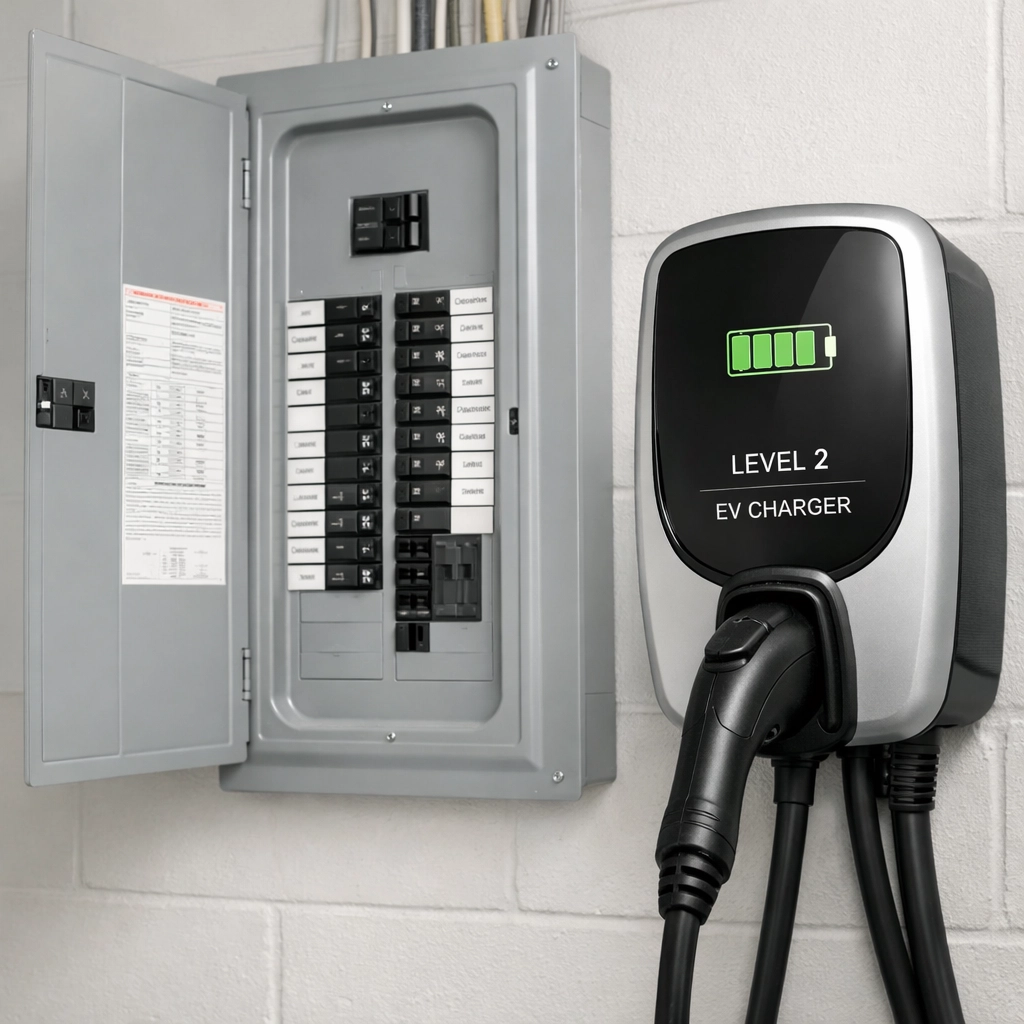
Here's the reality: most homes in Portland and the surrounding areas weren't built with EV chargers in mind. If your home has a 100-amp or older 150-amp panel, there's a good chance you'll need an upgrade before installing a Level 2 charger.
Level 2 chargers (the kind that charge your car in 4-8 hours instead of 24+) typically draw 40-50 amps. That's a significant load, especially if you're already running central AC, electric heat, or other major appliances.
The good news? Upgrading your panel isn't just about accommodating your EV, it's about future-proofing your entire electrical system. Many homeowners find that a service upgrade solves multiple issues they didn't even realize they had.
2. Level 1 vs. Level 2: There's a Big Difference
You might be tempted to skip the electrician and just plug your EV into a regular outlet. Technically, you can do this, it's called Level 1 charging. But here's the catch: it's painfully slow. We're talking 3-5 miles of range per hour of charging.
Level 2 chargers, on the other hand, give you 20-30 miles of range per hour. That means you can wake up every morning with a full battery, even if you drove all over Portland the day before.
For most drivers in Maine, where winter temperatures already reduce EV range, Level 2 is the way to go. It's faster, more reliable, and honestly just makes EV ownership way less stressful.
3. Location, Location, Location
Where you install your charger matters more than you might think. Most people want it in their garage or driveway, close to where they park. But there are a few technical considerations:
Distance from your panel: The farther the charger is from your electrical panel, the more expensive the installation becomes. We need to run heavy-gauge wire, and that stuff isn't cheap.
Weather exposure: If your charger will be outside, it needs to be rated for outdoor use. Maine winters are no joke, and your equipment needs to handle snow, ice, and freezing temps.
Accessibility: You'll be plugging and unplugging this thing almost daily. Make sure it's in a spot that's easy to reach, even when there's two feet of snow on the ground.
4. Permits Are Required (Yes, Really)
In Portland, Scarborough, and pretty much every municipality within 40 miles of Biddeford, you need a permit to install an EV charger. This isn't optional, and skipping this step can cause major headaches down the road, especially if you ever try to sell your home.
The good news? When you work with a licensed electrician, we handle the permitting process for you. We know exactly what the local inspectors are looking for, and we make sure everything is up to code from day one.
5. Hardwired vs. Plug-In: Which Is Better?
EV chargers come in two main installation types: hardwired (permanently connected to your electrical system) or plug-in (connected via a NEMA 14-50 outlet, like a dryer plug).
Hardwired chargers are cleaner-looking and slightly more efficient, but they're permanent. If you move, you'll need to leave it behind or pay to have it uninstalled.
Plug-in chargers offer more flexibility, you can theoretically take them with you when you move. However, the outlet installation still requires an electrician, and you'll need to make sure the outlet is properly rated.
Our recommendation? For most homeowners in Southern Maine, hardwired is the better long-term choice. It's one less connection point that could potentially fail, and it looks more professional.
6. Smart Chargers Are Worth the Investment
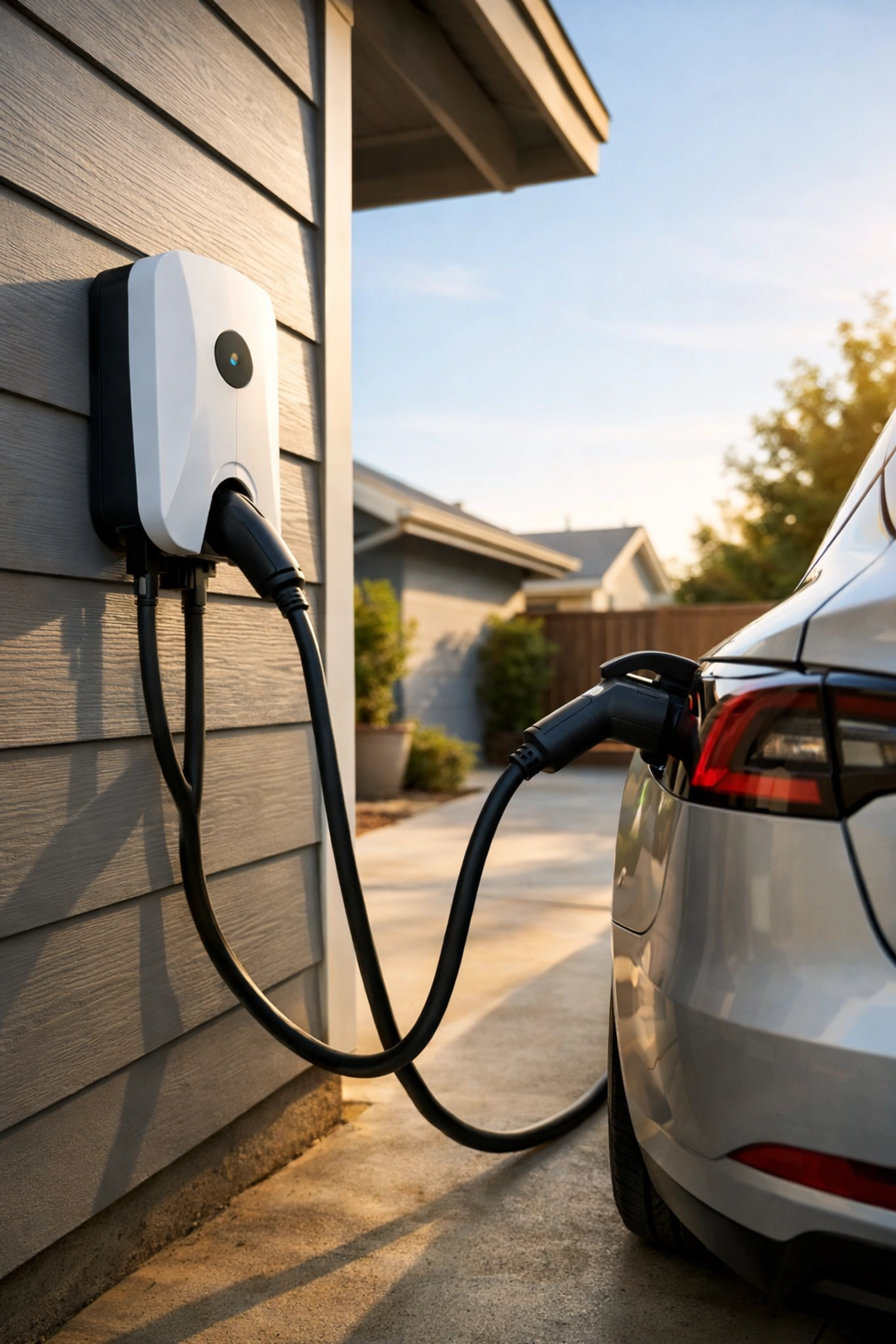
Modern EV chargers aren't just dumb boxes that pump electricity into your car. Smart chargers let you:
Schedule charging during off-peak hours (when electricity is cheaper with time-of-use rates from CMP or Versant)
Monitor energy usage through an app on your phone
Adjust charging speed to avoid overloading your system
Get notifications when charging is complete
These features might seem like overkill, but they can save you real money over time, especially if you're on a time-of-use electricity plan.
7. Winter in Maine Affects Charging Speed
Let's talk about something EV salespeople don't always mention: cold weather reduces charging efficiency. When it's 10 degrees outside in January, your battery won't charge as quickly as it does in July.
This doesn't mean you can't own an EV in Maine, plenty of people do! But it does mean you should size your charger appropriately. Don't cheap out on a lower-amperage model thinking "eh, it's probably fine." Go with the full 40-50 amp setup so you have charging power to spare on those brutal winter nights.
8. Electrical Code Is Different for EVs
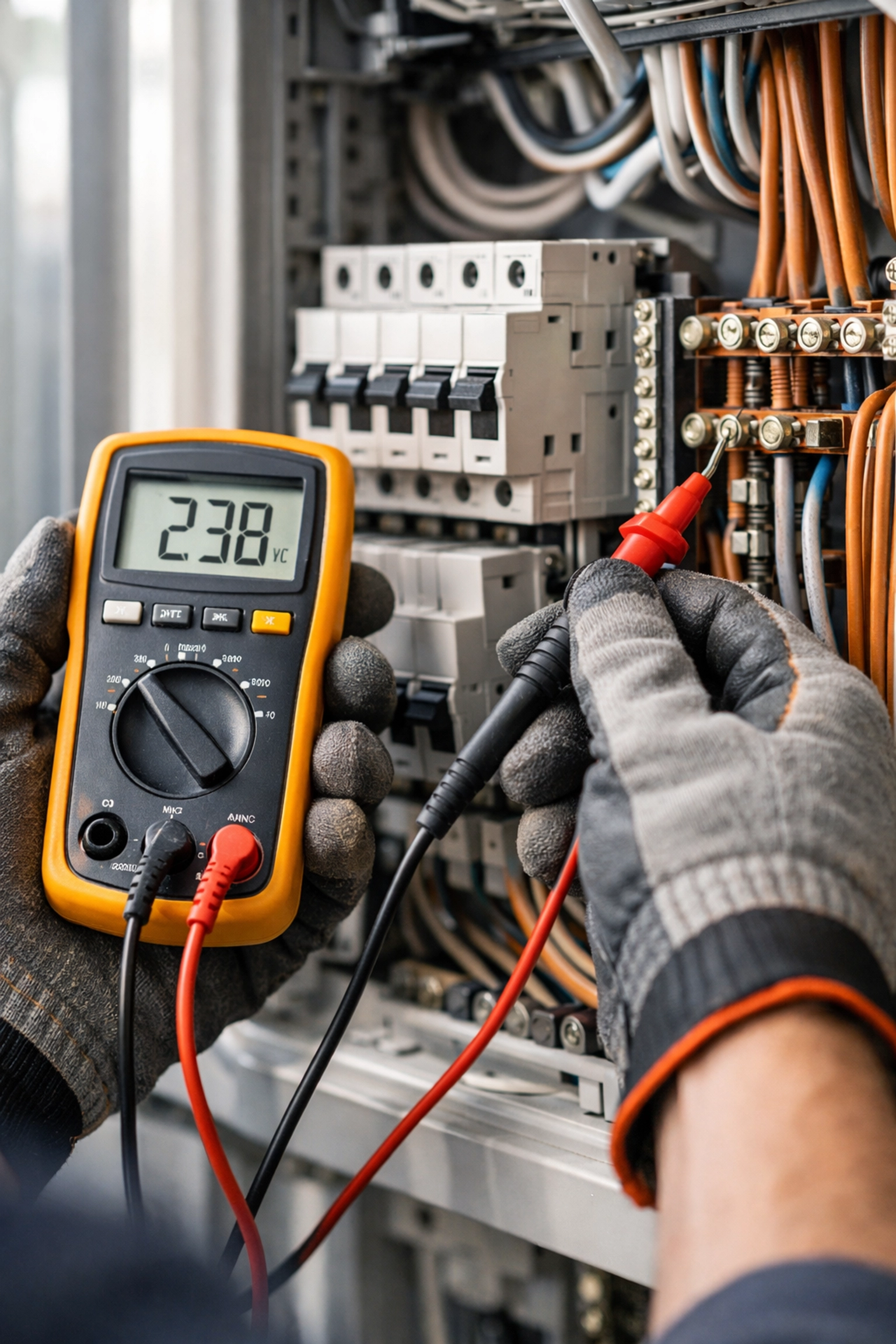
EV charger installations have specific code requirements that go beyond typical electrical work. The circuit needs to be:
Dedicated (not shared with other outlets or appliances)
GFCI protected in most cases
Properly grounded with the right gauge wire
Rated for continuous load (meaning it can handle the amperage for extended periods)
This is why DIY EV charger installation is a bad idea: even if you're handy with electrical work. One mistake can create a fire hazard or damage your expensive EV. Trust us, it's worth hiring a professional.
9. Portland Has Public Charging, But It's Not Always Convenient
Portland actually has a solid public charging network: 174 charging ports within 15km, including free options at places like Portland City Hall, Payson Park, and the Jetport. That's great for topping off when you're out and about.
But here's the reality: public charging is never as convenient as home charging. You can't always guarantee a spot will be available, some locations have time limits or parking fees, and who wants to sit in their car at a charging station when they could be home on the couch?
Home charging means you plug in when you get home and wake up with a full battery. No apps to check, no driving around looking for an open station, no standing in the cold. It's just better.
10. Installation Cost Varies (But There Are Rebates)
The million-dollar question: what's this going to cost? Honestly, it depends. A straightforward installation might run $800-1,500. But if you need a panel upgrade, you're looking at $2,500-4,000+.
Before you panic, check out what incentives are available. Efficiency Maine occasionally offers rebates for EV charger installations and panel upgrades. Federal tax credits might also apply. These programs change, so it's worth asking your electrician what's currently available.
The other thing to remember: you're not just paying for the installation. You're paying for years of convenient, at-home charging. When you factor in the time saved and the hassle avoided, it's absolutely worth the investment.
Ready to Get Your EV Charger Installed?
Installing an EV charger at your Portland-area home doesn't have to be complicated. When you work with experienced electricians who understand Maine's building codes, climate challenges, and electrical infrastructure, the process is actually pretty straightforward.
At Downeast Electrical Services, we've helped homeowners throughout Southern Maine: from Biddeford to Portland, Scarborough to Saco: get their homes EV-ready. We handle everything from the initial consultation to permits to final inspection, making sure your installation is done right the first time.
Interested in learning more about EV charger installation or scheduling a consultation? We're here to help you make the switch to home charging as smooth as possible. Your morning routine is about to get a whole lot easier: no more gas stations, just plug in and wake up ready to roll.
Comments