
EV Chargers Portland Maine: Can You Really Save $7,500 with 2025's New Federal Programs? Here's What Electrical Companies Don't Want You to Know
Let's get straight to the point: No, you can't save $7,500 on EV charger installation through federal programs in 2025. But don't worry: there are still legitimate savings available, and we're here to break down exactly what you can expect as a Portland, Maine homeowner.
The confusion around this $7,500 figure is understandable, and frankly, some marketing out there isn't helping clarify things. We've seen too many homeowners in Southern Maine get excited about inflated savings promises, only to feel disappointed when they learn the real numbers. That's not fair to you, so let's clear the air.
What's Actually Available: The Real Federal EV Charger Tax Credit
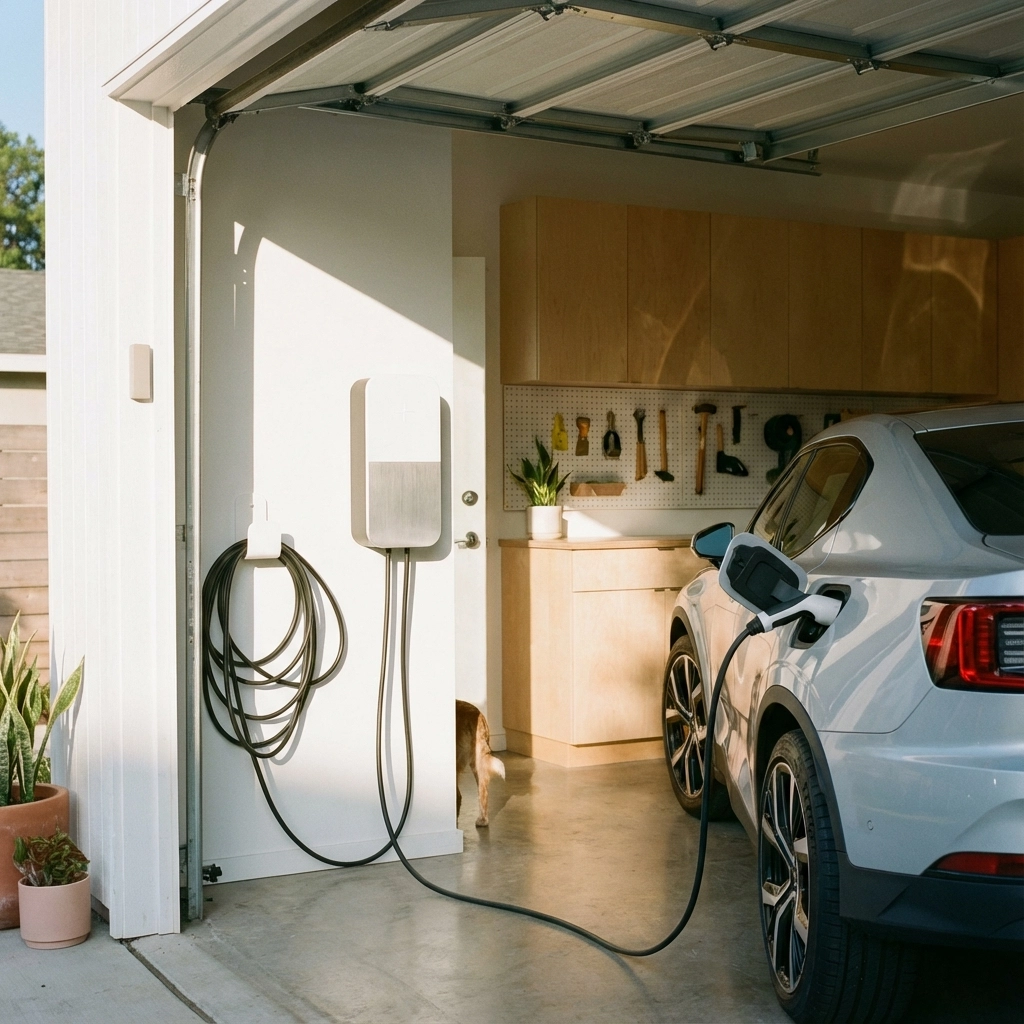
The federal tax credit for residential EV charger installation covers 30% of your total costs, capped at $1,000 maximum. This includes both the equipment and professional installation costs. So if you spend $2,000 on a Level 2 charger and installation, you'd get back $600. If you spend $4,000 or more, you hit the $1,000 cap.
This credit is part of the Alternative Fuel Vehicle Refueling Property Credit (Form 8911), and it's been extended through June 30, 2026. Your charger needs to be operational by that date to qualify.
The Portland, Maine Catch: Location Requirements Matter
Here's where it gets tricky for Portland area residents. To qualify for this federal credit, your property must be located in either:
A low-income census tract, or
A non-urban census tract
Most of downtown Portland won't qualify as "non-urban," but many surrounding areas in Southern Maine do. Parts of Biddeford, Saco, and rural areas around Portland often meet these requirements. You can check your specific address using the government's census tract mapping tool.
We've helped homeowners throughout the region determine their eligibility, and you'd be surprised how many qualifying areas there are once you get outside the immediate city center.
So Where Does This $7,500 Figure Come From?
The $7,500 number floating around online refers to the federal tax credit for purchasing an electric vehicle, not installing a charger. However, that vehicle purchase credit actually expired on September 30, 2025: it's no longer available.
Some businesses and commercial properties can claim much higher credits (up to $100,000 with specific wage requirements), but that doesn't apply to residential installations. The residential credit remains at that $1,000 maximum.

Why Professional Installation Still Makes Financial Sense
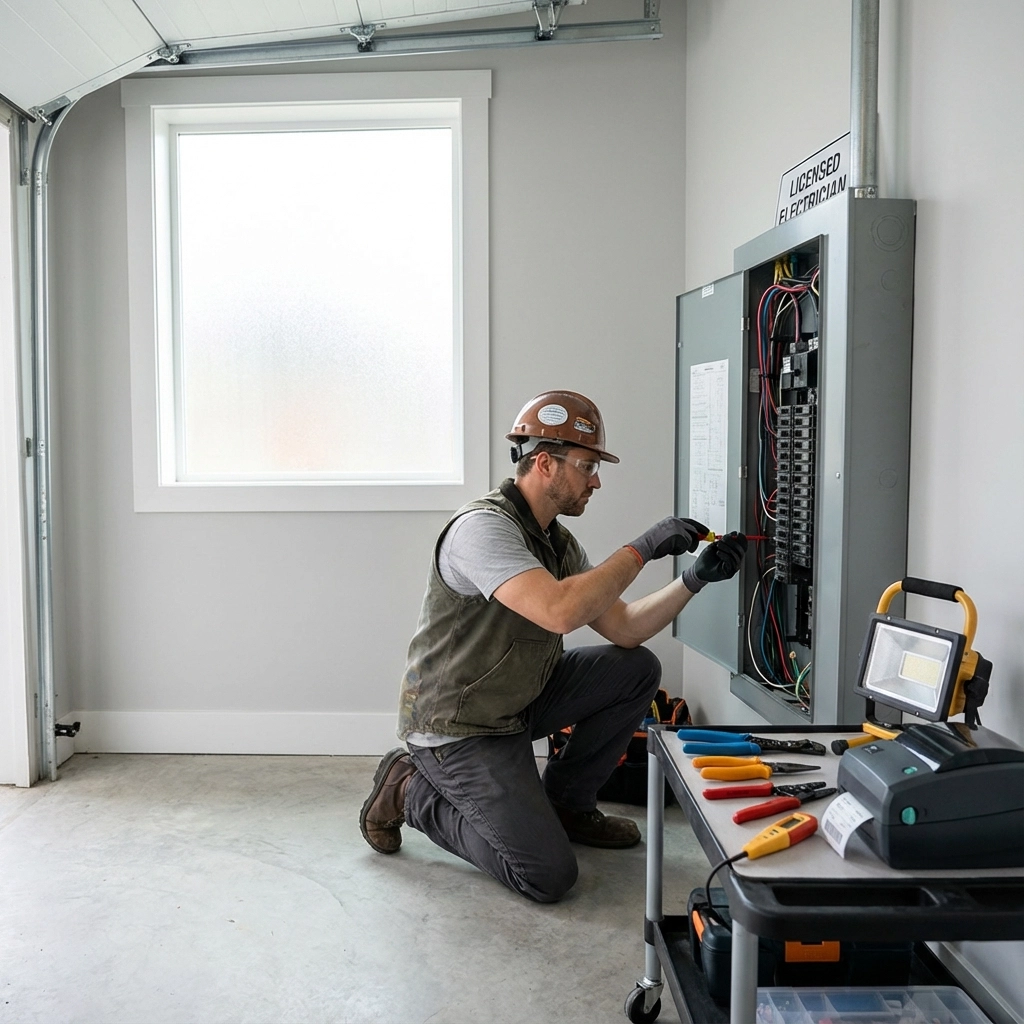
Even with the real numbers in hand, hiring a licensed Portland Maine electrician for your EV charger installation is often the smartest move financially. Here's why:
You Actually Get the Credit DIY installations often miss crucial requirements that disqualify you from the tax credit entirely. Professional installation ensures all documentation and codes are met properly.
Electrical Panel Considerations Many Portland homes, especially older ones, need panel upgrades to safely handle a Level 2 charger. A qualified electrician can assess this during the initial consultation and factor upgrade costs into your tax credit calculation.
Permit and Code Compliance Maine's electrical codes are specific, and Portland has its own local requirements. Professional installation includes proper permitting, which protects your home insurance and resale value.
Safety and Warranty Protection Improper installation can create fire hazards or damage your vehicle's charging system. Licensed electricians carry insurance and provide warranties on their work.
State and Utility Incentives to Stack On Top
While the federal credit is limited, Maine offers additional incentives that can add up:
Central Maine Power (CMP) Programs If you're in CMP territory around Portland, they offer rebates and special rates for EV charger installations. These programs change seasonally, so it's worth checking current offerings.
Efficiency Maine Programs The state occasionally runs rebate programs for EV infrastructure, especially when paired with heat pump installations or other energy efficiency upgrades.
Municipal Programs Portland and surrounding communities sometimes offer local incentives for sustainable transportation infrastructure. These are typically small but can help offset costs.
The Real Cost Breakdown for Portland Area Homeowners
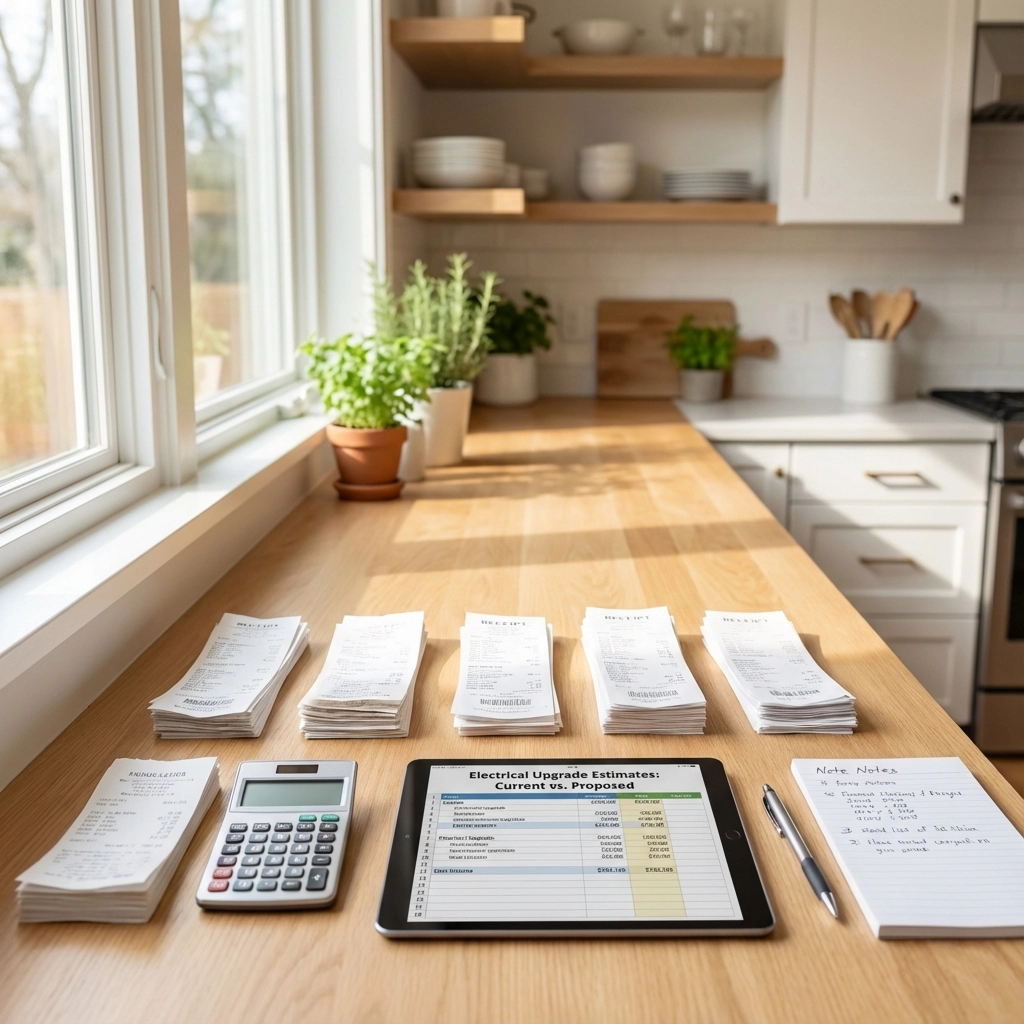
Let's talk realistic numbers for EV charger installation in the Portland, Maine area:
Basic Level 2 Charger Installation: $1,200-2,000
Hardwired 240V charger: $400-800
Standard installation: $800-1,200
Federal tax credit: $360-600
Installation Requiring Panel Upgrade: $2,500-4,500
Panel upgrade: $1,500-2,500
Charger and installation: $1,000-2,000
Federal tax credit: $1,000 (maximum)
Complex Installation with Trenching: $3,000-6,000
Electrical work and trenching: $2,000-4,000
Equipment: $1,000-2,000
Federal tax credit: $1,000 (maximum)
These numbers reflect what we see regularly serving the greater Portland area, from Cape Elizabeth to Freeport.
What Electrical Companies Don't Always Mention
Here's some insider information that can save you money and headaches:
Timing Your Installation Installing your charger early in the tax year gives you more time to claim the credit and plan any additional electrical upgrades. Don't wait until December.
Documentation Requirements Keep every receipt, including permits, equipment costs, and labor. The IRS may ask for detailed documentation, and we've seen credits denied over missing paperwork.
Future-Proofing Your Installation Consider installing a 240V outlet instead of hardwiring the charger. This gives you flexibility to upgrade charger models later without rewiring.
Load Management Systems If you're installing multiple chargers or have high electrical demands, load management systems can prevent costly panel upgrades.
Making the Decision: DIY vs. Professional Installation
We get it: saving money is important. But when it comes to EV chargers, the math often favors professional installation:
DIY Risks:
Missing tax credit due to code violations
Insurance claims denied for unpermitted work
Safety hazards from improper installation
Voided equipment warranties
Professional Benefits:
Guaranteed code compliance
Proper permitting handled
Insurance and warranty protection
Tax credit documentation assistance
Future service and maintenance support
Common Mistakes Portland Area Homeowners Make
Through years of serving Southern Maine, we've seen these recurring issues:
Assuming older homes can handle Level 2 charging without upgrades
Not checking census tract eligibility before installation
Choosing the cheapest installer without verifying licenses
Installing outdoor chargers without proper weather protection
Not planning for future electric vehicle purchases
Your Next Steps
If you're considering EV charger installation in Portland or Southern Maine:
Check your census tract eligibility for the federal tax credit
Get multiple quotes from licensed electricians in Maine
Ask about panel upgrade requirements during consultations
Research current utility rebates from CMP or Versant Power
Plan your installation timing to maximize tax benefits
The Bottom Line
While you can't save $7,500 on EV charger installation through federal programs, legitimate savings are available. The key is understanding exactly what you qualify for and working with experienced professionals who know Maine's specific requirements.
At Downeast Electrical Services, we've helped hundreds of homeowners throughout the Portland area navigate these incentives and get their EV chargers installed safely and efficiently. We believe in straight talk about costs and realistic expectations about savings.
The EV revolution is happening, and Portland is embracing it. Federal tax credits, even at the real $1,000 maximum, combined with state and utility incentives, can make home charging more affordable. Just make sure you're working with accurate information and qualified professionals.
Ready to explore your options? Contact our team for a free consultation and honest assessment of your EV charging needs. We'll help you understand exactly what incentives apply to your situation and ensure your installation meets all requirements to claim them.
Comments