
EV Chargers in Portland Maine: Can You Really Get $7,500 Back? Here's What Experts Don't Want You to Know
- Oct 29, 2025
- 5 min read
If you've been researching electric vehicle chargers in Portland, Maine, you've probably come across mentions of a $7,500 rebate that sounds almost too good to be true. The short answer is yes – you might be able to get $7,500 back, but there's more to the story than most people realize.
Let's break down exactly what this rebate covers, who qualifies, and what you need to know as a Maine homeowner considering the switch to electric.
The Real Story Behind the $7,500 Rebate
Here's what many articles don't make clear upfront: the $7,500 rebate isn't just for installing a home EV charger – it's primarily a rebate for purchasing an electric vehicle. However, there's a catch that creates opportunity for savvy homeowners.
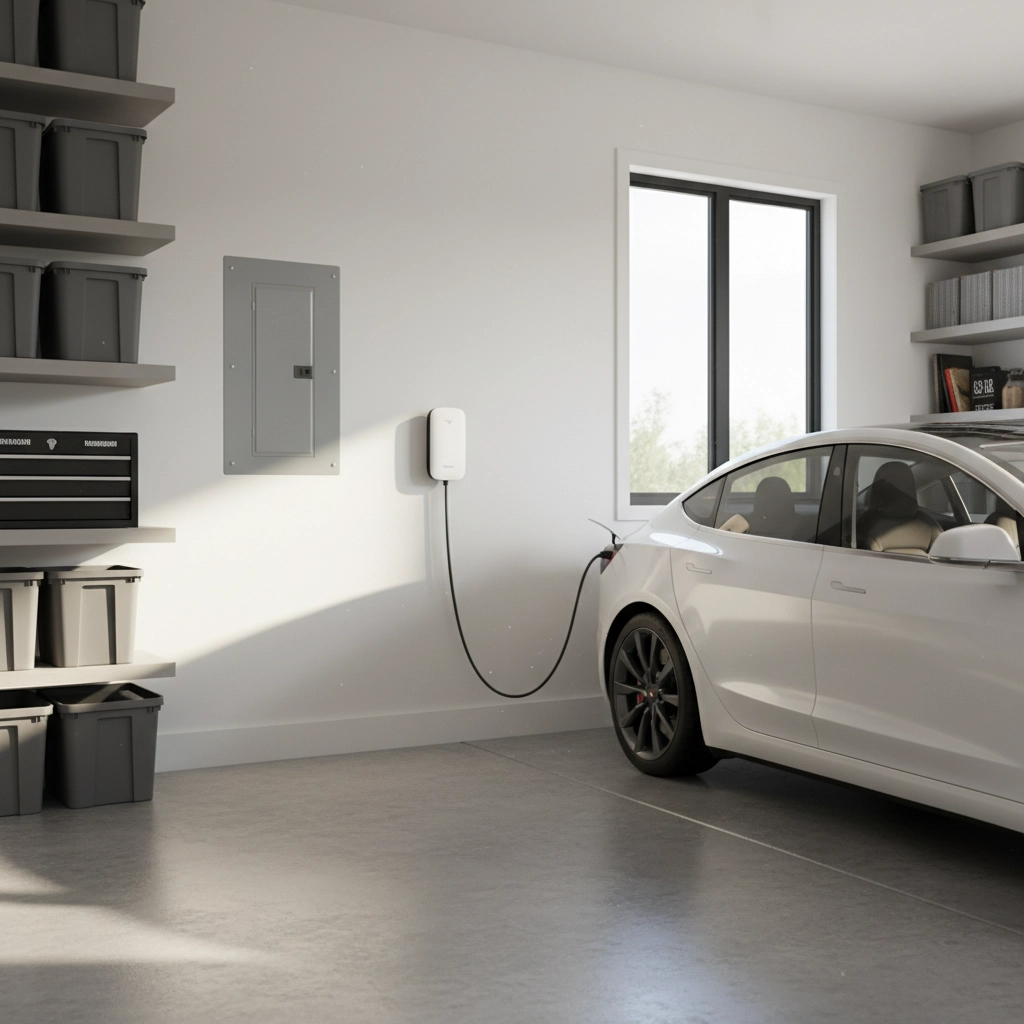
To qualify for Maine's EV rebate program through Efficiency Maine, you must first purchase an approved off-peak charger for your home. This requirement connects your vehicle purchase to your charging setup, which is why the rebate and charger installation often get discussed together.
What Changed in 2025
The landscape for EV incentives shifted significantly this year. The widely-publicized federal tax credit of up to $7,500 expired on September 30, 2025, leaving many potential EV buyers wondering about their options. However, Maine stepped up with its own state-level program to fill some of that gap.
This means that as of late 2025, your rebate opportunities are now handled entirely through state programs rather than federal tax credits.
Breaking Down Maine's Current Rebate Structure
Maine's rebate program offers different amounts based on your income level and the type of vehicle you're purchasing:
For Low-Income Households:
$7,500 rebate for new electric vehicles
$3,500 rebate for used electric vehicles
For Moderate-Income Households:
$2,000 rebate for new electric vehicles
$1,500 rebate for used electric vehicles
For Businesses, Nonprofits, and Government:
$2,000 rebate for new vehicles
The key requirement across all categories is that you must first purchase an approved off-peak charger, which brings us to an important point about installation.
The Off-Peak Charger Requirement
To qualify for any of these vehicle rebates, you need to install an off-peak charger at your home. These chargers automatically delay charging until evening hours when demand on the electrical grid is lower – typically between 9 PM and 5 AM.
The off-peak chargers cost $300, but Efficiency Maine offers an instant $300 discount, bringing your actual cost down to just $129. This makes the charger requirement quite affordable, but it does mean you need proper electrical installation to make everything work safely and efficiently.
Why Professional Installation Matters More Than Ever
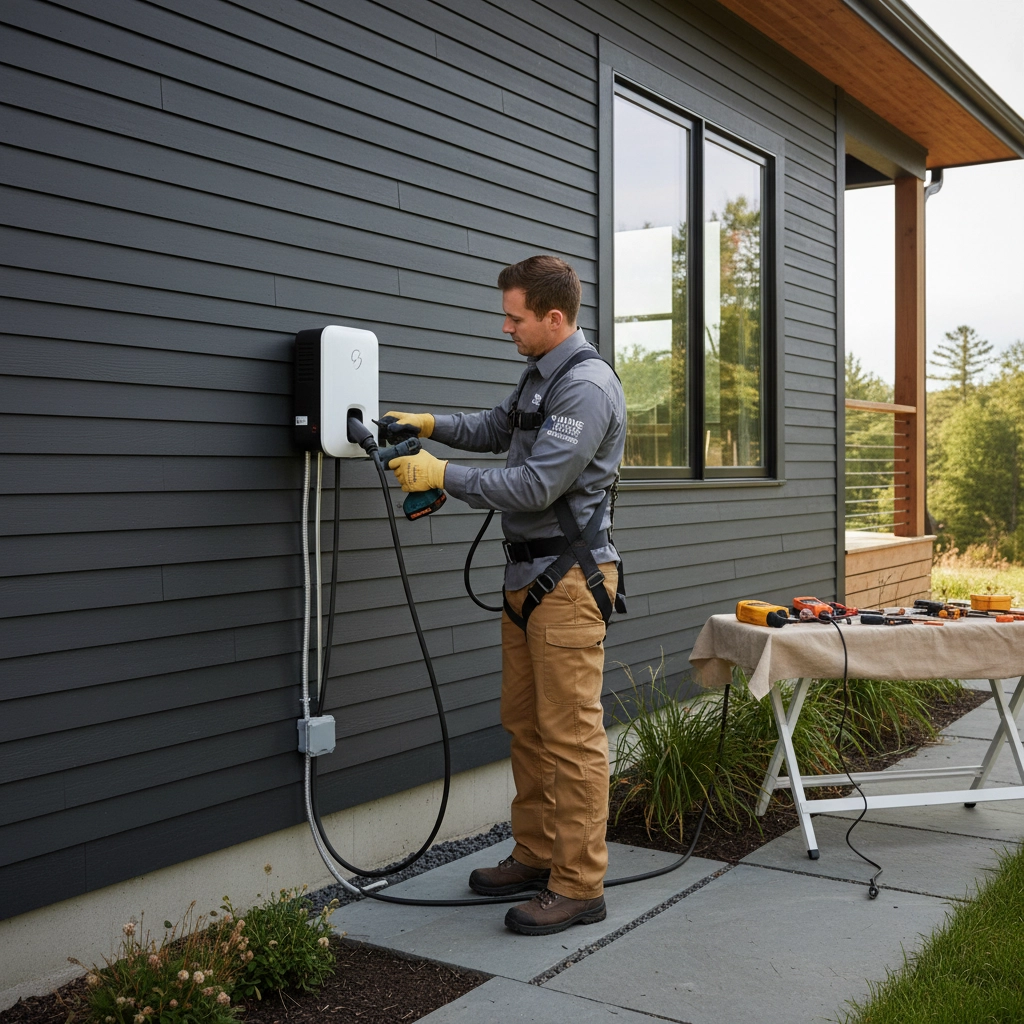
With Maine's rebate program requiring specific off-peak charger models, proper installation becomes crucial. These chargers need to communicate with the utility grid to optimize charging times, which requires:
Appropriate electrical panel capacity
Proper 240V circuit installation
Correct grounding and safety measures
Programming for off-peak operation
Permit compliance with local codes
Attempting to install these systems yourself isn't just unsafe – it could also jeopardize your rebate eligibility if the installation doesn't meet program requirements. Professional electricians understand both the technical requirements and the rebate program specifications to ensure everything works together properly.
Portland's Growing Charging Infrastructure
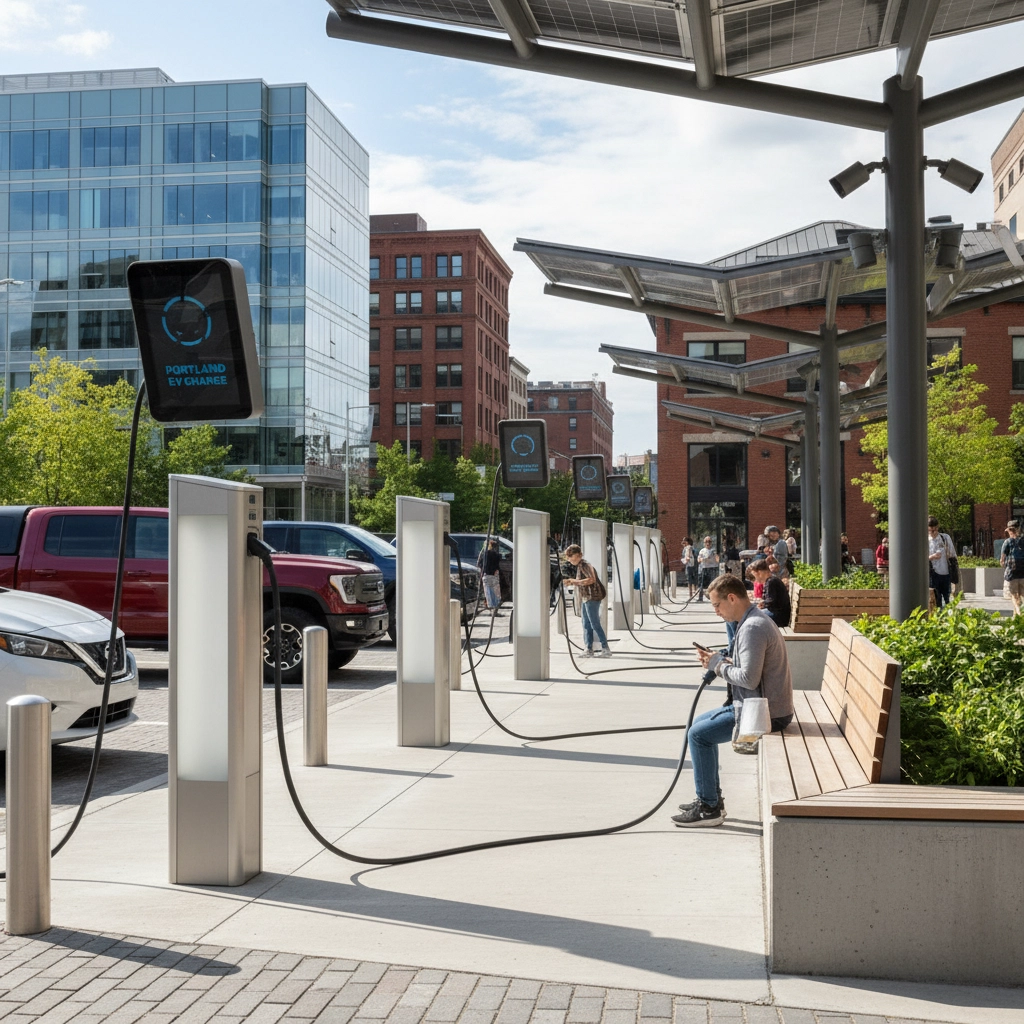
While home charging provides the most convenience, Portland area residents also benefit from an expanding network of public charging options. Maine now has over 491 public EV charging stations statewide, with more than 1,000 individual charging ports available.
The state has leveraged $19 million in federal NEVI (National Electric Vehicle Infrastructure) awards to expand public charging along major travel corridors, making longer trips more feasible for EV owners. Some communities even offer free charging – for example, Kennebunk provides two free solar-powered charging locations for residents and visitors.
Income Qualification Guidelines
Understanding whether you qualify for the higher rebate amounts requires knowing Maine's income guidelines. The program uses Area Median Income (AMI) calculations, which vary by household size and location within Maine.
Generally, "moderate-income" typically means households earning between 80% and 120% of the area median income, while "low-income" refers to households below 80% of AMI. These thresholds are updated annually and can be found through Efficiency Maine's website.
If you're unsure about your qualification level, it's worth checking with the program administrators before making your vehicle and charger purchases.
Timing Your Purchase and Installation
The rebate program operates on available funding, which means timing can matter. Here's the recommended sequence:
Verify your income qualification level
Choose your electric vehicle
Schedule professional charger installation
Purchase the approved off-peak charger
Complete your EV purchase
Submit your rebate application
Having your charger professionally installed before taking delivery of your vehicle ensures you can immediately take advantage of off-peak charging rates and maximize your savings beyond just the rebate.
Additional Considerations for Portland Homeowners
Portland's older housing stock sometimes requires electrical upgrades before EV charger installation. Many homes built before the 1980s may need panel upgrades to handle the additional electrical load safely.
A professional electrical assessment can determine if your home needs any upgrades and help you budget accordingly. While this might seem like an additional cost, proper electrical infrastructure protects your investment and ensures safe operation for years to come.
Commercial and Business Opportunities
Business owners in the Portland area have additional opportunities beyond the residential rebates. Efficiency Maine offers separate funding programs for commercial and public charging installations, which can help businesses attract customers and employees who drive electric vehicles.
The commercial rebate of $2,000 for new EVs applies to business vehicle purchases, while separate grant programs exist for installing public charging stations.
Making the Most of Your Investment
When you combine the state rebate with reduced fuel costs, lower maintenance expenses, and potential utility rate savings from off-peak charging, the financial benefits add up quickly. Many Portland-area EV owners report saving $100-200 per month compared to their previous gas vehicles.
The key is ensuring everything is installed and configured correctly from the start. Professional installation might cost more upfront than attempting DIY approaches, but it ensures safety, reliability, and compliance with all program requirements.
Moving Forward with Confidence
The $7,500 rebate opportunity is real, but it comes with specific requirements and timing considerations. By understanding the program structure and working with experienced professionals for your electrical installation, you can take full advantage of these incentives while ensuring a safe, reliable charging setup for your new electric vehicle.
If you're considering making the switch to electric, now is an excellent time to explore your options. Our team at Downeast Electrical Services specializes in EV charger installations throughout the Portland area and can help you navigate both the technical requirements and rebate program specifications.
Ready to learn more about EV charger installation for your home? Contact us for a consultation to discuss your specific needs and ensure you're positioned to take advantage of all available incentives.
Comments