
EV Chargers in Portland Maine: Can the New NEC 2026 Rules Really Save You Money? Here's What Experts Don't Want You to Know
- Dec 10, 2025
- 5 min read
The short answer is yes – but probably not in the way you think. With Maine's EV adoption growing rapidly and new electrical codes taking effect in 2026, Portland homeowners are facing some big changes in how they can install EV chargers. While some aspects might increase upfront costs, the real money-saving opportunities lie in understanding the full picture of rebates, incentives, and long-term benefits that many homeowners miss.
Let's break down what's actually changing and how you can make the smartest financial decisions for your EV charging needs.
Portland's Current EV Charging Landscape
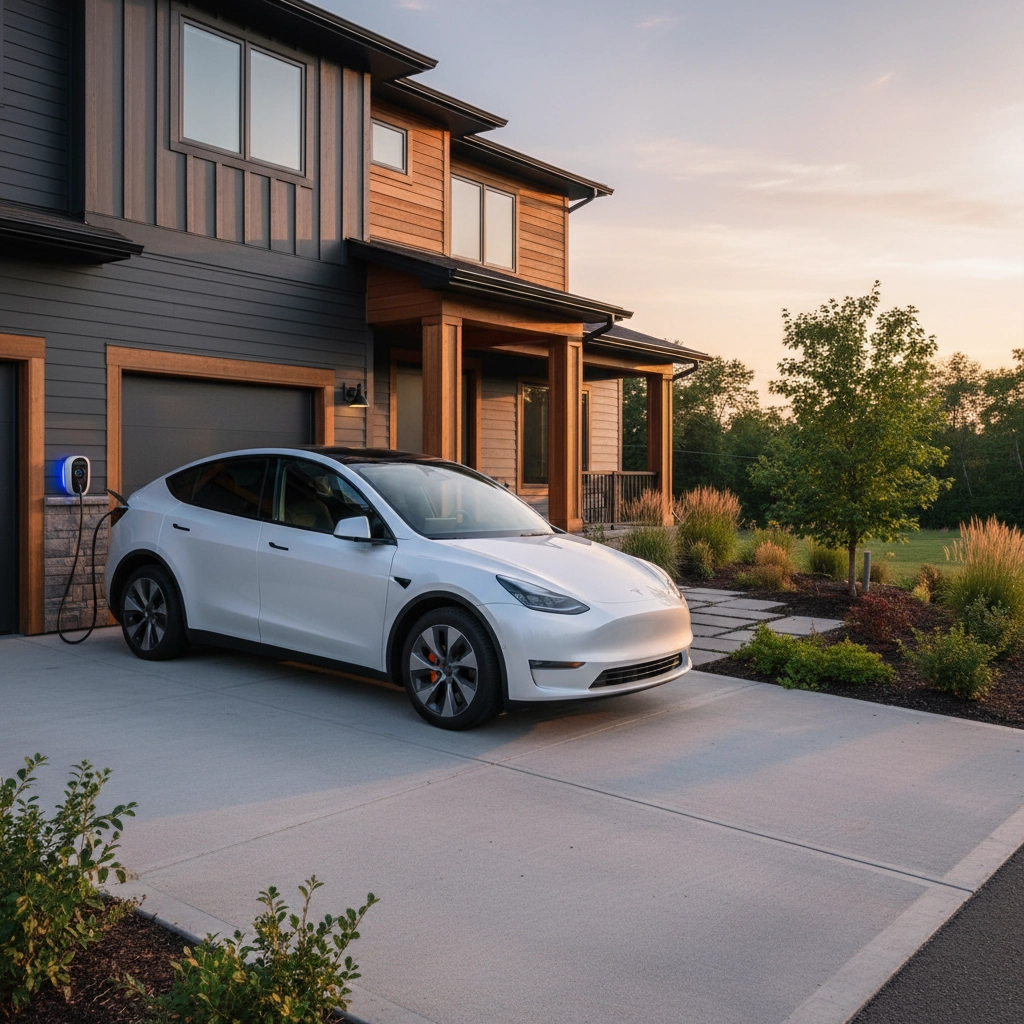
Portland and the greater Maine area have been steadily building their EV infrastructure. Right now, Maine has over 600 public charging stations, including nearly 500 Level 2 chargers and 121 DC fast charging stations scattered across the state. In Portland specifically, you'll find options like the free charger at South Portland's City Hall and pay-per-use stations at the Community Center.
But here's the thing – public charging costs add up quickly. Level 2 chargers around Maine typically charge between $1-$1.50 per hour, and some locations charge $0.15 per kWh. For daily drivers, that can easily run $50-100 per month or more. Home charging, on the other hand, typically costs just $0.10-0.13 per kWh during off-peak hours with Maine utilities like Versant Power.
What the 2026 NEC Changes Actually Mean
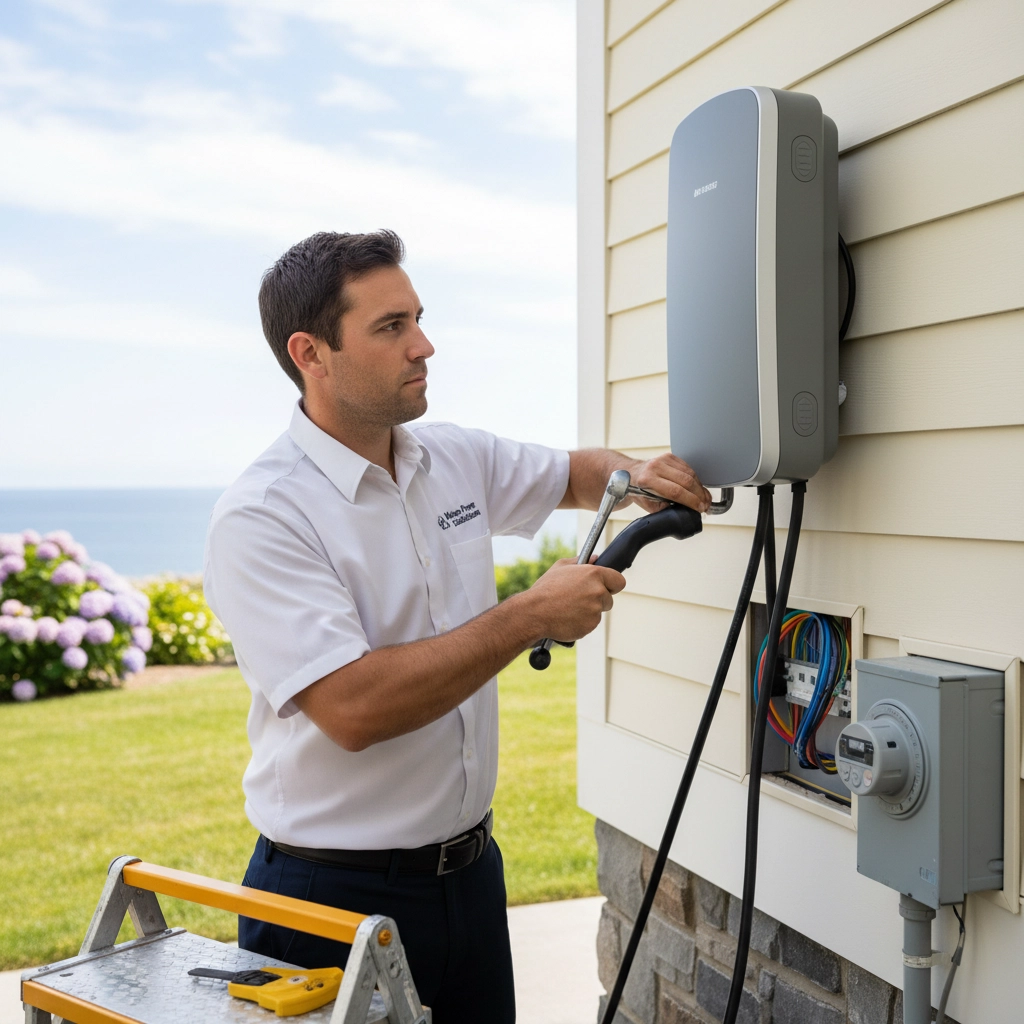
The 2026 National Electrical Code is bringing some significant changes that affect how EV chargers can be installed. The biggest change? A new "qualified person requirement" for permanently installed EV charging equipment. This essentially means that hardwired EV chargers must be installed by licensed professionals – no more DIY hardwired installations.
Now, before you panic about increased costs, there's more to this story. The new rules are primarily targeting hardwired chargers, but there's still flexibility with plug-in systems. Many EV chargers can plug into standard 240V outlets (like the ones used for electric stoves or dryers), and these outlet installations don't fall under the same restrictive requirements.
This is what some in the industry call the "NEMA 14-50 outlet approach" – installing a proper 240V outlet that an EV charger can plug into, rather than hardwiring the charger directly.
The Real Cost Impact – Both Sides of the Coin
Here's where it gets interesting from a financial standpoint. While professional installation requirements might increase some costs, they can actually save you money in several ways:
Potential Cost Increases:
Professional installation for hardwired systems now mandatory
Labor costs for qualified electrician work
Compliance with new GFCI requirements
Hidden Money-Saving Opportunities:
Proper installations prevent costly electrical failures
Professional work often comes with warranties
Correct installations ensure you qualify for all available rebates
Prevents insurance complications from DIY electrical work
Professional load calculations can optimize your electrical system efficiency
Maine's Financial Incentives You Might Be Missing
This is where many Portland homeowners leave money on the table. Maine offers several incentives that can significantly offset installation costs:
Federal Tax Credits: Up to $1,000 through the Alternative Fuel Vehicle Refueling Property Credit for residential installations.
Business Incentives: South Portland offers grants covering 50% of charger costs and associated site work for businesses. Government entities and select nonprofits can get mail-in rebates of $350 per plug from Efficiency Maine.
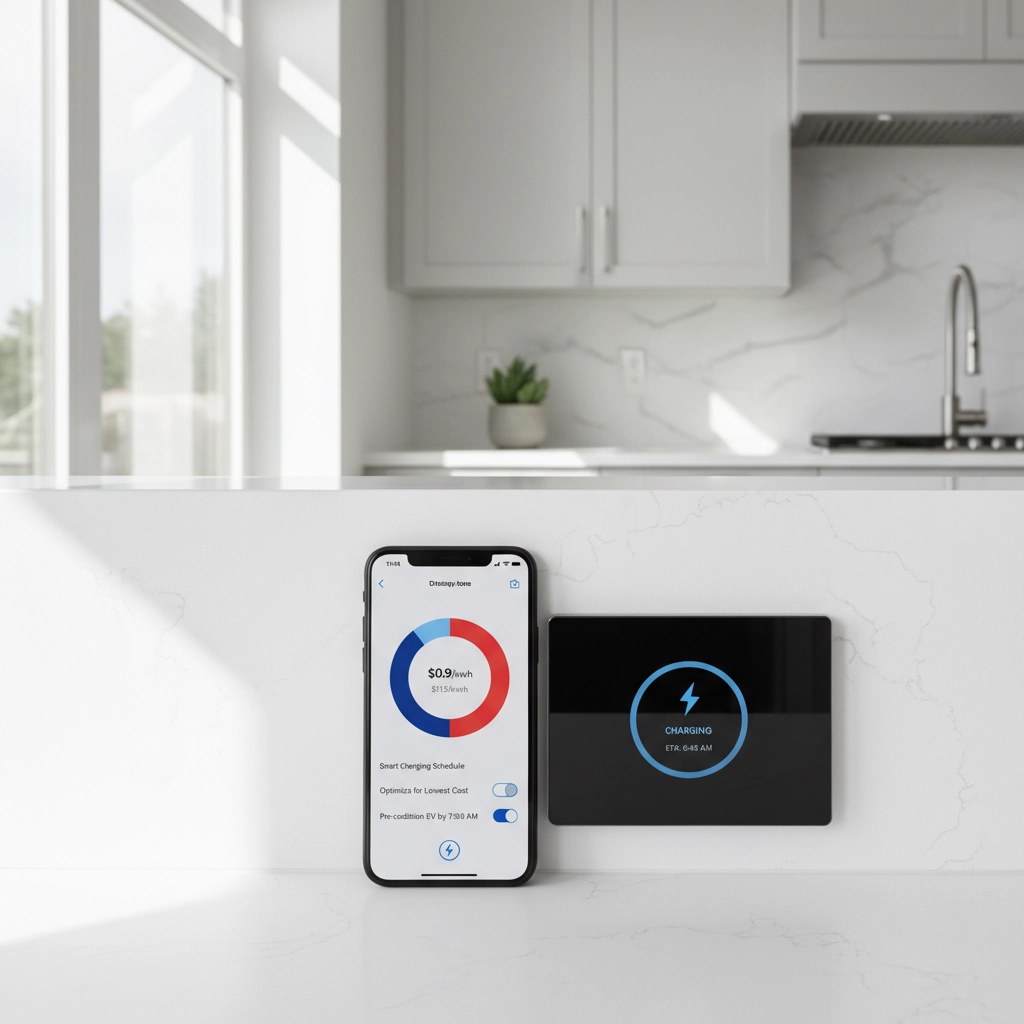
Utility Programs: Many Maine utilities offer time-of-use pricing with dramatically lower rates during off-peak hours. Versant Power's off-peak rates from 8 p.m. to 7 a.m. can cut your charging costs in half.
Long-term Savings: Home EV charging typically costs 60-70% less than gasoline, and with proper professional installation, you're maximizing system efficiency and longevity.
Smart Strategies for Portland Homeowners
Given these changes, what's the best approach for Portland area residents? Here are the strategies we recommend:
Option 1: Professional Plug-in System Have a qualified electrician install a proper 240V outlet, then use a plug-in Level 2 charger. This approach offers flexibility, compliance, and typically costs less than hardwired systems while still providing 25-80 miles of range per hour of charging.
Option 2: Full Professional Installation For maximum convenience and property value, have a hardwired system professionally installed. While more expensive upfront, this approach often provides the fastest charging speeds and cleanest installation.
Option 3: Existing Outlet Assessment Many homes already have 240V outlets that can be used for EV charging. Have an electrician assess your existing electrical setup – you might already have what you need.
Why Professional Installation Makes Financial Sense
Beyond compliance requirements, professional installation offers several financial benefits that many homeowners overlook:
Safety and Insurance: Proper installations prevent electrical failures that could result in costly repairs or insurance claims. DIY electrical work can sometimes void homeowner's insurance coverage for electrical-related damages.
Optimized Electrical Systems: Professional electricians can assess your entire electrical system and recommend upgrades that improve overall efficiency, not just EV charging capability.
Future-Proofing: Professional installations consider future electrical needs, preventing costly modifications down the road.
Warranty Protection: Professional work typically comes with warranties that protect your investment.
The Hidden Truth About Load Management
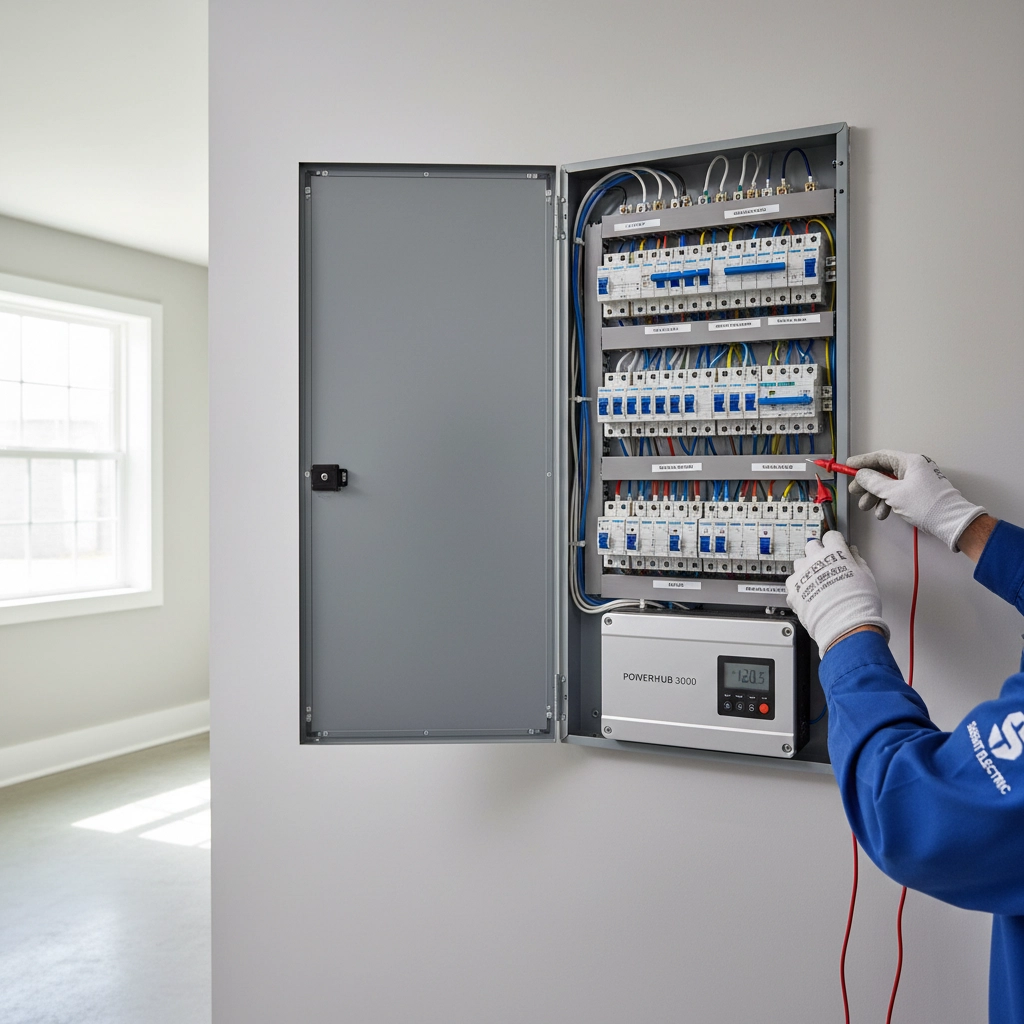
Here's something many installers don't emphasize enough: smart load management systems. These systems can help you avoid costly electrical panel upgrades by intelligently managing your home's electrical load. Instead of upgrading your electrical panel (which can cost $3,000-$5,000), load management can often work with your existing electrical system.
Professional electricians can assess whether load management solutions work for your specific situation, potentially saving thousands in upgrade costs.
What This Means for Your Timeline
If you're considering EV charger installation, timing matters. The 2026 NEC changes will be adopted by Maine jurisdictions over the next year, and electrician availability may become more constrained as DIY options disappear.
Getting your installation done sooner rather than later offers several advantages:
Current pricing before increased demand drives up costs
Availability of experienced installers
Immediate access to current rebate programs
Longer time to recoup installation costs through fuel savings
Making the Smart Choice for Your Portland Home
The real money-saving secret isn't about finding loopholes or cutting corners – it's about taking a comprehensive approach that considers all costs, benefits, and incentives. Professional installation might cost more upfront, but when you factor in rebates, long-term reliability, safety, and fuel savings, it's often the most economical choice.
At Downeast Electrical Services, we've helped hundreds of Maine homeowners navigate EV charger installations, and we've seen firsthand how proper planning and professional installation save money in the long run. We assess your specific electrical situation, help you understand all available incentives, and design solutions that work within your budget.
The 2026 NEC changes aren't designed to make EV charging more expensive – they're designed to make it safer and more reliable. With the right approach and professional guidance, you can still save significant money on both installation and operation of your home EV charging system.
Ready to explore your EV charging options? Contact us for a comprehensive assessment of your home's electrical system and personalized recommendations that maximize your savings while ensuring safety and compliance. We're here to help you make the smartest investment for your Portland home's future.
Comments