
CMP Hitting You With 577 kWh? Here's How Southern Maine Electric Upgrades Pay for Themselves
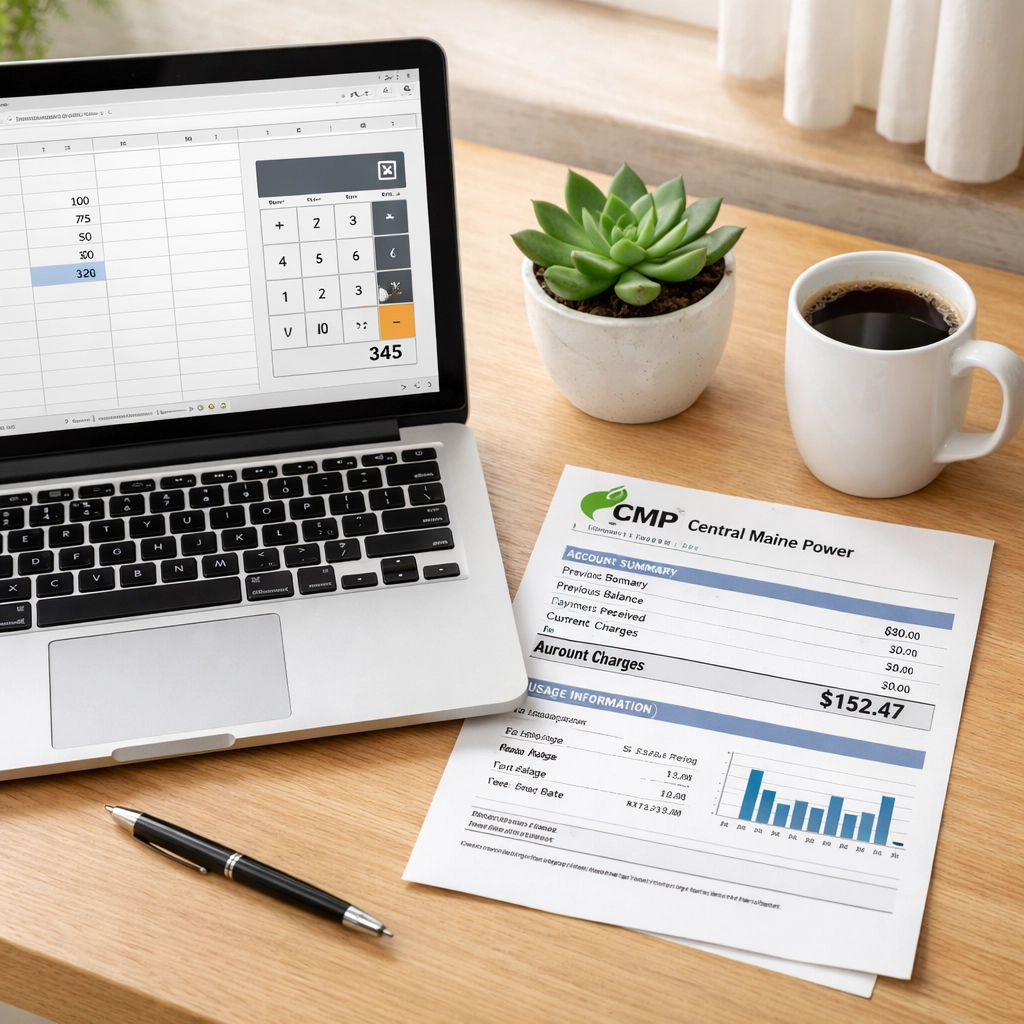
If you live anywhere between Portland and Kennebunk, you've probably opened your CMP bill lately and felt that familiar gut punch. The average Southern Maine home uses around 577 kWh per month, and with rates climbing higher each winter, those numbers add up fast.
Here's the thing that sounds completely backward at first: upgrading your electrical system can actually lower your monthly costs. We know it seems strange to spend money on electrical work when you're already stressed about high bills, but stick with us. The math actually works out in your favor, especially if you're planning to stay in your home for more than a few years.
Why Your CMP Bill Keeps Climbing in Southern Maine
Let's be real about what's happening with electricity costs in York and Cumberland counties. CMP rates have been on a steady climb, and there's no sign of that trend reversing. Between supply charges, transmission costs, distribution fees, and policy charges, every kilowatt-hour you use hits your wallet harder than it did even two years ago.
If you're heating with baseboard electric or running an old, inefficient HVAC system in Saco, Biddeford, or Scarborough, you're basically burning cash. And those cold Maine winters? They're not helping. Many homes in our area are still running on 100-amp electrical panels that were installed decades ago, which means they can't support the energy-efficient upgrades that would actually save money.
The Counterintuitive Truth About Electric Upgrades
Here's where things get interesting. The electrical upgrades that seem expensive upfront are often the exact investments that slash your monthly bills. We're talking about three big ones that Southern Maine homeowners are using to take control of their energy costs.
Panel Upgrades: The Foundation of Energy Savings
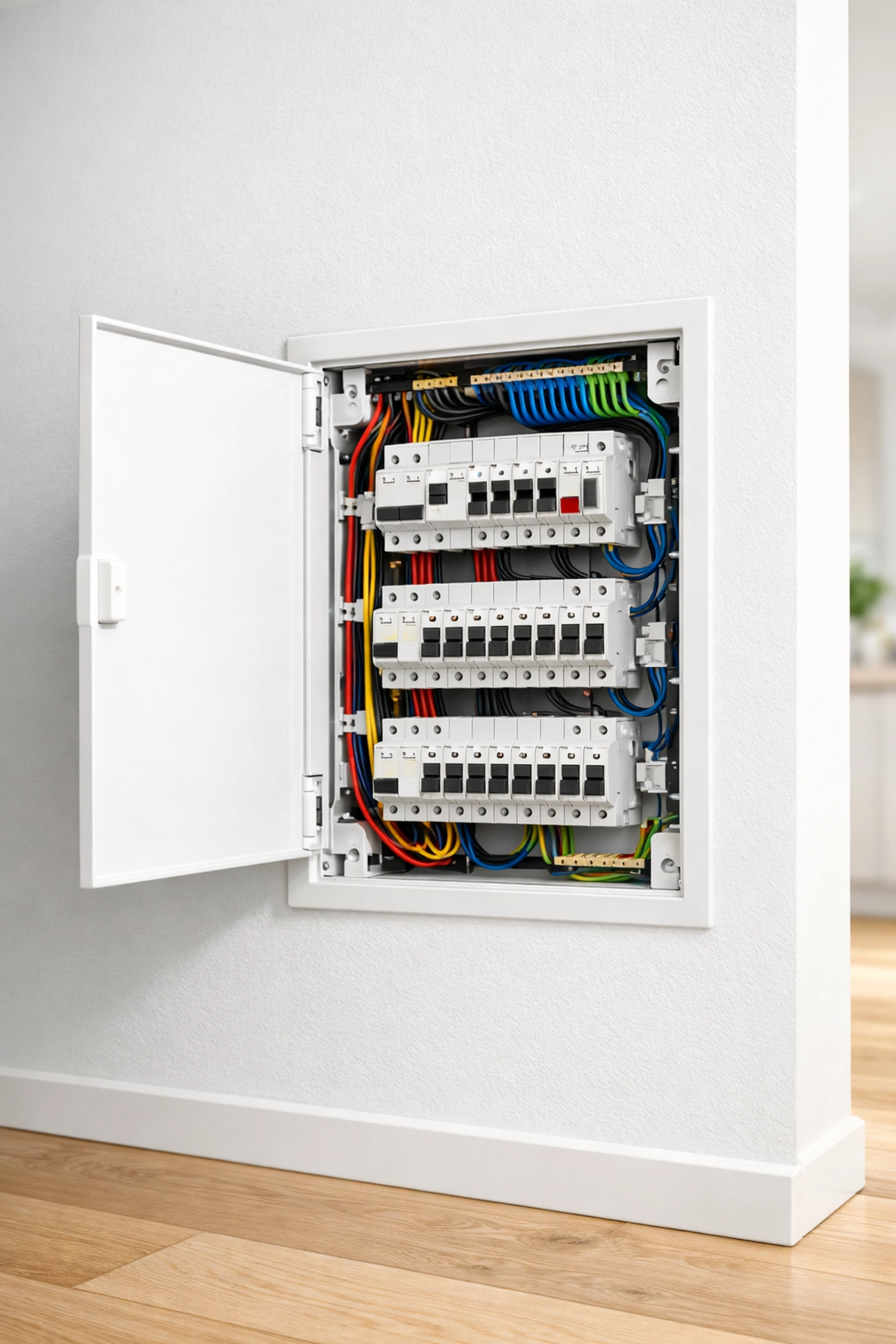
If your home still has a 100-amp service panel, you're basically locked out of the most efficient heating and cooling options available today. Upgrading to a 200-amp panel isn't just about having more outlets or being able to run your dryer and microwave at the same time (though that's nice too).
A modern panel upgrade opens the door to heat pumps, EV chargers, and other technologies that dramatically reduce your reliance on expensive electricity. For homes in Portland, South Portland, and Cape Elizabeth, this is often the first step toward cutting monthly energy costs by 30% or more.
The upgrade typically costs between $2,500 and $4,000 for most homes in our service area. Yes, that's real money. But when you factor in what you'll save over the next 10 years, plus the rebates available through Efficiency Maine, the payback timeline is shorter than you'd think.
Ductless Mini Splits: Your Secret Weapon Against CMP Bills
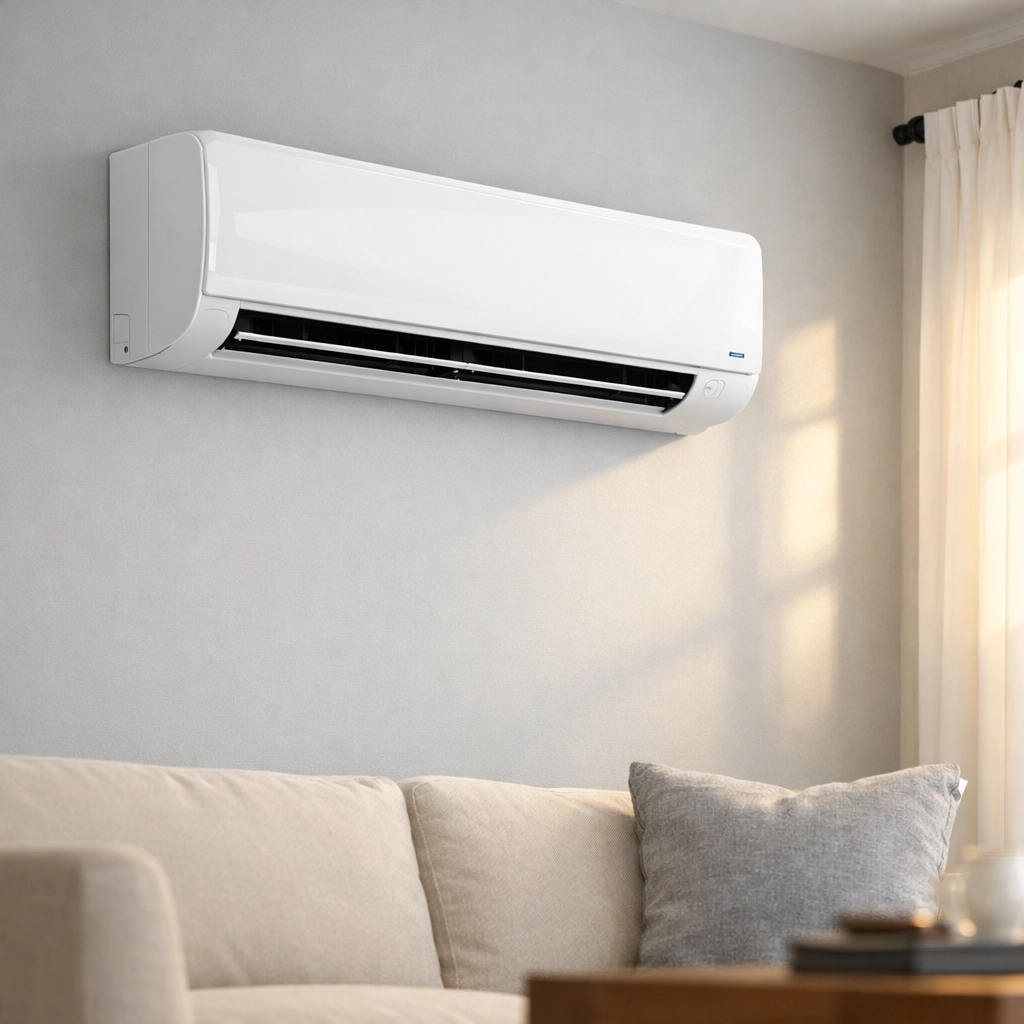
This is the big one. If you're still heating with electric baseboards or an old oil furnace, switching to ductless mini splits can cut your heating costs by 50% or more. We're seeing this transformation happen all over Kennebunk, Biddeford, and Old Orchard Beach.
Here's why mini splits are so effective: they're heat pumps that move heat rather than creating it. In simple terms, they use way less electricity to keep your home comfortable. A mini split system can deliver three to four times more heating energy than the electrical energy it consumes. Your old baseboard heaters? They're basically a one-to-one conversion, which is why they cost so much to run.
Efficiency Maine currently offers rebates up to $2,400 for qualifying heat pump installations. When you combine that with the monthly savings on your CMP bill, most Southern Maine homeowners break even in about 3 to 5 years. After that, it's pure savings every single month.
Our team at Downeast Electrical Services handles the entire installation process, including the electrical work to support your new system. We make sure everything is sized correctly for Maine winters and permitted properly with your local municipality.
EV Chargers: Lock In Lower Transportation Costs
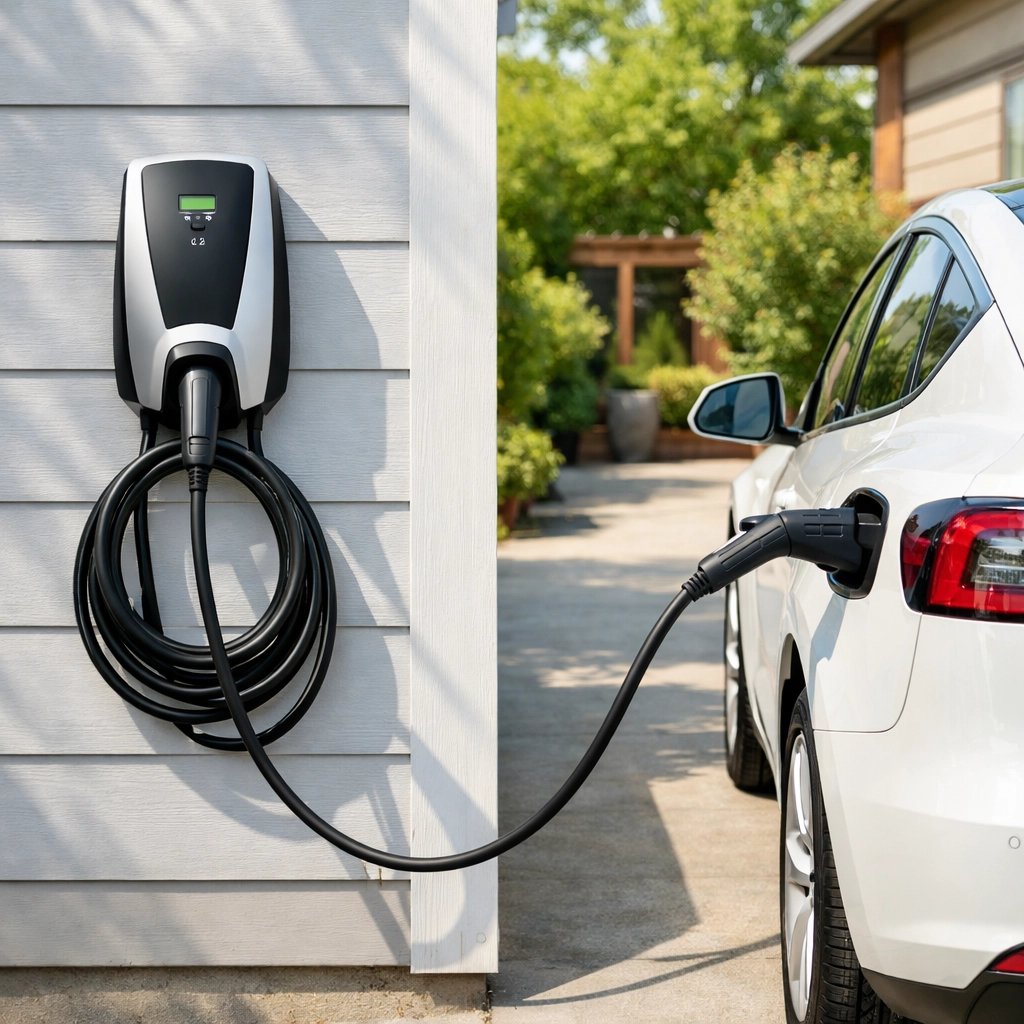
If you're driving or considering an electric vehicle, installing a Level 2 home charger is one of the smartest electrical upgrades you can make. Charging at home overnight costs a fraction of what you'd pay for gas, even with CMP's current rates.
Here's the math: driving 12,000 miles per year in a typical EV in Southern Maine costs around $500 in electricity. The same miles in a gas car? Closer to $1,800. That's $1,300 back in your pocket every year.
The catch is that you need adequate electrical service to support a Level 2 charger. This is where that panel upgrade often comes into play. Once you have the infrastructure in place, we can install your EV charger quickly and safely, usually in just a few hours.
Many Portland and Scarborough homeowners are pairing their EV charger installation with a mini split upgrade and doing both projects at once. It makes sense: you're already investing in the electrical work, so you might as well maximize your savings potential.
How These Upgrades Actually Pay for Themselves
Let's break down the real numbers for a typical home in our service area. Say you're living in a 1,500-square-foot house in Saco with electric baseboard heat and no EV. Your annual electricity costs are probably running around $2,500 to $3,000.
You decide to upgrade your electrical panel ($3,000) and install a ductless mini split system ($8,000 before rebates, or about $5,600 after Efficiency Maine rebates). Total upfront investment: $8,600.
Your new heating system cuts your electric bill by 50%. That's $1,250 to $1,500 saved every single year. At that rate, you've recovered your investment in about 6 years. After that, you pocket those savings for as long as you own the home: potentially $15,000 to $20,000 over the next 15 years.
And that's being conservative. Many homeowners see even better results, especially if they're replacing really old, inefficient systems.
Real Payback Timelines for Southern Maine Homeowners
We work with homeowners throughout York and Cumberland counties, and we've seen the actual results. Here's what the payback timeline typically looks like for different upgrades:
Panel Upgrade Alone: 8-10 years (but required for other upgrades that save more)
Panel + Mini Split System: 5-7 years
Panel + Mini Split + EV Charger: 4-6 years (if you're replacing a gas vehicle)
Full Electrification Package: 3-5 years (panel, mini splits, EV charger, and heat pump water heater)
The timeline gets even better if you're currently using oil heat or propane. Those fuels have gotten expensive, and the switch to efficient electric heat pumps pays back faster.
The CMP Electric Technology Rate: Another Advantage
Here's something many Southern Maine homeowners don't know about: CMP offers an Electric Technology Rate for customers who use at least 800 kWh per month. If you're heating with mini splits and charging an EV at home, you'll easily hit that threshold during winter months.
This rate is specifically designed to make electric heating and EV charging more affordable. It's another reason why electrifying your home actually makes financial sense, even in a state where electricity isn't exactly cheap.
Getting Started with Electric Upgrades in Southern Maine
The first step is always a consultation. We'll come to your home in Biddeford, Portland, Kennebunk, or wherever you're located within our service area and assess your current electrical system. We'll talk about your goals: whether that's lowering bills, preparing for an EV, improving comfort, or all of the above.
From there, we'll put together a plan that makes sense for your home and budget. Sometimes it makes sense to do everything at once. Other times, phasing the work over a year or two is the smarter move. Either way, we'll help you understand the costs, the rebates you qualify for, and the realistic timeline for seeing returns on your investment.
Our service upgrade and panel work is permitted and inspected to code, and we handle all the coordination with CMP and your local building department. You don't have to worry about the technical stuff: we've got it covered.
Why Southern Maine Homeowners Are Making the Switch Now
Between rising electricity costs, generous Efficiency Maine rebates, and better technology than ever before, 2026 is honestly a great time to invest in electric upgrades. The payback timelines are shorter than they've been in years, and waiting usually just means paying more in monthly bills while missing out on current rebate programs.
We've installed hundreds of mini split systems, upgraded countless electrical panels, and set up EV chargers all over Southern Maine. Every single time, homeowners tell us the same thing: they wish they'd done it sooner.
That 577 kWh showing up on your CMP bill every month doesn't have to be your reality forever. With the right electrical upgrades and a solid plan, you can take control of those costs and actually save money over the long run.
Ready to talk about what makes sense for your home? Get in touch with our team and let's figure out how to get your CMP bill moving in the right direction. We're here to help Southern Maine homeowners make smart electrical investments that actually pay off.
Comments