
7 Mistakes You're Making with Mini-Split Installations (And Why Maine Electricians Say They Cost So Much)
If you've been shopping around for mini-split systems in Southern Maine, you've probably experienced sticker shock. And yeah, we get it: the question "why do mini-split systems cost so much to install?" comes up almost daily in Portland, Biddeford, Saco, and everywhere in between.
Here's the thing: the upfront cost isn't just about the equipment. A huge chunk of what you're paying for is proper installation: because when it's done wrong, you're looking at thousands more in repairs, sky-high electric bills, and a system that quits way before it should.
We've seen it all here at Downeast Electrical Services, and we're breaking down the seven most expensive mistakes homeowners make (or hire the wrong person to make) when installing mini-splits.
Why Do Mini-Split Systems Cost So Much to Install?
Before we dive into the mistakes, let's talk about why professional installation isn't cheap: and why cutting corners ends up costing you way more.
Mini-split installations require specialized skills that go beyond basic electrical work. We're talking refrigerant handling, precise line set installation, vacuum pumps, low-voltage wiring, and an understanding of Maine's climate challenges. When done right, your system runs efficiently for 15-20 years. When done wrong? You're calling for repairs within the first year.
Around here, between Efficiency Maine rebates and rising CMP rates, homeowners are jumping on mini-splits faster than ever. But that rush sometimes means hiring whoever's cheapest: and that's where the trouble starts.
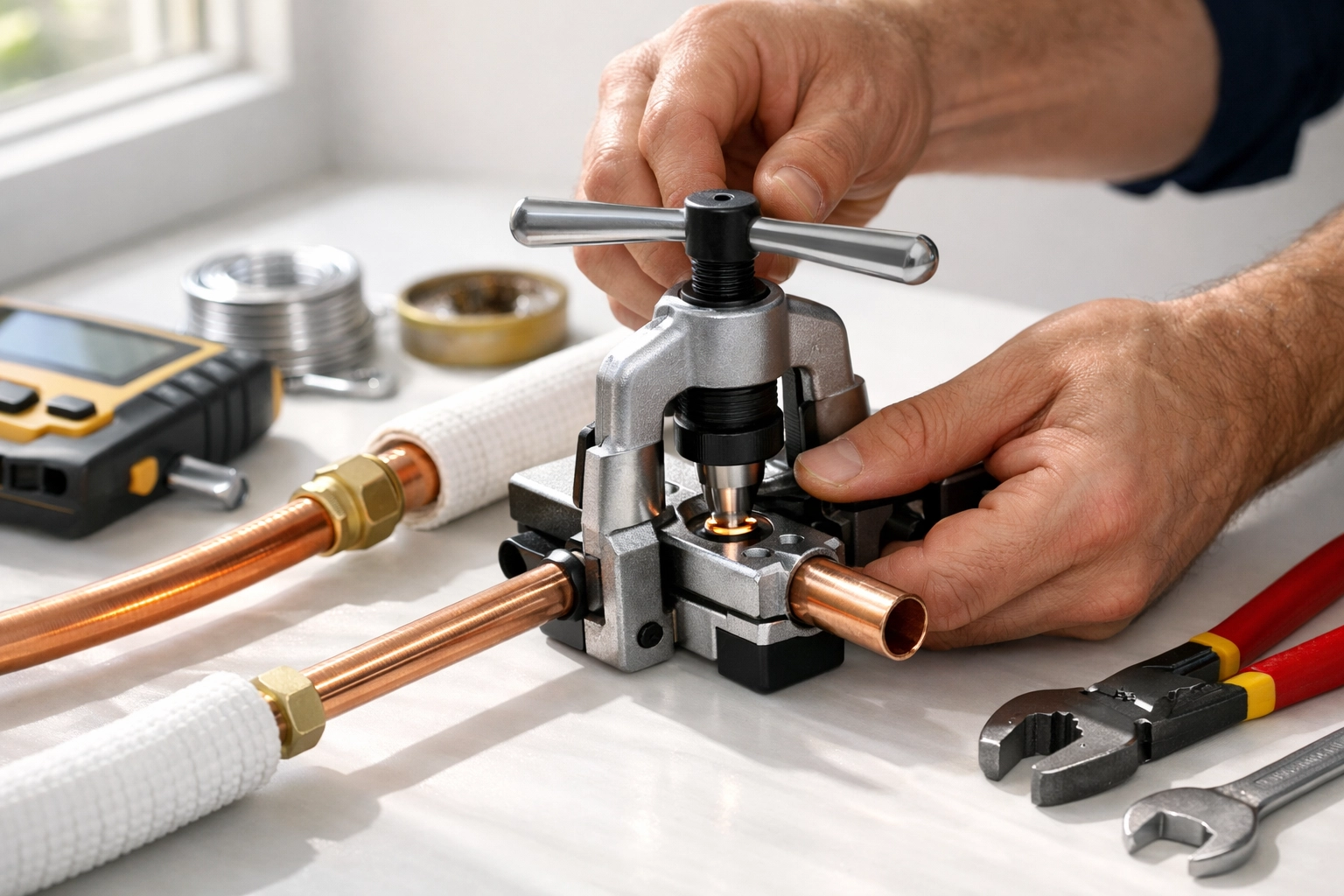
Mistake #1: Improper Flaring and Connections
This is the number one leak culprit we see in York County and Cumberland County. When the copper line ends aren't sealed properly onto the fittings, refrigerant slowly leaks out. You won't notice it right away, but your system gradually loses efficiency, your electric bill creeps up, and eventually, you're looking at a $500+ service call just to diagnose and recharge the system.
Why it's expensive: Refrigerant isn't cheap, and if the leak isn't fixed properly the first time, you're paying for multiple service visits. Plus, running a system low on refrigerant damages the compressor: which brings us to even bigger problems down the road.
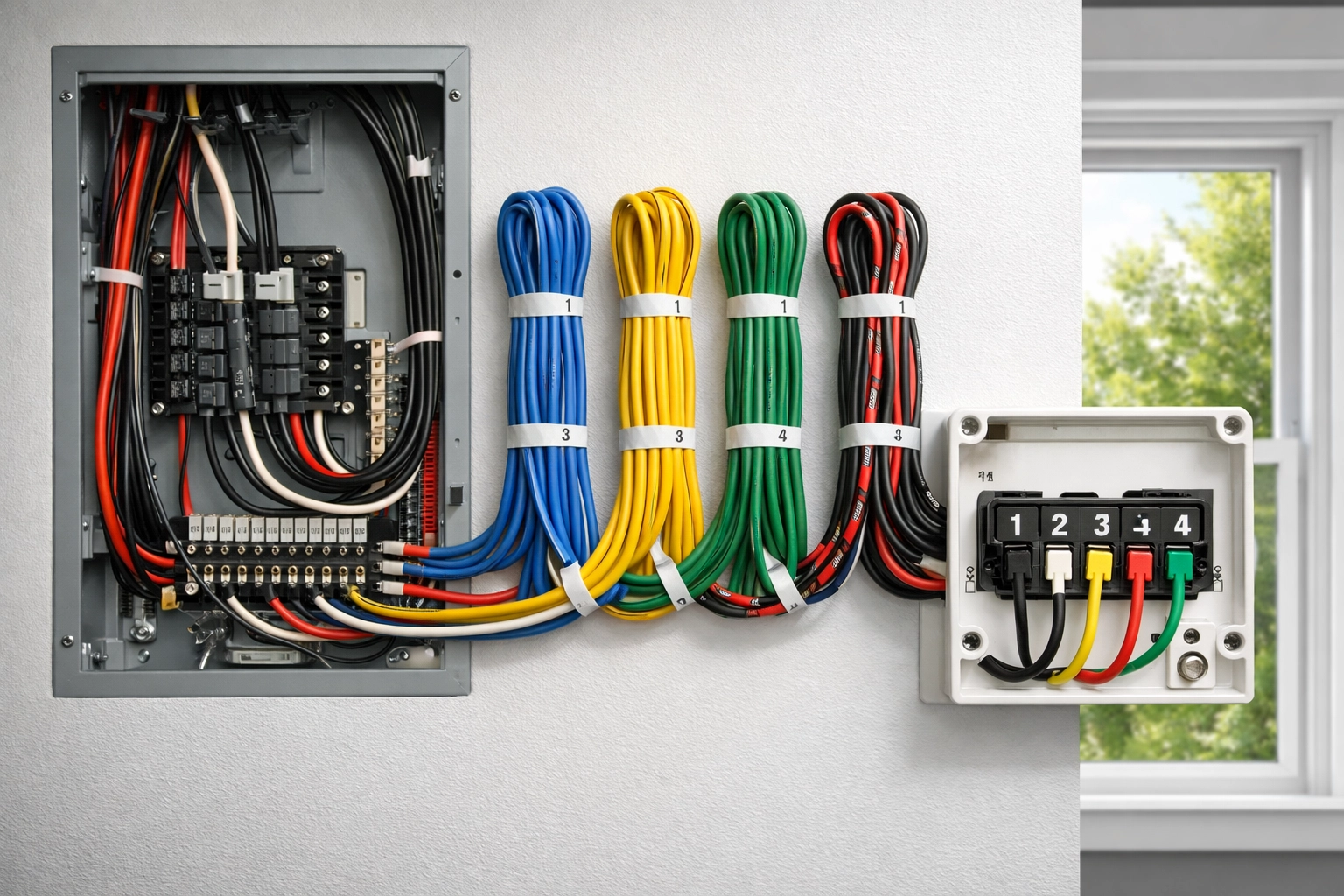
Mistake #2: Using the Wrong Wiring
Here's where things get technical, but stick with us: it matters. Mini-splits need specific low-voltage communication wire with the right gauge and conductor count. We've responded to calls in Kennebunk and Old Orchard Beach where someone used regular household wiring, and the system throws error codes constantly.
Why it's expensive: Wrong wiring causes communication failure between the indoor and outdoor units. Sometimes it damages the compressor itself, which is the most expensive component of your entire system. We're talking $2,000-$3,000 for a replacement compressor, plus labor.
If you're getting quotes that seem suspiciously low, ask specifically what type of wire they're using. It should match your manufacturer's specifications exactly.
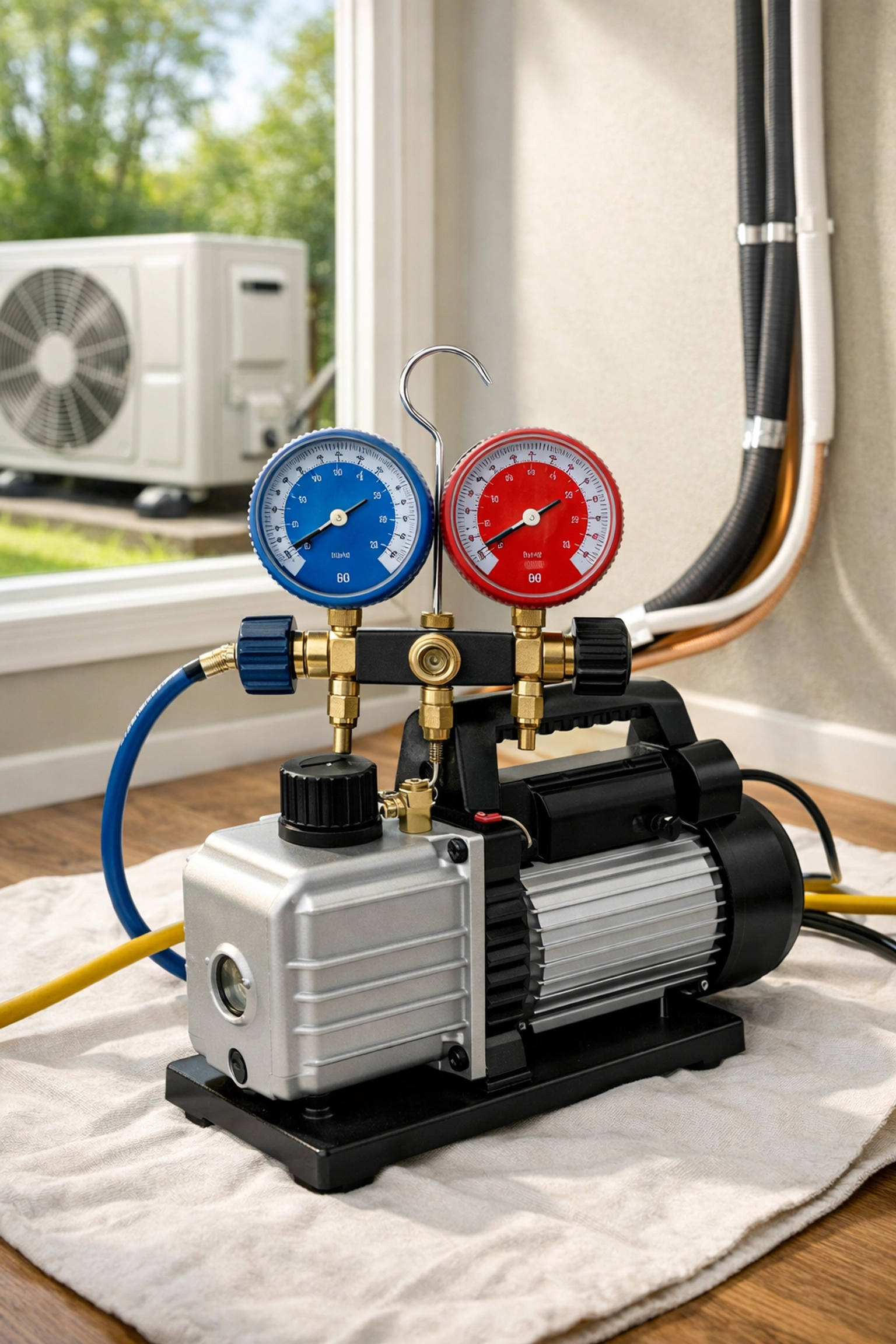
Mistake #3: Skipping or Rushing the Vacuum Pull
This one makes every qualified electrician in Maine cringe. The vacuum pull removes all air and moisture from the refrigerant lines before the system is charged. Some installers skip it entirely to save time. Others rush through it because they don't understand why it matters.
Why it's expensive: Moisture in the lines mixes with refrigerant and creates corrosive acid. That acid eats away at your compressor from the inside. This isn't a "maybe it'll cause problems" situation: it's a "your compressor will fail prematurely, and you'll be out thousands of dollars" guarantee.
A proper vacuum pull takes time. If your installer shows up without a vacuum pump or finishes your entire installation in under four hours, that's a red flag.
Mistake #4: Condensate Line Routing Errors
Every mini-split produces condensation that needs to drain properly. In Maine's climate, where we deal with freezing temperatures and rapid temperature swings, condensate line issues show up fast.
We've seen lines that slope the wrong way, lines without proper insulation, and lines that drain directly against foundation walls. The result? Water backs up, overflows into your walls, and suddenly you're dealing with mold remediation on top of fixing the mini-split.
Why it's expensive: Water damage repair isn't covered by your mini-split warranty. If moisture gets into your walls or ceiling, you're looking at drywall replacement, mold treatment, and potentially structural repairs. That $300 installation shortcut just cost you $5,000.
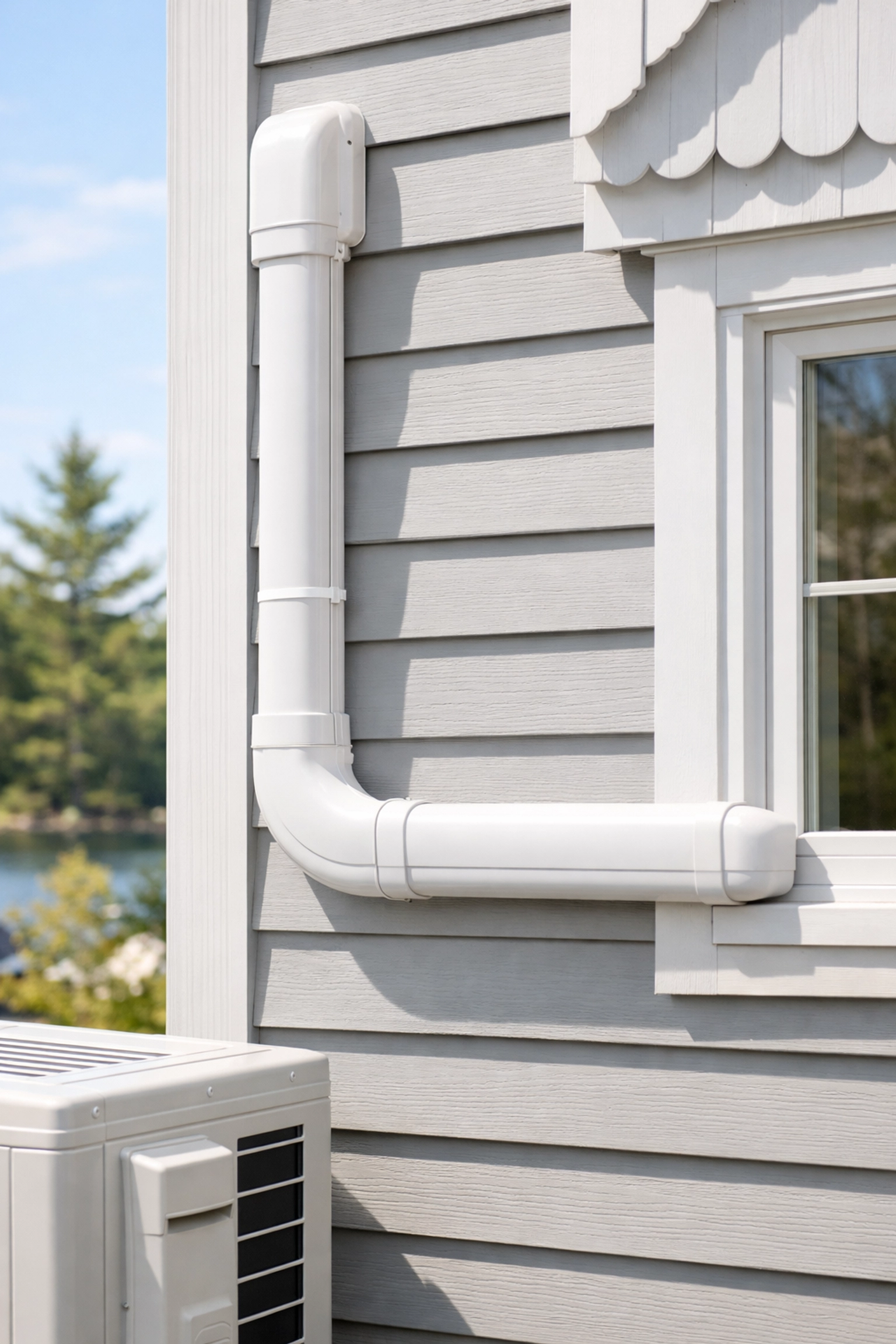
Mistake #5: Poor Line Set Protection
Maine weather is brutal on exposed line sets. The foam insulation around your refrigerant lines degrades fast when exposed to UV rays, wind, rain, and ice. We're talking one to two years before it starts breaking down.
Some installers leave line sets completely exposed. Others use flimsy covers that don't hold up to our winters. Once that insulation degrades, your system loses efficiency fast.
Why it's expensive: Your electric bills skyrocket because the system works twice as hard to maintain temperature. Plus, exposed lines are more vulnerable to physical damage and leaks. Proper line set protection costs maybe $100-200 upfront. Not protecting them costs you hundreds per year in wasted electricity.
Mistake #6: Incorrect System Sizing
This mistake happens before the installation even starts. A mini-split that's too small for your space runs constantly and never quite keeps up. One that's too large cycles on and off constantly, which wears out components faster and gives you uneven temperatures.
Around Biddeford and Saco, we see this all the time: someone buys a unit based on square footage alone without considering insulation quality, ceiling height, window efficiency, or Maine's temperature extremes.
Why it's expensive: An oversized unit might cost $1,000-2,000 more upfront and then fails faster due to constant cycling. An undersized unit costs you in comfort and higher electric bills because it runs nonstop trying to catch up. Neither scenario ends well.
Proper sizing requires a load calculation specific to your home. If your installer doesn't do one, find someone who will.
Mistake #7: Improper Indoor and Outdoor Unit Placement
We've seen outdoor units placed in direct sun all day (making them work harder in summer), too close to the ground (where snow piles up), and right next to dryer vents (pulling in lint and debris). Indoor units get mounted near heat sources, in drafts, or where airflow is blocked.
Why it's expensive: Poor placement reduces efficiency by 20-30%, meaning your system runs longer to achieve the same results. Your electric bill reflects that immediately. Plus, outdoor units in bad locations fail faster: compressors working in direct sunlight overheat, units buried in snow develop ice buildup, and debris-clogged units need frequent cleaning.
Getting It Right the First Time in Southern Maine
Look, we know mini-split installation costs feel high upfront. But here's what we tell homeowners throughout York County and Cumberland County: you're not just paying for the installation: you're paying for 15-20 years of reliable, efficient heating and cooling.
The cost difference between a proper installation and a cheap one might be $1,000-1,500. But the cost difference in repairs, efficiency losses, and premature replacement over the system's lifetime? That's easily $5,000-10,000 or more.
When you're getting quotes in Portland, Biddeford, Kennebunk, or anywhere within 40 miles, ask these questions:
Do you perform a proper load calculation for system sizing?
What type of wiring do you use, and does it meet manufacturer specifications?
How long do you run the vacuum pump, and can I see your equipment?
How do you protect line sets from Maine weather?
What's your process for condensate line installation and drainage?
If the answers are vague or the installer seems annoyed by the questions, keep looking.
We're Here to Help
At Downeast Electrical Services, we've installed hundreds of mini-split systems throughout Southern Maine. We do the load calculations, use the right materials, and take the time to do things properly: including that vacuum pull everyone else wants to skip.
Whether you're in Biddeford, Portland, Saco, Kennebunk, or anywhere in between, we'd be happy to give you a straight answer about what your home actually needs. No pressure, no sales pitch: just honest guidance from electricians who've been serving this community for years.
Want to learn more about mini-split installations? Or ready to get started? We're just a phone call away.
Your mini-split should make your life easier, not give you headaches. Let's make sure yours is installed right the first time.
Comments